Short answer: with 7 days, spend three nights in Santiago with a day in Valparaíso, then fly north for three nights in San Pedro de Atacama. With 10 days, swap the desert for the south: the lakes and volcanoes around Puerto Varas, then four nights in Patagonia at Torres del Paine. With 14 days, either go from the desert to the glaciers, linking the Atacama, Santiago, the Lake District and Torres del Paine, or pair the Atacama with a week on Easter Island, a route that works all year. Chile is 4,300 km long, so domestic flights do the long hops; Patagonia is best from November to March.
This guide turns the sample trips on our Chile travel guide into day-by-day plans, with travel times between the stops and the best area to sleep in each night. To choose your dates, read our best time to visit Chile guide; for the highlights in a few minutes, see our top places to visit in Chile. For a plan built around your dates and interests, use our AI trip planner. Everything here was checked as of October 2026.
The three routes at a glance
| Route | Days | Stops (nights) | Best for |
|---|---|---|---|
| Santiago and the Atacama | 7 | Santiago 3, San Pedro de Atacama 3 | First trip, any month: city, wine, port and desert |
| Lakes and Patagonia | 10 | Santiago 2, Puerto Varas 3, Puerto Natales 2, Torres del Paine 2 | Volcanoes, glaciers and hiking, November to March |
| Desert to glaciers | 14 | Santiago 2, Valparaíso 1, San Pedro 4, Puerto Varas 3, Puerto Natales 1, Torres del Paine 2 | The whole length of Chile, November to March |
| Atacama and Easter Island | 14 | Santiago 3, Easter Island 5, San Pedro 4, Santiago 1 | The moai, the desert and stargazing, any time of year |
Almost every long-haul flight lands at Santiago’s Arturo Merino Benítez airport, about 17 km west of the center, and every region in this guide is a domestic flight from there with LATAM, Sky Airline or JetSMART; LATAM is the only airline to Easter Island. Each flight between regions costs most of a day once you add transfers, so plan at least three nights per stop where you can. Book Patagonia and Easter Island flights early for December to February.
Travel times between the main stops
| Leg | How | Time | Source |
|---|---|---|---|
| Santiago – Valparaíso | Bus from Pajaritos or Alameda terminals, every few minutes | about 1.5–2 h | Approximate |
| Valparaíso – Viña del Mar | Metro Valparaíso train or bus | about 15–20 min | Approximate |
| Santiago – Calama (for San Pedro) | Flight | about 2 h | Approximate (flight schedules) |
| Calama airport – San Pedro de Atacama | Shuttle or rental car (about 100 km) | about 1 h 15–1 h 30 | Approximate |
| Santiago – Puerto Montt (for Puerto Varas) | Flight | about 1 h 45 | Approximate (flight schedules) |
| El Tepual airport – Puerto Varas | Shuttle or taxi | about 30–40 min | Approximate |
| Santiago – Punta Arenas | Flight | about 3.5 h | Approximate (flight schedules) |
| Punta Arenas – Puerto Natales | Bus (also from the airport) or car, 250 km | about 3 h | Approximate |
| Puerto Natales – Torres del Paine (Laguna Amarga) | Park buses, about 7:30 a.m. and 2:30 p.m. | about 2 h | CONAF |
| Pudeto – Paine Grande | Lake Pehoé catamaran, several a day in summer | short crossing; can be canceled by wind | Approximate |
| Santiago – Easter Island (Hanga Roa) | LATAM flight | about 5.5 h | Approximate (flight schedules) |
Puerto Natales also has its own airport with flights in the main summer months, which can save the three-hour bus from Punta Arenas. Some flights between Puerto Montt and Punta Arenas or Calama run direct; otherwise connect in Santiago.
7 days: Santiago, Valparaíso and the Atacama
The best first week in Chile in any month: a capital with Andes views, the painted hills of Valparaíso and the driest desert on Earth.
- Day 1, Santiago: Arrive, then walk the Plaza de Armas, the Mercado Central and Cerro Santa Lucía. Pay for the Metro with a bip! card or a QR code in the RED app. Sleep: Lastarria or Bellas Artes.
- Day 2, Santiago: The funicular or cable car up Cerro San Cristóbal for the view, Pablo Neruda’s house La Chascona in Bellavista, and an afternoon at a winery in the Maipo Valley, south of the city. Sleep: same.
- Day 3, Valparaíso: Bus of about 1.5–2 hours. Ride an ascensor up to Cerros Concepción and Alegre, walk the murals and viewpoints of the UNESCO-listed historic quarter, visit La Sebastiana, and take the train along the bay to Viña del Mar before heading back. Sleep: Santiago.
- Day 4, to the desert: Fly to Calama (about 2 hours) and transfer to San Pedro (about 1 hour 15 minutes). Take it easy: the town is at about 2,400 m. Sunset in the Valle de la Luna, with tickets bought online at least a day ahead. Sleep: San Pedro de Atacama.
- Day 5, lagoons and flamingos: Laguna Chaxa on the Salar de Atacama, the village of Toconao, and the altiplanic lagoons of Miscanti and Miñiques (booked through the Socaire community) above 4,000 m; a stargazing tour at night. Sleep: same.
- Day 6, El Tatio: A pre-dawn start for the geysers at about 4,300 m (it can be −10 °C at sunrise), the Puritama hot springs on the way back, and a float in the salty Laguna Cejar in the late afternoon. Sleep: same.
- Day 7, home: Transfer to Calama and fly to Santiago for your connection.
Swap it: traveling between November and March? Replace the Atacama with Patagonia: fly to Punta Arenas, bus to Puerto Natales and spend three nights at Torres del Paine. More on each stop: Santiago, Valparaíso and San Pedro de Atacama.
10 days: Santiago, the Lake District and Torres del Paine
Volcanoes, lakes and then the granite towers of Patagonia. Go between December and March, when the Lake District is driest and Patagonia’s buses, boats and refuges all run.
- Days 1–2, Santiago: The city on day 1; Valparaíso or a winery on day 2. Sleep: Lastarria or Providencia (2 nights).
- Day 3, to Puerto Varas: Fly to Puerto Montt (about 1 hour 45 minutes) and transfer to Puerto Varas (30–40 minutes). Sunset on the lakefront facing the Osorno and Calbuco volcanoes. Sleep: Puerto Varas (3 nights).
- Day 4, Petrohué and Lake Todos los Santos: The turquoise Petrohué waterfalls in Vicente Pérez Rosales, Chile’s oldest national park (CLP 8,200 for foreign adults, as of October 2026), a boat trip on the lake and the Osorno volcano viewpoint.
- Day 5, Frutillar: Cycle or drive along Lake Llanquihue to Frutillar for the German Colonial Museum, kuchen and a concert at the Teatro del Lago; or go rafting on the Petrohué River.
- Day 6, to Patagonia: Fly to Punta Arenas (direct or via Santiago) and take the bus to Puerto Natales (about 3 hours), or fly direct to Puerto Natales in season. Sleep: Puerto Natales (2 nights).
- Day 7, the park by road and boat: A full-day tour or the early park bus: Laguna Amarga, the Salto Grande waterfall and Mirador Cuernos walk from Pudeto, Lake Pehoé and the icebergs of Lake Grey. Back to Natales for the night.
- Day 8, into the park: Park bus to Laguna Amarga (about 2 hours) and the shuttle to the Welcome Center. Easy afternoon walks. Sleep: a refuge, dome or hotel near Las Torres, booked months ahead (2 nights).
- Day 9, Base of the Towers: The park’s most famous day walk: about 19 km round trip and 8–9 hours, up the Ascencio Valley past Refugio Chileno to the lake beneath the towers. Start early and turn back if the wind is too strong.
- Day 10, home: Bus back to Puerto Natales or Punta Arenas and fly to Santiago for your connection.
Swap it: fit hikers can replace days 7–9 with the four- or five-day W trek, about 70–80 km linking the three valleys, which needs every night booked in advance with the companies that run the refuges and campsites. Details: Puerto Varas and Torres del Paine National Park.
14 days: from the desert to the glaciers
The classic north-to-south trip: desert, wine country, volcanoes and glaciers. It is a lot of flying, but no other two weeks show such contrast. Plan it for November to March.
- Days 1–2, Santiago: The city and a winery. Sleep: Lastarria or Bellas Artes (2 nights).
- Day 3, Valparaíso: Bus to the coast; the hills, funiculars and murals, sunset on Paseo 21 de Mayo. Sleep: Cerro Concepción or Cerro Alegre (1 night).
- Day 4, to San Pedro: Bus back to Santiago airport (some buses go direct) and fly to Calama. Sleep: San Pedro de Atacama (4 nights).
- Days 5–7, the Atacama: The Valle de la Luna, Laguna Chaxa and the altiplanic lagoons, El Tatio at dawn, Laguna Cejar and a stargazing night. Save the highest trips for the end to acclimatize.
- Day 8, to Puerto Varas: Fly Calama to Puerto Montt, usually via Santiago. Sleep: Puerto Varas (3 nights).
- Days 9–10, the Lake District: Petrohué falls and Lake Todos los Santos; Frutillar or a day trip to the island of Chiloé, with its UNESCO-listed wooden churches.
- Day 11, to Patagonia: Fly to Punta Arenas and bus to Puerto Natales. Sleep: Puerto Natales (1 night).
- Days 12–13, Torres del Paine: The morning park bus; the Lake Pehoé catamaran to Paine Grande and the walk to the Grey Glacier lookout on day 12, then across to Las Torres for the Base of the Towers hike on day 13. Sleep: refuges or lodges in the park (2 nights).
- Day 14, home: Bus to Punta Arenas or Puerto Natales airport and fly to Santiago.
14 days: the Atacama and Easter Island
Both the Atacama and Easter Island (Rapa Nui) can be visited all year, so this is the route for travelers outside Patagonia’s season. Easter Island is a domestic flight, but extra rules apply: complete the free Single Entry Form (FUI) online within 48 hours before you fly, hold a return ticket for a stay of no more than 30 days, and book accommodation registered with Sernatur.
- Days 1–3, Santiago and Valparaíso: The city, a winery and a day on the coast. Sleep: Lastarria or Providencia (3 nights).
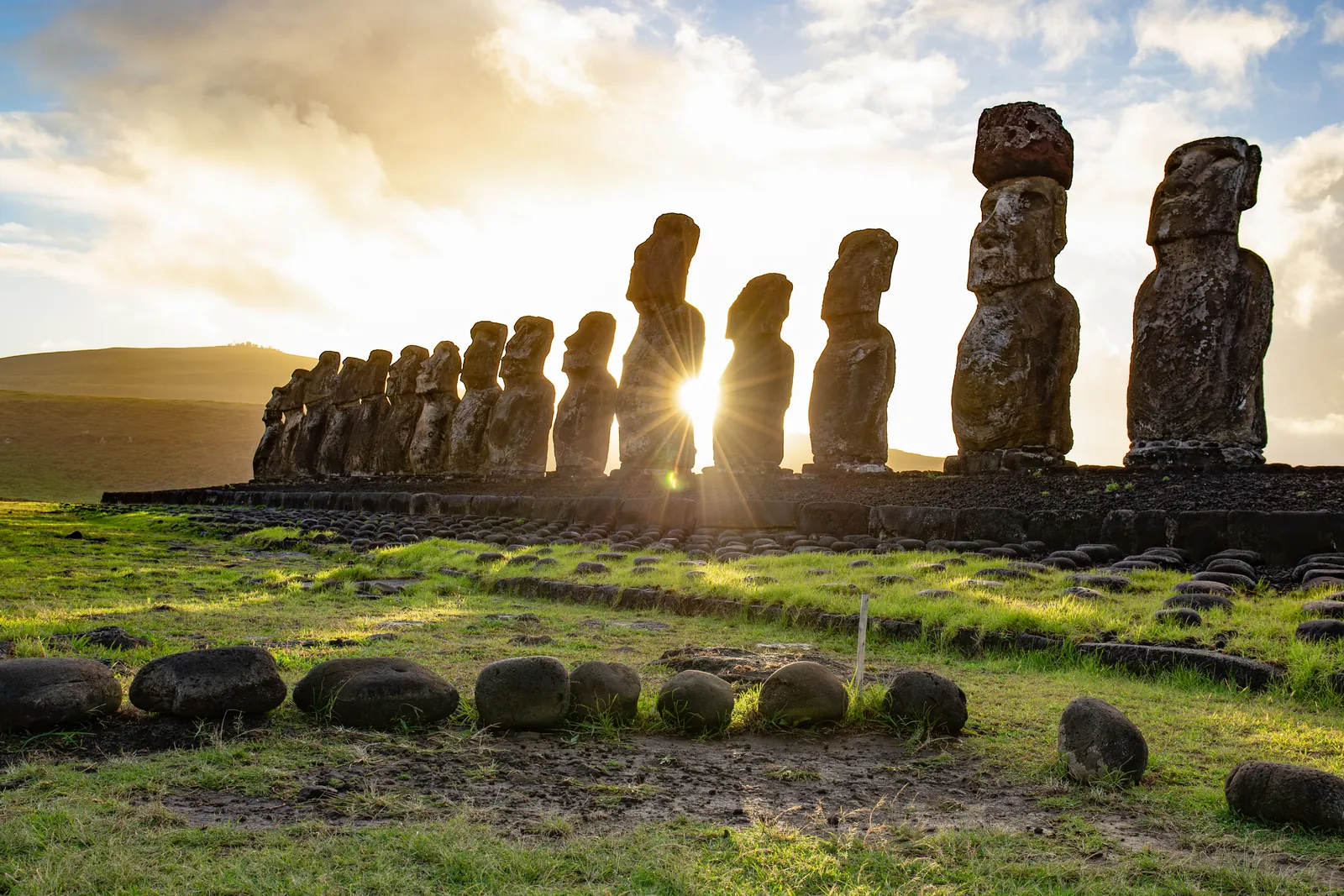
- Day 4, to Easter Island: LATAM flight of about 5.5 hours to Hanga Roa. Buy the national park ticket online, at the airport or in town; it is valid for 10 days from first entry, and a guide accredited by the Ma’u Henua community is compulsory at the archaeological sites. Sunset at Ahu Tahai. Sleep: Hanga Roa (5 nights).
- Day 5, the south coast: A guided day to Ahu Vinapu, the 15 moai of Ahu Tongariki and Rano Raraku, the quarry where the moai were carved, ending with a swim at Anakena. Rano Raraku and Orongo can be entered only once per ticket.
- Day 6, Orongo and Rano Kau: The crater lake of Rano Kau and the ceremonial village of Orongo on its rim; Orongo closes in strong wind, so keep a backup day.
- Days 7–8, the sea and the north: Diving or snorkeling in clear water, Ahu Akivi’s seven moai facing the sea, a horseback ride or a slow day at Anakena.
- Day 9, back to the mainland: Fly to Santiago and on to Calama, or overnight in Santiago if connections don’t work. Sleep: San Pedro de Atacama (4 nights).
- Days 10–12, the Atacama: The Valle de la Luna, the lagoons, El Tatio and a night of stargazing in some of the clearest skies on Earth.
- Day 13, to Santiago: Fly back. Sleep: near the airport or in Providencia (1 night).
- Day 14, home.
Easter Island’s busiest time is early February, during the Tapati Rapa Nui cultural festival, when flights and rooms fill up. Driving tips, rules and costs are in our Easter Island guide.
Where to sleep, by stop
| Stop | Best area for a short stay | Why |
|---|---|---|
| Santiago | Lastarria and Bellas Artes, or Providencia | Walkable, near the Metro, restaurants and the hills; Providencia is quieter |
| Valparaíso | Cerro Concepción or Cerro Alegre | Boutique hotels among the murals and viewpoints, close to the funiculars |
| San Pedro de Atacama | In or just outside the village center | Tour pickups and restaurants on foot; outside is quieter and darker for stars |
| Puerto Varas | The lakefront and town center | Volcano views, cafés, minibuses to Frutillar and Petrohué |
| Puerto Natales | Town center | Park buses, gear rental and supermarkets for trail food |
| Torres del Paine | Refuges, domes or campsites on the W; lodges and hotels near Las Torres or Lake Pehoé | All overnight stays in the park must be booked in advance |
| Easter Island | Hanga Roa | The only town; lodging must be registered with Sernatur |
Under Chile’s VAT law, registered hotels don’t charge the 19% IVA on rooms paid in foreign currency by foreign tourists, so pay in US dollars or with a card issued abroad, show your passport and entry record, and ask for the rate without IVA. Not every small guesthouse is registered.
Alternatives by interest
Hikers
Give Torres del Paine a full week: the W in four or five days, or the O circuit (officially the Macizo Paine circuit), about 110–130 km over seven to nine days, walked counterclockwise only and closed in winter. Since 1 January 2026, CONAF allows the O without a guide for hikers who meet its safety, registration and booking requirements. Add volcano hikes around Puerto Varas or El Chaltén across the border; see our Los Glaciares National Park guide.
Wine lovers
Spend four nights around Santiago and visit the Maipo Valley close to the city, the cool-climate whites of the Casablanca Valley on the road to Valparaíso, and the Colchagua Valley farther south for its red wines and harvest festivals, usually in March. Harvest runs from late February into April. Hire a driver for tasting days.
Stargazers
Add nights in San Pedro around the new moon, when the sky is darkest, and consider the Elqui Valley, a region of observatories and pisco distilleries inland from La Serena. Desert nights are cold all year, especially from June to August.
Road trippers
The Lake District is Chile’s best self-drive region: a loop of about 180 km around Lake Llanquihue, then south to Chiloé by ferry or north to the lakes and hot springs around Pucón. In Patagonia, a car gives freedom for viewpoints, but fill up in Puerto Natales: there is no fuel in or around Torres del Paine. To take a rental car into Argentina, you need a permit arranged in advance with the rental company.
Combining Chile and Argentina
Two popular crossings fit these routes: Puerto Varas to Bariloche by the boat-and-bus lake crossing over Lake Todos los Santos (see our Bariloche guide), and Torres del Paine to El Calafate and the Perito Moreno Glacier, about 5–6 hours by bus via Cerro Castillo. Border passes can close in bad weather; the government publishes a map of open crossings.
Tips for planning your route
- Match the route to the season. Patagonia is best from November to March, the Lake District from December to March, Santiago and the wine country in spring (September to November) and fall (March to May); the Atacama and Easter Island work all year.
- Book Patagonia first. Torres del Paine’s refuges and campsites, and flights in January and February, sell out months ahead. Park entry is CLP 32,400 for a foreign adult for one day, or CLP 48,500 for longer visits, paid through CONAF’s Pases Parques site (as of October 2026).
- Respect the altitude. San Pedro is at about 2,400 m and El Tatio at about 4,300 m; plan a day or two in town before the high trips, drink water and go slowly.
- Buy desert tickets ahead. Valle de la Luna tickets must be bought online at least a day before, and the Miscanti and Miñiques lagoons are booked with the Socaire community.
- Expect wind in Patagonia. Strong westerlies blow for much of the year, especially in spring and summer; boats can be canceled and trails closed, so keep a spare day.
- Watch the holiday weekends. January and February are Chile’s summer holidays, and long weekends such as Fiestas Patrias (18–19 September) fill buses, flights and hotels.
Chile itinerary FAQ
Is 7 days enough for Chile?
Seven days is enough for Santiago, Valparaíso and one region, the Atacama or Patagonia. Chile is too long to see more in a week without spending most of it on planes.
Atacama or Patagonia for a first trip?
Patagonia if you are traveling between November and March and love hiking and mountains. The Atacama if you are traveling at other times, or want desert landscapes, lagoons and stargazing without long hikes. With two weeks, do both.
How many days do I need in Torres del Paine?
Two to three days for the highlights by car and boat plus the Base of the Towers hike; four to five days for the W trek; seven to nine for the O circuit. Add a night in Puerto Natales before and after.
Do I need a car in Chile?
Not for these routes: flights, buses, tours and park shuttles cover them. A car is worth it in the Lake District and on Easter Island, and gives freedom in the Atacama, though roads to El Tatio and the high lagoons are rough gravel at altitude.
How many days should I spend on Easter Island?
Four or five nights. That allows a guided day on the south coast, Orongo and Rano Kau, time at Anakena, and a spare day for weather, given the long flight from Santiago.
Can I visit Torres del Paine in winter?
Yes, but with fewer services. From May to September the park opens shorter hours (8 a.m. to 6:30 p.m.), many refuges, boats and buses stop, the O circuit is closed, and parts of the W can be walked only with a guide, according to CONAF.
Should I start in the north or the south?
Start in the north if you want to finish with Patagonia’s big hikes, or in the south if the weather forecast there looks good when you land: Patagonia’s weather is the least predictable part of any trip, so keep that leg flexible.
Sources
Researched and last reviewed by TravelerCenter on 8 October 2026. Torres del Paine fees, hours, bus times from Puerto Natales, trail distances and O-circuit rules come from CONAF and its Pases Parques portal; Vicente Pérez Rosales and Los Flamencos tickets from the same portal and the Socaire and Toconao communities; Easter Island’s park ticket and rules from the Ma’u Henua community and its FUI entry form from ChileAtiende and Sernatur; Santiago’s Metro payment from RED Movilidad; the hotel VAT exemption from Decree-Law 825; border-crossing information from Sernatur; and climate from the Chilean Meteorological Directorate’s 1991–2020 normals, as published by the WMO. Flight durations, road and bus times and sight descriptions come from general references and our destination guides and are approximate. Timetables, fees and rules change, so check with the operator before you travel.
Data: Wikidata (CC0)