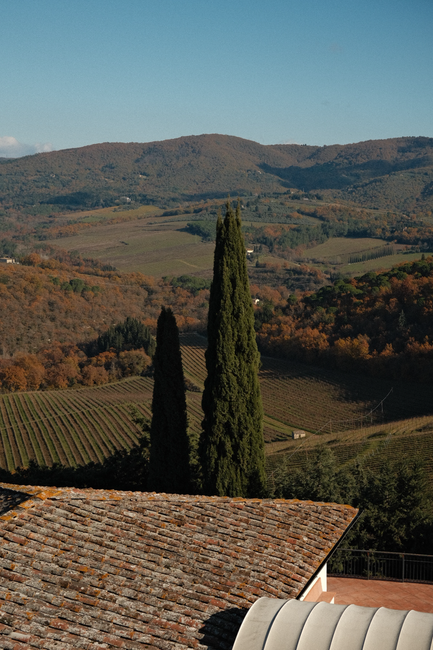
The best wine tasting across Portugal, Spain, France, Italy, Greece and the United Kingdom is in the Douro Valley and Porto’s port lodges, Bordeaux and the Loire, Provence and Alsace, Chianti, Montalcino and Valpolicella in Italy, Etna in Sicily, and the volcanic vineyards of Santorini. The best months are September and October for the harvest, and April to June for green vineyards and mild weather. Don’t drive after a tasting: the limit is 0.5 g/l in most of these countries, and lower or zero for new drivers.
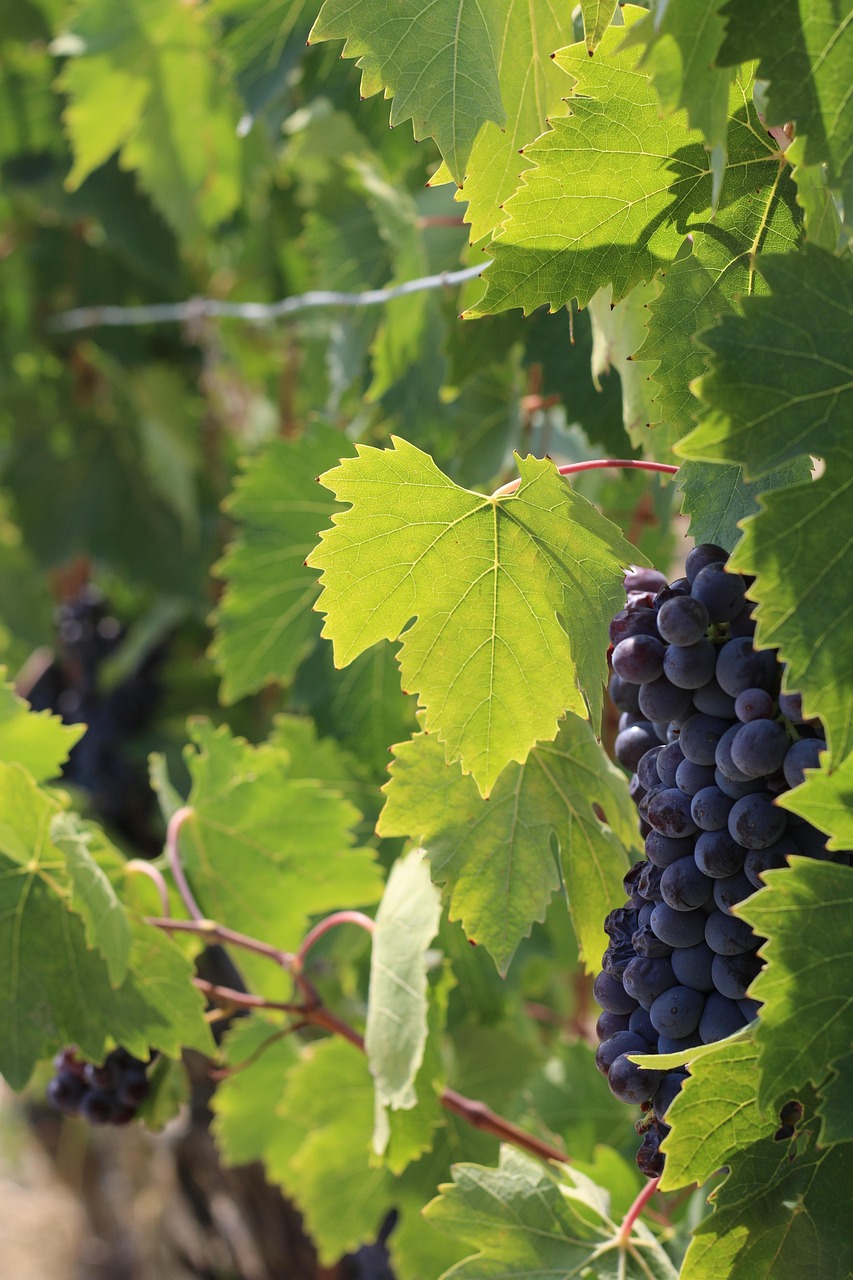
Below: the top wine regions in each country and how to visit them, when to go, the drink-driving limits that apply, how to book, and what to pack. Opening times, prices and rules are as of October 2026.
Wine tasting in Europe at a glance
- Best for a first trip: the Douro Valley, the world’s oldest demarcated and regulated wine region (1756), or Bordeaux, where the Cité du Vin and nearby estates make an easy start.
- Easiest without a car: Porto’s port lodges in Vila Nova de Gaia, Bordeaux estates reached by tram or bus, Strasbourg’s historic hospital cellar, the Etna Wine Train in Sicily, and Évora’s Alentejo wine route tasting room.
- Most unusual: Santorini’s basket-shaped vines on volcanic soil, Pico’s lava-walled vineyards in the Azores (UNESCO since 2004), and English sparkling wine in Cornwall.
- Best months: September–October for the harvest; April–June for green vineyards; May for Crete’s open-cellar days.
- Level: no knowledge needed; tastings welcome beginners.
What wine tasting involves
A typical visit to an estate (a quinta in Portugal, a bodega in Spain, a château or domaine in France, a cantina in Italy, a winery or ktima in Greece) combines a walk through the vineyards or cellars with a guided tasting of three to six wines, often with bread, cheese or olive oil. Most estates take visitors by appointment at set times, and many close on Sundays and during the busiest harvest days. Tasting rooms in town, wine museums and cooperative cellars are the easiest walk-in options.
Each country has native grapes worth trying: Touriga Nacional and port in the Douro, txakoli on the Basque coast, Chenin Blanc in the Loire, Sangiovese in Chianti and Montalcino, Corvina for Amarone near Verona, Nerello Mascalese on Etna, Assyrtiko in Santorini and Robola in Kefalonia.
Drink-driving limits and safety
| Country | General limit | New or professional drivers |
|---|---|---|
| Portugal | 0.5 g/l | 0.2 g/l (probationary and professional) |
| Spain | 0.5 g/l | 0.3 g/l (first two years and professional) |
| France | 0.5 g/l | 0.2 g/l (probationary; bus and coach drivers) |
| Italy | 0.5 g/l | 0.0 g/l (new and professional drivers) |
| Greece | 0.5 g/l | 0.2 g/l (new and professional drivers, motorcyclists) |
| United Kingdom | 0.8 g/l in England, Wales and Northern Ireland | 0.5 g/l in Scotland, for all drivers |
- In practice: even a short tasting can put you over the limit. Use the spittoon, choose a driver who doesn’t drink, or let a train, boat or tour do the driving.
- Penalties are serious: in Portugal, fines start at €250 at 0.5 g/l, and from 1.2 g/l drink-driving is a crime. Quad bikes and scooters count too, for example on Santorini.
- Cyclists: in Spain the same 0.5 g/l limit applies to riders.
- Heat: the Douro, the Alentejo, Tuscany and the Greek islands are very hot in summer; drink water between glasses.
Best wine regions, country by country
Portugal
The Douro Valley was demarcated in 1756 and its terraced vineyards became a UNESCO World Heritage site in 2001. Many quintas on the Port and Douro Wine Route open for tastings (book ahead), and in September and October most wine-tourism quintas invite visitors to join the harvest. Take CP trains from Porto to Peso da Régua (about 1 hour 50 minutes) or Pinhão (about 2 hours 15 minutes), or a river cruise, and climb to the São Leonardo de Galafura viewpoint for the classic view.
In Porto, cross the Dom Luís I bridge to the port lodges of Vila Nova de Gaia for cellar tours; book guided tours in summer. Évora is the hub of the Alentejo Wine Route, with more than 60 member wineries and a tasting room near the cathedral (Monday–Saturday, closed Sundays). Near Sintra, the Colares area grows vines in sand by the Atlantic; in Madeira, Funchal’s wine lodges pour the island’s fortified wine, and the next Madeira Wine Festival runs from 22 August to 12 September 2027. On Pico in the Azores, vines grow inside walls of black lava.
Spain
Our Spanish destinations are not the country’s big wine regions, but each has local wine worth a visit. From San Sebastián, the fishing town of Getaria is the home of txakoli, a light, slightly sparkling white served with pintxos, and several of its wineries offer tours. Mallorca‘s wineries around Binissalem make reds from the local Manto Negro and Callet grapes. From Valencia, the Requena area inland is known for cellars and the Bobal grape. Ask the local tourist office which wineries take visitors, and book ahead.
France
Bordeaux is the easiest big wine city to visit. The Cité du Vin has a permanent exhibition of more than 3,000 m², tasting workshops for beginners and a 35 m-high belvedere where a glass of wine comes with the view; adult tickets cost €23, and from 3 April to 31 October 2026 it opened daily from 10:00 to 19:00. The tourist office runs wine excursions, and Pessac-Léognan estates within the metropolitan area can be reached by tram or bus. Saint-Émilion, the Médoc and Sauternes are classic day trips.
The Loire Valley wine route covers 800 km, with more than 200 cellars open to visitors and about 25 appellations, from Chinon and Vouvray to Sancerre; around 150 Touraine estates carry a “tourist cellar” label. In Provence, the regional board points to Châteauneuf-du-Pape, near Avignon, and the Rhône villages of Gigondas and Vacqueyras, and to the Maison des Vins Côtes de Provence at Les Arcs, with almost 800 wines to taste all year. In Strasbourg, the historic wine cellar under the city hospital, founded in 1395, keeps a white wine from 1472; entry is free and group tastings can be booked. The 170 km Alsace Wine Route starts at Marlenheim, west of the city.
Italy
In Tuscany, the Chianti Classico Wine and Oil Trail runs from Gaiole in Chianti, Montepulciano’s cellars pour Vino Nobile, and Montalcino is the home of Brunello. Near Verona, the hill valley of Valpolicella makes Amarone, Ripasso, Recioto and Valpolicella Classico; a cycle network links its wine towns. On Sicily, the Etna wine road has its own Etna Wine Train from Linguaglossa on Thursdays and Saturdays from March to November, and an Etna Wine Bus from Catania, so nobody has to drive. The Cinque Terre‘s steep terraces make Cinque Terre DOC whites and the sweet Sciacchetrà.
Greece
On Santorini, Assyrtiko, Athiri, Aidani, Mandilaria and Mavrotragano grow in vines trained into low baskets on volcanic soil. Many wineries offer tastings and tours, and the cooperative winery at Pyrgos pours Vinsanto and Assyrtiko on a terrace above the caldera. Every May, the wineries of Crete open their doors for vineyard walks and tastings across four PDO zones (Peza, Archanes, Dafnes and Sitia). Rhodes makes PDO wines from Athiri and Muscat; on Kefalonia, Robola grows on stony mountain soils around Omala up to 800 m, and its wineries welcome visitors; Zakynthos has its own Verdea wine.
United Kingdom
England is best known for sparkling wine, and Cornwall is an easy place to try it. Camel Valley, near Bodmin, the county’s largest vineyard, runs guided tours with a glass of wine at 10:30 on weekdays from April to September, and serves its sparkling, white and red wines on the terrace. In Scotland, whisky distilleries take the place of wineries: the Isle of Skye has Talisker and Torabhaig, and the Highlands have many more.
When to go wine tasting: season table by region
Average highs are 1991–2020 normals from each national weather service (IPMA, Météo-France, Aeronautica Militare, HNMS, the Met Office) at the nearest station; the Douro and Évora use NASA POWER satellite averages.
| Region | Best months | Average high, Jan / Jul | Good to know |
|---|---|---|---|
| Douro Valley | Apr–Jun, Sep–Oct | 8.4 / 30.3 °C | Harvest mid-Sep to early Oct; book quintas |
| Porto and Gaia | All year | 14.0 / 24.3 °C | Cellars are perfect on rainy days |
| Évora (Alentejo) | Mar–May, Oct | 13.8 / 34.0 °C | Tasting room closed on Sundays |
| Madeira | All year | 20.0 / 25.4 °C | Wine Festival 22 Aug–12 Sep 2027 |
| Bordeaux | Apr–Jun, Sep–Oct | 10.5 / 27.1 °C | Estates busy at harvest; book ahead |
| Loire Valley (Tours) | Apr–Oct | 7.7 / 25.9 °C | Combine with châteaux and cycling |
| Provence (Avignon) | Apr–Jun, Sep–Oct | 10.7 / 31.5 °C | Maison des Vins open all year |
| Alsace (Strasbourg) | May–Oct, Dec | 5.2 / 26.4 °C | Hospital cellar open all year |
| Tuscany (Arezzo) | Apr–Jun, Sep–Oct | 9.3 / 31.4 °C | Very hot in July and August |
| Valpolicella (Verona) | Apr–Jun, Sep–Oct | 7.0 / 30.4 °C | Easy from Verona |
| Etna (Catania) | Mar–Jun, Sep–Nov | 15.9 / 34.1 °C | Wine Train Thu and Sat, Mar–Nov |
| Santorini | Apr–Jun, Sep–Oct | 14.4 / 29.7 °C | Caldera terraces busy at sunset |
| Crete (Heraklion) | May, Sep–Oct | 15.4 / 29.4 °C | Open Doors in May |
| Cornwall (Camborne) | Apr–Sep | 9.2 / 18.7 °C | Camel Valley tours weekdays Apr–Sep |
How to book wine tastings and tours
- Book estates ahead. Most visits are by appointment with set times, and harvest experiences in September and October sell out.
- Ask what’s included: the number of wines, food, a vineyard walk, and whether children are welcome.
- Plan transport first: trains in the Douro, the tram in Bordeaux, the Etna Wine Train, river cruises from Porto, or a guided day tour. In Portugal, tour companies must be registered with Turismo de Portugal (check the free RNAAT search).
- Use tourist offices: Bordeaux, the Loire, Provence and Alsace publish lists of estates that welcome visitors and their opening days.
- Flying home with wine: pack bottles in checked luggage and check your airline’s and your home country’s allowances.
What to pack for a wine-tasting trip
What to pack
- City walking shoesQuinta visits and harvest days mean steep terraces, gravel and cellar floors.
- Wine bottle travel protectorsPort and Douro wines bought at the quintas travel home safely in checked luggage with padded bottle protectors.
Comfortable shoes with grip come first: terraces in the Douro, the Cinque Terre and Santorini are steep, and cellar floors can be damp and uneven. In summer add a hat, sunscreen and a refillable water bottle; in spring and autumn, a light waterproof. A notebook or phone notes help you remember the wines you liked, and padded wine sleeves protect bottles in your suitcase.
Wine tasting in Europe: questions and answers
What is the best wine region in Europe for a first visit?
The Douro Valley and Bordeaux are both easy: you can reach them by train, the scenery is spectacular, and estates are used to beginners. Tuscany’s Chianti is the classic road trip, but you need a driver.
What is the drink-driving limit in Europe?
In Portugal, Spain, France, Italy and Greece it is 0.5 g/l for most drivers, with lower limits (0.0–0.3 g/l) for new and professional drivers. The UK limit is 0.8 g/l in England, Wales and Northern Ireland and 0.5 g/l in Scotland. The safest plan on a tasting day is not to drive at all.
When is the grape harvest?
In most of southern Europe, from late August to October. In the Douro it usually runs from mid-September to early October, when most wine-tourism quintas offer harvest activities.
Can I visit wineries without a car?
Yes. Take the train to the Douro, the tram or bus to Pessac-Léognan from Bordeaux, the Etna Wine Train in Sicily, or walk to Strasbourg’s hospital cellar and Gaia’s port lodges. Guided day tours cover Chianti, Valpolicella and Santorini.
Do I need to book wine tastings in advance?
For most estates, yes, especially in harvest season and at weekends. Town tasting rooms, wine museums and cooperative cellars usually take walk-ins.
Which Greek island is best for wine?
Santorini, for its volcanic Assyrtiko and Vinsanto and caldera views. Crete has the most wineries and opens them every May; Kefalonia’s Robola is a good quieter choice.
Is there wine tasting in the UK?
Yes, mostly English sparkling wine. In Cornwall, Camel Valley runs weekday tours from April to September. In Scotland, whisky distilleries such as Talisker on Skye are the local equivalent.
Can I join the grape harvest?
Yes, in some regions. In the Douro, most wine-tourism quintas offer harvest activities in September and October, and Crete’s wineries open their doors every May for vineyard walks. Book early, because places are limited.
Is Madeira wine the same as port?
No. Both are fortified wines, but Madeira comes from the island of Madeira and port from the Douro Valley. Each has its own grapes, styles and ageing methods; taste both in Funchal and Gaia to tell them apart.
Can children join wine tours?
Policies vary, so ask when you book. Many estates welcome families on vineyard and cellar walks, but tastings themselves are for adults only.
More ideas for your trip: cycling, hiking and city sightseeing.
Sources and last review
Researched and last reviewed by TravelerCenter on 4 October 2026. Drink-driving limits come from the European Commission’s Your Europe road-rules pages, Portugal’s Highway Code and GOV.UK; the Douro’s demarcation from the IVDP; UNESCO dates from UNESCO; Portuguese regions from Visit Portugal, CP, the Alentejo wine commission and Visit Madeira; Getaria from San Sebastián Turismoa; French regions from the Bordeaux, Loire Valley, Provence and Alsace tourist boards and the Cité du Vin; Italian regions from Visit Tuscany, Visit Verona and Visit Sicily; Greek regions from the Greek National Tourism Organisation; Camel Valley from Visit Cornwall; climate from the national weather services’ 1991–2020 normals and NASA POWER. Mallorca, Valencia, Cinque Terre and Scottish distillery details are general references flagged in our source notes. Hours and prices change, so check before you go.