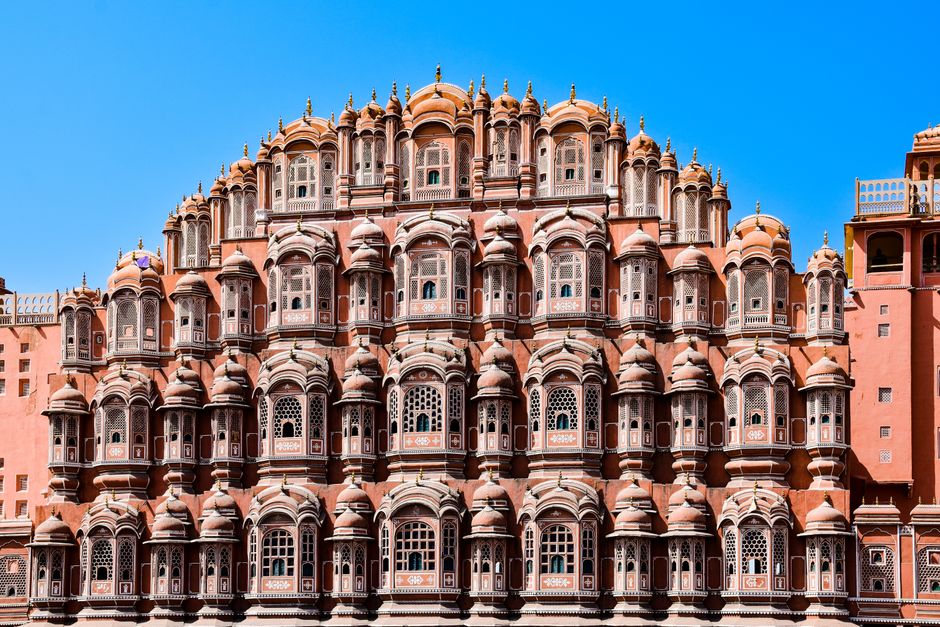
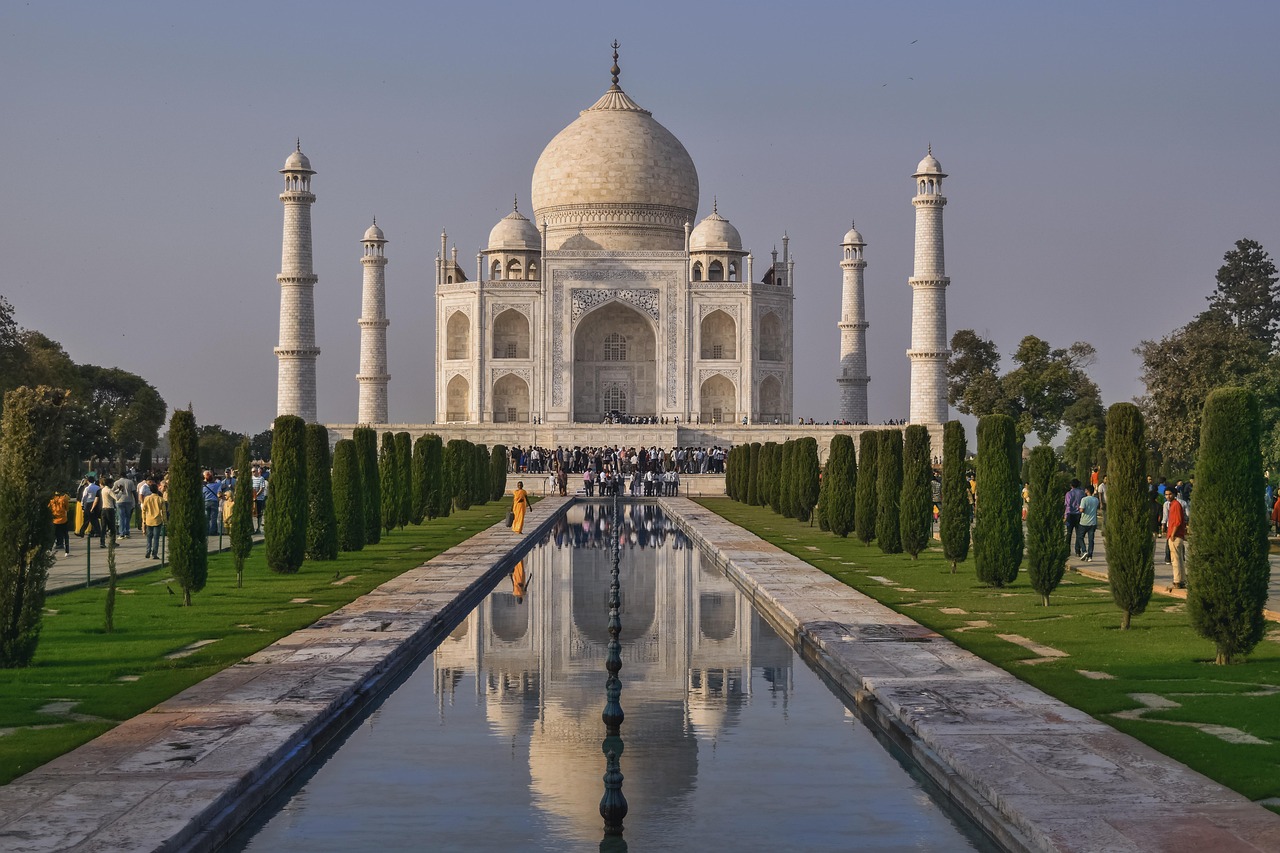
India is less a country than a continent of its own: from the glaciers of the Himalaya to the palm-fringed backwaters of Kerala, and from the deserts of Rajasthan to the tea hills of the northeast, it holds more than 1.4 billion people, hundreds of languages, and nearly every faith and landscape on Earth. For first-time visitors, the classic introduction is the Golden Triangle of Delhi, Agra and Jaipur, with the Taj Mahal at its heart; many add Varanasi, the holy city on the Ganges, the lake palaces of Udaipur or the Golden Temple in Amritsar. The south is greener and slower, with the beaches of Goa, the colonial port of Kochi and the houseboats of Alappuzha, while Mumbai is the country’s buzzing commercial capital. India rewards patience: distances are vast, crowds and noise can be overwhelming, and the heat, the monsoon and winter air pollution shape when to go. Most nationalities can apply online for an e-Visa, and the best season for most of the country is from October to March, between the summer monsoon and the hot months of April to June.
Right now in India
- Wed 24–33°C 74–91°F Clear
- Thu 24–34°C 75–92°F Mostly clear
- Fri 24–29°C 74–83°F 1 mm Partly cloudy
Weather: MET Norway (CC BY 4.0)
Multi-day tours of India
Multi-day tours from local operators. You check dates and book on Viator, our partner; we may earn a commission at no extra cost to you. How we earn money
India at a glance
India is a federal republic in South Asia, bordered by Pakistan to the northwest, China, Nepal and Bhutan to the north, Bangladesh and Myanmar to the east, and separated from Sri Lanka by the narrow Palk Strait. It covers about 3.29 million km² (1.27 million sq miles), roughly a third of the size of the United States, and stretches more than 3,000 km (1,900 miles) from north to south. Its landscapes range from the Himalaya and the Karakoram in the north, with peaks above 8,000 m (26,250 ft), to the fertile plains of the Ganges and the Indus basin, the Thar Desert in the west, the ancient Deccan Plateau in the center and south, and some 7,500 km (4,700 miles) of coastline on the Arabian Sea, the Indian Ocean and the Bay of Bengal, with the Andaman, Nicobar and Lakshadweep islands offshore. The country is divided into 28 states and 8 union territories, each with its own character, cuisine and, often, language.
Hindi and English are the main languages of government, and the constitution recognizes 22 languages, from Bengali, Marathi and Telugu to Tamil, Malayalam and Punjabi; English is widely spoken in tourism, business and the cities. About 80% of Indians are Hindu, with large Muslim, Christian, Sikh, Buddhist and Jain communities. India keeps a single time zone, India Standard Time (UTC+5:30), with no daylight saving time. Sunday is the weekly day off. Electricity is 230 V, and sockets take round-pin plugs of types C, D and M.
India’s regions
- The north: Delhi, the Mughal cities of Agra and Fatehpur Sikri, Varanasi on the Ganges, Amritsar and the Golden Temple, and the hill stations and pilgrimage towns of the Himalayan foothills.
- Rajasthan: the desert state of forts, palaces and colorful bazaars, from Jaipur and Udaipur to Jodhpur, Jaisalmer and the tiger reserve of Ranthambore.
- The Himalaya: Himachal Pradesh, Uttarakhand, Jammu and Kashmir, Ladakh and Sikkim, for trekking, mountain monasteries and cool summer escapes.
- The west: Mumbai, the beaches of Goa, the cave temples of Ajanta and Ellora in Maharashtra, and the crafts and wildlife of Gujarat.
- The south: Kerala’s backwaters, beaches and tea hills, the temples of Tamil Nadu, the ruins of Hampi in Karnataka, and the cities of Bengaluru, Chennai and Hyderabad.
- The east and northeast: Kolkata, the tea gardens of Darjeeling, the temples of Odisha and the hills, rhinos and tribal cultures of Assam, Meghalaya and the other northeastern states.
- The islands: the Andaman and Nicobar Islands in the Bay of Bengal and the coral atolls of Lakshadweep, for beaches and diving.
Regions
Where to go: palaces, temples, beaches and backwaters
A classic two-week first trip combines the Golden Triangle with Varanasi or Udaipur; a second trip often heads south to Kerala and Goa. See our guides to each place:
- Delhi: the capital’s Red Fort, Jama Masjid and Chandni Chowk in Old Delhi, Humayun’s Tomb, the Qutub Minar, street food and the airport gateway for the north.
- Agra: the Taj Mahal, Agra Fort and the nearby abandoned Mughal capital of Fatehpur Sikri.
- Jaipur: the Pink City of Rajasthan, with Amber Fort, the City Palace, the Hawa Mahal, Jantar Mantar and great crafts shopping.
- Udaipur: the romantic lake city of white palaces, sunset boat rides and day trips to Kumbhalgarh and Ranakpur.
- Varanasi: the holy city of the ghats, sunrise boat rides on the Ganges, the evening Ganga Aarti and nearby Sarnath.
- Amritsar: the Golden Temple and its free kitchen, Jallianwala Bagh and the evening ceremony at the Attari–Wagah border.
- Mumbai: colonial architecture, the Gateway of India, Marine Drive, the Elephanta Caves, Bollywood and street food.
- Goa: beaches from Arambol to Palolem, Portuguese-era churches and villages, seafood and nightlife.
- Kochi: Fort Kochi’s Chinese fishing nets, churches, synagogue and spice warehouses, Kathakali and the Water Metro.
- Alappuzha: houseboat cruises through the Kerala backwaters, village canals and snake-boat races.
Other favorites include Jodhpur and Jaisalmer in the Rajasthan desert; Rishikesh, the yoga capital on the Ganges; the hill stations of Shimla, Manali and Darjeeling; Ladakh and Leh, high on the Tibetan plateau; Munnar’s tea plantations in Kerala; the ruins of Hampi; the temples of Madurai and Mamallapuram in Tamil Nadu; Khajuraho’s carved temples; the Ajanta and Ellora caves; Kolkata; the tiger reserves of Ranthambore, Bandhavgarh and Kanha; and the beaches of the Andaman Islands.
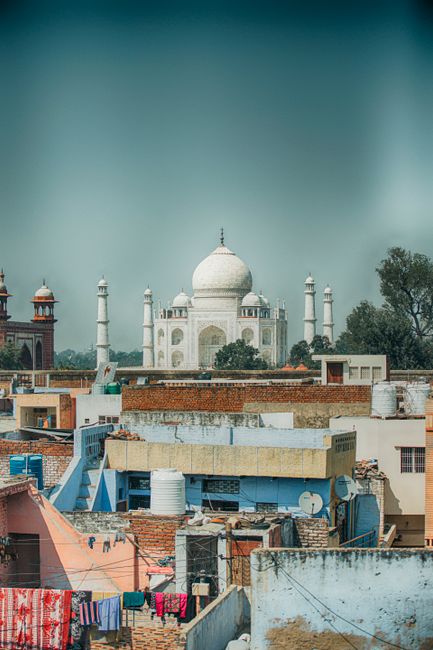
Agra Travel Guide
Plan a trip to Agra: Taj Ganj, Fatehabad Road and the Cantonment and where to stay, the Taj Mahal with ticket prices, the mausoleum…
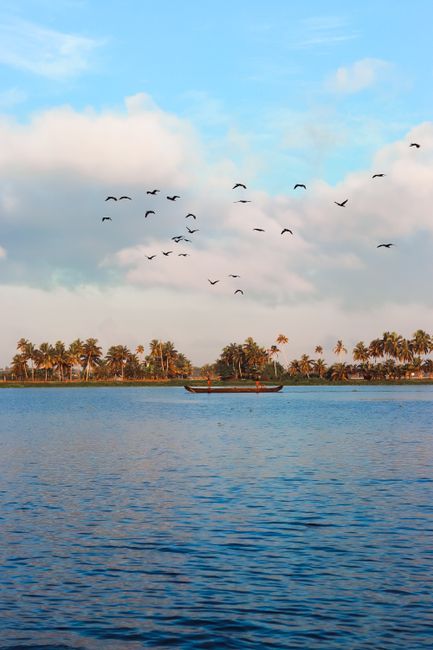
Alappuzha Travel Guide
Plan a trip to Alappuzha (Alleppey): the town, Punnamada and Vembanad Lake, Kuttanad and Marari and where to stay, houseboat cruises and how to…
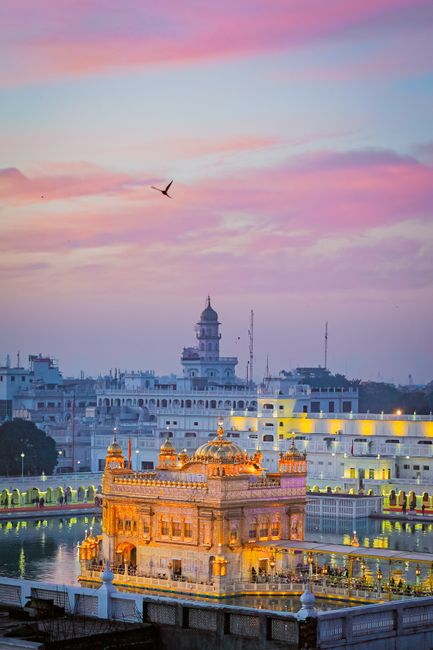
Amritsar Travel Guide
Plan a trip to Amritsar: the Golden Temple area, Heritage Street and Lawrence Road and where to stay, visiting Sri Harmandir Sahib by day…
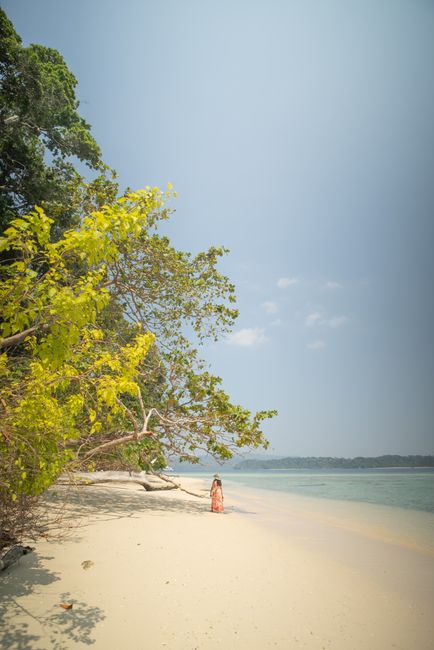
Andaman Islands Travel Guide
Plan a trip to the Andaman Islands: Restricted Area Permit rules for foreigners, closed tribal areas, Sri Vijaya Puram (Port Blair), Swaraj Dweep (Havelock)…
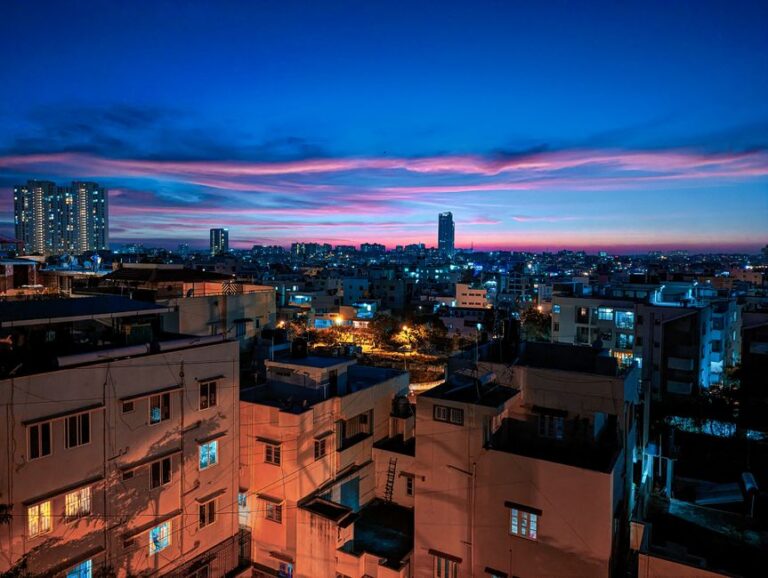
Bengaluru Travel Guide
Plan a trip to Bengaluru: MG Road, the old city, Basavanagudi, Malleswaram, Indiranagar and where to stay, Lalbagh and Cubbon Park, Tipu Sultan's Summer…
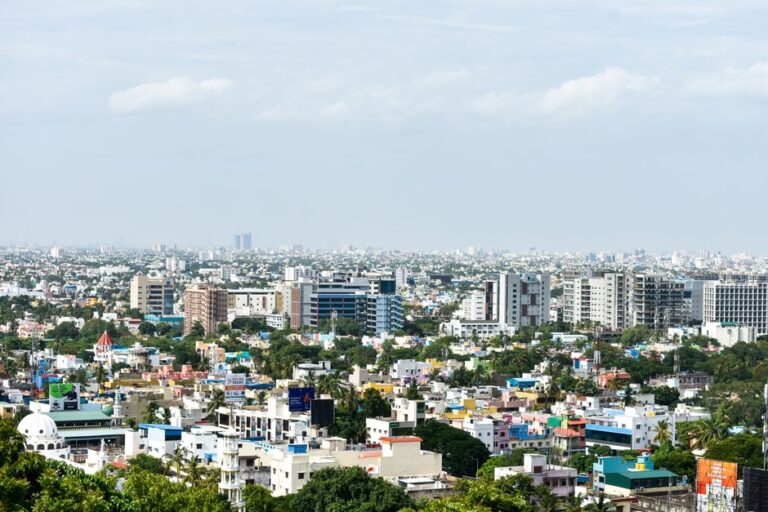
Chennai Travel Guide
Plan a trip to Chennai: George Town, Egmore, Mylapore, T. Nagar and Besant Nagar and where to stay, Fort St. George and the Fort…
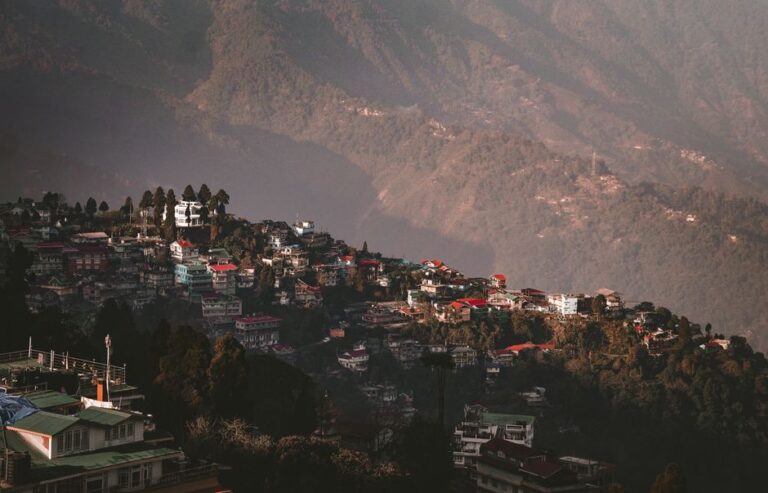
Darjeeling Travel Guide
Plan a trip to Darjeeling: Chowrasta and the Mall, Gandhi Road, Hill Cart Road, Ghoom and tea estates and where to stay, the Darjeeling…
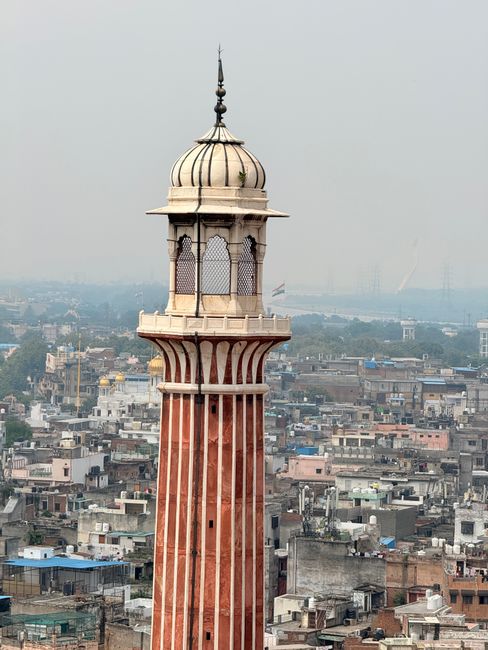
Delhi Travel Guide
Plan a trip to Delhi: Old Delhi, Connaught Place, Paharganj and south Delhi and where to stay, the Red Fort, Jama Masjid and Chandni…
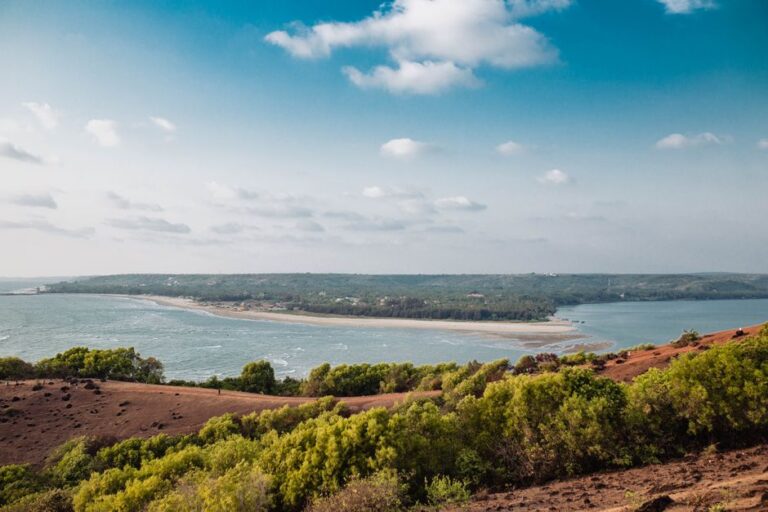
Goa Travel Guide
Plan a trip to Goa: North Goa from Calangute and Baga to Anjuna, Vagator and Arambol, South Goa from Colva to Palolem and Agonda,…
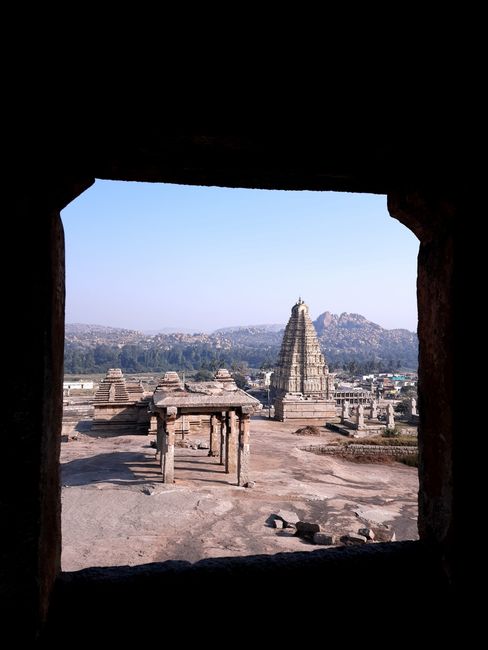
Hampi Travel Guide
Plan a trip to Hampi: Hampi Bazaar, the Royal Centre, Kamalapur, Virupapur Gadde, Anegundi and Hosapete and where to stay, the ASI ticket, Virupaksha…
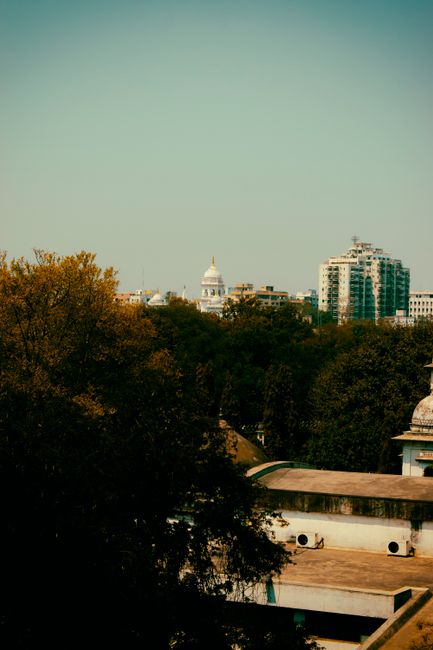
Hyderabad Travel Guide
Plan a trip to Hyderabad: the Old City, Abids, Banjara Hills, HITEC City and Secunderabad and where to stay, Charminar and Golconda Fort tickets,…
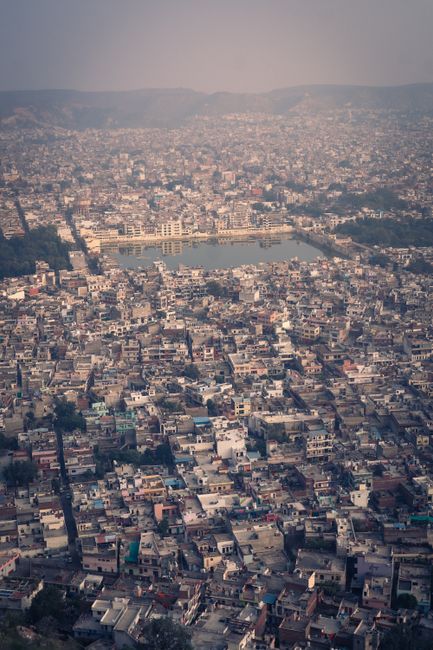
Jaipur Travel Guide
Plan a trip to Jaipur: the Pink City, Bani Park, C-Scheme and palace hotels and where to stay, Amber Fort, the City Palace, Hawa…
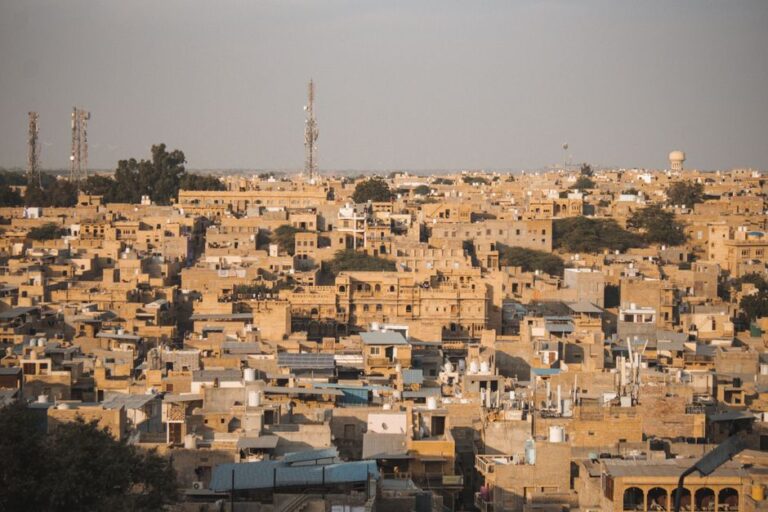
Jaisalmer Travel Guide
Plan a trip to Jaisalmer: staying inside the fort, the old town, Sam Road and desert camps at Sam and Khuri, Jaisalmer Fort and…
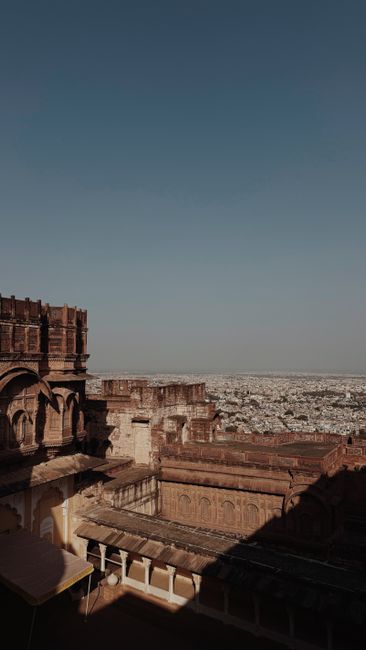
Jodhpur Travel Guide
Plan a trip to Jodhpur: the old city, the blue lanes of Navchokiya and Brahmpuri, Ratanada and palace hotels and where to stay, Mehrangarh…
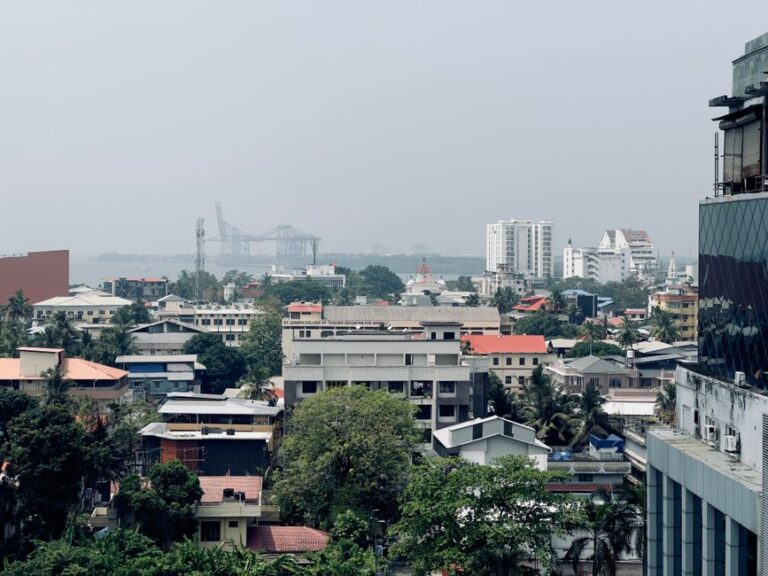
Kochi Travel Guide
Plan a trip to Kochi: Fort Kochi, Mattancherry, Ernakulam and the islands and where to stay, the Chinese fishing nets, St. Francis Church, Mattancherry…
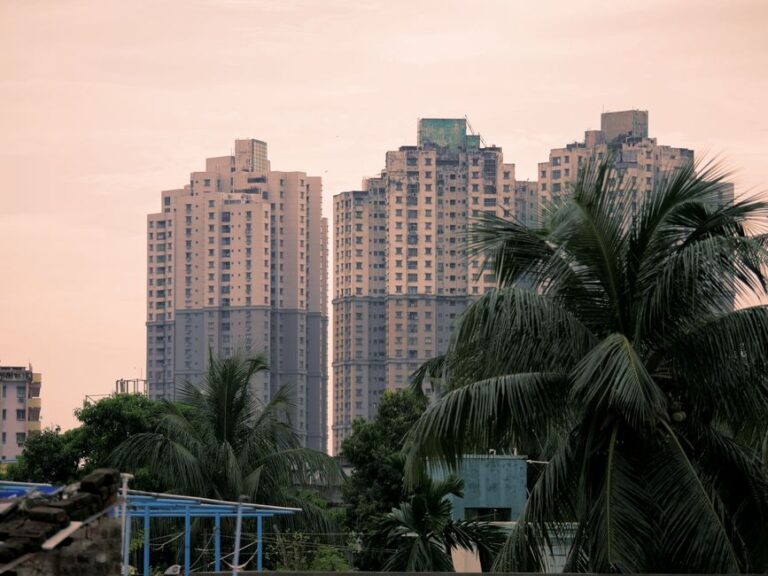
Kolkata Travel Guide
Plan a trip to Kolkata: Park Street, Sudder Street, BBD Bagh, North and South Kolkata and where to stay, Victoria Memorial tickets and hours,…
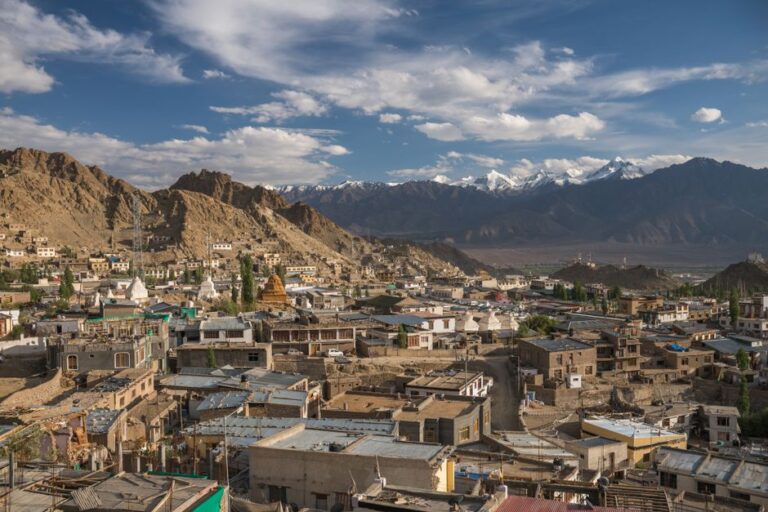
Leh Travel Guide
Plan a trip to Leh: the Main Bazaar, Changspa and the Indus Valley villages and where to stay, Leh Palace, Shanti Stupa and the…
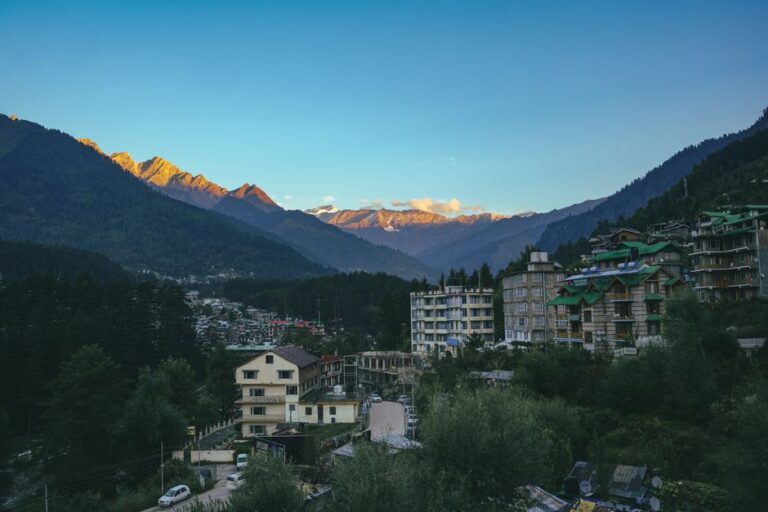
Manali Travel Guide
Plan a trip to Manali: the Mall Road, Old Manali, Vashisht and Hadimba and where to stay, the Hadimba Devi temple, hot springs, Solang…
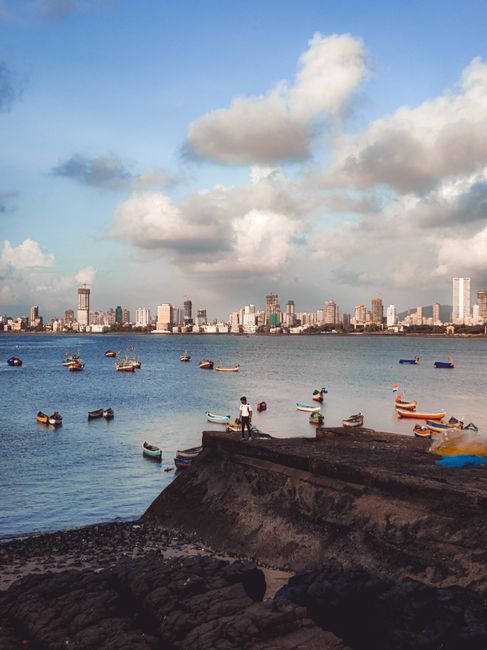
Mumbai Travel Guide
Plan a trip to Mumbai: Colaba, Fort and Kala Ghoda, Marine Drive, Bandra and Juhu and where to stay, the Gateway of India, Chhatrapati…
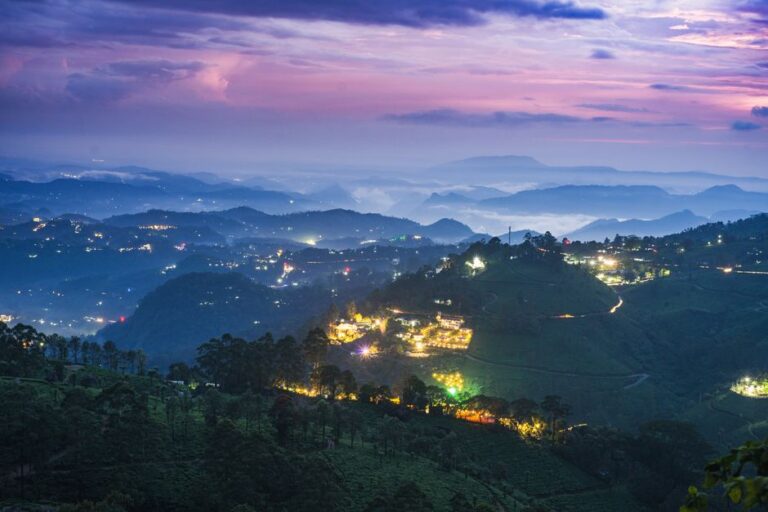
Munnar Travel Guide
Plan a trip to Munnar: the town, Old Munnar, Pallivasal, Mattupetty and Chinnakanal and where to stay, Eravikulam National Park tickets, hours and the…
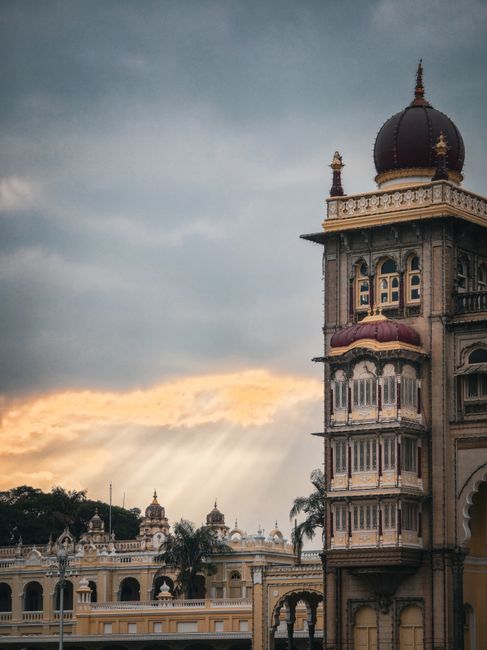
Mysuru Travel Guide
Plan a trip to Mysuru: the palace area, Devaraja Market, Gokulam and where to stay, Mysuru Palace hours and illuminations, Mysuru Dasara 2026 dates,…
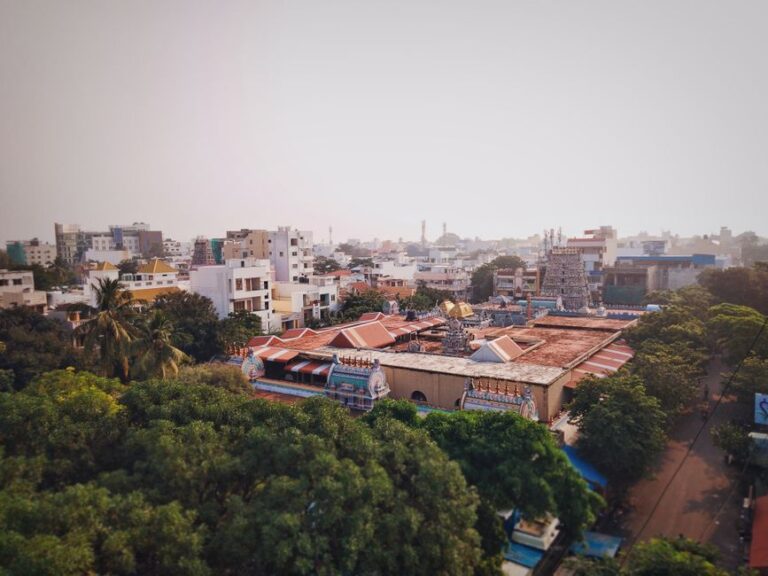
Puducherry Travel Guide
Plan a trip to Puducherry: the French Quarter, the Tamil Quarter and Auroville and where to stay, the Promenade, the Sri Aurobindo Ashram, Auroville…
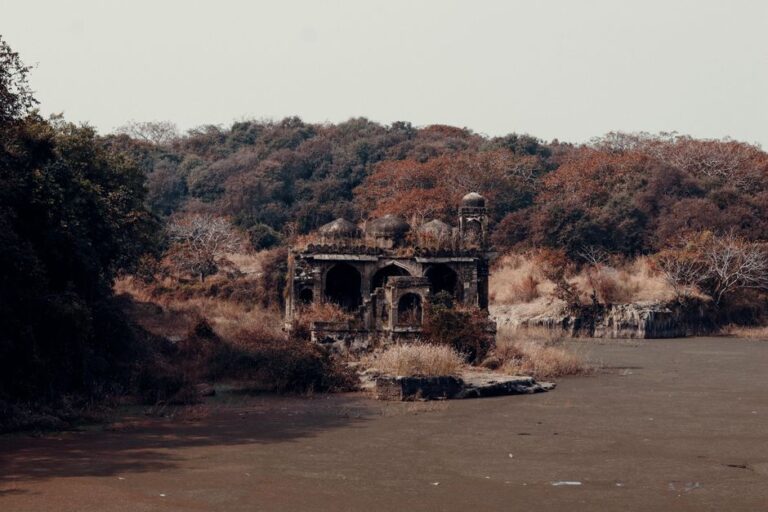
Ranthambore National Park Travel Guide
Plan a visit to Ranthambore National Park: the ten safari zones, Gypsy or canter, booking on the Rajasthan Forest Department's official portal, safari fees…
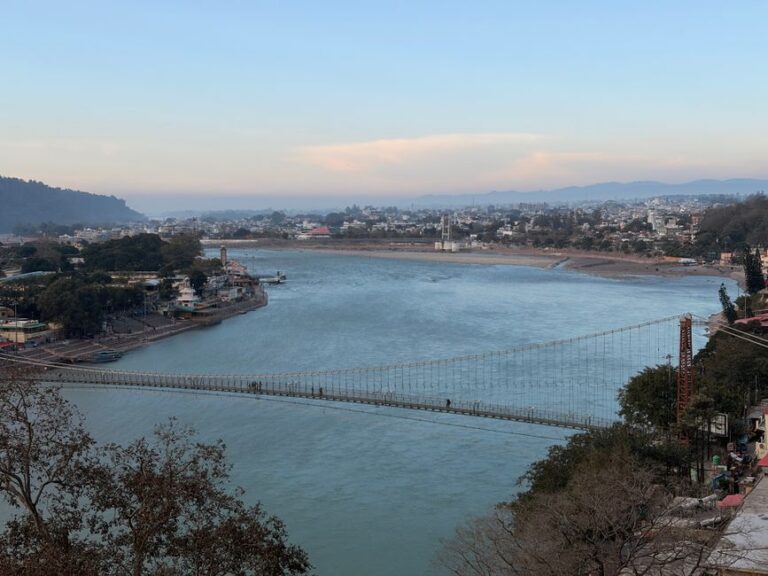
Rishikesh Travel Guide
Plan a trip to Rishikesh: Laxman Jhula and Tapovan, Ram Jhula and Swarg Ashram, Muni ki Reti and riverside camps and where to stay,…
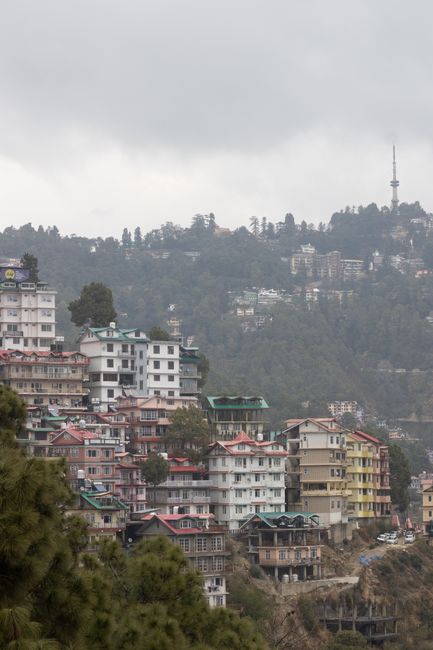
Shimla Travel Guide
Plan a trip to Shimla: the Mall and the Ridge, Lakkar Bazaar, Chhota Shimla, Summer Hill and Mashobra and where to stay, Christ Church,…
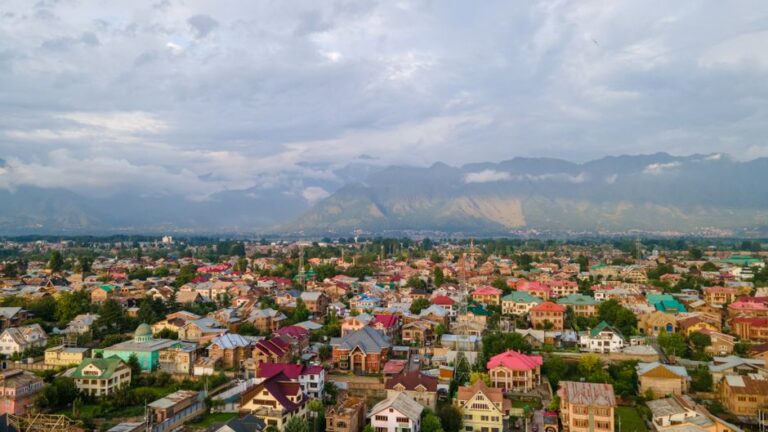
Srinagar Travel Guide
Plan a trip to Srinagar: Dal Lake and Nigeen Lake houseboats, the Boulevard and Rajbagh and where to stay, shikara rides and rates, the…
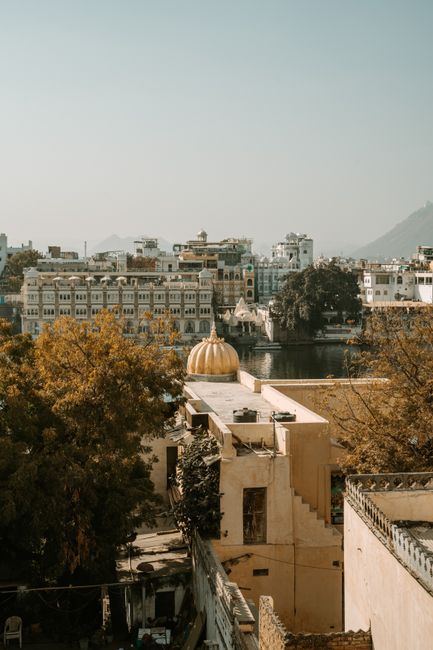
Udaipur Travel Guide
Plan a trip to Udaipur: Lal Ghat, Gangaur Ghat, Hanuman Ghat and Fateh Sagar and where to stay, the City Palace, Lake Pichola boat…
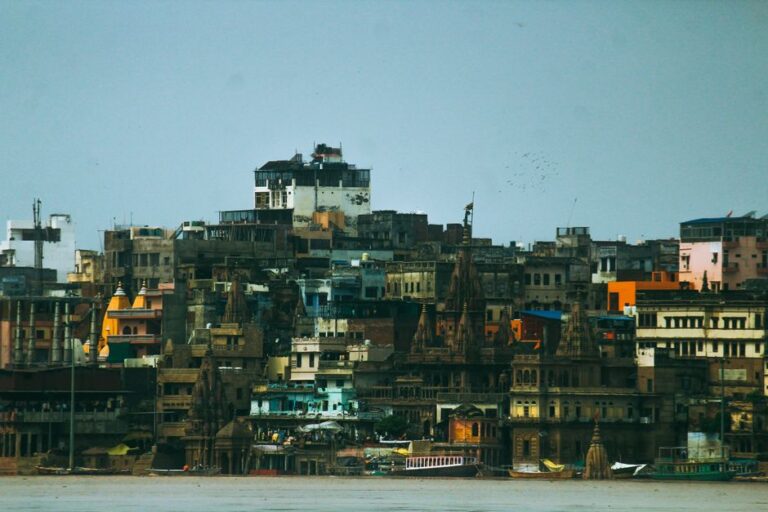
Varanasi Travel Guide
Plan a trip to Varanasi: the old city, Assi Ghat and the Cantonment and where to stay, a sunrise boat ride on the Ganges,…
Best time to visit India
India’s weather is dominated by the monsoon, and conditions vary enormously from region to region, but the country has three broad seasons. The cool season, from October to March, is the best time for most of India: dry, sunny and warm in the plains and the south, with cold nights and fog in the north in December and January. The hot season, from April to June, brings temperatures above 40 °C (104 °F) to the northern plains and Rajasthan; this is the time for the Himalayan hill stations and Ladakh. The southwest monsoon reaches Kerala in early June and sweeps north to cover the country by mid-July, bringing heavy rain until September; it is the best season in the rain-shadow of Ladakh. Tamil Nadu and the southeast coast get most of their rain from the northeast monsoon in October to December.
The table shows rounded averages from the 1991–2020 climate normals of the India Meteorological Department (IMD), as published by the World Meteorological Organization (WMO), for a station in each main travel area.
| Area (station) | January high / low | July high / low | Rain a year | Wettest months |
|---|---|---|---|---|
| North: New Delhi (Safdarjung) | 20 °C (68 °F) / 8 °C (46 °F) | 36 °C (96 °F) / 28 °C (82 °F) | about 760 mm (30 in) | July and August |
| Rajasthan: Jaipur | 22 °C (72 °F) / 8 °C (47 °F) | 35 °C (95 °F) / 26 °C (79 °F) | about 600 mm (24 in) | July and August |
| Ganges plain: Varanasi | 22 °C (71 °F) / 9 °C (48 °F) | 34 °C (93 °F) / 27 °C (80 °F) | about 990 mm (39 in) | July and August |
| West coast: Mumbai (Santacruz) | 31 °C (88 °F) / 17 °C (62 °F) | 30 °C (87 °F) / 26 °C (78 °F) | about 2,500 mm (98 in) | June to August |
| Goa: Panaji | 32 °C (90 °F) / 20 °C (68 °F) | 29 °C (85 °F) / 24 °C (76 °F) | about 2,980 mm (117 in) | June and July |
| Kerala: Kochi airport | 34 °C (93 °F) / 21 °C (69 °F) | 30 °C (86 °F) / 23 °C (74 °F) | about 2,950 mm (116 in) | June and July |
| Southeast: Chennai (Nungambakkam) | 30 °C (85 °F) / 22 °C (71 °F) | 36 °C (96 °F) / 27 °C (80 °F) | about 1,380 mm (54 in) | October and November |
| East: Kolkata (Alipore) | 26 °C (78 °F) / 14 °C (58 °F) | 32 °C (90 °F) / 27 °C (80 °F) | about 1,810 mm (71 in) | July and August |
| Hills: Shimla, 2,270 m (7,450 ft) | 11 °C (53 °F) / 3 °C (37 °F) | 23 °C (74 °F) / 16 °C (62 °F) | about 1,490 mm (59 in) | July and August |
| High desert: Leh, 3,510 m (11,520 ft) | 2 °C (35 °F) / −13 °C (8 °F) | 28 °C (83 °F) / 16 °C (61 °F) | about 35 mm (1.4 in) | July and August |
India month by month
| Month | Weather | Highlights | Crowds and prices |
|---|---|---|---|
| January | Cool and sunny in the south; cold nights and fog in the north; snow in the Himalaya | Republic Day (January 26); kite festivals; Jaipur Literature Festival; peak beach season | High |
| February | Warm and dry across most of the country | Desert festivals in Rajasthan; Goa Carnival in some years; Maha Shivaratri | High |
| March | Warming up; still pleasant in the south and hills | Holi, the festival of colors; last of the cool season | Moderate to high |
| April | Hot in the plains; pleasant in the hills | Baisakhi in Punjab; hill-station season opens | Moderate; busy in the hills |
| May | Very hot in the north; humid on the coasts | Himalayan treks; Ladakh’s roads begin to open | Low in the plains, high in the hills |
| June | Monsoon reaches Kerala and Mumbai; extreme heat in the north before it arrives | Ladakh season; green Western Ghats | Low |
| July | Monsoon across most of India; heavy rain on the west coast | Ladakh and Spiti; Kerala’s Ayurveda season | Low |
| August | Wet; floods and landslides in places | Independence Day (August 15); Nehru Trophy Boat Race; Onam in some years | Low |
| September | Rains easing in the north; Ganesh Chaturthi in Mumbai | Navratri in some years; Ladakh’s last weeks | Rising |
| October | Dry and warm in most regions; northeast monsoon begins in the southeast | Dussehra, Durga Puja in Kolkata; Diwali in some years; season opens | High |
| November | Dry, clear and pleasant; air quality worsens in Delhi | Diwali or Dev Deepawali; Pushkar Camel Fair; Guru Nanak’s birthday | High |
| December | Cool in the north, warm in the south; foggy mornings in the plains | Christmas in Goa and Kerala; New Year | Very high; book ahead |
The monsoon, heat and fog
The monsoon is a blessing for farmers and a challenge for travelers: from June to September, intense downpours flood city streets, landslides block mountain roads in the Himalaya and the Western Ghats, and rivers such as the Ganges and Brahmaputra burst their banks; Kerala suffered its worst floods in a century in 2018. Trains and flights run, but with delays. The hot season before it is dangerous in its own way, with heat waves above 45 °C (113 °F) in the northern plains, when sightseeing is best confined to early mornings. In December and January, dense fog in the north often delays flights and trains for hours, and in Delhi and the Ganges plain, winter smog pushes air quality to some of the worst levels in the world.
Festivals and holidays
India’s festival calendar is extraordinarily rich, and most Hindu, Muslim, Sikh and Buddhist festivals follow lunar calendars, so dates move from year to year.
- Diwali: the festival of lights, in October or November, when homes and streets are lit with oil lamps and fireworks; India’s biggest holiday, with heavy travel around it.
- Holi: the spring festival of colors, in March, celebrated with colored powder and water, especially in the north and in Mathura and Vrindavan.
- Durga Puja and Dussehra: in September or October; Kolkata’s Durga Puja is one of the world’s great street festivals.
- Ganesh Chaturthi: in August or September, with giant idols of Ganesh carried to the sea in Mumbai.
- Eid al-Fitr and Eid al-Adha: the main Muslim festivals, marked with prayers and feasts.
- Onam: Kerala’s harvest festival, in August or September, with snake-boat races and feasts.
- Republic Day and Independence Day: January 26 and August 15, with parades in Delhi; some monuments close or restrict access around them.
- Pushkar Camel Fair: in October or November, in the Rajasthan desert town of Pushkar.
How long to stay: sample itineraries
- 7 days: the Golden Triangle: Delhi (2 nights), Agra (1) and Jaipur (2), with Fatehpur Sikri on the way, and a final night in Delhi.
- 10 days: the Golden Triangle plus Varanasi (2 nights) by train or plane, or plus Udaipur (2 nights).
- 14 days: Delhi, Agra, Jaipur, Udaipur and Varanasi; or Delhi and Amritsar, then the Golden Triangle; or a southern loop of Mumbai (2), Goa (4), Kochi (3) and Alappuzha (1 on a houseboat), with Munnar (2).
- Three weeks: the Golden Triangle, Udaipur, Varanasi and Amritsar in the north, with a week in Kerala or Goa to finish.
- A month or more: Rajasthan’s desert cities, Rishikesh and the Himalaya in the north, then south to Hampi, Kerala and Tamil Nadu.
Entry, money and costs
Visas (last reviewed October 2026)
Almost all visitors need a visa. Citizens of Nepal and Bhutan do not, and citizens of the Maldives can visit visa-free for up to 90 days; according to the Bureau of Immigration, citizens of Japan, South Korea and the United Arab Emirates can get a visa on arrival for up to 60 days at certain major airports (UAE citizens only if they have held an Indian visa before).
Most other nationalities can apply online for an e-Visa, through the only official website, indianvisaonline.gov.in; the government stresses that no agent can speed up the process and that it charges no “express” fee. The e-Tourist Visa comes in three versions:
- 30-day e-Tourist Visa: valid for 30 days from the date of first arrival, with multiple entries; it cannot be extended or converted.
- 1-year e-Tourist Visa: valid for 365 days from the date of grant, with multiple entries.
- 5-year e-Tourist Visa: valid for five years from the date of grant, with multiple entries.
On the 1-year and 5-year visas, you may stay a maximum of 180 days in India per calendar year. Fees depend on your nationality: according to the e-Visa fee schedule dated September 8, 2026, most countries, including Canada, Australia and the EU countries, pay US$25 for the 30-day visa (US$10 from April to June), US$40 for 1 year and US$200 for 5 years; US citizens pay US$160 for the 5-year visa and UK citizens US$484, and a 3% bank charge is added. There are also e-Business, e-Medical, e-Conference and other e-Visas. Apply at least 4 days and no more than 120 days before you arrive, with a passport valid for at least six months, a photo and a scan of your passport; carry an onward or return ticket. The fee is not refundable if the visa is refused.
e-Visa holders must arrive through one of the designated international airports, which include Delhi, Mumbai, Navi Mumbai, Chennai, Kolkata, Bengaluru, Hyderabad, Kochi, Thiruvananthapuram, both Goa airports, Jaipur, Amritsar, Varanasi and about 20 others, or one of the listed seaports for cruise passengers; Udaipur and Agra are not on the list. You can leave from any authorized immigration checkpost.
The e-Arrival card
According to the Bureau of Immigration, foreigners and Overseas Citizens of India (OCI) cardholders can complete the e-Arrival card online within 72 hours before arrival, on the Bureau of Immigration or e-Visa website or the official “Indian Visa Su-Swagatam” mobile app. It is free and records arrival information; it is not a visa. Fill it in only on the official sites.
Monument tickets
India’s most famous monuments are protected by the Archaeological Survey of India (ASI), which charges foreigners higher prices than Indian citizens, with discounts for citizens of the SAARC and BIMSTEC countries of South Asia. On the ASI’s online booking site, foreigners pay ₹550 at World Heritage Sites such as the Red Fort, Qutub Minar, Humayun’s Tomb, Agra Fort, Fatehpur Sikri and Elephanta, and ₹250 at many other ticketed monuments; tickets bought in cash at the gate cost a little more, and children under 15 enter free. The Taj Mahal costs foreigners ₹1,100 at the window or ₹1,050 online, including a local development fee, plus ₹200 for the main mausoleum, and is closed on Fridays. Many forts and palaces are run by state governments or former royal families, such as Amber Fort and the City Palace in Jaipur, and set their own prices.
Customs
Visitors may bring personal effects duty-free. Exporting antiques more than 100 years old requires a certificate from the ASI, and wildlife products, such as ivory, shahtoosh shawls and coral, are banned. Indian rupees may not be taken out of the country in large amounts. Drug offenses carry long prison sentences. Flying a drone requires registration and permission, and drones are banned at many monuments, including the Taj Mahal.
Money and cards
The currency is the Indian rupee (₹, INR). On October 1, 2026, the Reserve Bank of India’s reference rate was about ₹96 to the US dollar; prices on this site use that rate. ATMs are everywhere in cities and towns, though they often limit withdrawals to ₹10,000 per transaction and charge foreign cards a fee. Credit and debit cards are accepted in hotels, upmarket restaurants and shops, but India runs on UPI, an instant mobile payment system that even street stalls use; some prepaid wallets now let foreign visitors use it. Carry cash for small purchases, autos and rural areas, and change money only at banks and authorized exchangers.
Tipping
Tipping is customary but modest. In restaurants without a service charge, leave about 10%; round up taxi and auto fares; and tip guides, drivers and hotel porters. For a car and driver, ₹300–500 a day is common at the end of the trip.
What a trip costs
Prices are approximate, for October 2026, converted at about 96 rupees (₹) to the US dollar.
| Item | Typical cost |
|---|---|
| Thali (set meal) in a local restaurant | ₹150–400 (about US$1.50–4) |
| Street snack or chai | ₹10–80 (about US$0.10–0.80) |
| Dinner in a mid-range restaurant | ₹800–2,000 (about US$8–21) per person |
| Taj Mahal, foreigners, with the mausoleum | ₹1,300 (about US$13.50) |
| Other ASI World Heritage Sites, foreigners, online | ₹550 (about US$5.70) |
| Metro ride in Delhi or Mumbai | ₹20–60 (about US$0.20–0.60) |
| Air-conditioned train, Delhi to Agra or Jaipur | ₹700–2,500 (about US$7–26) |
| Car and driver, per day | ₹3,000–5,000 (about US$31–52) |
| Mid-range hotel double, per night | ₹4,000–12,000 (about US$42–125) |
A comfortable mid-range trip costs roughly ₹8,000–15,000 (about US$83–156) per person per day, sharing a double room, with a car and driver for part of the time; backpackers using guesthouses, local food and trains can manage on ₹2,500–4,000 (about US$26–42). Luxury palace hotels and private tours cost much more.
Getting there and getting around
Airports
India’s main international gateways are Delhi (DEL) and Mumbai (BOM), followed by Bengaluru, Chennai, Hyderabad, Kolkata and Kochi, with direct flights from Europe, North America, the Gulf, East and Southeast Asia and Australia. Many travelers fly in through the Gulf hubs. Goa, Amritsar, Jaipur, Varanasi and Thiruvananthapuram also have international flights. Expect long immigration queues at night, when many long-haul flights land.
Land borders
The main land crossings open to foreign travelers are with Nepal, at Sunauli–Bhairahawa (for Varanasi and Lumbini), Raxaul–Birgunj and Panitanki–Kakarbhitta (near Darjeeling); with Bhutan, at Jaigaon–Phuentsholing; and with Bangladesh, at Petrapole–Benapole near Kolkata and several other points. e-Visa holders may enter only through designated airports and seaports, so check your visa type before planning an overland arrival. The Attari–Wagah crossing to Pakistan has been closed to most travelers since 2025. See our Nepal and Bhutan travel guides.
Trains
Indian Railways is one of the world’s largest networks and the best way to travel between cities. Classes range from crowded unreserved coaches to sleeper class, air-conditioned three-tier and two-tier sleepers, first-class AC cabins and air-conditioned chair cars. The new Vande Bharat Express trains, with fast, modern chair cars, now link Delhi with Agra, Jaipur, Varanasi, Amritsar and other cities, and Mumbai with Goa. Book through IRCTC, the railways’ official booking site and app, where foreign visitors can register with an international mobile number and email; a small foreign tourist quota is reserved on many popular trains. Indian Railways runs International Tourist Bureaus for foreign visitors in eleven cities, including New Delhi (open around the clock), Agra Cantonment, Jaipur, Varanasi and Mumbai. Popular trains sell out weeks in advance, especially around festivals; the old Indrail passes were discontinued in 2017.
Domestic flights
Low-cost and full-service airlines link all major cities, often cheaply if booked ahead, and save long journeys between north and south: Delhi to Goa or Kochi takes 2½ to 3 hours by air, compared with more than a day by train. Fog disrupts northern airports in December and January.
Buses, cars and city transport
State and private buses reach almost every town, from basic local services to air-conditioned sleeper coaches. Hiring a car with a driver is affordable and common for touring Rajasthan and the Golden Triangle; self-drive rental is possible, but few first-time visitors choose it, as traffic is chaotic. Indians drive on the left. In the cities, use the metro in Delhi, Mumbai, Bengaluru, Chennai, Kolkata, Kochi and Jaipur; app-based cabs such as Uber, Ola and Rapido; and auto-rickshaws, agreeing the fare or insisting on the meter. Kochi also has India’s first Water Metro.
World Heritage Sites, national parks and wildlife
India has more than 40 UNESCO World Heritage Sites, among them:
- Mughal monuments: the Taj Mahal, Agra Fort and Fatehpur Sikri (see our Agra guide), and the Red Fort, Humayun’s Tomb and Qutub Minar in Delhi.
- Rajasthan: the walled city of Jaipur, its Jantar Mantar observatory and the Hill Forts of Rajasthan, including Amber, Kumbhalgarh and Chittorgarh (see our Jaipur and Udaipur guides).
- Mumbai: Chhatrapati Shivaji Maharaj Terminus, the Victorian Gothic and Art Deco ensembles and the Elephanta Caves (see our Mumbai guide).
- Goa: the Churches and Convents of Goa (see our Goa guide).
- Cave temples and ruined cities: Ajanta and Ellora, Hampi, Khajuraho, Konark’s Sun Temple and the Great Living Chola Temples.
- Natural sites: Kaziranga, the Sundarbans, the Western Ghats and the Nanda Devi and Valley of Flowers national parks.
India is also one of the best places in the world to see wild tigers, in reserves such as Ranthambore, Bandhavgarh, Kanha and Corbett, along with Asian elephants, one-horned rhinos at Kaziranga and Asiatic lions in Gujarat’s Gir forest. Safaris are run by jeep or canter in fixed time slots and must be booked in advance through the parks’ official booking systems; most parks close from about July to September for the monsoon.
Culture, food and everyday etiquette
Food
Indian food varies enormously from region to region. In the north, wheat breads such as roti, naan and paratha accompany rich curries, dal and tandoori dishes; Delhi and Punjab are famous for butter chicken, dal makhani and chole bhature, and Rajasthan for dal baati churma. In the south, rice is the staple, with dosa, idli and sambar for breakfast, coconut-based seafood curries in Kerala and Goa, and the vegetarian feasts served on banana leaves. Everywhere, try the thali, a set meal of small dishes; chaat, tangy street snacks; biryani; and sweet milky chai. Many Indians are vegetarian, and vegetarian food is superb; beef is rarely served outside Kerala, Goa and the northeast, and pork is uncommon in much of the country. Alcohol is banned in a few states, such as Gujarat and Bihar, and not served near many temples. Drink bottled, boiled or filtered water.
Etiquette
Greet people with “namaste,” palms pressed together; handshakes are common among men in business. Dress modestly, especially away from the beaches: cover shoulders and knees, and women will feel more comfortable in loose clothes and with a scarf. Remove your shoes before entering homes, temples, mosques and gurdwaras, cover your head in gurdwaras and some mosques, and ask before photographing people or the inside of temples; some temples are open only to Hindus. Use your right hand to eat, give and receive; avoid pointing your feet at people or shrines; and keep public displays of affection discreet. Bargaining is normal in markets, but keep it good-humored.
Safety, health and connectivity
India is generally safe for visitors, and violent crime against tourists is uncommon, but the main risks are practical. These are the things to know:
- Heat: from April to June, temperatures above 40 °C (104 °F) are common in the north and center, with heat waves above 45 °C (113 °F); drink plenty of water, avoid the midday sun and watch for signs of heat exhaustion.
- Monsoon: from June to September, floods, landslides and waterlogged streets disrupt travel, especially on the west coast and in the hills; follow local news and the weather department’s alerts.
- Air quality: from late October to January, Delhi and the Ganges plain often record “very poor” or “severe” readings on the Central Pollution Control Board’s Air Quality Index (above 300 on a 500-point scale); people with heart or lung conditions should limit outdoor activity and consider an N95 mask.
- Food and water: stomach upsets are the most common health problem; drink bottled or filtered water, avoid ice and raw food from street stalls, and eat where food is freshly cooked.
- Scams: touts at stations and airports who claim your hotel is closed or your ticket invalid, fake tourist offices, commission shopping and gem-export schemes; book through official websites and offices.
- Women travelers: staring and harassment are common; dress modestly, use women-only metro cars and train compartments where available, prefer app-based cabs with trip sharing, avoid deserted areas after dark, and be cautious about accepting drinks or invitations from strangers.
- Road safety: India has one of the world’s highest road death tolls; traffic is chaotic and night driving dangerous, so use experienced drivers, wear a seatbelt or helmet, and cross streets with care.
- Rivers and the sea: at the Ganges ghats in Varanasi and other holy towns, steps are slippery, currents are strong and the water is polluted, so do not swim; on the coasts, rip currents are dangerous, so swim only in patrolled zones and never in the monsoon.
- Altitude: Leh, in Ladakh, lies at about 3,500 m (11,500 ft); allow two or three days to acclimatize before exerting yourself.
- Health: dengue and malaria occur, especially during and after the monsoon, so use insect repellent; rabies is present, so avoid touching dogs and monkeys; consult a travel health clinic about vaccinations before you go.
- Emergencies: call 112, the national emergency number, for police, ambulance and fire.
Mobile coverage is excellent in cities and along main roads, and data is cheap. Tourist SIM cards from Airtel, Jio and Vi are sold at major airports and phone shops with your passport, visa and a photo, and eSIMs are increasingly available.
Things to do: monuments, temples, beaches and wildlife
Watch the sunrise over the Taj Mahal; explore the forts and palaces of Rajasthan; take a boat on the Ganges at dawn in Varanasi; share a meal in the Golden Temple’s langar; cruise the Kerala backwaters on a houseboat; laze on the beaches of Goa; search for tigers in Ranthambore; trek in the Himalaya; practice yoga in Rishikesh; and eat your way through street-food markets from Delhi to Mumbai. See our city sightseeing, beaches, boat trips and hiking guides, and our rain jackets and travel adapters guides for what to bring.
India travel FAQ
Do I need a visa to visit India?
Yes, unless you are a citizen of Nepal, Bhutan or the Maldives. Most nationalities can apply online for an e-Tourist Visa at indianvisaonline.gov.in, valid for 30 days, 1 year or 5 years.
How much does the Indian e-Visa cost?
It depends on your nationality. For most countries, the 30-day e-Tourist Visa costs US$25 (US$10 from April to June), the 1-year visa US$40 and the 5-year visa US$200, plus a 3% bank charge. US citizens pay US$160 for 5 years and UK citizens US$484.
How early should I apply for the e-Visa?
At least 4 days and up to 120 days before arrival, only on the official website. Your passport must be valid for at least six months.
What is the e-Arrival card?
A free online arrival form that foreigners and OCI cardholders can complete within 72 hours before arriving in India, on the Bureau of Immigration or e-Visa website or the official app. It is not a visa.
What is the best time to visit India?
October to March for most of the country, especially Rajasthan, the Golden Triangle, Goa and Kerala. April to June is very hot in the plains but good for the Himalaya, and the monsoon lasts from June to September.
Where should I go on a first trip to India?
The Golden Triangle of Delhi, Agra and Jaipur, adding Varanasi or Udaipur; or, for a gentler introduction, Kerala and Goa in the south.
How much does it cost to visit the Taj Mahal?
Foreigners pay ₹1,100 at the window or ₹1,050 online, plus ₹200 to enter the main mausoleum. The Taj Mahal is closed on Fridays.
Can foreigners book Indian trains online?
Yes. Register on IRCTC, the railways’ official booking site and app, with an international mobile number and email. Popular trains sell out early, and a foreign tourist quota is available on some routes.
How much money do I need per day in India?
Roughly ₹8,000–15,000 (US$83–156) per person per day for a comfortable mid-range trip, and ₹2,500–4,000 (US$26–42) on a backpacker budget.
Can I use credit cards in India?
In hotels, upmarket restaurants and shops, yes. Smaller businesses prefer cash or UPI mobile payments, so carry rupees for daily expenses.
Is India safe for tourists?
Generally, yes. The main risks are heat, monsoon floods, winter air pollution, stomach upsets, scams, road accidents and harassment of women; take the usual precautions and use official services.
What is the time difference in India?
India is on UTC+5:30, 10½ hours ahead of New York in winter (9½ hours in summer) and 15 minutes behind Nepal, with no daylight saving time.
Can I combine India with Nepal, Sri Lanka or the Maldives?
Yes. There are frequent flights from Delhi and other cities to Kathmandu, Colombo and Malé, and land crossings to Nepal. See our Nepal, Sri Lanka and Maldives travel guides.
Sources and last review
Researched and last reviewed on 4 October 2026. e-Visa categories, validity, fees (schedule dated September 8, 2026), application windows, passport rules and designated airports and seaports, the e-Arrival card, visa-free entry and visas on arrival: the Bureau of Immigration and its e-Visa website; monument fees: the Archaeological Survey of India’s e-ticket booking site and Uttar Pradesh Tourism’s official Taj Mahal website; International Tourist Bureaus and the end of Indrail passes: Indian Railways; the exchange rate: the Reserve Bank of India (FBIL reference rate); climate normals: the India Meteorological Department, via the World Meteorological Organization (1991–2020 normals archived by NOAA’s National Centers for Environmental Information); area: Wikidata. Population, languages, religion, the number of states, coastline length, UNESCO and park details, land borders, IRCTC registration and the foreign tourist quota, Vande Bharat routes, UPI for visitors, customs rules, festival dates, the AQI scale, emergency numbers and all typical prices are general references or estimates, flagged for checking. Rules and fees change, so check the official sites before you go.
Plugs and power in India
India uses 230 V, 50 Hz and these plugs (left) and wall sockets (right):
All plug types and voltages by country → · Check what you need to pack →
Plan your trip
Partner links: TravelerCenter may earn a commission if you book, at no extra cost to you.
🇮🇳 Useful Hindi phrases for India
All 38 Hindi phrases: restaurant, hotel, emergencies, romance (printable) →