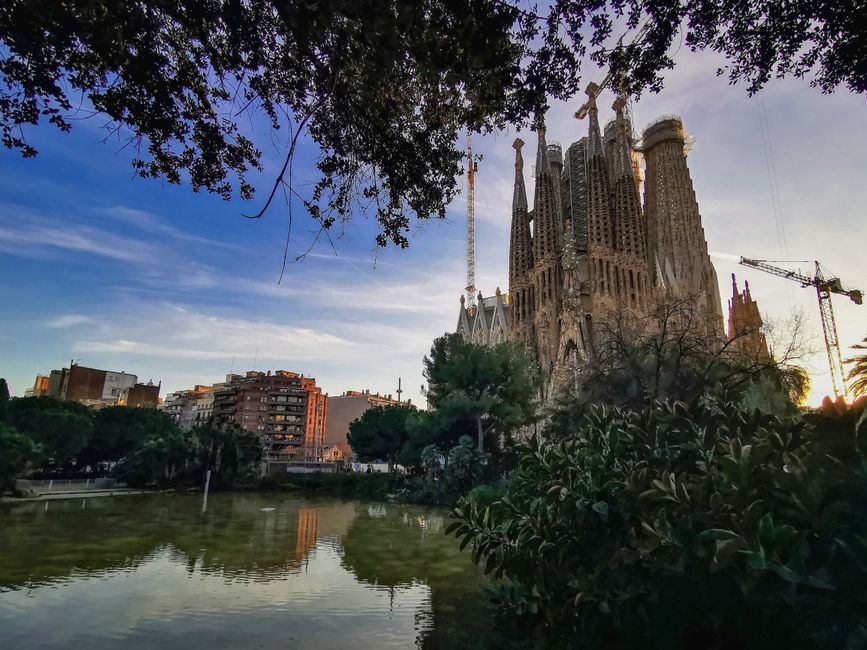
Spain is a country you can come back to again and again and still find something new: late dinners and big art in Madrid, Gaudí and the beach in Barcelona, flamenco, orange trees and Moorish palaces in Andalusia, pintxos bars on the green Basque coast, and two very different sets of islands, the Balearics in the Mediterranean and the Canaries off Africa. Spring and autumn suit most of the mainland; the Canaries are warm all year. Give it 10 days for a first trip, two weeks if you add an island.
Right now in Spain
- Wed 14–22°C 57–72°F 1 mm Mostly clear
- Thu 12–21°C 53–71°F Clear
- Fri 8–20°C 46–68°F Clear
- Fri 9 Oct Day of the Valencian Community (Dia de la Comunitat Valenciana) · only in the Valencian Community
- Mon 12 Oct National Day of Spain (Fiesta Nacional de España)
Weather: MET Norway (CC BY 4.0) · Rates: ECB · Holidays: Nager.Date
Key facts
| Currency | Euro (EUR, €)Source: spain.info · Last reviewed 4 Oct 2026 |
|---|---|
| Languages | Spanish; Catalan, Valencian, Galician, Basque and Aranese (Occitan) are also official in their regionsSource: boe.es · Last reviewed 4 Oct 2026 |
| Plugs and voltage | Type C and F · 230 V, 50 HzSource: spain.info · Last reviewed 4 Oct 2026 |
| Emergency number | 112 (police, ambulance, fire)Source: spain.info · Last reviewed 4 Oct 2026 |
| Driving side | On the rightSource: spain.info · Last reviewed 4 Oct 2026 |
| Tap water | Safe to drink (99.3% of tests met standards in 2024)Source: sanidad.gob.es · Last reviewed 4 Oct 2026 |
| Tipping | Not required. Restaurants: service is included; tipping about 5-10% in bars and restaurants is common but optionalSource: spain.info · Last reviewed 4 Oct 2026 |
| Calling code | +34 (dial 00 for international calls)Source: spain.info · Last reviewed 4 Oct 2026 |
| Time zones | Mainland Spain, Balearic Islands, Ceuta and Melilla: CET (UTC+1), summer CEST (UTC+2); Canary Islands: WET (UTC+0), summer WEST (UTC+1)Source: spain.info · Last reviewed 4 Oct 2026 |
| Entry summary | Schengen area · EU member. See the entry section for rules by passport.Source: home-affairs.ec.europa.eu · Last reviewed 4 Oct 2026 |
Multi-day tours of Spain
Multi-day tours from local operators. You check dates and book on Viator, our partner; we may earn a commission at no extra cost to you. How we earn money
Spain at a glance: overview and geography
Spain covers most of the Iberian Peninsula, sharing it with Portugal to the west, with France and Andorra across the Pyrenees to the north. Much of the interior is a high plateau, the Meseta, which is why Madrid has hot summers and cold winter nights. The coasts are where most people live and holiday: the Atlantic and the Bay of Biscay in the north, the Mediterranean in the east and south. Statistics Spain (INE) put the resident population at about 49.8 million on 1 July 2026, the highest ever recorded.
It is one of the most visited countries on earth. INE counted a record 96.8 million international tourists in 2025, led by visitors from the United Kingdom (19.1 million), France and Germany. Catalonia received the most (about 20.1 million), followed by the Balearic and Canary Islands (about 15.7 million each), Andalusia and the Valencia region.
Time zones: the mainland, the Balearics, Ceuta and Melilla run on Central European Time (UTC+1, UTC+2 in summer). The Canary Islands are an hour behind (UTC+0, UTC+1 in summer), the same as London and Lisbon.
The main regions
- Madrid and central Spain: the capital, plus the historic cities around it (Toledo, Segovia, Ávila, Salamanca, Cuenca), all easy day or overnight trips by fast train.
- Catalonia: Barcelona, the Costa Brava’s coves and fishing villages, Girona, Roman Tarragona, the Penedès and Priorat wine country, and the Pyrenees. Catalan is spoken alongside Spanish.
- Valencia region: the city of Valencia, home of paella and Las Fallas, and the long beaches of the Costa Blanca around Alicante and Benidorm.
- Andalusia: the south of postcards: Seville, the Alhambra in Granada, the Mezquita in Córdoba, white hill villages, sherry in Jerez, and the Costa del Sol around Málaga.
- Green Spain (the north): the Basque Country (San Sebastián, Bilbao), Cantabria, Asturias and Galicia: surf beaches, mountains like the Picos de Europa, cider, seafood and the end of the Camino de Santiago.
- Inland north and Aragon: the Rioja and Ribera del Duero wine regions, Burgos and León cathedrals, Zaragoza and the Aragonese Pyrenees.
- Balearic Islands: Mallorca, Menorca, Ibiza and Formentera in the Mediterranean: coves, sailing, hiking in Mallorca’s Tramuntana mountains, and Ibiza’s famous nightlife.
- Canary Islands: seven volcanic islands off the coast of Africa, including Tenerife (with Mount Teide, Spain’s highest peak), Gran Canaria, Lanzarote and Fuerteventura. Spring-like weather all year.
- Ceuta and Melilla: two small Spanish autonomous cities on the north coast of Africa, bordering Morocco. Few holidaymakers go, but Ceuta is about an hour by fast ferry from Algeciras, and Melilla is reached by ferry from Málaga, Almería or Motril or by short flights.
Regions
- Andalusia
- Aragon
- Asturias
- Balearic Islands
- Basque Country
- Canary Islands
- Cantabria
- Castile and León
- Castilla–La Mancha
- Catalonia
- Ceuta
- Community of Madrid
- Extremadura
- Galicia
- La Rioja
- Melilla
- Navarre
- Region of Murcia
- Valencian Community
Where to go: cities, regions and islands
Most first trips pair Madrid or Barcelona with Andalusia, linked by high-speed train. Then add a beach or an island.
Madrid
The capital is about living well outdoors: long lunches, terraces, evening strolls and dinners that start at 21:00 or later. Days go to some of the world’s great art museums, the Prado, the Reina Sofía (home of Picasso’s Guernica) and the Thyssen, all along one boulevard; the Paseo del Prado and the Retiro park became a UNESCO World Heritage Site in 2021. Read our Madrid guide for neighbourhoods, tickets and day trips to Toledo and Segovia.
Barcelona
Barcelona mixes Gaudí’s fantasy buildings, the Sagrada Família, Park Güell, Casa Batlló, with the medieval lanes of the Gothic Quarter, a city beach at Barceloneta and a food scene that runs from market bars to tasting menus. It also charges Spain’s highest tourist tax, so check our Barcelona guide for 2026 rates, timed tickets and local rules.
Valencia
Spain’s third city is a relaxed favourite: a long sandy beach inside the city, the futuristic City of Arts and Sciences, a riverbed turned into a 9 km park, and real paella in its home town. In March, Las Fallas fills the streets with giant satirical figures that are burned on the last night. See our Valencia guide.
Andalusia: Seville, Granada, Córdoba and Málaga
Seville has the huge Gothic cathedral and Giralda tower, the Real Alcázar palace and the tiled Plaza de España, plus flamenco and tapas in Triana and Santa Cruz. Granada has the Alhambra, the most famous Moorish palace in Europe, with views from the Albaicín quarter to the Sierra Nevada; Alhambra tickets are sold for a fixed time slot and sell out weeks ahead in busy months, so book early on the official site. Córdoba‘s Mosque-Cathedral, with its forest of red-and-white arches, is unforgettable, and in May the town opens its flower-filled patios. Málaga is the gateway to the Costa del Sol, with the Picasso Museum, an Alcazaba fortress and city beaches.
San Sebastián and the Basque coast
San Sebastián (Donostia in Basque) wraps around the shell-shaped La Concha bay. Locals hop between bars for pintxos, small bites piled on the counter, and surfers ride the waves at Zurriola beach. Bilbao, an hour away, has the Guggenheim Museum. Expect green hills and more rain than the south.
The Balearic Islands
Mallorca is the biggest and most varied: Palma’s cathedral and old town, hidden coves, cycling roads and the UNESCO-listed Serra de Tramuntana mountains. Ibiza is famous for its clubs but also has calm beaches, a walled old town and sunset spots; quiet Formentera is a short ferry ride away. Menorca is the gentle one, a UNESCO biosphere reserve with clear-water coves.
The Canary Islands
The Canaries are Europe’s winter sun. Tenerife has the cable car up Mount Teide (3,715 m, in a UNESCO-listed national park), whale and dolphin trips from the south coast and lush valleys in the north. Gran Canaria has the Maspalomas dunes, a lively capital in Las Palmas with a city surf beach, and mountain villages in the middle. Lanzarote is all black lava and white houses; Fuerteventura has endless beaches and wind for kitesurfing; La Palma, La Gomera and El Hierro are green and quiet, made for hiking.
A few more worth your time
Toledo and Segovia as day trips from Madrid; Salamanca for its golden sandstone university town; Girona and the Costa Brava north of Barcelona; Cádiz, Jerez and the white villages of Andalusia; Ronda on its gorge; the Picos de Europa for mountain walks; Santiago de Compostela at the end of the Camino; and Bilbao for the Guggenheim and pintxos.
Alicante Travel Guide
Plan a trip to Alicante: the Castillo de Santa Bárbara with its lift and 2026 hours, the Explanada, the old town and Santa Cruz…
Barcelona Travel Guide
Plan a trip to Barcelona: the Sagrada Família in its Gaudí centenary year, Park Güell, the Gothic Quarter, the best neighbourhoods and beaches, Montserrat…
Benidorm Travel Guide
Plan a trip to Benidorm: the Levante and Poniente beaches and their rules, the old town and Balcón del Mediterráneo, the Serra Gelada and…
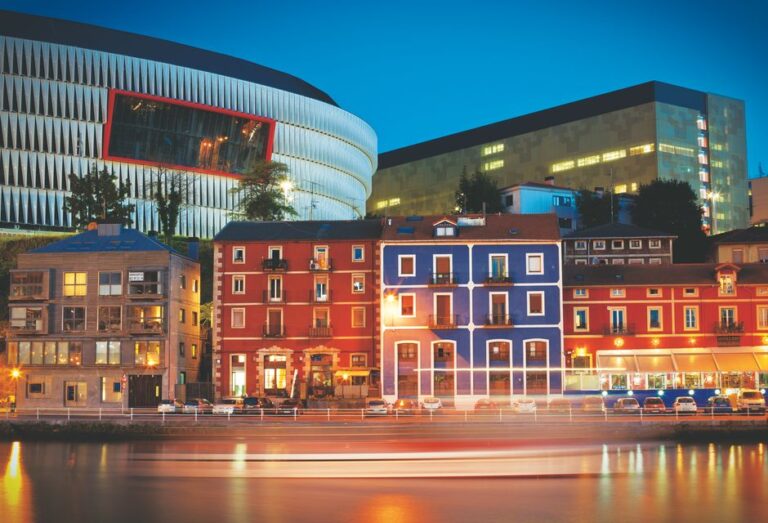
Bilbao Travel Guide
Plan a trip to Bilbao: the Guggenheim and the reopened Fine Arts Museum with 2026 prices and hours, the Casco Viejo and pintxos bars,…
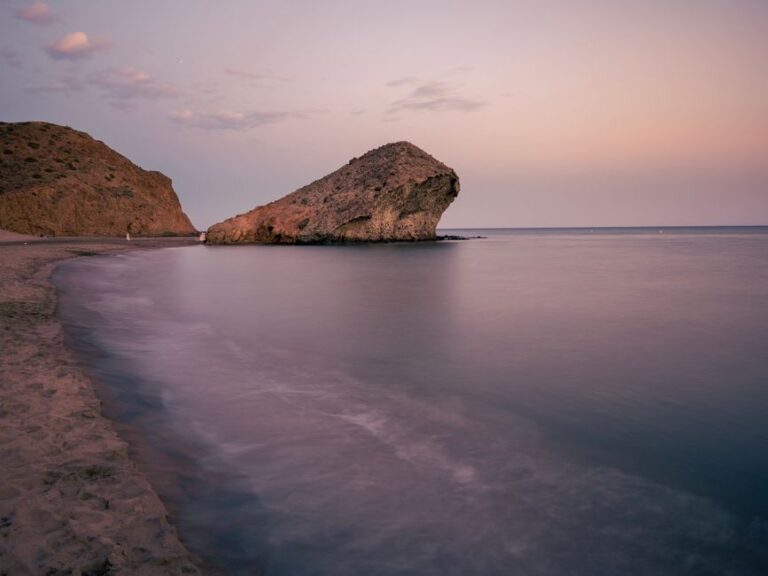
Cabo de Gata Travel Guide
Plan a trip to Cabo de Gata-Níjar Natural Park: San José, Las Negras, Agua Amarga and Níjar, the summer access rules for Los Genoveses…
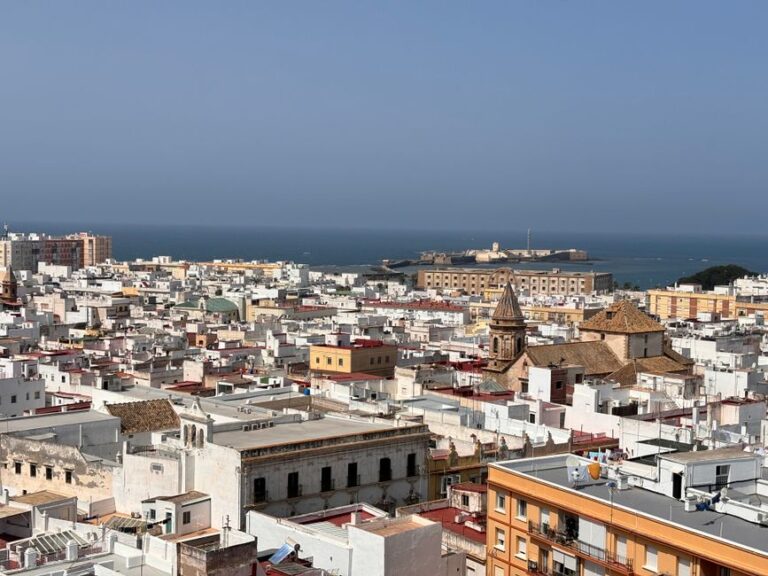
Cádiz Travel Guide
Plan a trip to Cádiz: the cathedral and its clock tower, Torre Tavira's camera obscura and the Roman theatre with 2026 prices and hours,…
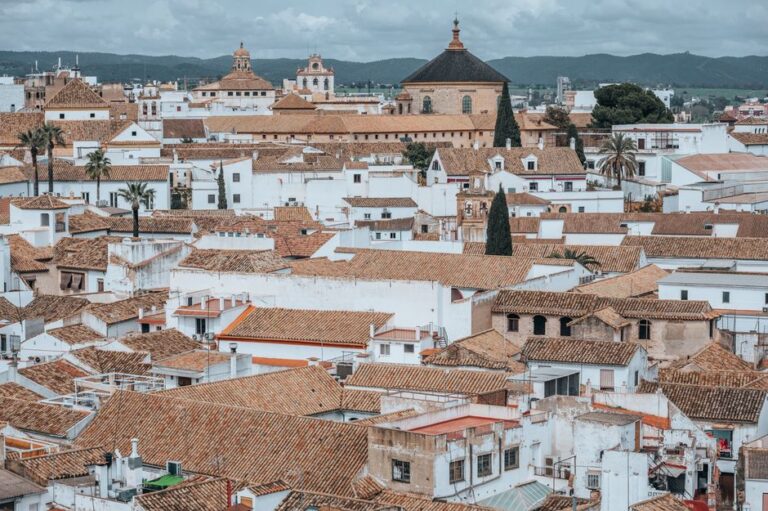
Córdoba Travel Guide
Plan a trip to Córdoba: Mezquita-Catedral tickets, the free early-morning entry and bell tower with 2026 prices, the Judería and other neighbourhoods, the Alcázar,…
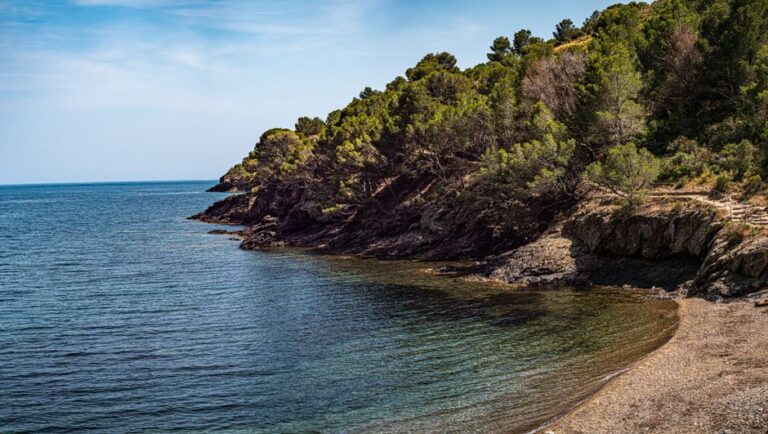
Costa Brava Travel Guide
Plan a trip to the Costa Brava: Tossa, Calella de Palafrugell, Begur and Cadaqués, the Camí de Ronda, the Dalí Theatre-Museum, Portlligat and Púbol…
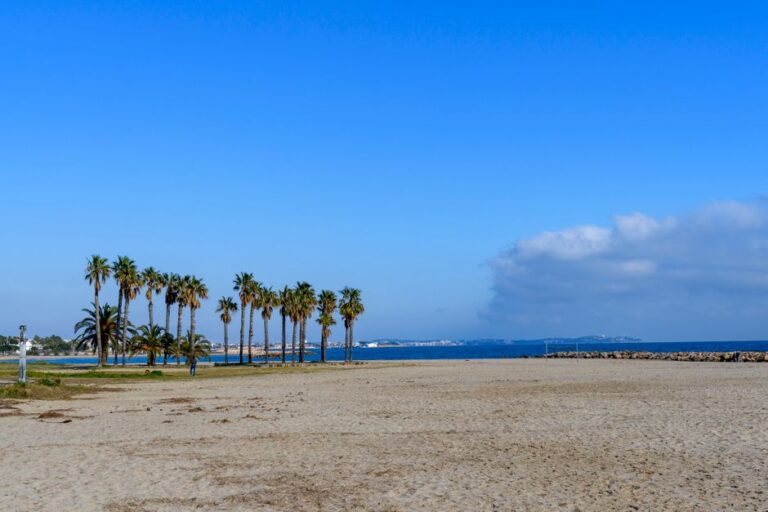
Costa Daurada Travel Guide
Plan a trip to the Costa Daurada: Roman Tarragona with 2026 prices and hours, Salou, Cambrils and La Pineda, PortAventura World tickets and Halloween…
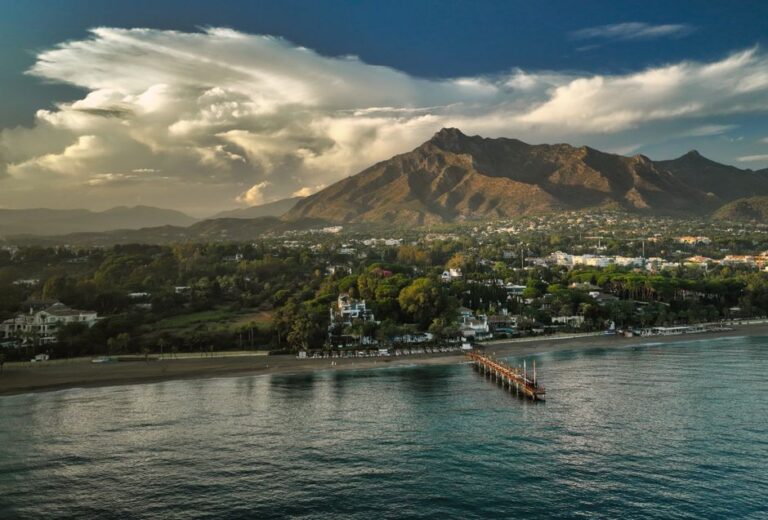
Costa del Sol Travel Guide
Plan a trip to the Costa del Sol: which town suits you, from Málaga, Torremolinos, Benalmádena and Fuengirola to Marbella, Estepona and Nerja, the…
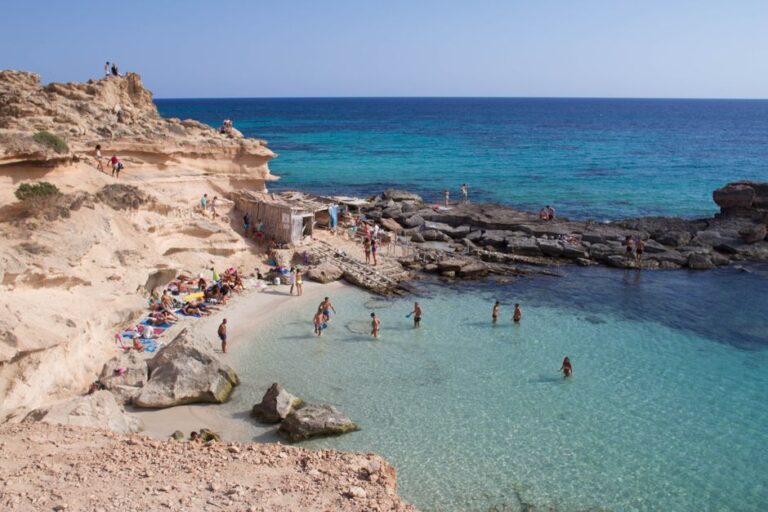
Formentera Travel Guide
Plan a trip to Formentera: ferries from Ibiza to La Savina, Ses Illetes and the Ses Salines natural park access fee, the Cap de…
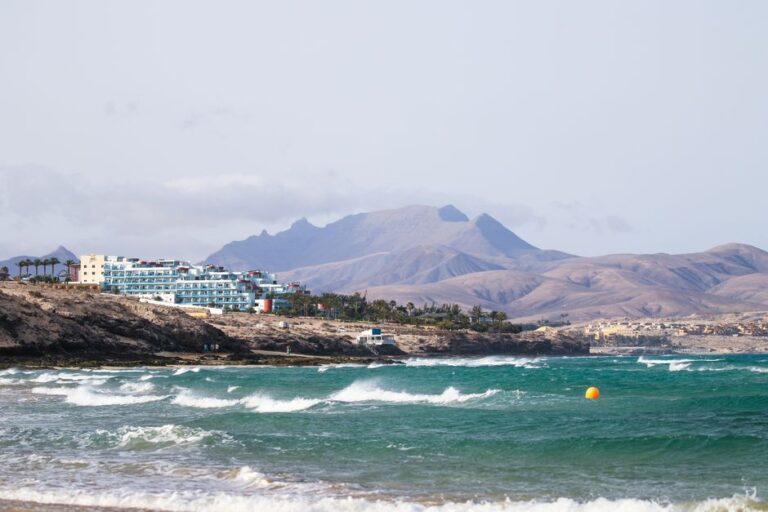
Fuerteventura Travel Guide
Plan a trip to Fuerteventura: the Corralejo dunes, the free permit and boats for the islet of Lobos, Cofete and the Jandía beaches, the…
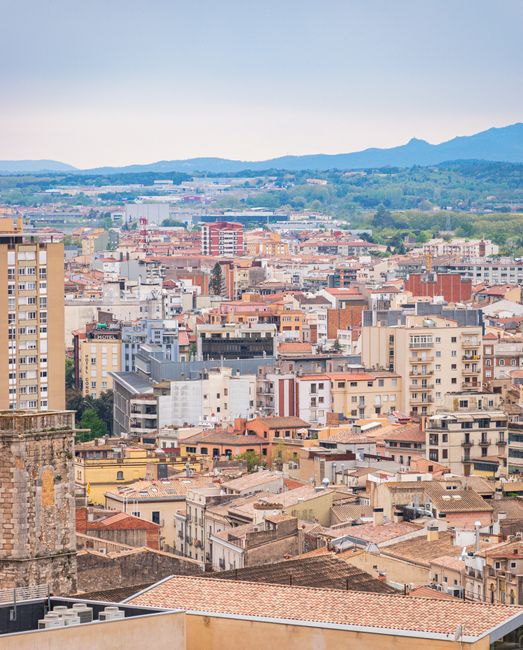
Girona Travel Guide
Plan a trip to Girona: the cathedral and Sant Feliu, the walk along the city walls, the Onyar houses and Eiffel bridge, the Jewish…
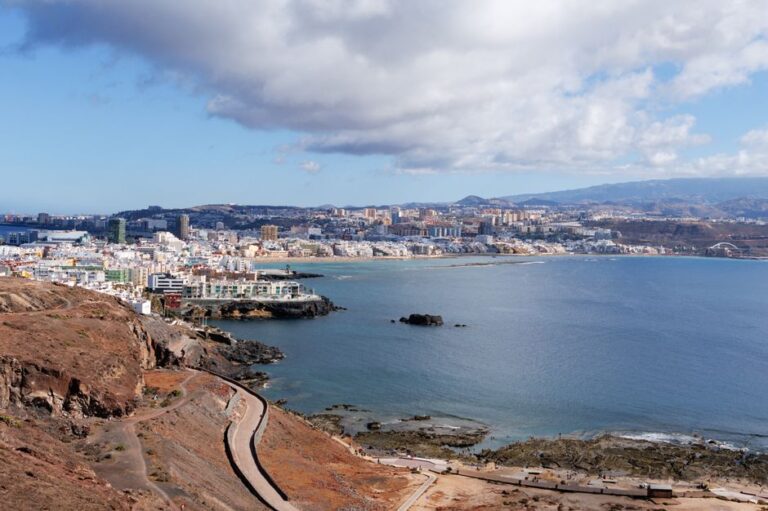
Gran Canaria Travel Guide
Plan a trip to Gran Canaria: Las Palmas, Maspalomas, Mogán and the mountain villages, Roque Nublo booking and shuttle rules, Maspalomas dunes, hikes, surfing…
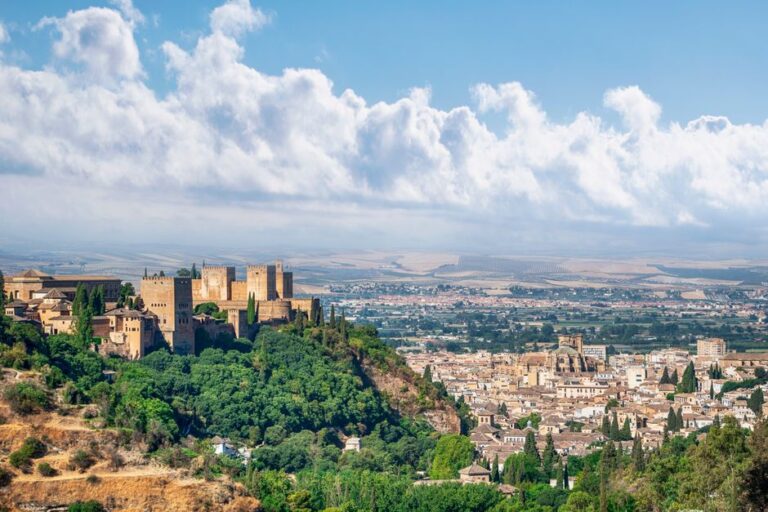
Granada Travel Guide
Plan a trip to Granada: official Alhambra ticket rules (named tickets, ID checks and timed Nasrid Palaces entry) with 2026 prices, the Albaicín, Sacromonte…
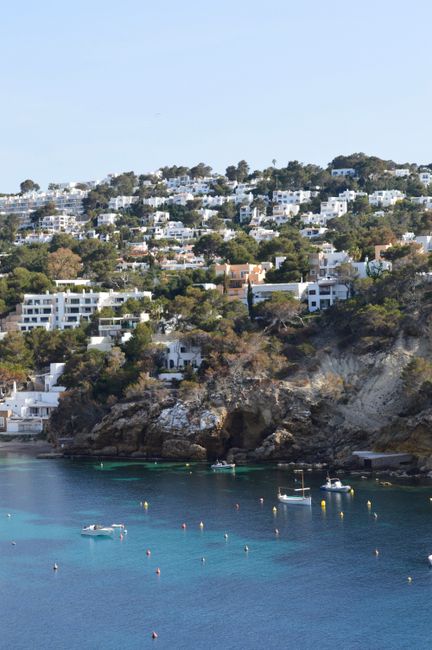
Ibiza Travel Guide
Plan a trip to Ibiza: which town to stay in, Dalt Vila and Es Vedrà, the best beaches and coves, walks, the club season…
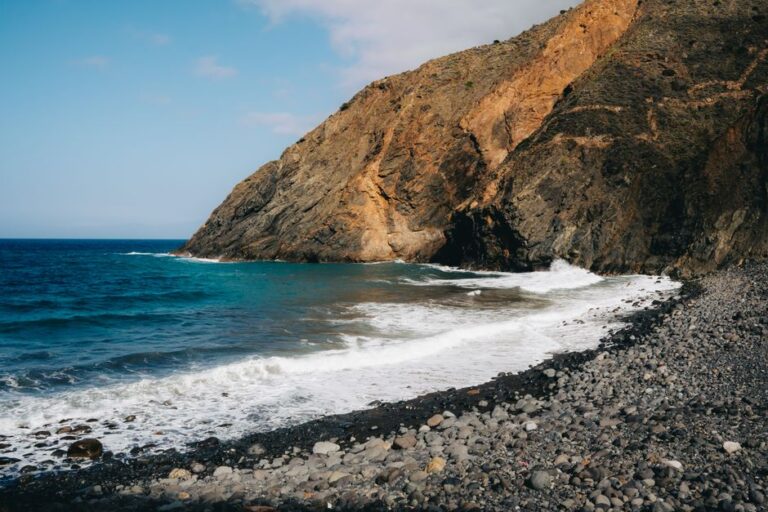
La Gomera Travel Guide
Plan a trip to La Gomera: San Sebastián, Valle Gran Rey, Hermigua, Agulo and Playa de Santiago, Garajonay National Park's laurel forest, trails and…
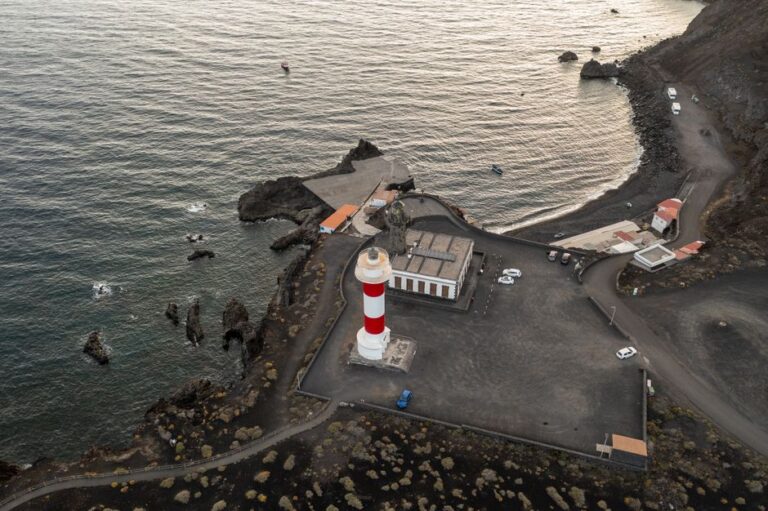
La Palma Travel Guide
Plan a trip to La Palma: Santa Cruz, Los Cancajos and the sunny west, the Caldera de Taburiente with La Cumbrecita bookings and the…
Lanzarote Travel Guide
Plan a trip to Lanzarote: Timanfaya National Park and the volcano route with 2026 prices and online-only tickets, César Manrique's Jameos del Agua, Cueva…
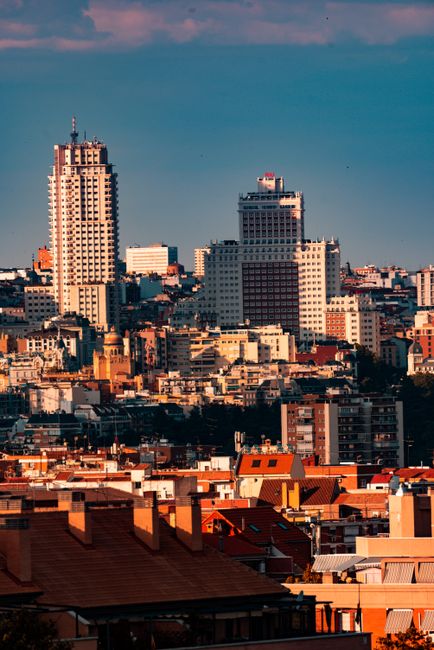
Madrid Travel Guide
Plan a trip to Madrid: the Prado, Reina Sofía and Thyssen with free hours, the Royal Palace and Retiro, the best neighbourhoods, tapas and…
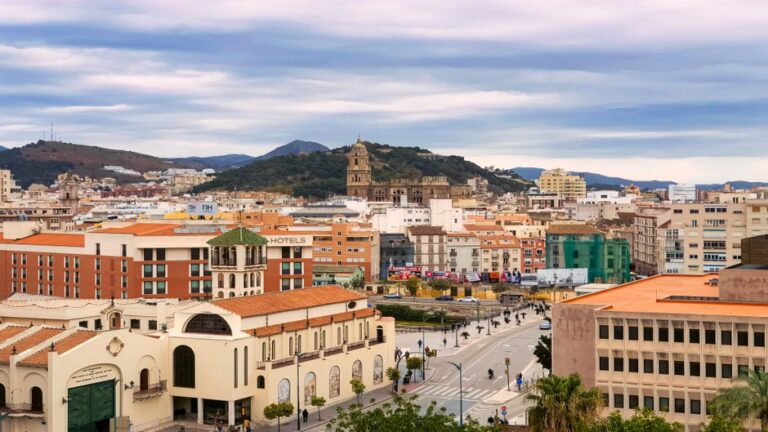
Málaga Travel Guide
Plan a trip to Málaga: the neighbourhoods, the Alcazaba, Picasso museum and cathedral with 2026 prices and free Sunday hours, city beaches, Caminito del…
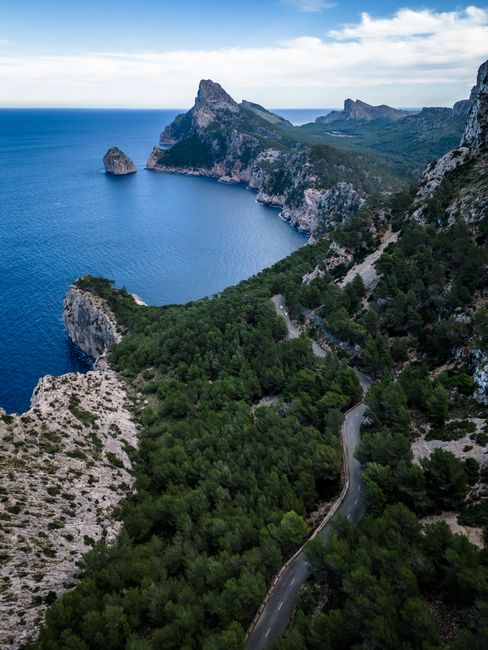
Mallorca Travel Guide
Plan a trip to Mallorca: where to stay from Palma and Sóller to Pollença, the east coast and Es Trenc, top sights, beaches and…
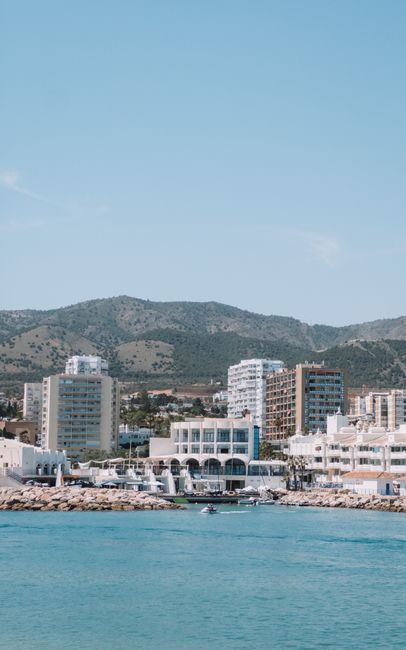
Marbella Travel Guide
Plan a trip to Marbella: the old town and Plaza de los Naranjos, the promenade and Dalí sculptures, Puerto Banús, San Pedro's Roman ruins,…
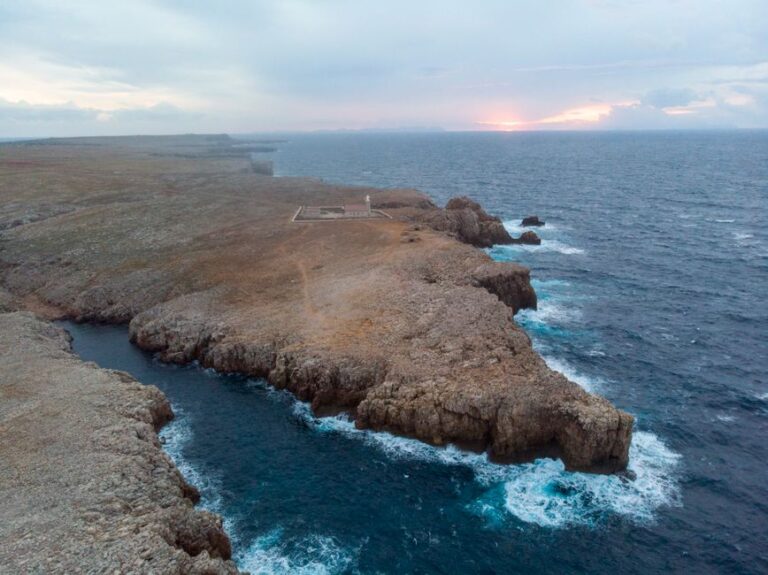
Menorca Travel Guide
Plan a trip to Menorca: Maó's harbour, Ciutadella's old town and Fornells, the Macarella and Cala en Turqueta coves and their summer shuttle and…
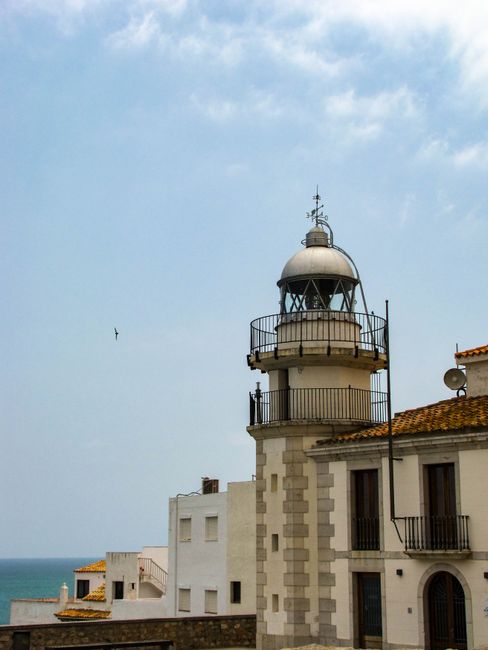
Peñíscola Travel Guide
Plan a trip to Peñíscola: the Papa Luna castle with 2026 prices and hours, the walled old town on its rock, Playa Norte and…
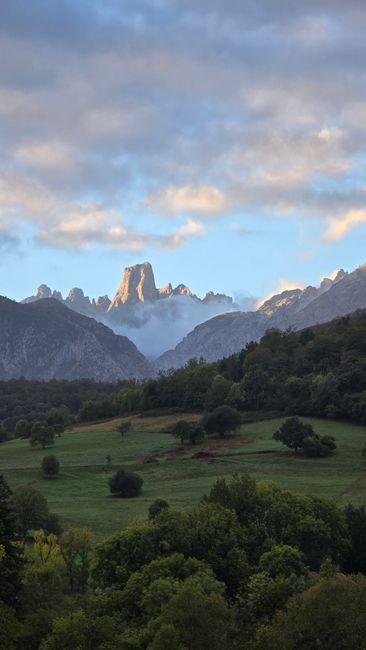
Picos de Europa Travel Guide
Plan a trip to the Picos de Europa National Park: the three massifs, Covadonga and the Lakes with the 2026 car ban dates and…
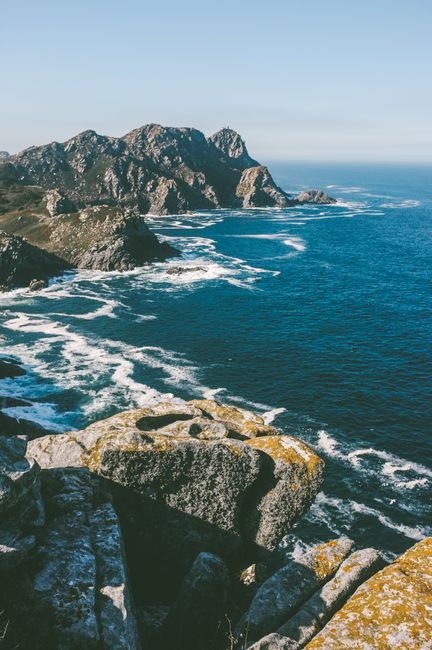
Rías Baixas Travel Guide
Plan a trip to the Rías Baixas: the four rías, Pontevedra's old town, Combarro, Cambados and albariño wineries, O Grove and A Toxa, Baiona…
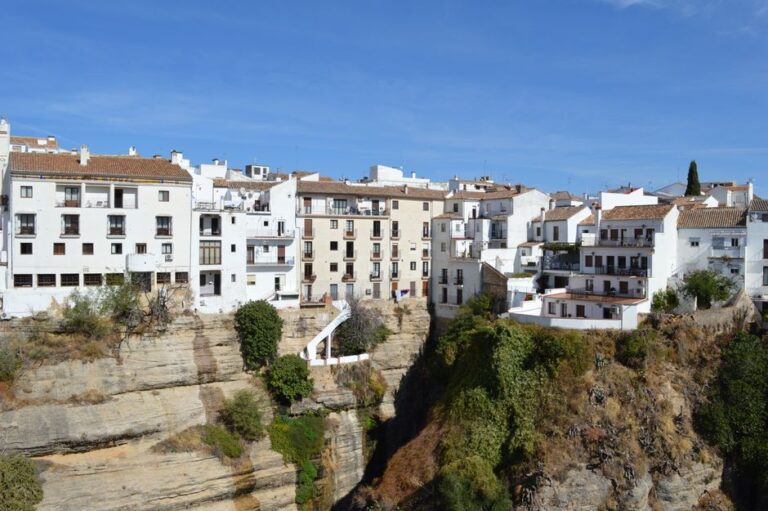
Ronda Travel Guide
Plan a trip to Ronda: the Puente Nuevo and El Tajo gorge, the bullring museum, the Casa del Rey Moro water mine, the Arab…
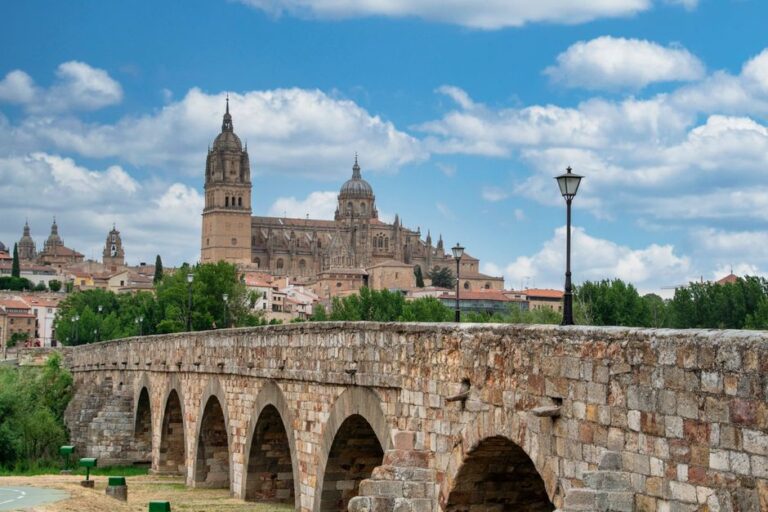
Salamanca Travel Guide
Plan a trip to Salamanca: the Plaza Mayor, the old university and its frog, the two cathedrals and the Ieronimus towers with 2026 prices…
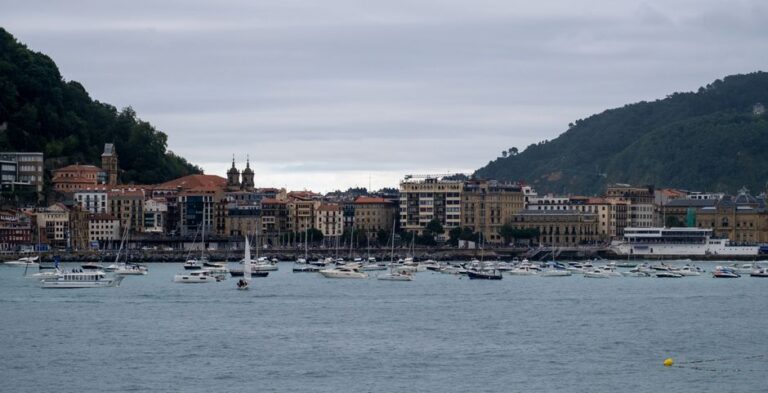
San Sebastián Travel Guide
Plan a trip to San Sebastián: the best neighbourhoods, La Concha and Zurriola, Monte Igueldo and Urgull, how pintxo bars work, cider houses, surfing,…
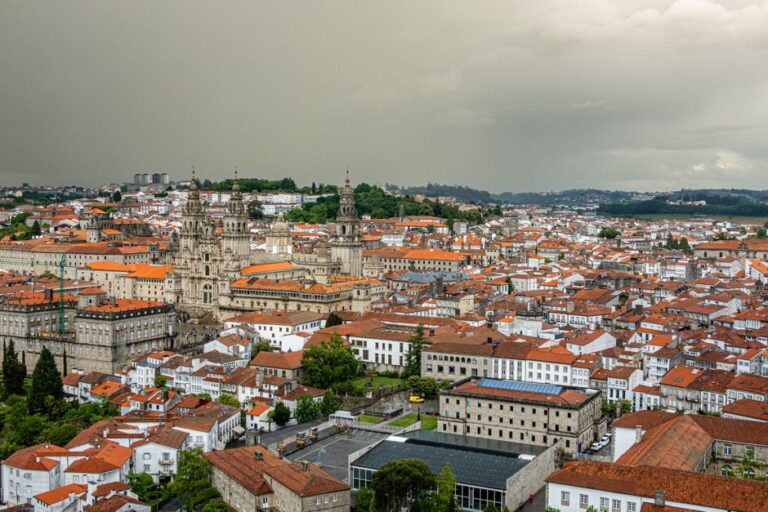
Santiago de Compostela Travel Guide
Plan a trip to Santiago de Compostela: the cathedral, the Pilgrim's Mass and the Botafumeiro, the rooftops tour and museum with 2026 prices, the…
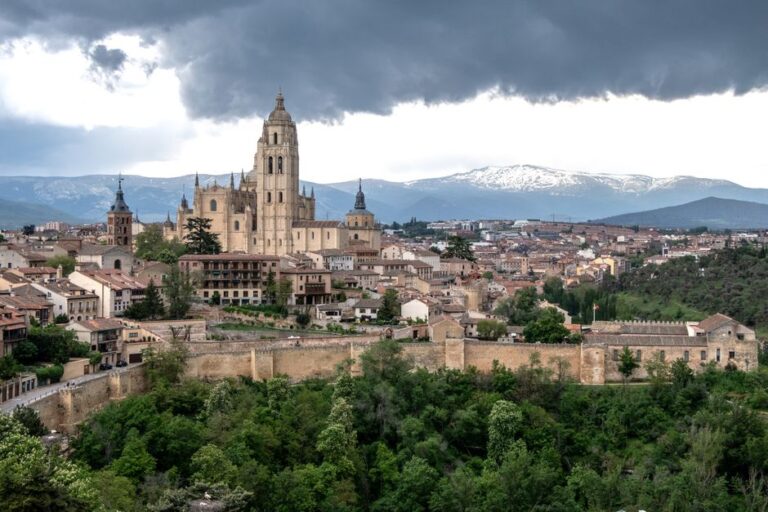
Segovia Travel Guide
Plan a trip to Segovia: the Roman aqueduct, Alcázar tickets with the tower and the free EU Tuesday slot, the cathedral and its tower…
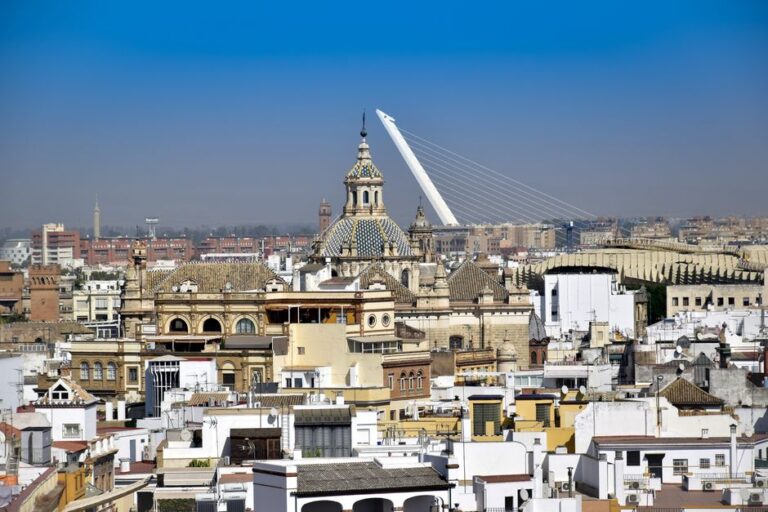
Seville Travel Guide
Plan a trip to Seville: the neighbourhoods, the Real Alcázar, the cathedral and Giralda with 2026 prices and free-visit slots, Plaza de España (still…
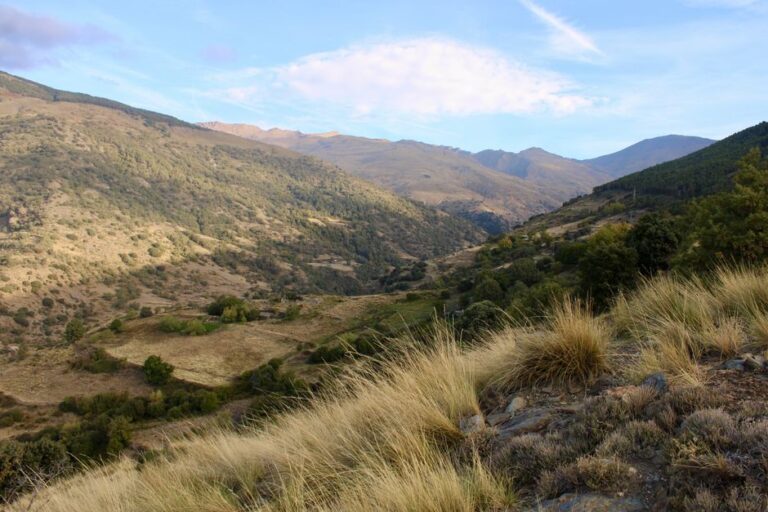
Sierra Nevada Travel Guide
Plan a trip to Spain's Sierra Nevada: the ski resort above Granada and its 2026–27 season, the bus from Granada, the A-395 and chains,…
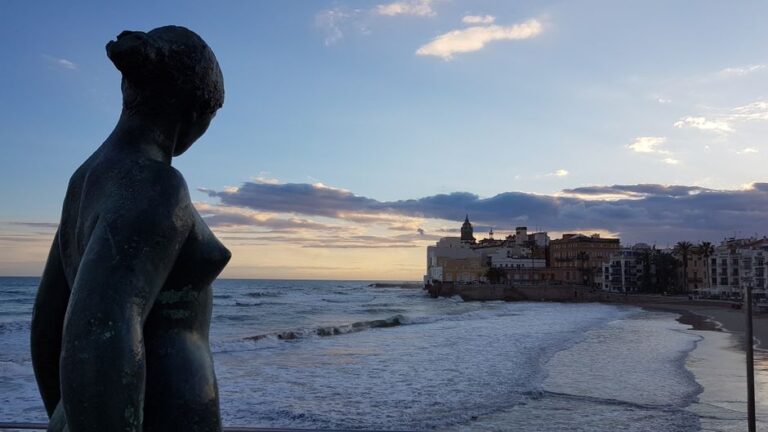
Sitges Travel Guide
Plan a trip to Sitges: the beaches, the old town and the church on La Punta, the Cau Ferrat and Maricel museums with 2026…
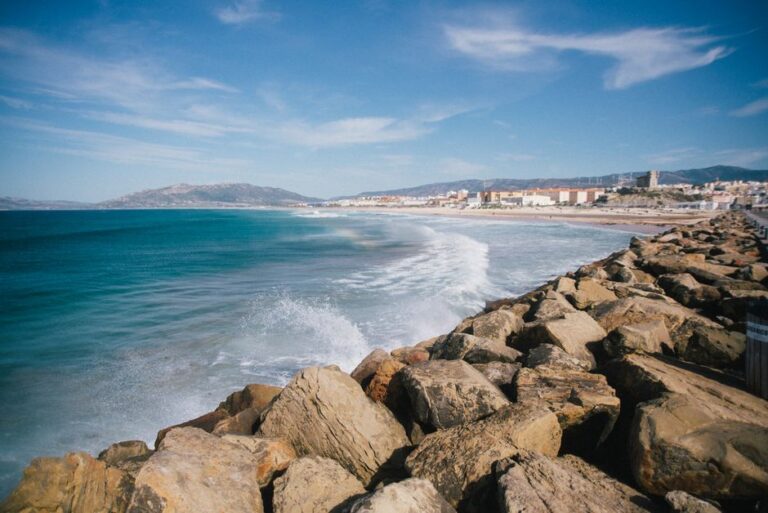
Tarifa Travel Guide
Plan a trip to Tarifa: the old town and the Castle of Guzmán el Bueno with 2026 prices and hours, Punta de Tarifa and…
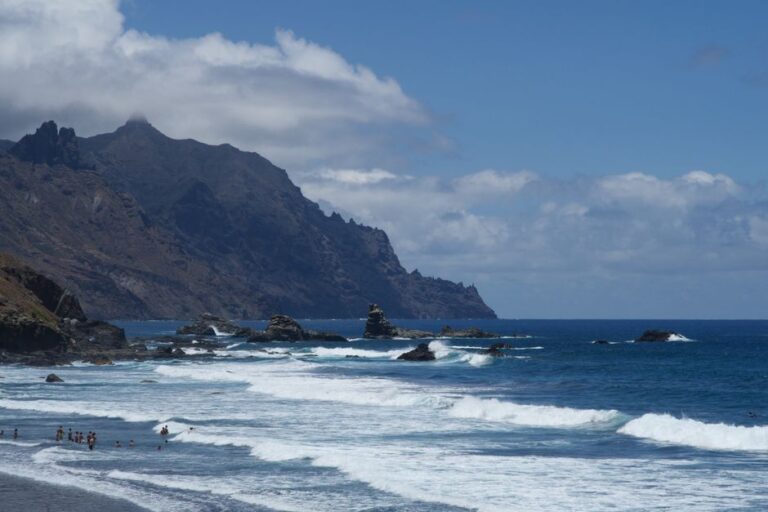
Tenerife Travel Guide
Plan a trip to Tenerife: the island's areas north and south, the Teide summit permit and 2026 trail fees, cable car and Altavista refuge,…
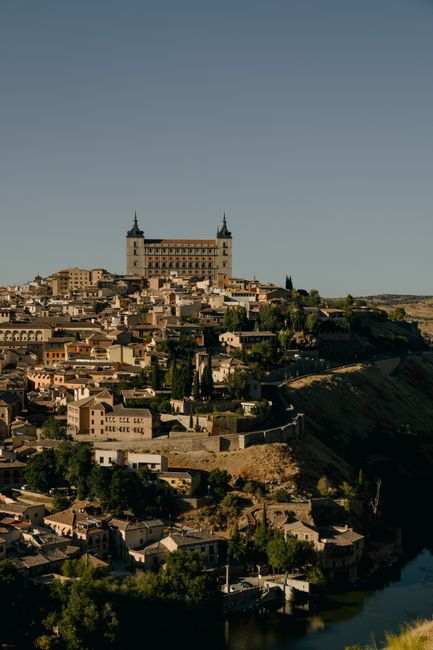
Toledo Travel Guide
Plan a trip to Toledo: cathedral tickets and hours, the €14 tourist wristband and its seven monuments, El Greco's Burial of the Count of…
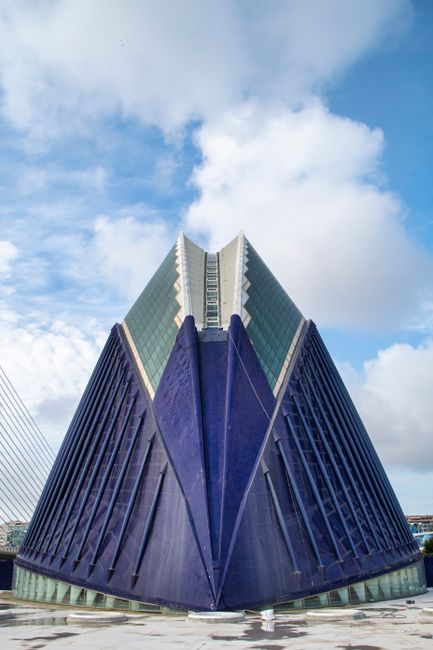
Valencia Travel Guide
Plan a trip to Valencia: the City of Arts and Sciences, the Silk Exchange and cathedral, the best neighbourhoods, city beaches, Albufera boat rides…
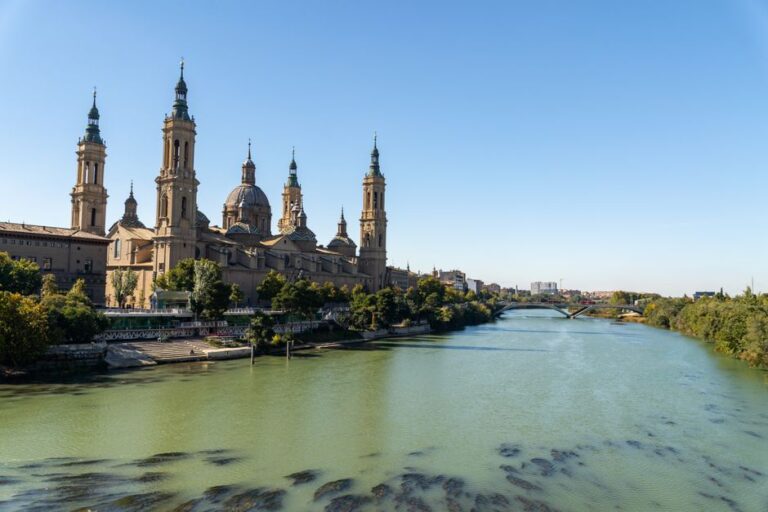
Zaragoza Travel Guide
Plan a trip to Zaragoza: the Basílica del Pilar and its tower lift, La Seo, the Aljafería palace and its Goya exhibition with 2026…
Best time to visit Spain, region by region
Spain’s climate changes a lot from one region to the next, so “the best time” depends on where you go. The table uses the official climate normals from AEMET, Spain’s state weather agency (1981–2010 averages of daily highs, by season). Crowd and price notes use INE’s hotel figures: the average hotel room in Spain cost about €167 a night in August 2026, against €116 in January 2026.
| Region (AEMET station) | Spring highs (Mar–May) | Summer highs (Jun–Aug) | Autumn highs (Sep–Nov) | Winter highs (Dec–Feb) | Best months |
|---|---|---|---|---|---|
| Madrid and the centre (Madrid Retiro) | 16–22 °C | 28–32 °C | 26 °C falling to 14 °C | 10–12 °C, nights near freezing | April–June, mid-September–October |
| Barcelona and Catalonia (Barcelona airport) | 16–21 °C | 25–29 °C | 26 °C falling to 17 °C | 14 °C | May–June, September–October |
| Inland Andalusia (Seville airport) | 22–27 °C | 32–36 °C | 32 °C falling to 20 °C | 16–18 °C | March–May, October–November |
| Granada (airport) | 19–25 °C | 31–35 °C | 29 °C falling to 17 °C | 13–15 °C, frosty nights | April–May, late September–October |
| Costa del Sol (Málaga airport) | 20–24 °C | 28–31 °C | 28 °C falling to 20 °C | 17–18 °C | April–June, September–October; mild in winter |
| Basque coast (San Sebastián, Igeldo) | 13–18 °C | 20–23 °C | 21 °C falling to 14 °C | 11–12 °C | June–September |
| Balearics (Palma airport) | 18–24 °C | 28–31 °C | 28 °C falling to 19 °C | 15–16 °C | May–June, September–early October |
| Canary Islands (Santa Cruz de Tenerife) | 22–24 °C | 26–29 °C | 28 °C falling to 24 °C | 21–22 °C | All year; October–April for winter sun |
Rain is rare in summer across most of Spain: Seville averages well under one rainy day a month in July and August, Madrid fewer than two. The north is the exception: San Sebastián averages about 141 days a year with at least 1 mm of rain, so pack a jacket even in August. In the Canaries, Santa Cruz de Tenerife sees only 2–5 rainy days a month even in winter.
Midsummer heat inland is serious: Seville and Córdoba regularly pass 40 °C in July and August, and heatwaves have grown more frequent. Plan sightseeing for the morning and evening, and do as locals do: rest in the hottest hours. Wildfires are a risk in hot, dry summers; follow local alerts and never light fires or barbecues in the countryside. Autumn can bring sudden, violent storms (locally called DANA) to the Mediterranean coast; check AEMET warnings if heavy rain is forecast.
Crowds and prices through the year
- July and August: the busiest and most expensive months on the coasts and islands, and when many Spaniards take their own holidays. Inland cities are hot and some local restaurants close for a few weeks in August.
- Easter (Semana Santa) and long weekends: hotels fill and prices rise, especially in Andalusia. Easter Sunday falls on 28 March 2027.
- Spring and autumn: the sweet spot for city breaks, Andalusia and hiking, with warm days and lower prices than summer.
- November to February: the quietest and cheapest time on the mainland, apart from Christmas and New Year, and the high season for the Canary Islands.
Festivals and events through the year
- 5–6 January: the Three Kings parades (Cabalgata de Reyes) on the evening of 5 January in towns all over Spain; 6 January is a holiday and the day children get their presents.
- February or March: Carnival, biggest in Santa Cruz de Tenerife, Las Palmas de Gran Canaria and Cádiz.
- 15–19 March: Las Fallas in Valencia: fireworks, daily firecracker shows (mascletàs) and the burning of the giant figures on the night of the 19th.
- Holy Week (21–28 March 2027): solemn processions everywhere, most famously in Seville, Málaga and Granada.
- April–May: Seville’s April Fair (Feria de Abril), usually two weeks after Easter, with flamenco dresses, horses and dancing in casetas (tents); Sant Jordi in Barcelona on 23 April (books and roses); the Córdoba patio festival in May.
- 23–24 June: Midsummer (San Juan / Sant Joan) bonfires and beach parties, especially along the Mediterranean.
- 6–14 July: San Fermín in Pamplona, with the morning bull runs.
- August: local fiestas everywhere, Málaga’s August fair, and La Tomatina, the tomato fight in Buñol near Valencia, on the last Wednesday of August (entry is ticketed).
- September: the grape harvest in La Rioja, Jerez and other wine regions, and La Mercè, Barcelona’s big city festival, around 24 September.
- 12 October and early December: national holidays (12 October; 6 and 8 December), which make busy long weekends.
- 31 December: New Year’s Eve at Madrid’s Puerta del Sol, eating twelve grapes on the twelve chimes of midnight.
Weather month by month
Averages from AEMET normals 1991–2020, Madrid, Retiro · Last reviewed 4 Oct 2026
How long to stay: sample itineraries
High-speed trains link the big cities, so you rarely need a car for a city trip; the islands need a flight or ferry.
5 days: Madrid or Barcelona
Three days in Madrid for the museums, the Retiro and late tapas, plus day trips to Toledo and Segovia. Or four days in Barcelona with Gaudí, the Gothic Quarter and the beach, and a day in Montserrat, Sitges or Girona.
7 days: Madrid and Andalusia
Two days in Madrid, then the fast train south to Córdoba (one night or a long stop for the Mezquita), three days in Seville, and a final day or two in Granada for the Alhambra. Fly home from Seville or Málaga.
10 days: Barcelona, Madrid and the south
Three days in Barcelona, the train to Madrid for two days, then Córdoba, Seville and Granada for five days. In warm months, swap a city night for the beach in Málaga or Cádiz. Valencia slots in easily between Barcelona and Madrid.
14 days: mainland plus an island
Follow the 10-day route, then fly to Mallorca or Ibiza (summer) or Tenerife or Gran Canaria (any time, best in winter) for four or five days of beaches, boat trips and hiking. Food lovers can instead finish in the north with San Sebastián and Bilbao. Spain also combines well with Portugal: Seville to the Algarve or Madrid to Lisbon are popular links.
Entry, money and costs
Entry and visas (last reviewed October 2026)
Spain is in the Schengen area. Citizens of EU and EEA countries and Switzerland can enter with a national ID card or passport. Visitors from many other countries, including the United States, Canada, the UK and Australia, can stay without a visa for up to 90 days in any 180-day period, counting time in all Schengen countries. Others need a Schengen visa from a Spanish consulate.
- Entry/Exit System (EES): the EU’s digital border system started on 12 October 2025 and has been fully running at all Schengen borders since 10 April 2026. Non-EU visitors on short stays have their passport details, a photo and fingerprints recorded on their first entry instead of getting passport stamps; children under 12 are not fingerprinted. Registration is free, and the record lasts three years. Allow extra time at airports, especially at peak times.
- ETIAS: the EU’s planned online travel authorisation (fee €20) is not in operation as of October 2026, and no start date has been fixed. The EU says it will announce the date several months in advance. Ignore websites selling “ETIAS applications” before then.
- Passports: for non-EU visitors, the UK government advises that your passport must have been issued less than 10 years before the day you arrive and be valid for at least 3 months after the day you plan to leave the Schengen area. Border officers may ask for a return or onward ticket, proof of where you are staying and proof that you have enough money for your stay.
- Hotel registration: by Spanish law, hotels, rentals and campsites must record their guests’ identity details, so you will be asked for your passport or ID card at check-in. This is normal.
Rules change, so check the official pages before you book: the European Commission’s EES and ETIAS pages, the Spanish consulate in your country and your own government’s travel information.
Languages
Spanish (Castilian) is spoken everywhere. Several regions have a second official language: Catalan in Catalonia and the Balearics, Valencian in the Valencia region, Galician in Galicia and Basque (Euskara) in the Basque Country and parts of Navarre, so signs and menus may be in both. English is common in big cities, resorts and hotels, less so in small towns. A few words go a long way: hola (hello), buenos días (good morning), gracias (thank you), por favor (please) and la cuenta, por favor (the bill, please).
Currency and payments
Spain uses the euro (€). Cards and phone payments are accepted almost everywhere, including for small amounts in bars, but carry a little cash for markets, village bars and tips. When a cash machine or card terminal offers to charge you in your home currency, choose euros, which usually gives a better rate. Bizum, the phone payment system locals use, needs a Spanish bank account.
Tipping is modest. In bars people leave small change or nothing; in restaurants, rounding up or leaving 5–10% for good service is appreciated but not expected. Some places charge for bread you didn’t ask for; send it back if you don’t want it.
Tourist taxes (as of October 2026)
Spain has no national tourist tax, but some regions and cities charge one per person per night, added to your accommodation bill:
- Catalonia: a regional tax that rose on 1 April 2026. Outside Barcelona it runs from €0.80 (youth hostels) to €4.50 (5-star hotels) per night, and other towns may add a local surcharge of up to €4 from 1 October 2026. Barcelona charges much more; see our Barcelona guide.
- Balearic Islands: the sustainable tourism tax (ITS) is €1–4 per night plus 10% VAT from May to October, depending on the type of accommodation. From November to April it is 75% lower, it halves from the ninth night, and children under 16 are exempt.
- Galicia: Santiago de Compostela, A Coruña and, since 1 October 2026, Vigo charge small municipal taxes.
- Basque Country: a tourist stay tax has been approved and is due to start on 1 January 2027, with each town setting its own rate.
- Madrid, Andalusia and the Canary Islands: no regional tourist tax as of October 2026. Check our Valencia guide for the Valencia region.
Typical travel costs
Spain is good value for Western Europe, especially for eating out, though Barcelona, Madrid, the Balearics and the coasts in August are not cheap. These estimates, per person per day, are a planning guide as of October 2026:
| Style | Estimated cost per day | What that looks like |
|---|---|---|
| Budget | about €70–90 | Hostel bed or simple guesthouse, a menú del día lunch, tapas for dinner, public transport, free sights and beaches |
| Mid-range | about €150–200 | Comfortable 3- or 4-star hotel room shared by two, sit-down meals, a couple of paid sights, a high-speed train between cities |
| High-end | about €350+ | Boutique or luxury hotel, tasting menus, private guides, car hire |
Hotels make the biggest difference. INE’s figures put the national average at €166.9 per occupied room in August 2026 (€145 for 3-star and €177 for 4-star hotels), and €116 in January 2026. Some real prices from Madrid, from Numbeo’s crowd-sourced data in early October 2026: a meal at an inexpensive restaurant about €16, dinner for two at a mid-range restaurant about €60, a cappuccino about €2.75 and a half-litre of local draught beer about €3.50. Many restaurants offer a menú del día at lunchtime on weekdays, with two courses, bread and a drink, often the best-value meal of the day. Daily budget ranges are our estimates, built from these figures.
Getting there and getting around
Arrival airports
Spain’s airports are run by Aena, whose Spanish network handled a record 321.6 million passengers in 2025. The busiest:
- Madrid-Barajas (MAD): 68.2 million passengers in 2025, the main hub for long-haul flights and home of Iberia. Metro, Cercanías trains and an express bus run into the city.
- Barcelona-El Prat (BCN): 57.5 million, with buses, a train and the Metro into Barcelona.
- Palma de Mallorca (PMI): 33.8 million, the third busiest, mostly in summer.
- Málaga-Costa del Sol (AGP): 26.8 million, the main gateway to Andalusia, with a train to the city and the coast.
- Alicante-Elche (ALC): 19.9 million, for the Costa Blanca.
- Gran Canaria (LPA) and Tenerife South (TFS): 15.8 and 14.0 million; Tenerife also has a second airport, Tenerife North.
- Valencia (VLC), Seville (SVQ), Ibiza (IBZ), Bilbao (BIO): smaller but busy, with many direct European flights. Valencia handled 11.8 million passengers in 2025.
High-speed trains
Spain has Europe’s longest high-speed rail network, and three companies now compete on the main lines, which has made tickets much cheaper:
- Renfe AVE: the state operator’s flagship, on all high-speed lines, including Madrid–Barcelona, Madrid–Seville and Málaga, Madrid–Valencia and Alicante, Madrid–Galicia and Barcelona–Andalusia. Renfe also runs Alvia trains onto non-high-speed lines (for example to the north coast) and short-hop Avant trains, such as Madrid–Toledo and Madrid–Segovia.
- Renfe Avlo: Renfe’s low-cost high-speed brand, with simple fares that charge extra for big bags, on routes such as Madrid–Barcelona, Madrid–Valencia, Madrid–Alicante and Madrid–Andalusia.
- Ouigo: the French SNCF’s low-cost brand, with double-decker trains on Madrid–Barcelona, Madrid–Valencia, Madrid–Alicante, Madrid–Murcia and Madrid–Andalusia.
- Iryo: a private operator owned partly by the Italian railways, with red trains on Madrid–Barcelona, Madrid–Valencia and Alicante, and Madrid–Córdoba–Seville and Málaga.
Slower trains in 2026: after the high-speed crash near Adamuz (Córdoba) on 18 January 2026, in which 46 people died, the rail infrastructure manager Adif imposed temporary speed limits across much of the network. Punctuality fell sharply and, as of late summer 2026, nearly a hundred speed limits were still in place on high-speed lines, with the industry expecting some to last into 2027. Madrid–Barcelona now takes about 3 hours instead of 2½; Madrid–Seville about 2½ to 3 hours; Madrid–Valencia about 2 hours. Check the timetable when you book, leave a good margin before onward flights, and expect some delays.
Tips: book long-distance tickets on the operator’s own website or app; the cheapest fares go early, and popular routes open months ahead. Bags go through an X-ray scanner before you board at main stations, so arrive 20–30 minutes early. Visitors living outside Spain can buy Renfe’s Spain Pass, a pass for 4 to 10 single journeys within a month on Renfe’s long-distance and medium-distance trains.
Buses, local trains and city transport
- Buses: ALSA and regional companies link almost every town, often cheaper than the train and the only public transport to many white villages, mountain areas and beaches. Book long routes online in summer.
- Local trains: Cercanías (Rodalies in Catalonia) suburban trains serve the big city areas and many day-trip towns, and Media Distancia trains link smaller cities.
- City transport: Madrid, Barcelona, Valencia, Seville, Málaga, Bilbao and Palma have metro or tram networks plus buses. Most now accept contactless bank cards, and tourist travel cards save money if you ride a lot; our city guides have the 2026 fares.
Driving
A car is the easiest way to explore Andalusia’s white villages, the north coast, the wine regions and the islands, but skip it in the big cities. Spain drives on the right. Many motorways are toll-free; those marked AP usually have tolls, paid by card at the booth. Most big cities have low-emission zones (ZBE) that restrict older or foreign cars without the right sticker; Madrid and Barcelona enforce theirs with cameras, so ask your rental company and avoid driving into city centres. The drink-drive limit is 0.5 g/l of blood (0.3 g/l for drivers in their first two years and professional drivers), and police run frequent checks.
Getting to and around the islands
- Balearics: flights from most Spanish and European cities take about an hour from Barcelona, Madrid or Valencia. Ferries run from Barcelona, Valencia and Dénia to Palma, Ibiza and Menorca with companies such as Baleària and Trasmed; fast ferries link Ibiza and Formentera in about half an hour.
- Canary Islands: fly. Flights from Madrid take about two and a half to three hours, and many European cities fly direct. Between islands, take Binter flights or ferries with Fred. Olsen and Naviera Armas; Tenerife to Gran Canaria is about an hour and a half by fast ferry. A weekly ferry from Cádiz or Huelva takes well over a day.
- Ceuta and Melilla: ferries from Algeciras to Ceuta take about an hour; Melilla is reached by ferry from Málaga, Almería or Motril, or by short flights. Expect ID checks at the port when returning to the mainland.
Culture, food and etiquette
Spanish life runs late, and it helps to adjust your body clock. Breakfast is light (coffee and toast, or churros with hot chocolate). Lunch is the main meal, usually from 14:00 to 16:00, and many shops in smaller towns close for a few hours in the afternoon. People meet for a drink and tapas from about 20:00, and dinner starts at 21:00 or later, even 22:00 in summer and in Madrid. Restaurant kitchens may be closed if you turn up at 18:00; tourist areas are more flexible.
Tapas culture varies by region. In Granada and parts of Andalusia and Madrid, a free tapa often comes with each drink; in the Basque Country you choose pintxos from the bar counter and pay at the end. Order una caña for a small draught beer, un tinto de verano for red wine with lemon soda, and un café con leche for a milky coffee. Classics to try: jamón ibérico, tortilla de patatas, gazpacho and salmorejo in summer, paella in Valencia (lunchtime only, locals say), pulpo a la gallega in Galicia, fried fish in Cádiz and Málaga, and grilled fish and cider in the north.
Greet people in shops and bars with “hola” or “buenos días”. Dress is relaxed, but cover your shoulders and knees in churches and cathedrals, and don’t wander town streets in swimwear: several resort towns fine people for it. Flamenco, born in Andalusia, is on UNESCO’s intangible heritage list; you’ll find small tablaos in Seville, Granada, Madrid and Jerez.
Safety, health, accessibility and connectivity
Safety
Spain is a safe, welcoming country to travel in. The UK FCDO’s main warning is about pickpockets and bag snatchers, who often work in teams and use distraction tricks, especially in airports, at car hire desks, on public transport and in busy tourist areas; Barcelona and Madrid are the classic hotspots. Keep valuables zipped away and never leave a bag on the back of a chair or on a beach towel. The FCDO also warns of drink spiking in nightlife areas and says the threat of terrorism exists, as in much of Europe. The emergency number is 112 (police, ambulance and fire), with English-speaking operators.
Local rules can catch visitors out. Drinking alcohol in the street is banned in many towns, and some resorts fine people for walking around in swimwear away from the beach. In parts of Mallorca and Ibiza (including Magaluf, Playa de Palma and Sant Antoni), happy hours, open bars, pub crawls and late-night off-licence alcohol sales are restricted. Buying fake goods from street sellers can also bring a fine. At the beach, follow the flags (red means no swimming) and watch for strong currents.
Health
Healthcare is good. EU travellers can use state healthcare with a European Health Insurance Card (EHIC) and UK travellers with a GHIC, but neither replaces travel insurance. Pharmacies (farmacias, with a green cross) are everywhere, and a duty pharmacy (farmacia de guardia) is open at night in each area. Tap water is safe to drink, though in some coastal areas and islands it tastes of minerals and locals prefer bottled. The biggest health risk for most visitors is the sun: drink plenty of water, wear a hat and avoid the midday heat in summer.
Accessibility
Modern Spain is fairly accessible: big airports, high-speed trains, newer metro lines and most major museums have step-free access, and Renfe’s Atendo service offers free assistance at stations if you book ahead. Old town centres are harder, with cobbles, narrow pavements and steep lanes in places like Toledo, Granada’s Albaicín or Ronda. Many city beaches have wooden walkways, adapted showers and assisted bathing in summer. Ask hotels about lifts and step-free rooms before booking.
Connectivity and power
If your phone plan is from an EU or EEA country, the EU’s “roam like at home” rules let you use it in Spain at domestic prices within fair-use limits. Visitors from the UK, US and elsewhere should check roaming fees; an eSIM or a local prepaid SIM is usually cheaper for data. Free Wi-Fi is common in hotels and cafés. Spain uses 230 V and the European C and F plugs.
Things to do: beaches, hiking, surfing, boat trips and wine
- Beaches: Mallorca’s and Menorca’s coves, Formentera’s white sand, the Costa Brava’s rocky bays, Valencia’s long city beach, the wild Atlantic beaches of Cádiz’s Costa de la Luz and the Canaries’ dunes and black-sand bays.
- Hiking: the Picos de Europa and the Pyrenees in summer, Mallorca’s Tramuntana and the Canaries in spring, autumn and winter, the Sierra Nevada above Granada, and the many routes of the Camino de Santiago.
- Surfing: the north coast (San Sebastián’s Zurriola beach, Zarautz, Mundaka, Cantabria and Asturias), Cádiz’s Costa de la Luz, and the Canaries all year, especially Fuerteventura, Lanzarote and Las Palmas in Gran Canaria.
- Boat trips: cove-hopping around Mallorca, Ibiza and Formentera, whale and dolphin watching off southwest Tenerife, sunset sails from Barcelona and Málaga, and the Albufera lagoon near Valencia.
- Wine tasting: La Rioja and Ribera del Duero for reds, the Penedès near Barcelona for cava, Jerez for sherry, Rías Baixas in Galicia for albariño, and the volcanic vineyards of Lanzarote.
What to pack
Pack for sun and walking. Comfortable shoes are essential: you will walk a lot on stone and cobbles. From May to September bring sunscreen, sunglasses, a hat and a refillable water bottle, plus light, breathable clothes for inland heat and one smarter outfit for late dinners. Bring a cover-up for churches and for walking from the beach into town. In winter, Madrid and the interior get cold at night, so pack a warm jacket; for the north, a waterproof is useful in any season. For the Canaries, add a fleece for the cooler mountains and the Teide summit. Bring a European (C/F) plug adapter if your devices use another type.
Spain travel FAQ
When is the best time to visit Spain?
April to June and September to October suit most of the mainland: warm days, fewer crowds and lower prices than July and August. Summer is best for beaches and the north coast; the Canary Islands are good all year and best for winter sun.
How many days do you need in Spain?
A week covers Madrid and Andalusia or Barcelona and Madrid. Ten days lets you do Barcelona, Madrid and the south, and two weeks lets you add an island or the north coast without rushing.
Do I need a visa or ETIAS to visit Spain?
EU citizens don’t. Americans, Canadians, Britons, Australians and many others can visit visa-free for up to 90 days in any 180. As of October 2026, ETIAS is not running yet, so you don’t need one, but non-EU visitors are registered in the EU’s Entry/Exit System (fingerprints and photo) at the border.
Is Spain expensive to visit?
It is mid-priced for Western Europe, and eating out is good value, especially the lunchtime menú del día. Hotels are the big cost: INE’s national average was about €167 a night in August 2026 and €116 in January 2026.
Is Spain safe for tourists?
Yes. The main problem is pickpocketing in busy places, especially in Barcelona and Madrid, at airports and on public transport. Watch your bag, follow beach flags, take the summer heat seriously and call 112 in an emergency.
Madrid or Barcelona: which should I choose?
Do both if you can: the train takes about 3 hours in 2026. Barcelona has Gaudí, the sea and a beach. Madrid has the great art museums, a lively food and night scene, and easy day trips to Toledo and Segovia.
Are Spain’s high-speed trains running normally?
They run, but more slowly than before. After the Adamuz crash in January 2026, temporary speed limits were placed on many lines, adding roughly 20–30 minutes to some journeys, and punctuality has suffered. Check times when you book and leave a margin before flights.
Which train company should I book: Renfe, Ouigo or Iryo?
Compare all three on the main routes. Ouigo and Renfe’s Avlo are usually cheapest but charge for bigger bags; Renfe’s AVE and Iryo include more comfort and flexibility. Only Renfe serves smaller cities and runs the short Avant trains to Toledo and Segovia.
Is there a tourist tax in Spain?
Not nationally. Catalonia and the Balearic Islands charge regional taxes per person per night, Barcelona adds a city surcharge, and a few Galician cities charge small local taxes. The Basque Country’s tax is due to start in January 2027. Madrid, Andalusia and the Canaries have none as of October 2026.
What time do people eat in Spain?
Lunch is usually 14:00–16:00 and dinner from 21:00, later in summer. Tapas bars fill from about 20:00. In tourist areas you can eat earlier, but many local kitchens stay closed between lunch and dinner.
Balearics or Canaries: which islands are better?
For summer, the Balearics: Mediterranean coves, warm sea and easy flights from the mainland. For winter sun, the Canaries, with highs of about 21–22 °C in winter, volcanic scenery, hiking and whale watching all year.
Do I need a car in Spain?
Not for the big cities, which are linked by fast trains and buses. A car helps for the white villages of Andalusia, the north coast, the wine regions and the islands. Avoid driving into city centres, which have low-emission zones.
Should I tip in Spain?
Tipping is optional. Leaving small change in bars and rounding up or leaving 5–10% in restaurants for good service is appreciated, but never required.
Can I combine Spain and Portugal in one trip?
Yes, easily. Seville is about two hours by road from the Algarve, and Madrid–Lisbon is a short flight or an overnight bus. See our Portugal guide to plan the other half.
Sources
- Natural Earth · Public domain · fetched 3 Oct 2026
- © OpenStreetMap contributors · ODbL · fetched 3 Oct 2026
- Wikidata · CC0 · fetched 3 Oct 2026
Sources and last review
Researched and last reviewed on 3 October 2026. Entry rules come from the European Commission and the UK government’s travel information; climate figures from AEMET’s 1981–2010 normals; population, tourist and hotel-rate figures from Statistics Spain (INE); airport traffic from Aena; tourist taxes from the Spanish Official Gazette (BOE) and the Balearic government. Rail information comes from news reports on Adif’s speed restrictions and operator information; daily costs are estimates. Prices, timetables and entry rules change, so check the official links before you travel.
Plugs and power in Spain
Spain uses 230 V, 50 Hz and these plugs (left) and wall sockets (right):
All plug types and voltages by country → · Check what you need to pack →
Plan your trip
Partner links: TravelerCenter may earn a commission if you book, at no extra cost to you.
🇪🇸 Useful Spanish phrases for Spain
All 38 Spanish phrases: restaurant, hotel, emergencies, romance (printable) →