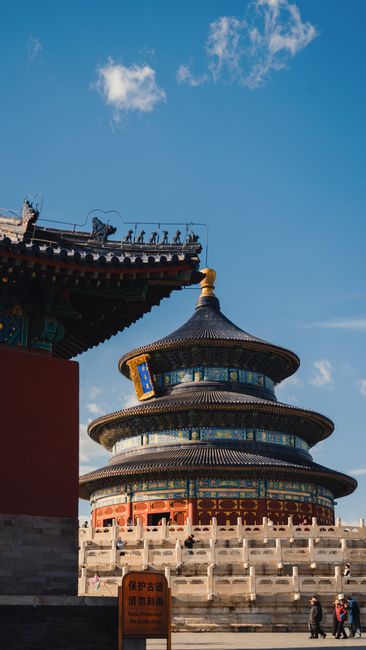
China is a country of staggering scale and variety: imperial palaces and ancient walls, the world’s largest high-speed rail network, futuristic skylines, misty karst mountains, rice terraces, deserts on the Silk Road and the high plateau of Tibet, all tied together by one of the world’s great food cultures. The capital, Beijing, has the Forbidden City, the Temple of Heaven and the most visited sections of the Great Wall; Shanghai mixes the colonial-era Bund with the towers of Pudong; Xi’an, the old capital at the start of the Silk Road, guards the Terracotta Army; Chengdu is the home of the giant panda and of fiery Sichuan cooking; Hangzhou and Suzhou are famous for West Lake and classical gardens; and Guilin sits among the limestone peaks of the Li River. Travel has become much easier for foreign visitors: citizens of about 50 countries, including the United Kingdom, Canada, Australia, Japan, South Korea and most of Europe, can stay up to 30 days without a visa until the end of 2026; many more, including Americans, can use the 240-hour visa-free transit when traveling on to a third country; and the payment apps Alipay and WeChat Pay now accept foreign bank cards. The best seasons are spring (April–May) and autumn (September–October); avoid the national holiday weeks if you can.
Right now in China
- Wed 13–26°C 56–79°F Clear
- Thu 13–25°C 56–77°F Clear
- Fri 16–26°C 61–78°F Clear
Weather: MET Norway (CC BY 4.0)
Multi-day tours of China
Multi-day tours from local operators. You check dates and book on Viator, our partner; we may earn a commission at no extra cost to you. How we earn money
China at a glance
China covers about 9.6 million km² (3.7 million sq miles), roughly the size of the United States, and has about 1.4 billion people, most of them in the fertile east; the west is mountain, desert and high plateau. The mainland is divided into 22 provinces, five autonomous regions and four municipalities (Beijing, Shanghai, Tianjin and Chongqing), plus the special administrative regions of Hong Kong and Macau, which run their own border controls, currencies and entry rules. The official language is Mandarin (Putonghua), written in simplified Chinese characters; Cantonese is spoken in Guangdong, and many regions have their own languages and dialects. English is spoken in international hotels and by younger people in the big cities, but much less elsewhere, so a translation app is essential.
The whole country uses one time zone, China Standard Time (UTC+8), all year, with no daylight saving time. Electricity is 220 V, 50 Hz; sockets take flat two-pin (type A), round two-pin (type C) and angled three-pin (type I) plugs, and many hotel sockets accept several types. The currency is the renminbi (RMB), counted in yuan (CNY, ¥). See our travel adapters guide.
A short history
Chinese civilization grew up along the Yellow River more than 3,000 years ago. In 221 BC, Qin Shi Huang unified the warring states, standardized writing, coins and weights, linked earlier walls into the first Great Wall and was buried near Xi’an with his Terracotta Army. The Han dynasty opened the Silk Road, and under the Tang (618–907), Chang’an, today’s Xi’an, was one of the largest cities in the world. The Song era saw a flowering of art, trade and the cities of Hangzhou and Suzhou; the Mongol Yuan dynasty made Beijing its capital; and the Ming (1368–1644) built the Forbidden City and most of the stone Great Wall seen today. The Qing, the last dynasty, fell in 1912 and was followed by the Republic of China. The People’s Republic of China was founded in 1949, and since the late 1970s, economic reform has turned the country into the world’s second-largest economy and a fast-modernizing travel destination.
China’s regions
- North China: Beijing and the Great Wall, Tianjin, the walled town of Pingyao and the Yungang Grottoes at Datong in Shanxi.
- East China: Shanghai, the garden city of Suzhou, Hangzhou and West Lake, Nanjing, the water towns of the Yangtze delta and the granite peaks of Huangshan.
- South China: Guangzhou and Shenzhen in the Pearl River Delta next to Hong Kong and Macau, Guilin and Yangshuo in Guangxi, Xiamen in Fujian, and the tropical island of Hainan, with Sanya’s beaches.
- Southwest China: Chengdu and Sichuan, the mountain city of Chongqing and the Yangtze River, Yunnan with Kunming, Dali and Lijiang, Guizhou’s minority villages, and Tibet.
- Northwest China: Xi’an and Shaanxi, the Silk Road through Gansu to Dunhuang, Qinghai, and Xinjiang.
- Central China: Wuhan, the sandstone pillars of Zhangjiajie in Hunan, Luoyang’s Longmen Grottoes and the Shaolin Temple in Henan.
- Northeast China: Harbin, famous for its winter Ice and Snow World, and the forests and mountains of the borderlands.
Where to go: cities, gardens, karst and the Great Wall
Most first trips follow the “golden triangle” of Beijing, Xi’an and Shanghai, linked by high-speed train, and add one or two of Chengdu, Guilin, Hangzhou or Suzhou. See our guides:
- Beijing: the capital, with the Forbidden City, Tiananmen Square, the Temple of Heaven, the Summer Palace, hutong lanes and Great Wall day trips to Mutianyu and Badaling.
- Shanghai: China’s biggest city, with the Bund, the Pudong skyline, Yu Garden, the old French Concession, the maglev and water towns nearby.
- Xi’an: the Terracotta Army, the complete Ming city wall, the Muslim Quarter and the Big Wild Goose Pagoda.
- Chengdu: the giant panda base, teahouses, Sichuan opera, hotpot and day trips to the Leshan Giant Buddha and Mount Emei.
- Chongqing: a vertical city of bridges, cable cars and neon on the Yangtze, the start of Three Gorges cruises.
- Guilin: limestone peaks, the Li River cruise to Yangshuo, caves and the Longji rice terraces.
- Hangzhou: West Lake, Lingyin Temple, Longjing tea villages and the Grand Canal.
- Suzhou: UNESCO-listed classical gardens, canals and silk, under half an hour from Shanghai by train.
- Guangzhou: the capital of Cantonese food and trade, with the Canton Tower, Shamian Island and the Canton Fair.
- Shenzhen: a young tech metropolis on the border with Hong Kong, with parks, beaches, theme parks and art villages.
Beyond these, Zhangjiajie in Hunan has the sandstone pillars of Wulingyuan, a UNESCO site, with glass bridges and cliff walkways; Huangshan (the Yellow Mountains) in Anhui is the classic misty granite peak range of Chinese painting; Yunnan combines Kunming’s spring-like climate with the old towns of Dali and Lijiang, Tiger Leaping Gorge and the tea country of Xishuangbanna; Pingyao in Shanxi is a complete Ming-and-Qing walled town; the Silk Road runs west through Gansu to the Buddhist cave art of Dunhuang; and Harbin stages giant ice sculptures every winter. Sanya, on Hainan Island, is the country’s tropical beach resort, with its own visa-free rules. Travel to Tibet for foreign visitors requires a Tibet Travel Permit and an itinerary arranged through a licensed travel agency, in addition to your entry to China; check the current rules with an agency before you plan.
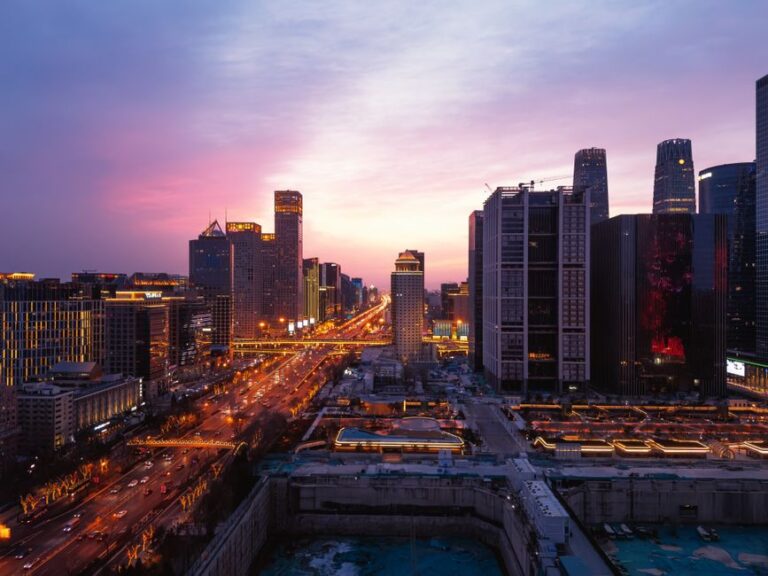
Beijing Travel Guide
Plan a trip to Beijing: where to stay, the Forbidden City with advance booking and Monday closure, Tiananmen Square, the Temple of Heaven, the…
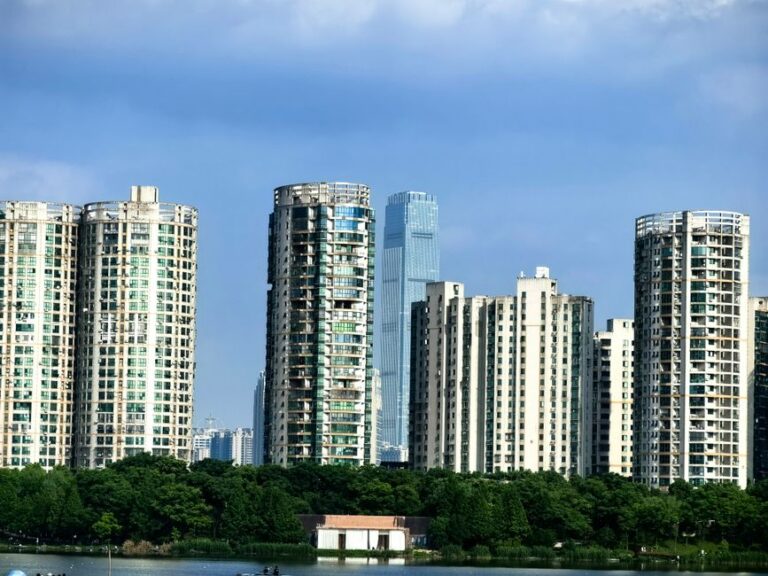
Changsha Travel Guide
Plan a trip to Changsha: Wuyi Square, Taiping Street and the riverside and where to stay, booking free entry to Orange Isle, Yuelu Mountain…

Chengdu Travel Guide
Plan a trip to Chengdu: where to stay, the giant panda base with its 55-yuan ticket and 14-day real-name booking, People's Park teahouses, Wenshu…
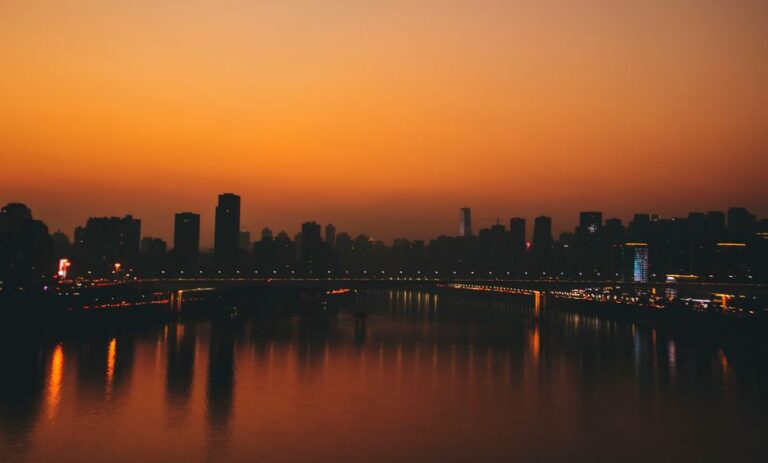
Chongqing Travel Guide
Plan a trip to Chongqing: where to stay, Hongyadong at night, the Yangtze River Cableway, the Liziba monorail, Chaotianmen, Shibati and Ciqikou, Chongqing hotpot,…
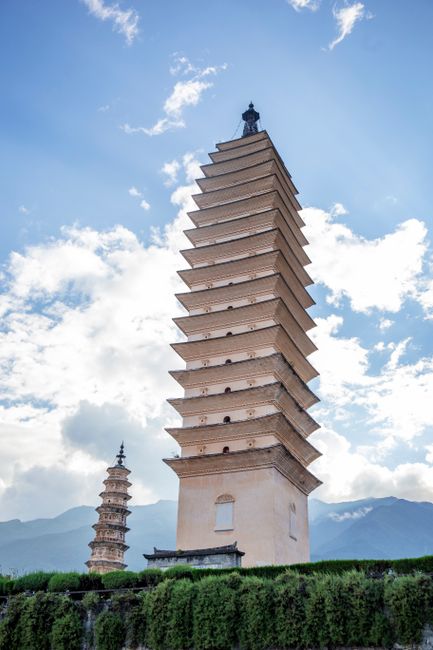
Dali Travel Guide
Plan a trip to Dali: the Old Town, the Erhai shore, Xizhou, Shuanglang and Xiaguan and where to stay, the Three Pagodas, the Cangshan…
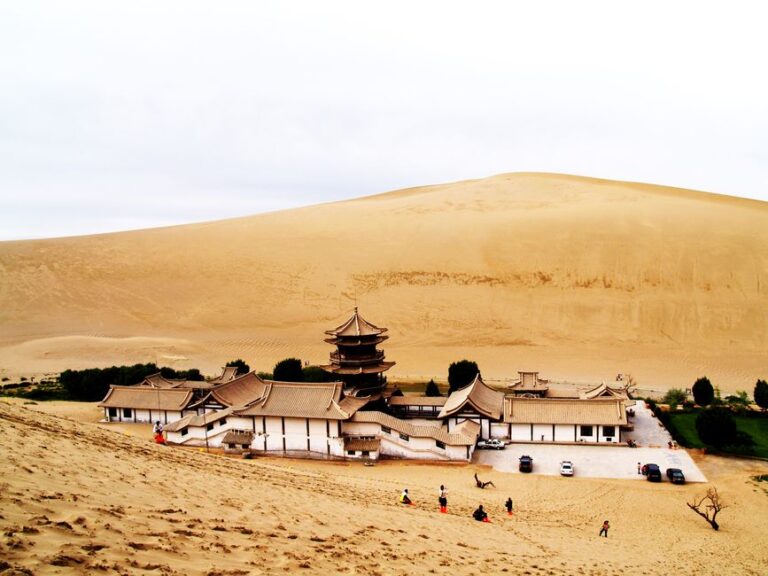
Dunhuang Travel Guide
Plan a trip to Dunhuang: the town center and Mingshan Road and where to stay, booking the Mogao Caves in 2026 with A and…
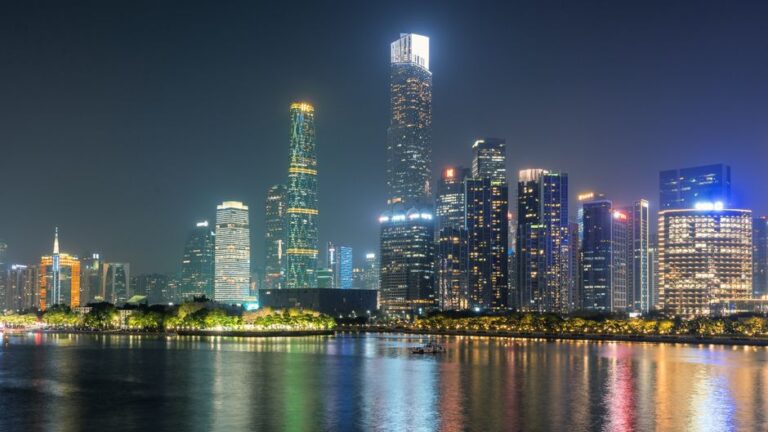
Guangzhou Travel Guide
Plan a trip to Guangzhou: where to stay, the Canton Tower and Pearl River night cruise, Shamian Island, the Chen Clan Ancestral Hall, Yuexiu…
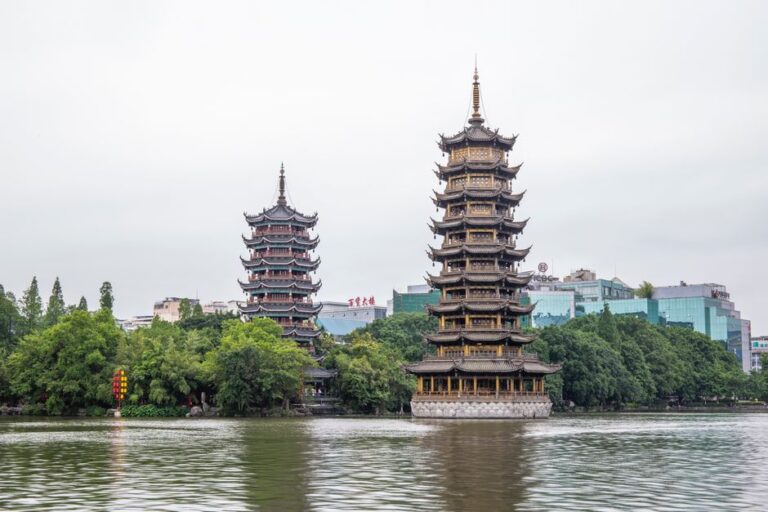
Guilin Travel Guide
Plan a trip to Guilin: where to stay in Guilin and Yangshuo, the Li River cruise and bamboo rafts, Elephant Trunk Hill, Reed Flute…
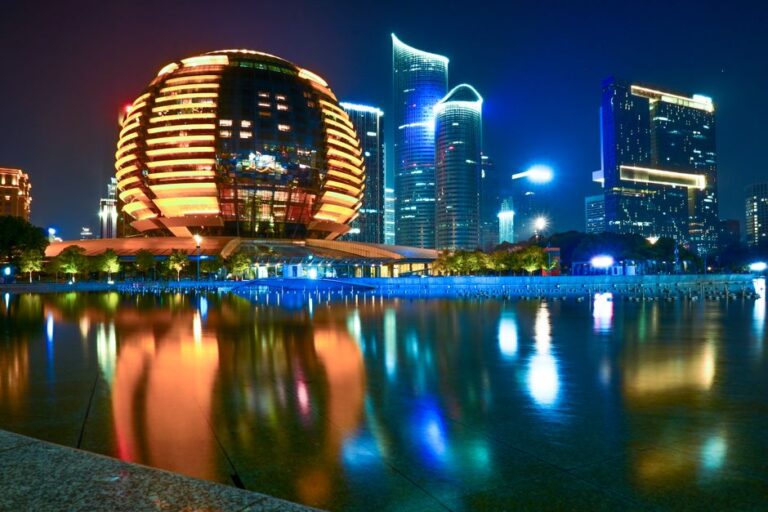
Hangzhou Travel Guide
Plan a trip to Hangzhou: where to stay, West Lake and its causeways, boats to the islands, the Leifeng Pagoda, Lingyin Temple and Feilai…
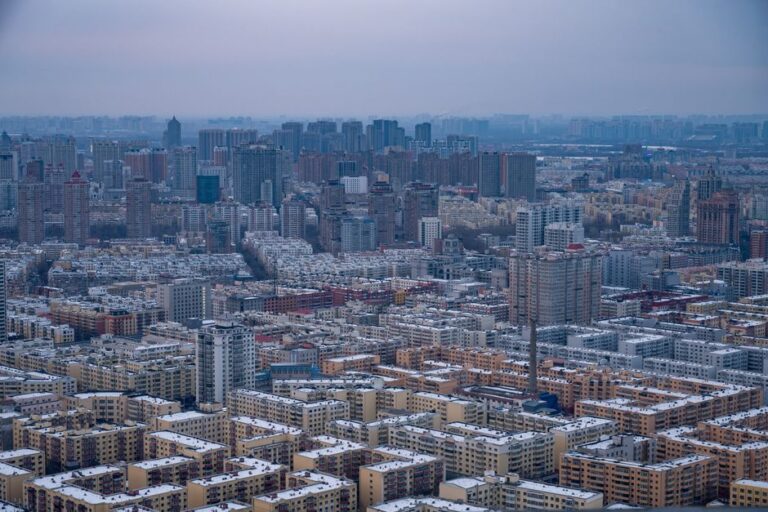
Harbin Travel Guide
Plan a trip to Harbin: Central Street, Daoli, Laodaowai and Songbei and where to stay, the Harbin Ice and Snow World season, dates and…
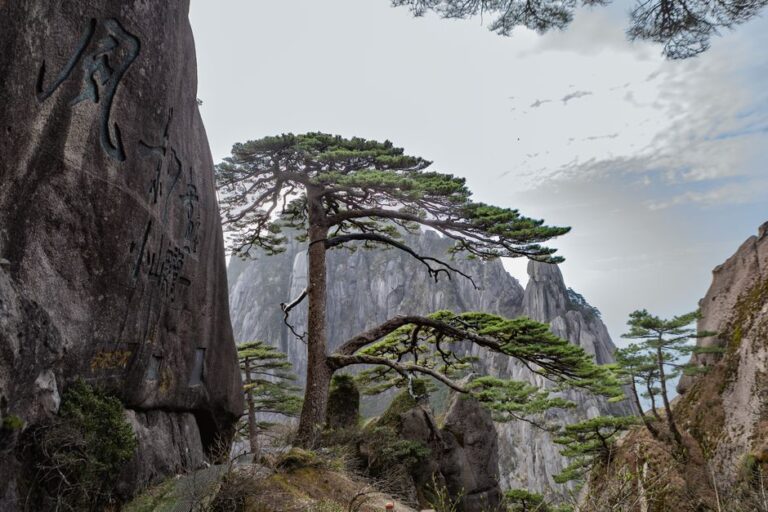
Huangshan Travel Guide
Plan a trip to Huangshan, the Yellow Mountain: Tangkou, the summit area and Tunxi and where to stay, the 2026 ticket (190 yuan, valid…
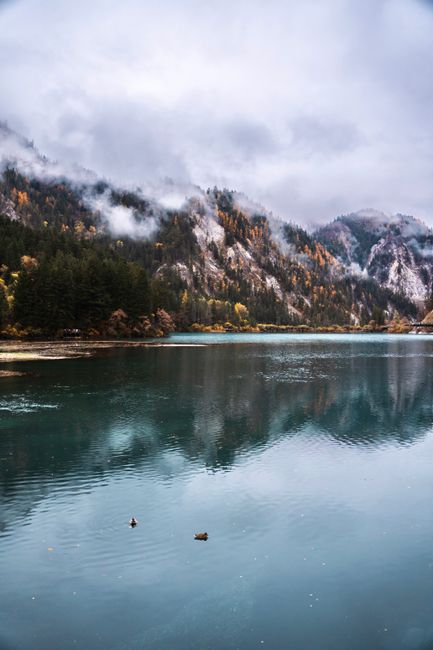
Jiuzhaigou Travel Guide
Plan a trip to Jiuzhaigou: the Shuzheng, Rize and Zechawa valleys, the 2026 tickets and park bus, real-name booking and the 41,000 daily cap,…
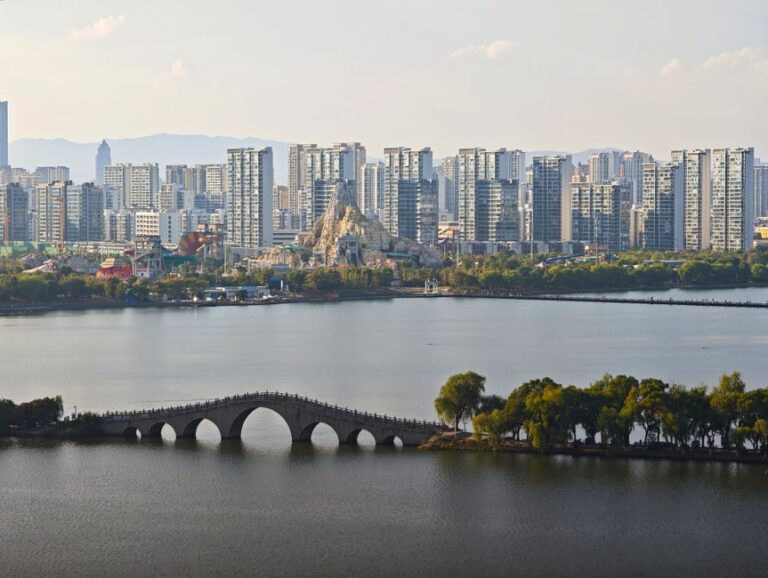
Kunming Travel Guide
Plan a trip to Kunming: Green Lake, Nanping Street, Laojie and the Dianchi shore and where to stay, Green Lake Park and the winter…

Lhasa Travel Guide
Plan a trip to Lhasa: the Tibet Travel Permit, organized tours and other permits, the old town and where to stay, booking the Potala…
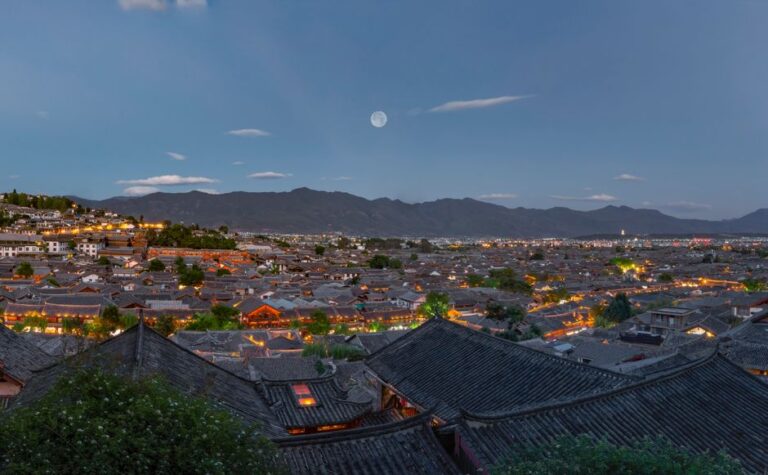
Lijiang Travel Guide
Plan a trip to Lijiang: Dayan Old Town, Shuhe, Baisha and the new city and where to stay, the 50-yuan Old Town maintenance fee…
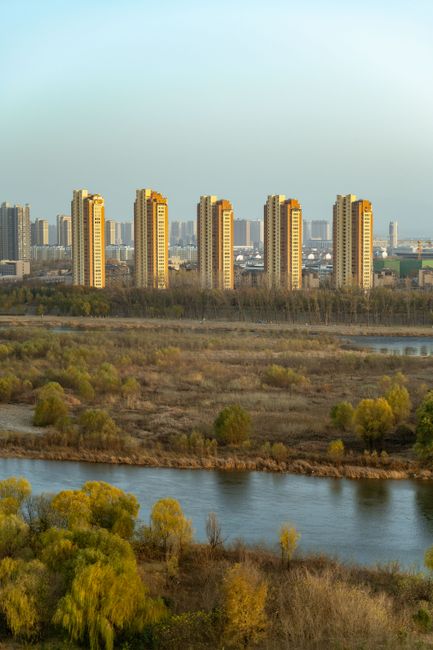
Luoyang Travel Guide
Plan a trip to Luoyang: the old town, Xigong and Luolong and where to stay, Longmen Grottoes tickets, hours, real-name booking and evening light…
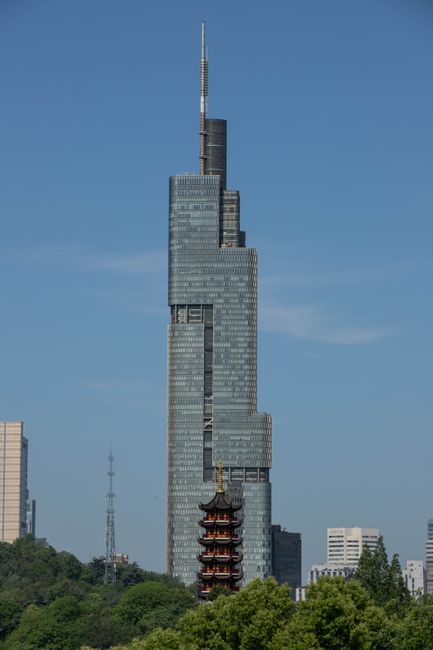
Nanjing Travel Guide
Plan a trip to Nanjing: Xinjiekou, the Confucius Temple and Qinhuai River, Gulou and Xuanwu Lake and where to stay, booking the free Sun…
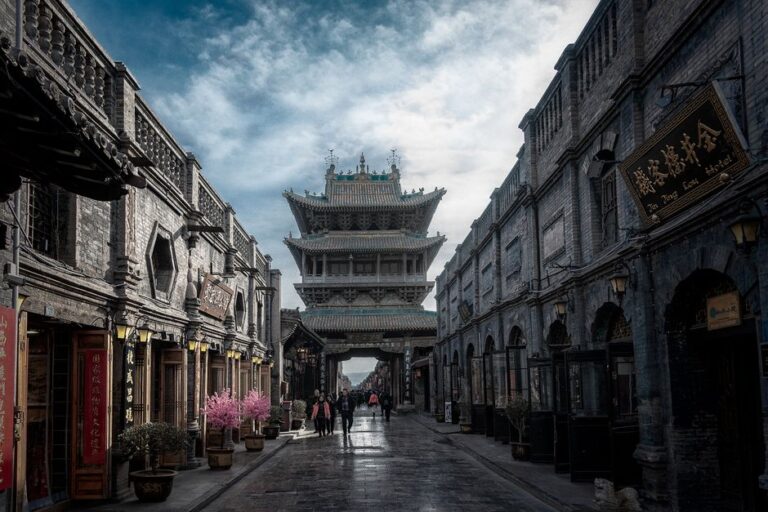
Pingyao Travel Guide
Plan a trip to Pingyao: South Street, the quiet lanes and courtyard inns inside the walls, the 125-yuan combined ticket for 22 sights, the…
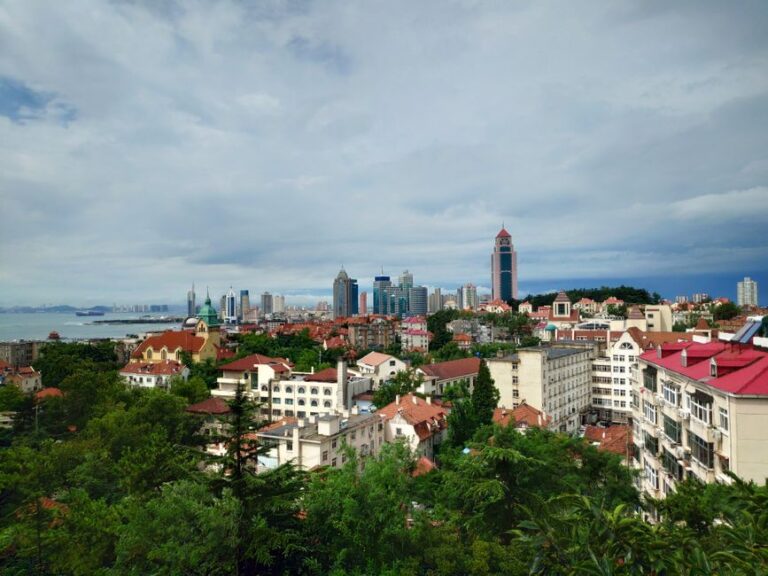
Qingdao Travel Guide
Plan a trip to Qingdao: the old town, Badaguan, May Fourth Square, Beer Street and Laoshan and where to stay, the Tsingtao Beer Museum's…
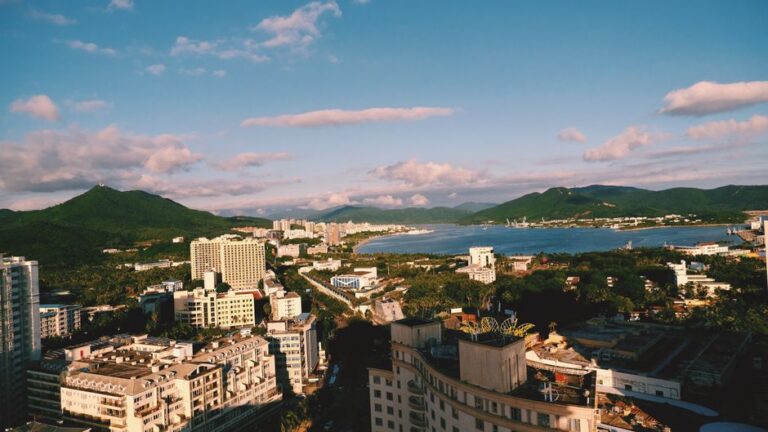
Sanya Travel Guide
Plan a trip to Sanya: Sanya Bay, Dadonghai, Yalong Bay and Haitang Bay and where to stay, the beaches, Nanshan and its Guanyin statue,…
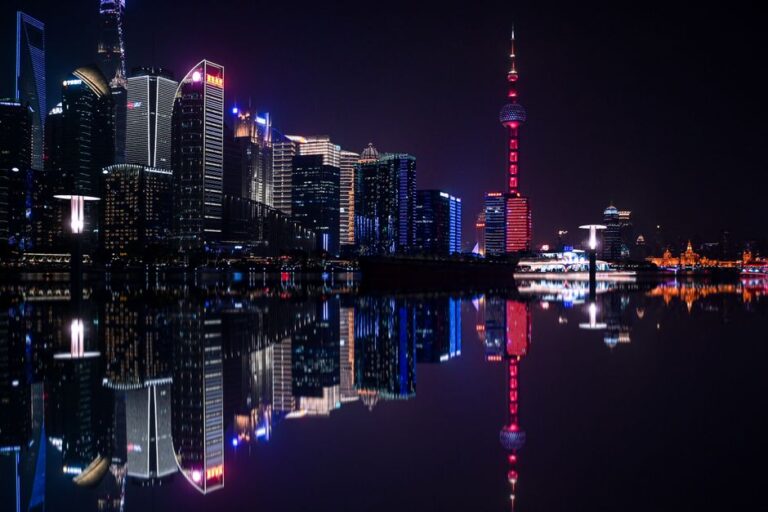
Shanghai Travel Guide
Plan a trip to Shanghai: where to stay, the Bund and the Lujiazui skyline, the Shanghai Tower, Yu Garden, the Shanghai Museum, the former…
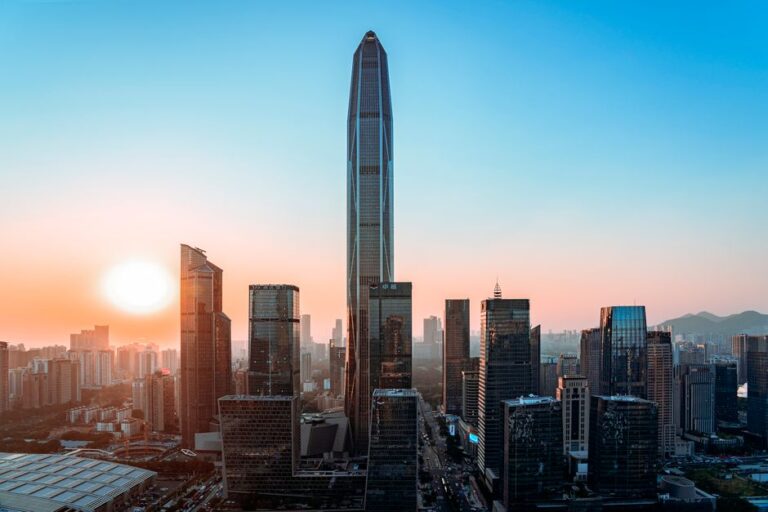
Shenzhen Travel Guide
Plan a trip to Shenzhen: where to stay, the Hong Kong border crossings and their hours, Shenzhen Bay Park, the Ping An Finance Centre,…
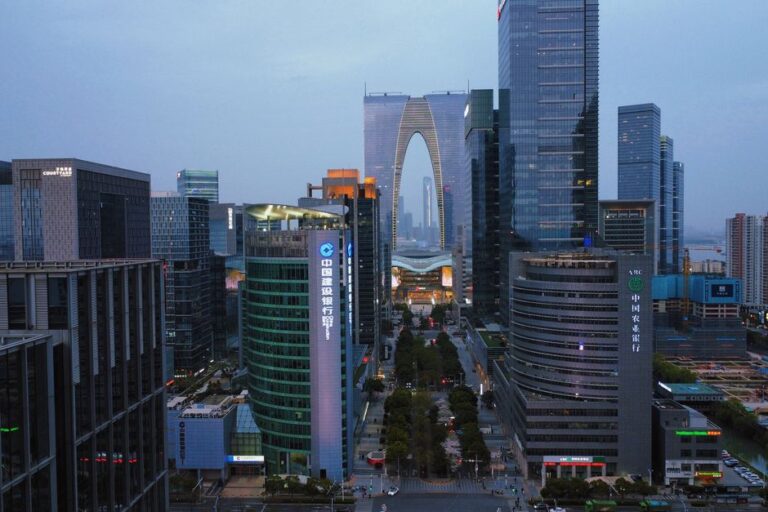
Suzhou Travel Guide
Plan a trip to Suzhou: where to stay, the classical gardens with real-name tickets, the Humble Administrator's Garden, the Lingering Garden, the Master of…
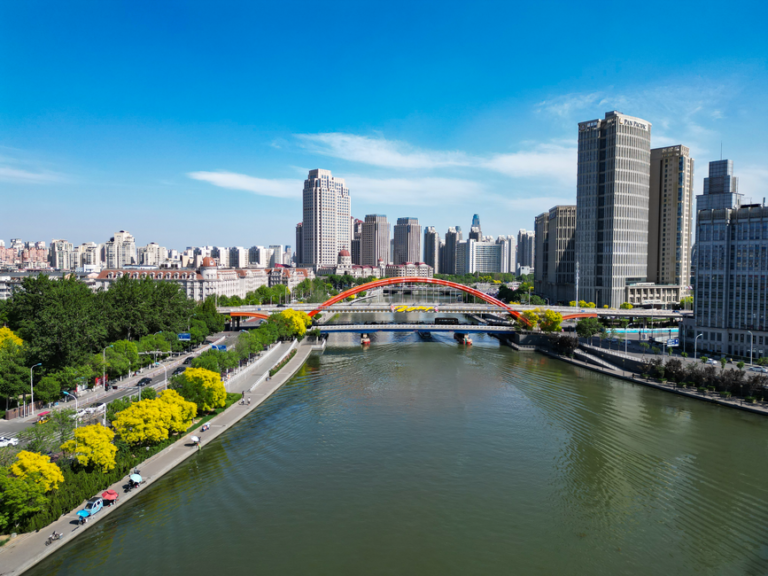
Tianjin Travel Guide
Plan a trip to Tianjin: the Five Great Avenues, the Italian Style Town, Jiefang North Road and where to stay, the Beijing–Tianjin intercity train,…
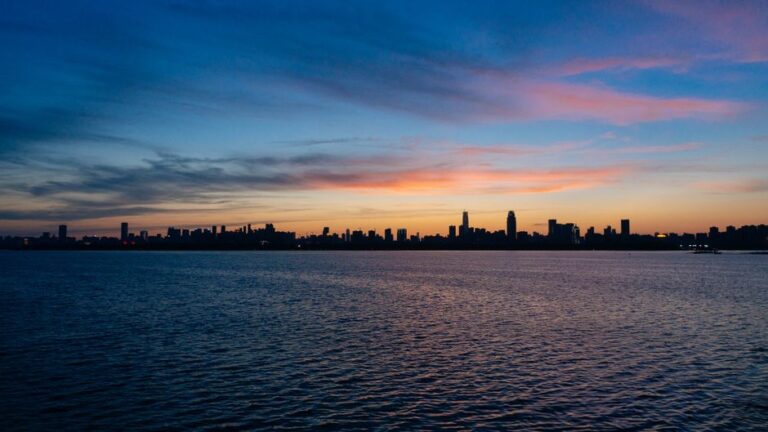
Wuhan Travel Guide
Plan a trip to Wuhan: Hankou, Wuchang, Hanyang and East Lake and where to stay, the Yellow Crane Tower ticket and hours, the Hubei…
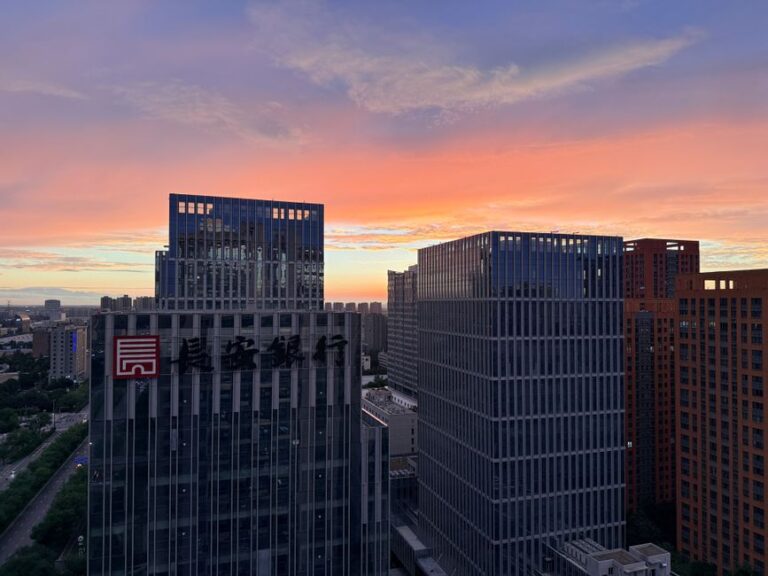
Xi’an Travel Guide
Plan a trip to Xi'an: where to stay, the Terracotta Army with its 120-yuan ticket and real-name booking, the city wall by bike, the…
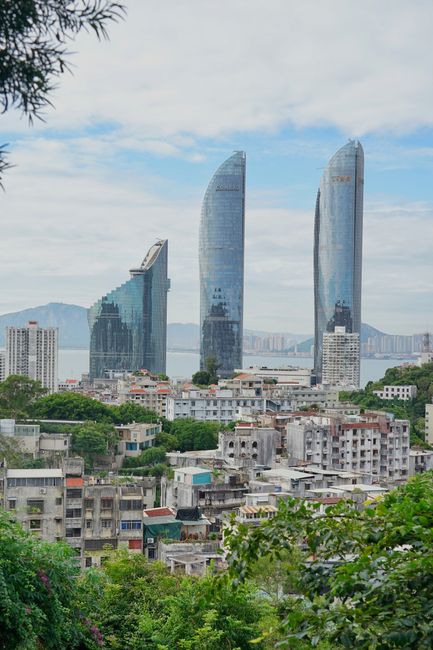
Xiamen Travel Guide
Plan a trip to Xiamen: Gulangyu, Zhongshan Road, Nanputuo and the Huandao Road and where to stay, Gulangyu ferry routes, fares and real-name booking…
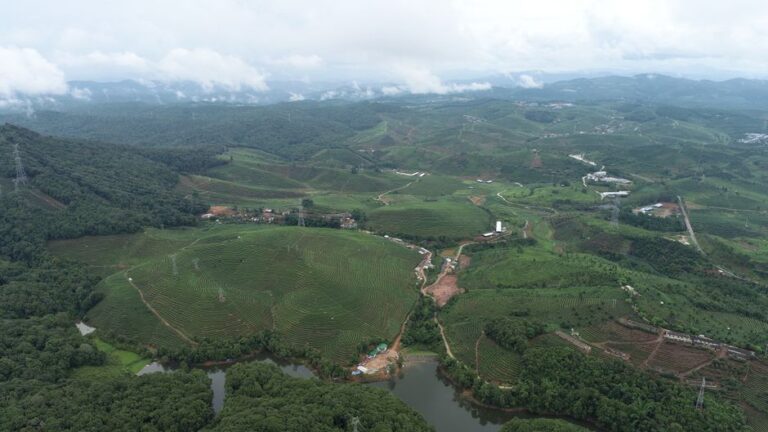
Xishuangbanna Travel Guide
Plan a trip to Xishuangbanna: Jinghong, Menglun, Ganlanba, Menghai and Mengla and where to stay, the Tropical Botanical Garden, Wild Elephant Valley, Dai temples…
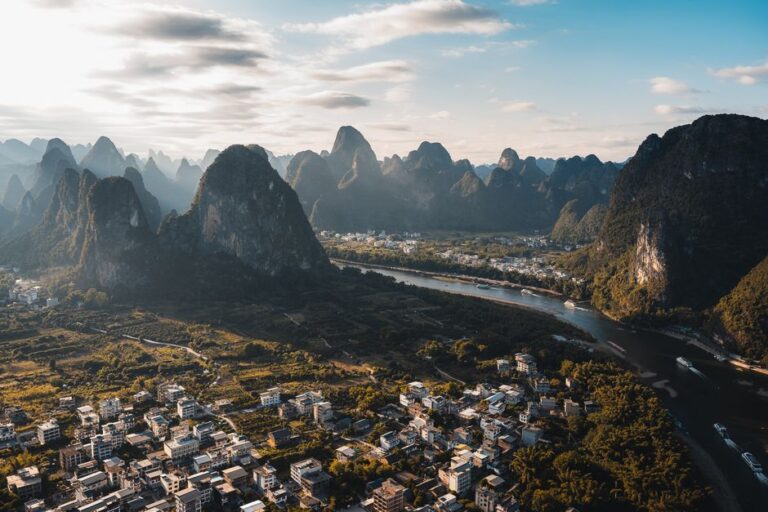
Yangshuo Travel Guide
Plan a trip to Yangshuo: West Street, the Li River, the Yulong River villages and Xingping and where to stay, Li River rafting from…
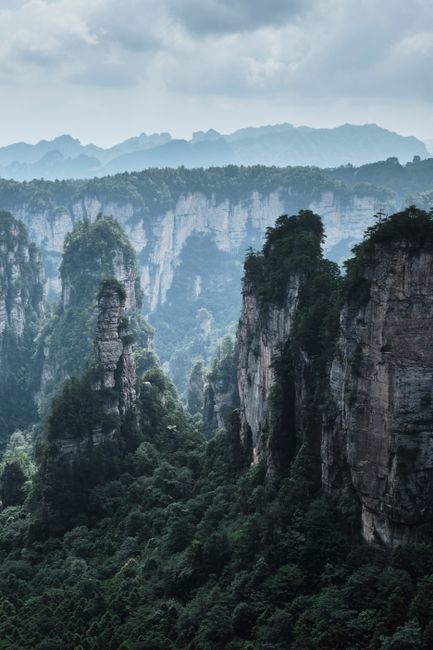
Zhangjiajie Travel Guide
Plan a trip to Zhangjiajie: Wulingyuan town, the Forest Park gate and the city and where to stay, the 165-yuan Wulingyuan ticket valid four…
Best time to visit China
China’s climate ranges from the subarctic northeast to the tropical south and the thin, dry air of Tibet, but a few rules hold for most trips. Spring (April–May) and autumn (September–October) are the best seasons almost everywhere: mild, mostly clear days and colorful landscapes. Summer (June–August) is hot and humid in the east and south, with the “plum rain” season in the Yangtze valley in June and July, heavy downpours and typhoons on the southern and eastern coasts from about May to November, and highs well above 30 °C (86 °F) in cities like Chongqing, Hangzhou and Shanghai. Winter (December–February) is cold and dry in the north, with Beijing nights well below freezing and Harbin around −17 °C (1 °F) on average in January, but mild in the far south, where Guangzhou and Hainan are pleasant. In the north, winter and spring can bring smog and spring dust.
The table uses the 1991–2020 climate normals of the China Meteorological Administration (CMA), as submitted to the World Meteorological Organization (WMO): average daily temperatures for January and July and total yearly precipitation, for one station in each main region.
| Area (station) | January average | July average | Precipitation a year | Wettest months |
|---|---|---|---|---|
| Beijing | −2.7 °C (27 °F) | 27.2 °C (81 °F) | about 530 mm (21 in) | July and August |
| Shanghai (Baoshan) | 4.9 °C (41 °F) | 28.8 °C (84 °F) | about 1,240 mm (49 in) | June to September |
| Guangzhou | 13.8 °C (57 °F) | 28.9 °C (84 °F) | about 1,950 mm (77 in) | April to September |
| Xi’an (Jinghe) | 0.4 °C (33 °F) | 27.5 °C (82 °F) | about 540 mm (21 in) | July to September |
| Chengdu (Wenjiang) | 5.5 °C (42 °F) | 25.4 °C (78 °F) | about 910 mm (36 in) | July and August |
| Kunming | 9.3 °C (49 °F) | 20.5 °C (69 °F) | about 990 mm (39 in) | June to August |
| Harbin | −17.3 °C (1 °F) | 23.7 °C (75 °F) | about 540 mm (21 in) | July and August |
| Lhasa | −0.3 °C (31 °F) | 16.5 °C (62 °F) | about 470 mm (19 in) | July and August |
| Sanya (Hainan) | 18.4 °C (65 °F) | 25.7 °C (78 °F) | about 1,720 mm (68 in) | July to October |
| Urumqi (Xinjiang) | −12.2 °C (10 °F) | 24.2 °C (76 °F) | about 310 mm (12 in) | April to July |
China month by month
| Month | Weather | Highlights | Crowds and prices |
|---|---|---|---|
| January | Cold and dry in the north; mild in the south | Harbin Ice and Snow World; winter sun in Hainan and Yunnan | Low, rising before Chinese New Year |
| February | Cold in the north; damp in the Yangtze valley | Chinese New Year (February 6 in 2027) and the Lantern Festival | Very high during the holiday week; many shops close for days |
| March | Warming; still cool in the north | Plum and early cherry blossom; rapeseed flowers in the south | Moderate |
| April | Mild and pleasant | Spring blossoms; Qingming festival in early April | Moderate; high around the holiday |
| May | Warm; rains begin in the south | One of the best months; May Day holiday (May 1–5) | Very high in the first week, then moderate |
| June | Hot and humid; plum-rain season in the east | Dragon Boat Festival; green rice terraces | Moderate |
| July | Hot; heavy rain in the north and south | Mountain resorts, Tibet and the northwest in season | High (school holidays) |
| August | Hot and humid; typhoons on the coast | Inner Mongolia grasslands, Gansu and Xinjiang | High (school holidays) |
| September | Warm, drier, clearer | Mid-Autumn Festival; one of the best months | Moderate |
| October | Mild and golden; first frosts in the north | Autumn colors; National Day Golden Week (October 1–7) | Very high in the first week, then moderate |
| November | Cool in the north; pleasant in the south | Autumn leaves in Beijing; Guilin and Yunnan at their best | Low to moderate |
| December | Cold and dry in the north | Christmas markets in big cities; Harbin festival begins | Low |
Holidays and peak travel
China’s public holidays move hundreds of millions of people, and trains, flights, hotels and big sights sell out. The busiest periods are Chinese New Year (the Spring Festival, January or February, with a travel rush of about 40 days around it), the May Day holiday at the start of May and the National Day “Golden Week” from October 1 to 7. Shorter breaks come at Qingming (early April), the Dragon Boat Festival (June) and the Mid-Autumn Festival (September or early October). Summer school holidays in July and August fill museums, theme parks and mountain resorts. If you must travel then, book trains and tickets as early as possible and visit popular sights at opening time.
Heat, rain, typhoons and air quality
Summers in the Yangtze valley and the south are hot and very humid, with heat indexes far above the shade temperature; plan sightseeing for mornings and evenings. Flooding and storms are common between May and November, and the typhoon season, normally from May to November, affects the southern and eastern coasts and can stop flights, trains and ferries. In the north, winter heating and spring dust can push air pollution up, though air quality has improved greatly in the last decade; check the air quality index in a weather app and carry a mask if you are sensitive. China also lies in an active earthquake zone, especially in the west and southwest.
How long to stay: sample itineraries
- One week: Beijing (3 nights, with a day on the Great Wall), the high-speed train to Xi’an (2 nights) and on to Shanghai (2 nights).
- 10 days: Beijing (3), Xi’an (2), Shanghai (3) with a day trip to Suzhou, and Hangzhou (2).
- Two weeks: add Chengdu (3) for the pandas and Sichuan food, and Guilin and Yangshuo (3) for the Li River.
- Three weeks: add Chongqing and a Yangtze cruise, Yunnan, Zhangjiajie or the Silk Road to Dunhuang; or finish in the south with Guangzhou, Shenzhen and Hong Kong.
The 30-day visa-free stay comfortably covers all of these. Using the 240-hour transit, you can fit a 10-day trip into an onward journey, for example flying into Beijing and leaving from Shanghai or Hong Kong to another country.
Entry, money and costs
Visa-free entry (last reviewed October 2026)
According to the National Immigration Administration (NIA) and Chinese embassies, ordinary passport holders from these countries can enter China without a visa for up to 30 days for business, tourism, visiting family or friends, exchanges or transit, under China’s unilateral visa-free policy: Andorra, Argentina, Australia, Austria, Bahrain, Belgium, Brazil, Brunei, Bulgaria, Canada, Chile, Croatia, Cyprus, Denmark, Estonia, Finland, France, Germany, Greece, Hungary, Iceland, Ireland, Italy, Japan, Kuwait, Latvia, Liechtenstein, Luxembourg, Malta, Monaco, Montenegro, the Netherlands, New Zealand, North Macedonia, Norway, Oman, Peru, Poland, Portugal, Romania, Saudi Arabia, Slovakia, Slovenia, South Korea, Spain, Sweden, Switzerland, the United Kingdom and Uruguay. For most of these countries, the policy runs until December 31, 2026; the United Kingdom and Canada were added from February 17, 2026. Russian citizens had a separate one-year arrangement from September 15, 2025 to September 14, 2026. Check whether these policies have been extended before you book. The 30 days are counted from midnight after the day you arrive, and you can enter several times; work, study and journalism always need a visa. Citizens of some other countries, including Singapore, Malaysia, Thailand, the United Arab Emirates, Qatar, Kazakhstan, Uzbekistan, Georgia and Serbia, can visit visa-free under mutual agreements, with their own stay limits. Everyone else, including citizens of the United States, needs a visa from a Chinese embassy or consulate, applied for through the online visa system, unless they use the transit rule below or enter through Hainan. Your passport should be valid for at least six months.
The 240-hour visa-free transit
If you are traveling through China to a third country or region, citizens of 57 countries, including the United States, Canada, the United Kingdom, most of Europe, Australia, New Zealand, Japan, South Korea, Singapore, Indonesia, Brazil, Mexico, Argentina, Chile, the United Arab Emirates, Qatar and, since August 20, 2026, Kyrgyzstan and Vietnam, can enter without a visa and stay up to 240 hours (10 days). You need an ordinary passport and a confirmed onward ticket with a date to a different country or region from the one you came from; Hong Kong and Macau count as separate regions, so Los Angeles–Beijing–Hong Kong qualifies, but a round trip from home does not. You must enter through one of 65 designated ports in 24 provinces, regions and municipalities, which include the airports of Beijing, Shanghai, Guangzhou, Shenzhen, Hangzhou, Xi’an, Chengdu, Chongqing, Guilin and many more, and the West Kowloon high-speed rail and Hong Kong–Zhuhai–Macao Bridge ports, and you may travel between all the permitted areas, crossing provinces, during your stay. In some provinces, such as Sichuan, Guangxi and Yunnan, only certain cities are included. Tell your airline at check-in that you are using visa-free transit. A separate 24-hour transit lets almost anyone change planes without a visa if they stay in the airport.
Hainan and other regional rules
Citizens of 61 countries, including the United States, can enter Hainan Island visa-free for up to 30 days, but must stay within Hainan Province. Some tour groups, such as cruise passengers and groups entering Guangdong from Hong Kong or Macau with a registered agency, have their own visa-free rules.
The arrival card
All foreign visitors, except a few groups such as those staying airside in 24-hour transit, need to complete an arrival card. Since November 20, 2025, you can submit it online free of charge before you travel, through the NIA’s official website, the “NIA 12367” app or the WeChat and Alipay mini-programs; you can also fill it in on kiosks or on paper at the airport. The NIA has warned about fake websites that charge for arrival cards; the official service is free.
Registration
Hotels register foreign guests with the police when you check in. If you stay in a private home, you or your host must register with the local police within 24 hours of arrival; since September 21, 2026, this can be done online nationwide through the NIA website, the “NIA 12367” app or the WeChat and Alipay mini-programs. Not all hotels and guesthouses are licensed to take foreign guests, so book through a platform that shows foreigner-friendly properties, and always carry your passport: you need it for hotels, trains, many museums and police checks, which do not accept copies.
Customs and rules to know
Declare cash above the equivalent of US$5,000 and anything that may be prohibited or subject to duty. Drug offenses are punished very severely, and police can test foreign nationals for drugs. Drones are strictly regulated. Avoid photographing military sites, police and government buildings, and stay away from demonstrations. Political, religious and ethnic topics are sensitive; posting or distributing material critical of the authorities can be treated as illegal.
Money: Alipay, WeChat Pay, cards and cash
China runs on mobile payments. The two big apps, Alipay and WeChat Pay (Weixin Pay), both accept foreign Visa, Mastercard, JCB, Diners Club and Discover cards, and WeChat Pay also American Express, according to the payment guide published by Chinese embassies. Set them up before you travel: download the app, register with your phone number, add your card and verify your identity with your passport; you then pay by scanning the merchant’s QR code or showing yours, from street stalls to taxis and museum tickets. Larger hotels, department stores and international restaurants accept foreign cards directly where the Visa or Mastercard logo is shown, and UnionPay cards work everywhere. Keep some cash in yuan for small vendors, rural areas and backup: ATMs accepting foreign cards are at airports and in city centers, and you can change money at banks and at exchange counters at the ports. Check banknotes carefully, especially 100-yuan notes.
Tipping
Tipping is not customary in China, and in most restaurants and taxis it is not expected. Tour guides and drivers on private tours appreciate a tip, and some upscale hotels and restaurants add a service charge.
What a trip costs
China can be done on any budget: food, transport and museum tickets are cheap, while international hotels in the big cities cost as much as in Europe. Prices are approximate, for October 2026, converted at about 6.74 yuan to the US dollar (the central parity rate at the end of September 2026).
| Item | Typical cost |
|---|---|
| Bowl of noodles or dumplings at a local restaurant | 15–35 CNY (about US$2.20–5.20) |
| Dinner in a mid-range restaurant | 80–200 CNY (about US$12–30) per person |
| Metro ride in a big city | 3–8 CNY (about US$0.45–1.20) |
| High-speed train Beijing–Shanghai, second class | 550–700 CNY (about US$82–104) |
| Forbidden City ticket (April–October) | 60 CNY (about US$8.90) |
| Terracotta Army ticket | 120 CNY (about US$18) |
| Mid-range hotel double, per night | 400–900 CNY (about US$59–134) |
| Daily budget, mid-range | 600–1,200 CNY (about US$89–178) per person |
Getting there and getting around
Airports and borders
The main international gateways are Beijing (Capital and Daxing), Shanghai (Pudong), Guangzhou (Baiyun) and Chengdu (Tianfu), with growing long-haul networks at Shenzhen, Hangzhou, Chongqing and Xi’an. Many travelers also arrive via Hong Kong and cross into Shenzhen by metro, bus or the high-speed train from West Kowloon, or via Macau to Zhuhai. Land borders open to foreigners include crossings to Vietnam (by road at Hekou and Youyi Guan and by train toward Hanoi), Laos by the China–Laos Railway from Kunming to Vientiane via Mohan, Kazakhstan at Khorgos, Kyrgyzstan over the Torugart and Irkeshtam passes, and Mongolia at Erenhot on the Trans-Mongolian Railway from Beijing to Ulaanbaatar and Moscow. See also our Japan, South Korea and Hanoi guides.
High-speed trains and 12306
China’s high-speed rail network, the largest in the world, is the best way to travel between cities: Beijing to Shanghai takes about 4.5–6 hours, Beijing to Xi’an about 4.5–6 hours, and Shanghai to Hangzhou about an hour. Trains are fast, clean and punctual, with second-class, first-class and business-class seats; G-trains are the fastest, D-trains a little slower, and there are overnight sleeper trains on long routes. Tickets are real-name: you buy them with your passport number, and foreign passengers can book on the official 12306 website or app (in English) or at station ticket windows. Sales open several days in advance (about 15 days on most routes) and sell out at holidays. Once you have booked, the passport itself is your ticket: show it at the station entrance, the security check and the gates, and use the staffed gate if the automatic gate doesn’t read your passport. Arrive at least 30–45 minutes before departure at big stations, where security lines can be long, and note that many cities have several stations, such as Shanghai Hongqiao and Beijing South. Refunds on 12306 are free more than eight days before departure and cost 5–20% closer to the time.
Domestic flights
Domestic flights link all major cities and are the best option for long distances, such as Beijing to Chengdu, Guilin or Kunming. Book with your passport, and allow time for thorough security checks.
Getting around cities
Big cities have extensive, cheap, signposted metro systems with English announcements; you can pay with Alipay or WeChat Pay QR codes, a transport card or a single ticket. Taxis are inexpensive; use metered taxis or ride-hailing through DiDi, which works inside the Alipay and WeChat apps and in English. Shared bicycles are everywhere, unlocked with the same apps. Car rental is impractical for most visitors, because you need a Chinese driving license; foreign and international driving permits are not recognized.
World Heritage Sites and national parks
China has about 60 UNESCO World Heritage Sites, second only to Italy. Highlights include:
- Imperial palaces and tombs: the Forbidden City in Beijing (inscribed in 1987, with the Mukden Palace in Shenyang), the Temple of Heaven and the Summer Palace (both 1998), the Ming and Qing imperial tombs (2000), the Mausoleum of the First Qin Emperor with the Terracotta Army (1987) and the Beijing Central Axis (2024).
- The Great Wall (1987), the Grand Canal (2014) and the Silk Roads (2014), with sites in Xi’an and along the corridor to Central Asia.
- Gardens and cultural landscapes: the Classical Gardens of Suzhou (1997), the West Lake Cultural Landscape of Hangzhou (2011), the Old Town of Lijiang, the ancient city of Pingyao and the Longmen, Yungang and Mogao grottoes.
- Natural sites: the South China Karst, including Guilin and Wulong near Chongqing, Wulingyuan (Zhangjiajie), Jiuzhaigou, Huangshan, the Sichuan Giant Panda Sanctuaries, Mount Emei with the Leshan Giant Buddha, and Mount Qingcheng with the Dujiangyan irrigation system.
Most big sights now use real-name online booking with your passport, often through the site’s own website or WeChat account, with daily caps on visitors: the Forbidden City, the Terracotta Army, the Chengdu panda base, the Great Wall at Mutianyu and Badaling, and the Suzhou gardens all work this way. Many museums are free but need a booking and close on Mondays. See our hiking and city sightseeing guides.
Culture, food and everyday etiquette
Food
Chinese food is a world of regional cuisines. Beijing is known for Peking duck and northern wheat noodles and dumplings; Shanghai and the Yangtze delta for xiaolongbao soup dumplings, braised pork and sweet, delicate flavors; Guangdong for Cantonese dim sum (yum cha), roast meats and seafood; Sichuan and Chongqing for mapo tofu, kung pao chicken and numbing, fiery hotpot made with Sichuan pepper; Xi’an for biangbiang noodles, roujiamo “burgers” and the Muslim Quarter’s lamb skewers; and Guilin for its rice noodles. Tea is the national drink, from Hangzhou’s Longjing green tea to Yunnan’s pu’er, and fruit-and-milk tea chains are everywhere. Tap water is not drinkable; hotels provide boiled or bottled water. Vegetarians will find tofu and vegetable dishes everywhere, but meat stock and lard are common, so look for Buddhist vegetarian restaurants near temples.
Etiquette
Chinese hospitality is warm and generous. In restaurants, dishes are shared at the table, and hosts often order and pay for everyone; don’t stick chopsticks upright in rice. Dress modestly and speak quietly in temples; follow signs on photography. Learn a few words of Mandarin: nǐ hǎo (hello), xièxie (thank you), duōshǎo qián? (how much?), bú yào (I don’t want it) and mǎidān (the bill, please).
Internet, apps and VPNs
Internet access in mainland China is controlled. Many foreign services, including Google (Search, Maps and Gmail), Facebook, Instagram, X, YouTube and WhatsApp, can’t be reached on Chinese mobile and Wi-Fi networks, and access can be further limited around key political dates. China’s cybersecurity laws require online services such as VPNs to be licensed by the government. In practice, most visitors rely on Chinese apps: WeChat for messaging and payments, Alipay for payments and taxis, Amap or Baidu Maps for navigation (Apple Maps also works well in China), and a translation app. Roaming on a foreign SIM card or eSIM routes data through your home network, which many travelers use to keep their usual apps. Local SIM cards from China Mobile, China Unicom and China Telecom are sold at airports and shops with your passport. Download the apps you need and set up payments before you leave home.
Safety, health and connectivity
China is generally safe for visitors: violent crime against foreigners is rare, and city centers are busy and well policed late at night. These are the main things to know:
- Traffic: traffic is the biggest everyday risk. Cars turn on red, electric scooters move silently on sidewalks and bike lanes, and drivers don’t always yield at crossings; look both ways, even on one-way streets. Use metered taxis or DiDi rather than unmarked cars, and wear a seat belt.
- Scams: in tourist areas, friendly strangers may invite you to a “tea tasting,” art gallery or bar, then demand a very large bill. Avoid unofficial guides and ticket touts at big sights, and buy tickets only through official channels.
- Petty crime: watch your phone and bags in crowds, on night trains and at big sights during holidays.
- Heat and floods: summers are hot and humid in the east and south; carry water, and check forecasts for heavy rain, floods and typhoons from May to November.
- Air quality: check the air quality index in the north in winter and spring; it can be poor on some days.
- Hiking: don’t hike alone on unrestored “wild” sections of the Great Wall or in remote mountains; weather changes fast and rescue can be far.
- Laws: carry your passport at all times; drug laws are extremely strict, and physical altercations, even small ones, can lead to detention.
- Health: big cities have international clinics and hospital departments for foreigners, but they expect payment upfront; have travel insurance. Altitude sickness is a real risk in Tibet and western Sichuan and Yunnan.
- Emergencies: call 110 for police, 120 for an ambulance and 119 for fire; the NIA’s 12367 hotline answers immigration questions in English.
Mobile coverage is excellent across cities and along rail lines, and free Wi-Fi is common in hotels, cafés and stations, though it often requires a Chinese phone number to log in.
Things to do: palaces, pandas, rivers and food
Walk the Great Wall at Mutianyu, explore the Forbidden City and the hutongs of Beijing, face the Terracotta Army in Xi’an and cycle on its city wall, watch giant pandas at breakfast time in Chengdu, cruise the Li River through the karst to Yangshuo, row on West Lake and sip Longjing tea in Hangzhou, stroll through Suzhou’s gardens, ride the maglev and see the Bund lit up in Shanghai, eat dim sum in Guangzhou and hotpot in Chongqing, and take the high-speed train across the country. See our city sightseeing, boat trips, cycling and hiking guides. China combines naturally with Hong Kong and Macau, Mongolia by the Trans-Mongolian Railway, Luang Prabang by the China–Laos Railway, Almaty across the Silk Road, and Tokyo or Seoul by air.
China travel FAQ
Do I need a visa to visit China?
Not if you hold an ordinary passport from one of the about 50 countries on China’s unilateral visa-free list, including the UK, Canada, Australia, New Zealand, Japan, South Korea and most of Europe: you can stay up to 30 days for tourism or business until December 31, 2026. US citizens and others need a visa, unless they use the 240-hour transit or enter Hainan.
Can US citizens visit China without a visa?
Only in transit or in Hainan. US citizens can use the 240-hour visa-free transit when flying on to a third country or region, such as Hong Kong, Japan or Korea, and can visit Hainan Island visa-free for up to 30 days; otherwise they need a tourist (L) visa.
How does the 240-hour visa-free transit work?
Citizens of 57 countries can enter through one of 65 designated ports and stay up to 10 days in the permitted areas of 24 provinces, if they hold a confirmed onward ticket to a different country or region from the one they came from.
Do I need to fill in an arrival card?
Yes, most foreign visitors do. You can submit it free of charge online before you travel through the NIA’s website, the “NIA 12367” app or the WeChat and Alipay mini-programs, or fill it in at the airport.
Can I use Alipay and WeChat Pay with a foreign card?
Yes. Both apps accept foreign Visa and Mastercard cards, among others; set them up before you travel and verify your identity with your passport. Carry some cash as a backup.
Can I use Google, WhatsApp and Instagram in China?
Not on Chinese networks: these and many other foreign services are blocked. Most visitors use Chinese apps such as WeChat, Alipay and Amap; roaming data on a foreign SIM or eSIM goes through your home network.
How do I book high-speed train tickets in China?
On the official 12306 website or app in English, or at the station, with your passport. Your passport is your ticket at the gates; book early for holidays.
What is the best time to visit China?
April to May and September to October, when most of the country is mild and clear. Avoid the national holiday weeks, especially early October and Chinese New Year.
When is Golden Week in China?
The National Day Golden Week runs from October 1 to 7. Trains, hotels and sights are extremely busy, so book early or travel just before or after it.
Do I need to register with the police in China?
Hotels register you at check-in. If you stay in a private home, you or your host must register within 24 hours, now possible online through the NIA’s apps and website.
Is China safe for tourists?
Yes. Violent crime against visitors is rare. The main risks are traffic, scams in tourist areas, summer heat and floods, and petty theft in crowds.
How many days do I need in China?
At least 10 days for Beijing, Xi’an and Shanghai; two to three weeks to add Chengdu, Guilin, Hangzhou or Suzhou.
Can I visit Hong Kong and return to mainland China visa-free?
Yes, if you are on the 30-day visa-free list: you can enter several times, and each entry starts a new stay of up to 30 days. Hong Kong and Macau have their own entry rules.
Sources and last review
Researched and last reviewed on 4 October 2026. The unilateral visa-free list and the 30-day rule: the National Immigration Administration (NIA) and the Chinese embassies in the United Kingdom and Canada, including the extension to December 31, 2026 and the addition of the UK and Canada from February 17, 2026; mutual visa exemptions: the Ministry of Foreign Affairs’ consular service; the 240-hour and 24-hour transit, the 57 countries, 65 ports and permitted areas, Kyrgyzstan and Vietnam from August 20, 2026, the Hainan 30-day policy and regional group rules: the NIA; the arrival card and the warning about fake websites: the NIA and the Chinese Embassy in the UK; online accommodation registration from September 21, 2026: the NIA; payments: the payment guide published by Chinese embassies; the exchange rate: the CFETS central parity rate of September 30, 2026; train tickets, passports and refunds: China Railway’s official 12306 site; Forbidden City, Terracotta Army and panda base bookings: the sites’ official pages; climate normals: the China Meteorological Administration via the World Meteorological Organization’s 1991–2020 normals. Internet controls, VPN licensing, scams, taxis, typhoons, floods, drugs, police checks and driving licenses are also described in the UK government’s factual entry and safety pages. The Russian arrangement’s status after September 2026, the 12306 presale period, the customs cash threshold, the Tibet permit, the UNESCO total, holiday dates, journey times, population, history and typical prices are general references or estimates, flagged for checking. Rules change, so check the official sites before you go.
Plugs and power in China
China uses 220 V, 50 Hz and these plugs (left) and wall sockets (right):
Hotel sockets often take Type A and C plugs too.
All plug types and voltages by country → · Check what you need to pack →
Plan your trip
Partner links: TravelerCenter may earn a commission if you book, at no extra cost to you.
🇨🇳 Useful Mandarin Chinese phrases for China
All 38 Mandarin Chinese phrases: restaurant, hotel, emergencies, romance (printable) →