Short answer: with 7 days, do the classic triangle by high-speed train: three nights in Rome, two in Florence and a night in Venice, flying into Rome and out of Venice. With 10 days, start in the south with Pompeii and the Amalfi Coast, then go north through Rome and Florence to Venice. With 14 days, make a grand tour from Venice and Lake Como through Florence and Tuscany to Rome and the Amalfi Coast, or spend a slower fortnight with the Cinque Terre and a second week in Sicily or Puglia. You only need a car for the Tuscan countryside.
This guide turns the sample trips on our Italy travel guide into day-by-day plans, with real train times between the stops and the best area to sleep in each night. To choose your dates, read our best time to visit Italy guide; for the highlights in a few minutes, see our top places to visit in Italy. For a plan built around your dates and interests, use our AI trip planner. Everything here was checked as of October 2026.
The three routes at a glance
| Route | Days | Stops (nights) | Best for |
|---|---|---|---|
| The classic triangle | 7 | Rome (3), Florence (2), Venice (1) | First trip, art and history, no driving |
| South to north | 10 | Sorrento (2), Rome (3), Florence (2), Venice (2) | Pompeii, the Amalfi Coast and the big three cities |
| Grand tour | 14 | Venice (2), Lake Como (2), Florence (3), Siena (1), Rome (3), Sorrento or the Amalfi Coast (2) | A full first look at Italy, lakes, Tuscany and the coast |
| Cities, coast and an island | 14 | Rome (3), Florence (3), Cinque Terre (2), then Sicily or Puglia (5) | Return visitors, beach and food lovers |
Book an “open-jaw” flight: into Rome and out of Venice for the 7-day route, into Naples and out of Venice for 10 days, into Venice and out of Naples for the grand tour. It saves half a day of backtracking. Most fast trains leave from Roma Termini, Firenze Santa Maria Novella, Venezia Santa Lucia, Milano Centrale and Napoli Centrale, all in the city center.
Travel times between the main stops
These are the legs used in the plans below. High-speed times are the fastest direct Italo journeys listed on Italo’s route pages; Trenitalia’s Frecciarossa runs on the same lines with similar times, and trains with more stops take longer. Ferry times come from the operators where we could read them; the rest are approximate.
| Leg | Fastest public transport | Time | Source |
|---|---|---|---|
| Rome – Florence | High-speed train | from 1 h 25 | Italo |
| Florence – Venice | High-speed train | from 2 h | Italo |
| Rome – Venice | High-speed train | from 3 h 34 | Italo |
| Rome – Naples | High-speed train | from 55 min | Italo |
| Rome – Salerno | High-speed train | from 1 h 39 | Italo |
| Naples – Salerno | High-speed train | from 36 min | Italo |
| Florence – Bologna | High-speed train | from 37 min | Italo |
| Florence – Milan | High-speed train | from 1 h 43 | Italo |
| Venice – Verona | High-speed train | from 1 h 01 | Italo |
| Verona – Milan | High-speed train | from 1 h 12 | Italo |
| Milan Centrale – Varenna (Lake Como) | Trenord regional train, about hourly | about 1 h 05 | Trenord |
| Salerno – Amalfi / Amalfi – Positano | Travelmar ferry (seasonal) | 35 min / 25 min | Travelmar |
| Naples – Pompei Scavi / Sorrento | Circumvesuviana train | about 35–40 min / about 1 h 10 (approximate) | Approximate |
| Sorrento – Positano | SITA bus | about 40–50 min (approximate) | Approximate |
| Naples / Sorrento – Capri | Fast ferry | about 50 min / about 20–25 min (approximate) | Approximate |
| Florence – Siena | Regional train or bus | about 1 h 30 (approximate) | Approximate |
| Florence – Pisa | Regional train | about 1 h (approximate) | Approximate |
Two companies run high-speed trains, Trenitalia and Italo, with separate tickets, so compare both. Seats on high-speed trains are reserved with the ticket, and cheaper fares go first.
7 days: Rome, Florence and Venice
The classic first trip, all by train. Fly into Rome and out of Venice. Book the Colosseum, the Vatican Museums, the Uffizi and the Accademia before you go.
- Day 1, ancient Rome: The Colosseum, the Roman Forum and the Palatine Hill on one 24-hour ticket (€18; tickets are named, sold from 30 days ahead, and you must arrive 15 minutes before your slot). Sunset from the Capitoline Hill. Sleep: Centro Storico or Monti.
- Day 2, the Vatican: The Vatican Museums and the Sistine Chapel early, then St Peter’s Basilica. Afternoon at Castel Sant’Angelo and a walk across the Tiber to Trastevere for dinner. Sleep: same.
- Day 3, the center: The Pantheon, Piazza Navona, the Trevi Fountain (the basin area costs €2 from 9:00 to 22:00 and is free at night) and the Spanish Steps, or the Borghese Gallery, where booking is compulsory and it closes on Mondays. Sleep: same.
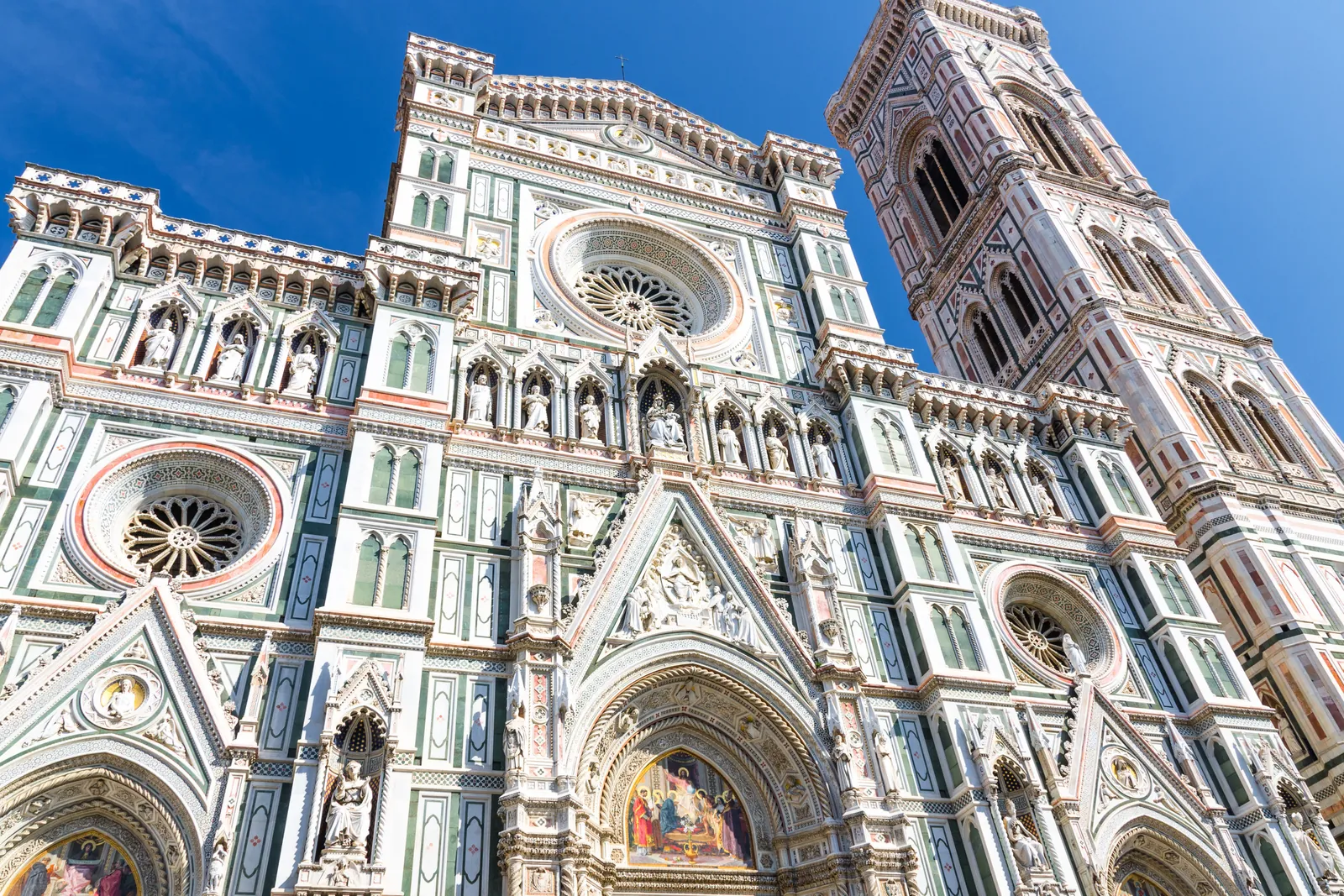
- Day 4, to Florence: Morning high-speed train (from 1 h 25). The Duomo and a climb of Brunelleschi’s dome or Giotto’s bell tower, the Ponte Vecchio, then sunset at Piazzale Michelangelo. Sleep: near the Duomo or Santa Maria Novella (2 nights).
- Day 5, Florence: The Uffizi and Michelangelo’s David at the Accademia (both closed on Mondays), lunch at the Mercato Centrale, the Oltrarno’s workshops and the Boboli Gardens.
- Day 6, to Venice: Early train (from 2 hours) so you arrive by mid-morning. St Mark’s Basilica and the Doge’s Palace, then lose yourself in Cannaregio and Castello, and take vaporetto line 1 down the Grand Canal at dusk. Sleep: Cannaregio, San Polo or near San Marco (1 night).
- Day 7, Venice and home: Rialto market in the morning, a gondola or traghetto ride, then the water bus or airport bus to Marco Polo airport for an afternoon flight.
Swap it: if you prefer more time in Venice, cut Rome to two nights; if you would rather see the Tuscan hills, spend day 5 in Siena or on a Pisa and Lucca day trip. More on each city: Rome, Florence and Venice.
10 days: Pompeii and the Amalfi Coast, then Rome, Florence and Venice
Start in the south and travel north, so you finish in Venice. Fly into Naples and out of Venice. This route is best from April to October, when the coastal ferries run.
- Day 1, Pompeii: From Naples airport, take the bus to Napoli Centrale and the Circumvesuviana train to Pompei Scavi (about 35 to 40 minutes). Visit Pompeii on a named, timed ticket (bags no bigger than 30 × 30 × 15 cm; luggage storage at the entrances), then continue to Sorrento. Sleep: Sorrento (2 nights).
- Day 2, the Amalfi Coast or Capri: SITA bus to Positano (about 40 to 50 minutes), the Travelmar ferry on to Amalfi (25 minutes), and a bus up to Ravello’s villa gardens; or a fast ferry to Capri (about 20 to 25 minutes) for the Gardens of Augustus and the Blue Grotto, if the sea is calm.
- Day 3, to Rome: Circumvesuviana back to Naples and a high-speed train to Rome (from 55 minutes), or a morning in Naples’ historic center first: pizza, Spaccanapoli and the National Archaeological Museum (closed Tuesdays). Sleep: Centro Storico or Monti (3 nights).
- Days 4–5, Rome: Ancient Rome on one day and the Vatican on the other, with the Pantheon, Trevi and Trastevere in the evenings.
- Day 6, to Florence: Train in the morning; the Duomo and Piazzale Michelangelo. Sleep: near the Duomo (2 nights).
- Day 7, Florence: The Uffizi, the Accademia and the Oltrarno.
- Day 8, to Venice: Train (from 2 hours); St Mark’s Square and the Doge’s Palace. Sleep: Cannaregio or San Polo (2 nights).
- Day 9, the lagoon: Vaporetto to the glassmakers of Murano and the colored houses of Burano, and back for an evening of cicchetti (Venetian bar snacks).
- Day 10, home: From Marco Polo airport.
Swap it: you can stay on the coast itself instead of Sorrento: Positano or Amalfi town are lovelier but harder to reach with bags; leave via the Travelmar ferry from Amalfi to Salerno (35 minutes) and the train from Salerno to Rome (from 1 h 39). Details: Amalfi Coast, Sorrento and Naples.
14 days: the grand tour, Venice to the Amalfi Coast
Two weeks from north to south: Venice, the lakes, Florence and the Tuscan hills, Rome, and the coast at the end. Fly into Venice and home from Naples.
- Days 1–2, Venice: St Mark’s, the Doge’s Palace, the Grand Canal and a lagoon day to Murano and Burano. Sleep: Cannaregio or San Polo (2 nights).
- Day 3, Verona to Lake Como: Train to Verona (from 1 h 01), leave bags at the station, see the Arena and Piazza delle Erbe, then on to Milan (from 1 h 12) and the regional train to Varenna (about 1 h 05). Sleep: Varenna, Bellagio or Menaggio (2 nights).
- Day 4, Lake Como: Hop between Varenna, Bellagio and Menaggio on the ferries, and visit Villa del Balbianello near Lenno (booking required; closed on Mondays and Wednesdays, and open only on selected dates from December).
- Day 5, Milan to Florence: Back to Milan for the Duomo roof and, if you booked months ahead, Leonardo’s Last Supper, then the train to Florence (from 1 h 43). Sleep: near the Duomo (3 nights).
- Days 6–7, Florence: The Uffizi, the Accademia, the Duomo complex, the Oltrarno, and a half-day in Pisa and Lucca if you like.
- Day 8, Tuscany: Pick up a car (outside the ZTL, the camera-enforced limited traffic zone) and drive through Chianti to San Gimignano and on to Siena. Sleep: Siena or a farm stay (1 night).
- Day 9, Siena to Rome: The Piazza del Campo and the cathedral in the morning, return the car and take the train or bus to Rome. Sleep: Centro Storico or Monti (3 nights).
- Days 10–11, Rome: Ancient Rome, the Vatican, the center and Trastevere.
- Day 12, Pompeii and the coast: High-speed train to Naples (from 55 minutes), the Circumvesuviana to Pompeii, then on to Sorrento. Sleep: Sorrento, or Positano or Amalfi (2 nights).
- Day 13, the Amalfi Coast or Capri: Positano, Amalfi and Ravello by bus and boat, or Capri by fast ferry.
- Day 14, home: Back to Naples airport (allow plenty of time on summer roads).
More on the north: Lake Como and Tuscany.
14 days: cities, the Cinque Terre and an island week
For a slower trip with more sea: the big cities in the first week, then the coast and a week in the south. Fly into Rome and home from Sicily or Puglia.
- Days 1–3, Rome: as in the 7-day plan. Sleep: Centro Storico or Monti (3 nights).
- Days 4–6, Florence and Tuscany: Two days in the city and one in Siena or Pisa and Lucca. Sleep: near the Duomo (3 nights).
- Days 7–8, the Cinque Terre: Train to La Spezia and the coastal line to the five villages. Walk the open sections of the Blue Path with a Cinque Terre Card, which also covers the Via dell’Amore, where you book a half-hour slot. Sleep: one of the villages, or Levanto or La Spezia for more choice (2 nights).
- Day 9, south: A morning train back toward Pisa or Florence and a flight to Sicily (Catania or Palermo) or Puglia (Bari or Brindisi).
- Days 10–14, the island or the heel: In Sicily, Taormina, Etna, Syracuse and the Baroque towns of the south-east, or Palermo and Cefalù; in Puglia, the trulli of Alberobello, Lecce and Matera just over the border in Basilicata. A car makes both much easier. Sleep: two bases, 2 to 3 nights each.
More on the coast in our Cinque Terre guide.
Where to sleep, by stop
| Stop | Best area for a short stay | Why |
|---|---|---|
| Rome | Centro Storico (around the Pantheon and Navona) or Monti | Walk to most sights; Monti is close to the Colosseum and Termini |
| Florence | Around the Duomo, or near Santa Maria Novella station | Everything on foot; the station for early trains |
| Venice | Cannaregio, San Polo, or near San Marco | Cannaregio is close to the station and quieter; San Marco is central but busiest |
| Lake Como | Varenna, Bellagio or Menaggio | The central-lake ferry triangle; Varenna has the train |
| Tuscany | Siena’s center or a farm stay (agriturismo) | Siena without a car; farm stays with one |
| Amalfi Coast | Sorrento, or Positano or Amalfi town | Sorrento has the train and ferries; the coast towns have the views |
| Cinque Terre | A village, or Levanto or La Spezia | Villages for atmosphere; Levanto and La Spezia for choice and value |
Every city charges a tourist tax per person per night, paid at the hotel, rising with the star rating and capped at a number of nights. In Rome, for example, children under 10 are exempt and the tax is charged for at most 10 nights. Venice charged a separate day-visitor access fee on 60 days in spring and summer 2026; overnight guests were exempt, and the 2027 calendar had not been published as of October 2026.
Alternatives by interest
Food and wine lovers
Add Bologna (37 minutes from Florence) for two nights of pasta, mortadella and day trips to Parma and Modena; spend two nights in a Chianti or Montalcino farm stay; and finish in Naples for pizza. In autumn, the grape and truffle harvests make Tuscany and Piedmont especially rewarding.
Hikers
Spend three or four nights in the Dolomites from late June to September, reached from Venice or Verona, and add the Path of the Gods above Positano and the Cinque Terre trails in spring or autumn. Cinque Terre paths close after landslides, so check the national park’s notices.
Beach lovers
From June to September, swap Florence or Venice for a week on the coast: Sicily, Sardinia or Puglia for long beaches, or the Amalfi Coast and Capri for swimming off the rocks. The sea is warm enough for most people from June to early October.
Families
Use fewer bases: Rome (four nights) and Florence or a Tuscan farm stay (four nights), with day trips by train. Children under 18 enter state museums free, and the Leaning Tower of Pisa admits children from age 8 with an adult. Lake Garda, near Verona, has calm water and theme parks.
Tips for planning your route
- Pick the season to match the trip. April to June and September to October suit every route here. July and August are the hottest, busiest and dearest months on the coasts and lakes, and many Italians take their holidays around mid-August. November to March is quiet and good value in the cities, but many coastal hotels and ferries close. Details are in our best time to visit Italy guide.
- Book the big sights in advance. The Colosseum (named tickets, released 30 days ahead), the Borghese Gallery, the Last Supper (released quarterly and gone within hours), the Uffizi, the Accademia and Pompeii all sell timed tickets.
- Watch the Monday closures. The Uffizi, the Accademia, the Borghese and the Last Supper close on Mondays; plan a travel day then.
- Don’t drive into city centers. Florence, Rome, Bologna, Siena and most historic towns have camera-enforced limited traffic zones (ZTL); fines reach you through the rental company, with an admin fee. Pick up a car only when you leave the city.
- Validate regional tickets. Regional train and bus tickets must be validated before you board unless they show a fixed time; high-speed tickets are for a specific train.
Italy itinerary FAQ
Is 7 days enough for Italy?
Yes for Rome, Florence and Venice by fast train. It is not enough to add the Amalfi Coast, the lakes or Sicily without rushing; for those, plan 10 to 14 days.
Should I start in Rome or Venice?
Either works, so start wherever flights are cheapest. Most US flights land in Rome; if you start there, end in Venice. If you add the Amalfi Coast, start in Naples or end there.
How long is the train from Rome to Florence?
From 1 hour 25 minutes on the fastest direct high-speed trains, according to Italo; trains with more stops take about an hour and a half or a little more.
Do I need a car in Italy?
Not for the cities: high-speed trains link Milan, Venice, Bologna, Florence, Rome and Naples. A car helps in the Tuscan countryside, the Dolomites, Puglia, Sicily and Sardinia. To drive, many non-EU visitors need an International Driving Permit along with their license.
Amalfi Coast or Cinque Terre?
The Amalfi Coast for grand cliffside towns, boat days, Capri and Pompeii nearby. The Cinque Terre for five small villages linked by a train and walking paths, closer to Florence and Milan. Both are busiest in July and August.
Do I need to pay to enter Venice?
In 2026, day visitors aged 14 and over paid an access fee (€5 booked early, €10 later) on 60 set days between April and July; people staying overnight paid the hotel tourist tax instead. The city had not announced its 2027 dates as of October 2026, so check before you go.
What is the best month for an Italy itinerary?
May, June and September: warm, mostly dry weather from the Alps to Sicily, long days and swimmable seas in the south, with fewer crowds than July and August. April and October are almost as good for the cities.
Sources
Researched and last reviewed by TravelerCenter on 8 October 2026. High-speed train times come from Italo’s route pages; the Milan–Varenna time from Trenord; Amalfi Coast ferry times from Travelmar. Booking rules and closures come from the Colosseum Archaeological Park, the Borghese Gallery, the Uffizi Galleries, the Cenacolo Vinciano (Last Supper), the Pompeii Archaeological Park, the National Archaeological Museum of Naples, the Opera della Primaziale Pisana and FAI (Villa del Balbianello); the Trevi Fountain fee from Rome’s tourism office; the Venice access fee from the City of Venice; Rome’s tourist tax rules from Roma Capitale; the Cinque Terre Card and Via dell’Amore from the Cinque Terre National Park and the Comune di Riomaggiore. Other journey times are approximate. Timetables, fares and rules change, so check with the operator before you travel.
Data: Natural Earth (PUBLIC DOMAIN) · © OpenStreetMap contributors (ODBL) · Wikidata (CC0)