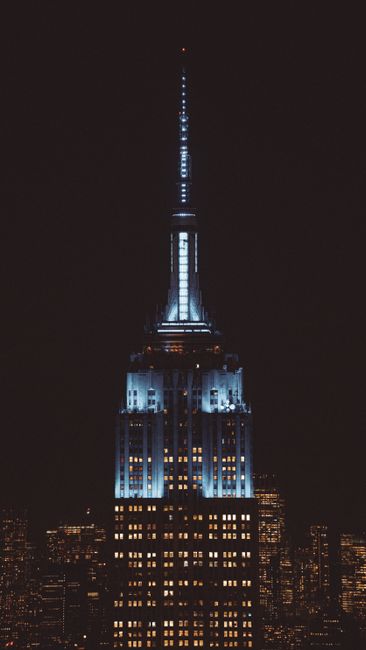
The United States is really several trips in one: the skyscrapers, museums and Broadway shows of New York; the monuments and free Smithsonian museums of Washington, D.C.; jazz and Creole cooking in New Orleans; the lakefront architecture of Chicago; the neon of Las Vegas; the beaches and film studios of Southern California; San Francisco’s hills and the Golden Gate; and national parks such as the Grand Canyon that are bigger than some countries. Distances are huge, so most visitors pick one or two regions rather than trying to see it all. Before you go, sort out the entry paperwork (an ESTA or a visa for most international visitors, a REAL ID or passport for domestic flights), budget for tipping and sales tax, which are not included in listed prices, and buy good health insurance. Spring and fall are the sweet spots almost everywhere. Give a first trip 10 days to two weeks for one or two regions.
Right now in United States
- Tue 9–17°C 48–62°F Clear
- Wed 9–21°C 48–70°F Clear
- Thu 13–24°C 55–76°F Clear
- Mon 12 Oct Columbus Day · some regions
- Mon 12 Oct Indigenous Peoples' Day · some regions
Weather: MET Norway (CC BY 4.0) · Air quality: OpenAQ · Holidays: Nager.Date
Multi-day tours of United States
Multi-day tours from local operators. You check dates and book on Viator, our partner; we may earn a commission at no extra cost to you. How we earn money
The United States at a glance: 50 states, one country
The United States of America is a federal republic of 50 states plus the District of Columbia, the capital, and several overseas territories, including Puerto Rico. The 48 contiguous states stretch about 2,800 miles (4,500 km) from the Atlantic to the Pacific and about 1,600 miles (2,600 km) from the Canadian border to the Gulf of Mexico; Alaska and Hawaii lie far beyond. About 340 million people live here, making it the world’s third most populous country.
The states matter more to visitors than you might expect. Each one sets its own sales tax, driving rules, alcohol and cannabis laws, and many of its holidays, and the culture changes sharply from New England to the Deep South, the Midwest, Texas, the Rockies and California. English is the main language, Spanish is widely spoken, and big cities are among the most diverse places on earth.
Time zones: the contiguous states span four: Eastern (New York, Washington, Boston), Central (Chicago, New Orleans), Mountain (Denver, Arizona) and Pacific (Los Angeles, San Francisco, Las Vegas), with Alaska and Hawaii further behind. New York is five hours behind London and three hours ahead of Los Angeles. Daylight saving time ends on Sunday, November 1, 2026 and starts again on Sunday, March 14, 2027; most of Arizona, including Grand Canyon National Park, and Hawaii don’t change their clocks.
America’s regions
- The Northeast and New England: New York City, Philadelphia, Washington, D.C. and Boston, linked by the busiest rail line in the country, plus the beaches and lighthouses of Cape Cod, the fall colors of Vermont and New Hampshire, and the rocky coast of Maine.
- The South: New Orleans and the Mississippi Delta, the music cities of Nashville and Memphis, the historic squares of Charleston and Savannah, Atlanta, the Great Smoky Mountains, and Florida’s beaches, Miami and the Orlando theme parks.
- The Midwest and Great Lakes: Chicago’s architecture and lakefront, the shores of the Great Lakes, Detroit’s music and car history, and wide farmland in between.
- Texas and the Southwest: the Grand Canyon, Monument Valley, Sedona and the red-rock parks of southern Utah, Las Vegas in the Nevada desert, Santa Fe’s adobe and art, and Texan cities such as Austin, San Antonio and Houston.
- The Rockies and the West: Yellowstone, Grand Teton and Glacier national parks, Denver and the Colorado ski resorts, and huge, empty landscapes.
- The West Coast: Los Angeles, San Diego and San Francisco, the Pacific Coast Highway, Yosemite, wine country in Napa and Sonoma, and further north the forests and cities of Oregon and Washington State.
- Alaska and Hawaii: glaciers, bears and the midnight sun in Alaska; volcanoes, surf and reefs in Hawaii, about five hours’ flight from California.
Where to go: cities, coasts and national parks
Most first trips focus on one coast. On the East Coast, New York, Philadelphia, Washington and Boston are all linked by Amtrak trains of one to four hours, so you can travel without a car. On the West Coast, Los Angeles, San Diego and San Francisco combine with Las Vegas and the Grand Canyon, but you will want a car or domestic flights. Chicago and New Orleans make great add-ons, each a short flight from either coast.
New York City
The city that never sleeps lives up to its billing: the Statue of Liberty and Ellis Island, the skyline views from the Empire State Building and newer observation decks, Central Park, the Metropolitan Museum of Art, MoMA and the American Museum of Natural History, the 9/11 Memorial, Broadway theaters, and five boroughs of distinct neighborhoods, from Greenwich Village to Brooklyn. The subway runs 24 hours a day, and you can tap a bank card to ride. Our New York City guide covers tickets, airport transfers and the city’s hotel taxes.
Washington, D.C.
The nation’s capital is one of the best-value cities in the country, because most of the big sights are free: the National Mall with the Lincoln Memorial, the Washington Monument and the U.S. Capitol, and the Smithsonian museums, including the National Air and Space Museum and the National Museum of African American History and Culture. Some sights need free timed passes or tours booked in advance; our Washington, D.C. guide explains how, plus the Metro and the cherry blossom season.
Philadelphia and Boston
Philadelphia is where the Declaration of Independence and the Constitution were signed: Independence Hall and the Liberty Bell sit a block apart, and the city also has a superb art museum (and its “Rocky Steps”), lively markets and the cheesesteak. Boston, the cradle of the American Revolution, packs the Freedom Trail, Harvard and MIT across the river in Cambridge, the North End’s Italian bakeries and the Red Sox at Fenway Park into a compact, walkable center. In summer, continue to Cape Cod for sandy beaches, dunes, lighthouses, whale watching and seafood shacks. Our Philadelphia, Boston and Cape Cod guides have the details.
Chicago
Chicago is America’s architecture capital, best seen on a river cruise between the skyscrapers. Add Millennium Park and its mirrored “Bean” (Cloud Gate), the Art Institute of Chicago, the museums along the lakefront, deep-dish pizza, blues clubs, baseball at Wrigley Field and miles of beaches and bike paths on Lake Michigan. Summer and early fall are glorious; winters are bitterly cold. See our Chicago guide for transit and museum prices.
New Orleans
No American city feels quite like New Orleans: wrought-iron balconies in the French Quarter, live jazz on Frenchmen Street, beignets at dawn, gumbo and crawfish, streetcars rattling past Garden District mansions, and above-ground cemeteries. Mardi Gras falls on February 9 in 2027, with parades for weeks before. Visit from October to May to avoid the sticky summer and the peak of hurricane season; our New Orleans guide covers the festivals, streetcars and swamp tours.
Las Vegas and the Grand Canyon
Las Vegas rises out of the Mojave Desert with casino resorts, big-name shows, the Sphere, the Bellagio fountains and world-class restaurants, and it is the gateway to Hoover Dam, Red Rock Canyon and the national parks of the Southwest. The Grand Canyon’s South Rim is about 280 miles (450 km), or four and a half hours’ drive, away. Standing at the rim at sunrise is one of the great travel moments anywhere; just remember that the canyon is a mile deep and hiking down is far easier than climbing back out. Note that after a deadly flash flood on August 29, 2026, the park is open for day visits only: hotels inside the park are closed while the South Rim’s water supply is repaired (the park hopes to welcome overnight guests back from around Thanksgiving), Phantom Ranch and several inner-canyon trails are closed, and the North Rim, whose lodge burned in 2025, has no lodging in 2026. Stay in Tusayan, Williams or Flagstaff and check nps.gov/grca before you go. See our Las Vegas and Grand Canyon National Park guides, and read about the 2026 national park fees for international visitors below.
California: Los Angeles, San Francisco and San Diego
Los Angeles is a sprawling patchwork of beach towns, hills and neighborhoods: Hollywood and the studios, the Getty Center, Griffith Observatory, Santa Monica and Venice beaches, and some of the country’s best food. San Francisco is compact and photogenic, with the Golden Gate Bridge, cable cars, Alcatraz, Chinatown and the Painted Ladies, plus Napa and Sonoma wine country and Yosemite within reach. San Diego, two hours south of LA, has the best weather of the three, beaches, Balboa Park, a famous zoo and a historic Navy port. Drive the coast between them on Highway 1 and US 101. Our Los Angeles, San Francisco and San Diego guides cover each city.
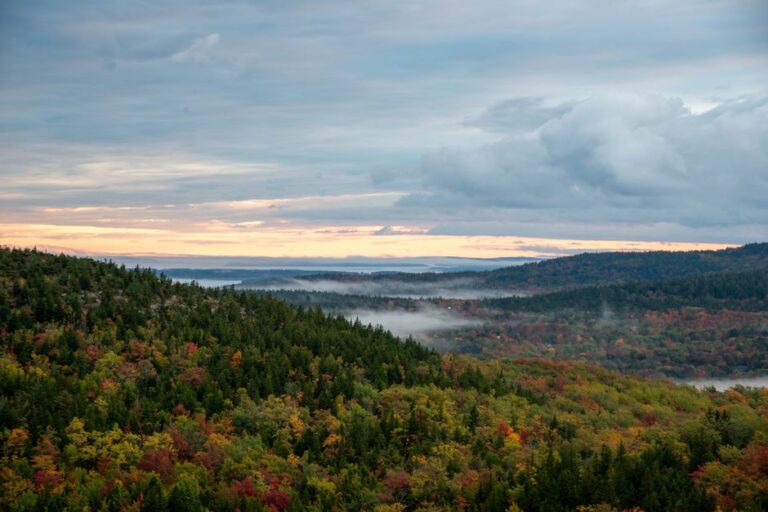
Acadia National Park Travel Guide
Plan a visit to Acadia National Park in Maine: 2026 entrance fees with the $100 non-resident fee and the $250 America the Beautiful pass,…

Anaheim Travel Guide
Plan a trip to Anaheim and the Disneyland Resort: how dated tickets and required park reservations work in 2026, Park Hopper and Lightning Lane…

Anchorage Travel Guide
Plan a trip to Anchorage, Alaska: downtown, Ship Creek and Lake Hood, the Anchorage Museum and Alaska Native Heritage Center with 2026 prices and…
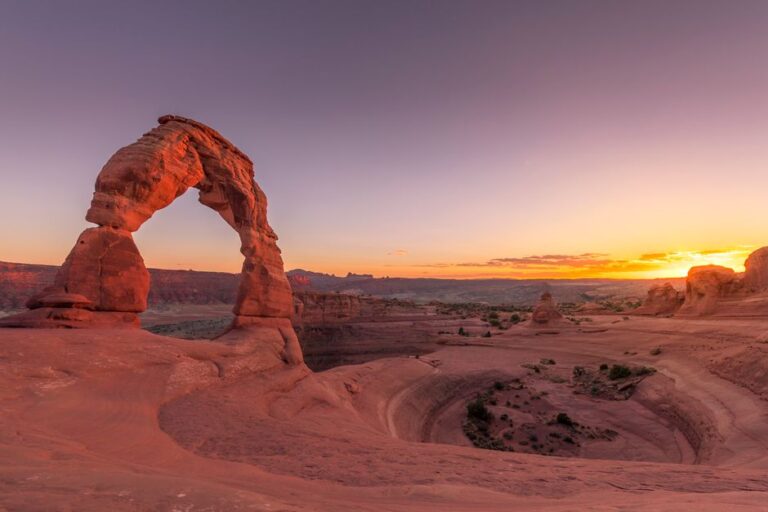
Arches National Park Travel Guide
Plan a visit to Arches National Park near Moab, Utah: 2026 entrance fees ($30 per car, no $100 non-resident fee), the Southeast Utah Parks…

Asheville Travel Guide
Plan a trip to Asheville, North Carolina: what is open two years after Tropical Storm Helene, downtown, the South Slope and the River Arts…
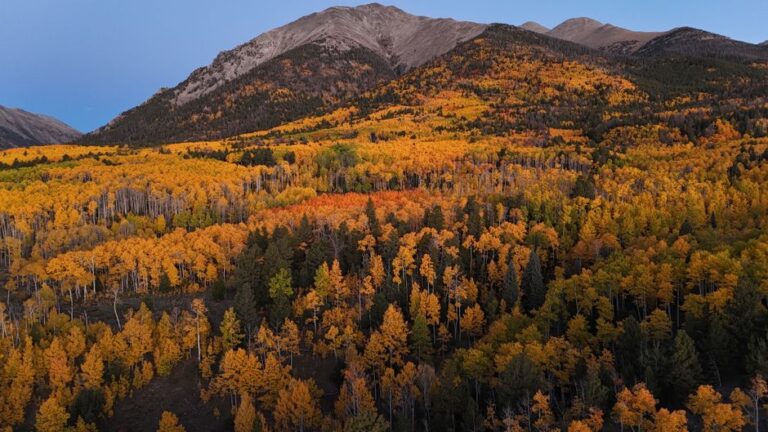
Aspen Travel Guide
Plan a trip to Aspen, Colorado: the 2026/27 Aspen Snowmass ski season (26 November to 18 April) on Aspen Mountain, Snowmass, Aspen Highlands and…
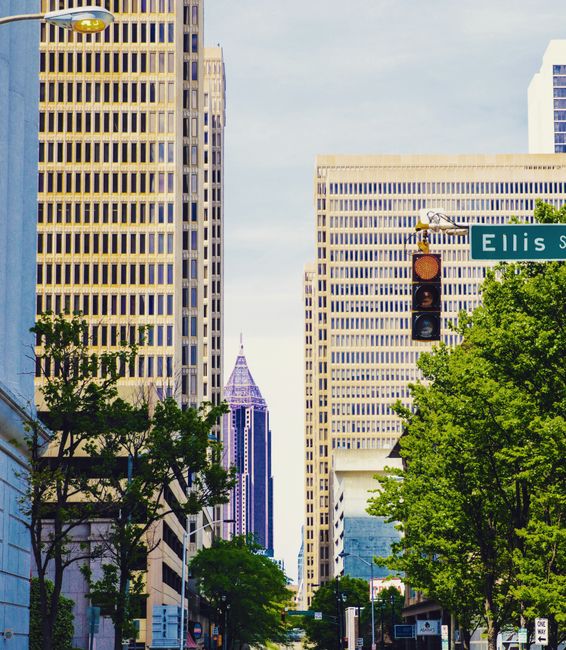
Atlanta Travel Guide
Plan a trip to Atlanta: neighborhoods from Downtown and Midtown to Sweet Auburn, the BeltLine and Buckhead, the free Martin Luther King Jr. National…
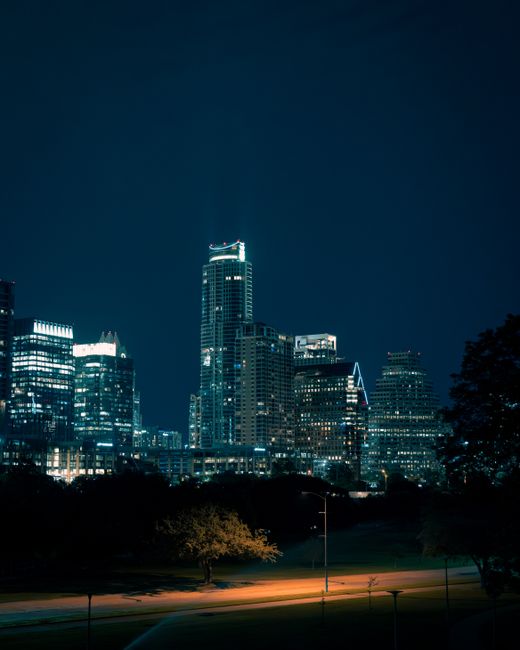
Austin Travel Guide
Plan a trip to Austin, the capital of Texas: neighborhoods from Downtown and Congress Avenue to South Congress, East Austin and Rainey Street, the…
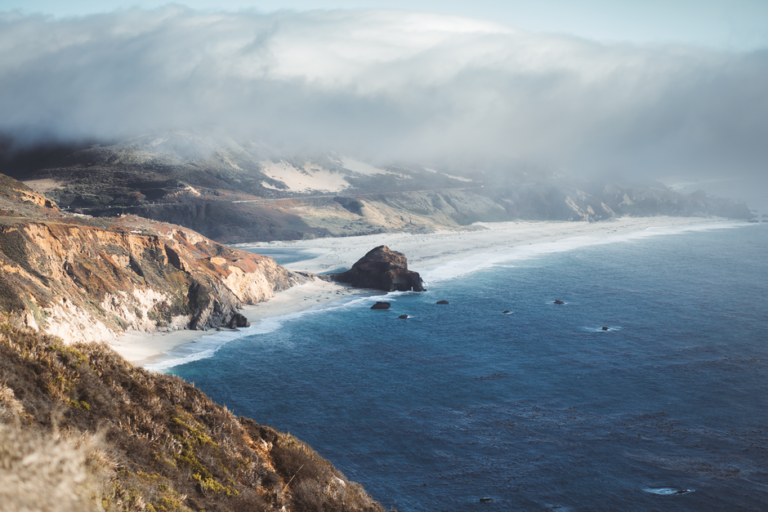
Big Sur Travel Guide
Plan a Big Sur trip: Highway 1 status in October 2026 after the January reopening and the Timber and Plaskett fires, overnight closures and…
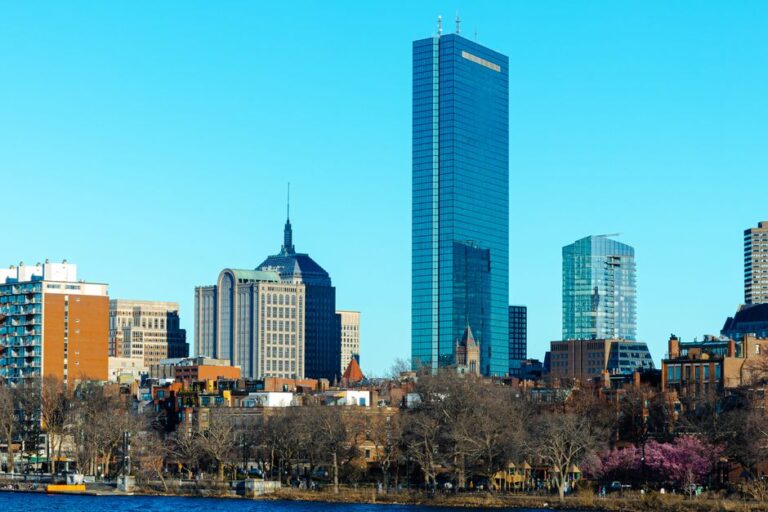
Boston Travel Guide
Plan a trip to Boston: the Freedom Trail and its site fees, Faneuil Hall, Boston Common, the North End and Beacon Hill, Museum of…
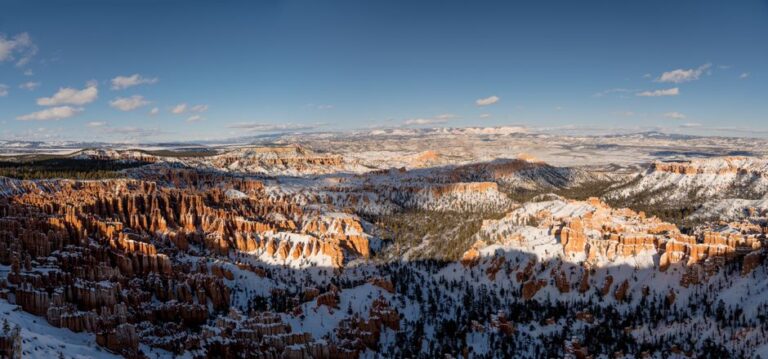
Bryce Canyon Travel Guide
Plan a visit to Bryce Canyon National Park in Utah: 2026 entrance fees with the $100 non-resident fee and the $250 America the Beautiful…
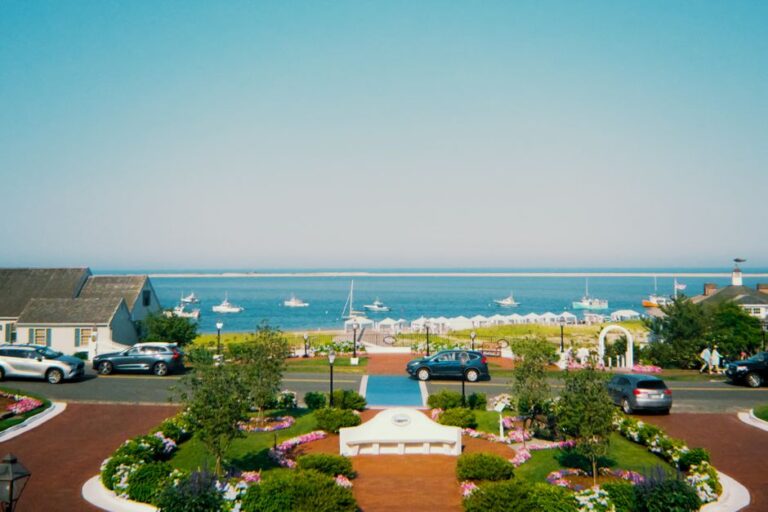
Cape Cod Travel Guide
Plan a trip to Cape Cod: Sandwich, Falmouth and Woods Hole, Hyannis, Chatham, Wellfleet and Provincetown, Cape Cod National Seashore beach fees, lighthouses, the…
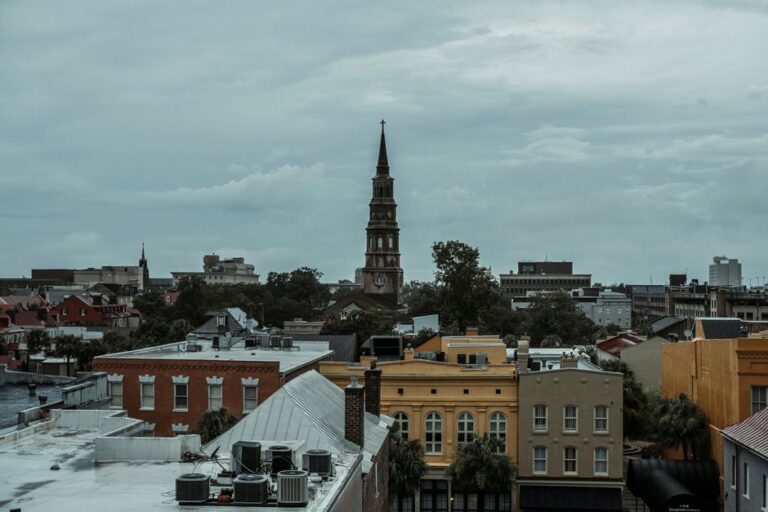
Charleston Travel Guide
Plan a trip to Charleston, South Carolina: South of Broad, the French Quarter, King Street, Mount Pleasant and the beach towns, the Historic District…
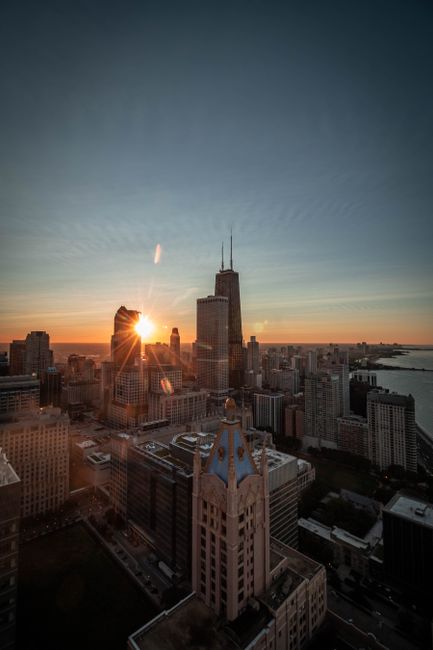
Chicago Travel Guide
Plan a trip to Chicago: the architecture river cruise, Millennium Park and Cloud Gate, Art Institute, Skydeck and 360 Chicago prices, the Museum Campus,…
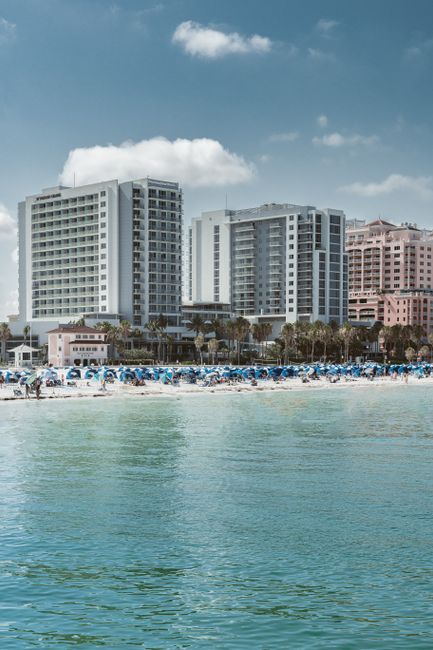
Clearwater Travel Guide
Plan a trip to Clearwater: Clearwater Beach and the nightly Pier 60 sunset festival, the Clearwater Marine Aquarium, Caladesi and Honeymoon islands, beach parking,…
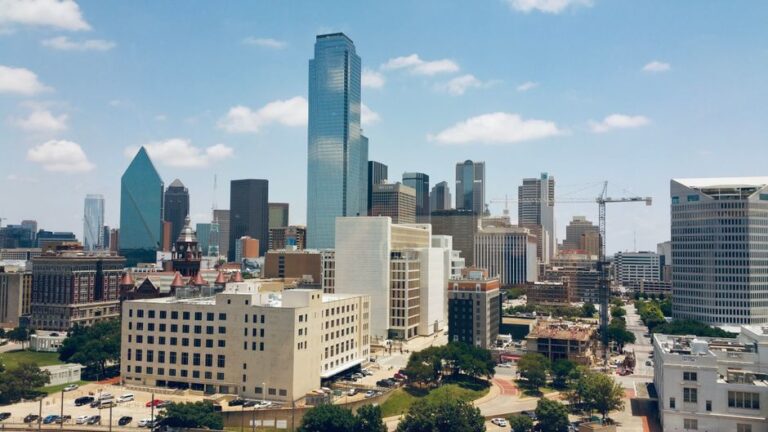
Dallas Travel Guide
Plan a trip to Dallas, Texas: Sixth Floor Museum hours and timed tickets, Dealey Plaza, the Arts District, Reunion Tower, Deep Ellum, Bishop Arts…
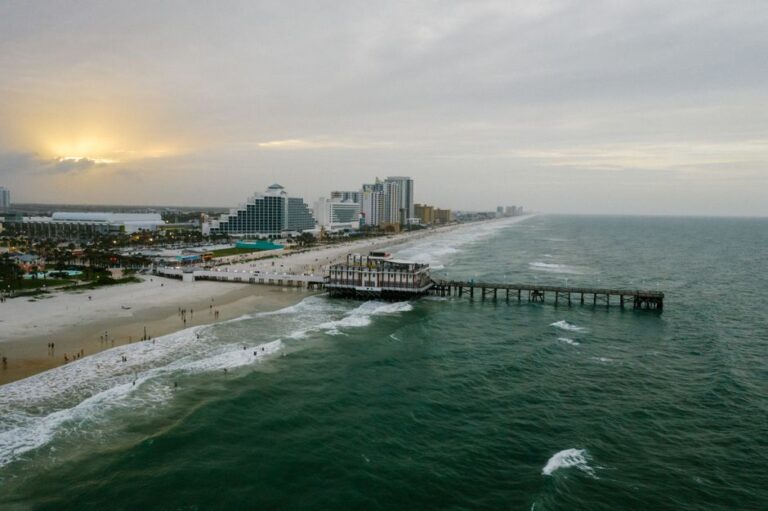
Daytona Beach Travel Guide
Plan a trip to Daytona Beach: driving on the beach with 2026 fees, hours and rules, Daytona International Speedway and the 2027 Daytona 500,…
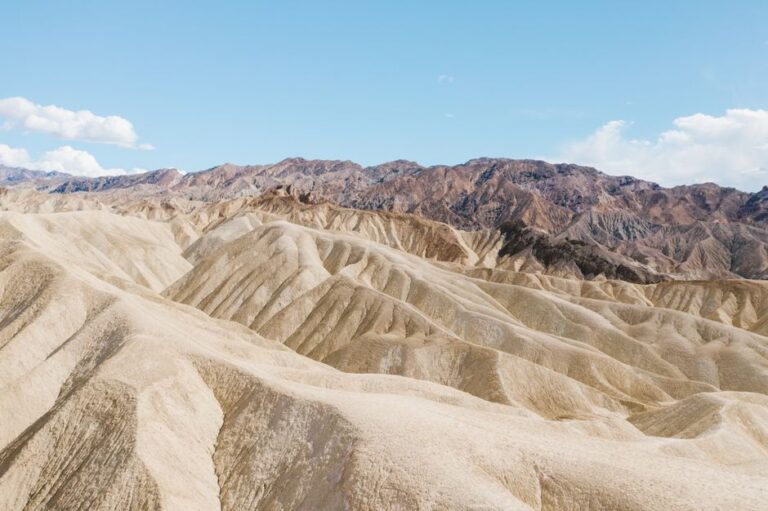
Death Valley Travel Guide
Plan a visit to Death Valley National Park: what's closed in fall 2026 (Scotty's Castle, Titus Canyon, Darwin Falls), card-only entrance fees and why…
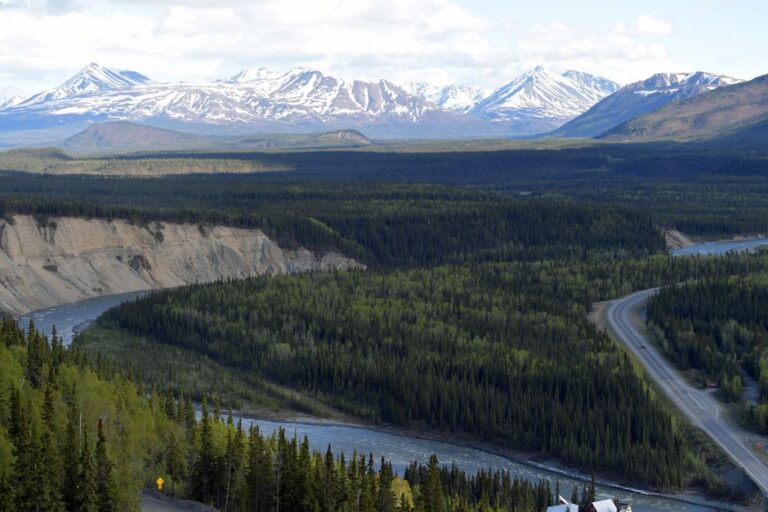
Denali National Park Travel Guide
Plan a visit to Denali National Park and Preserve in Alaska: the $15 per-person entrance fee (no $100 non-resident fee), the Denali Park Road…
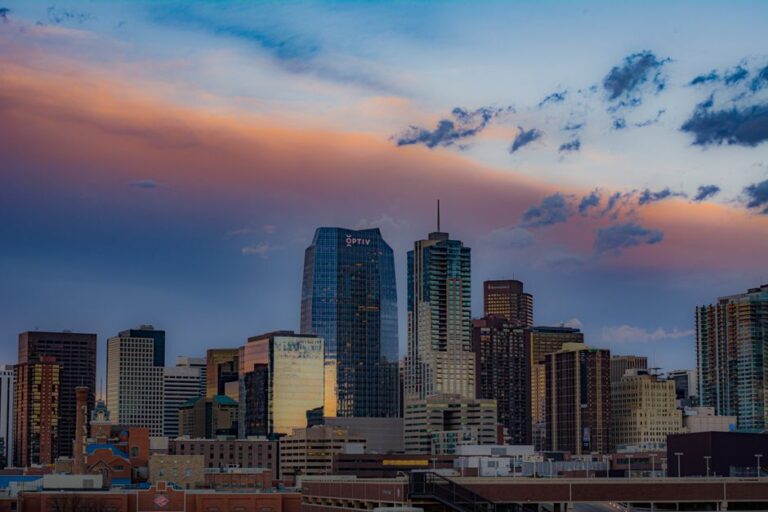
Denver Travel Guide
Plan a trip to Denver, the Mile High City: neighborhoods from LoDo and Union Station to RiNo and Cherry Creek, free visits to Red…
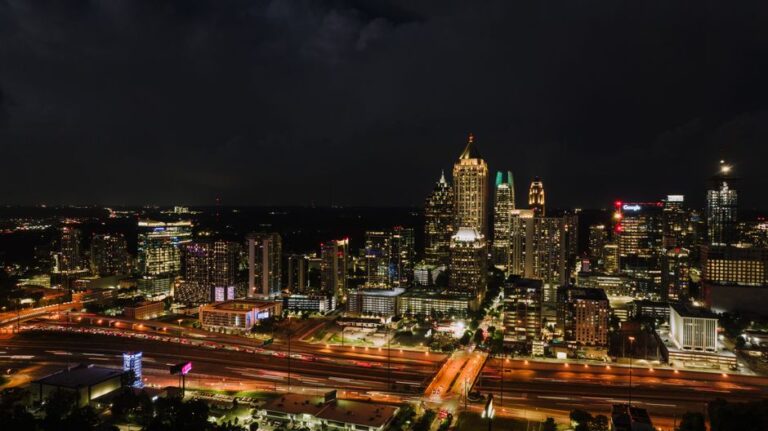
Destin Travel Guide
Plan a trip to Destin on Florida's Emerald Coast: Crab Island and how to get there, Henderson Beach State Park, Destin Harbor charter fishing,…
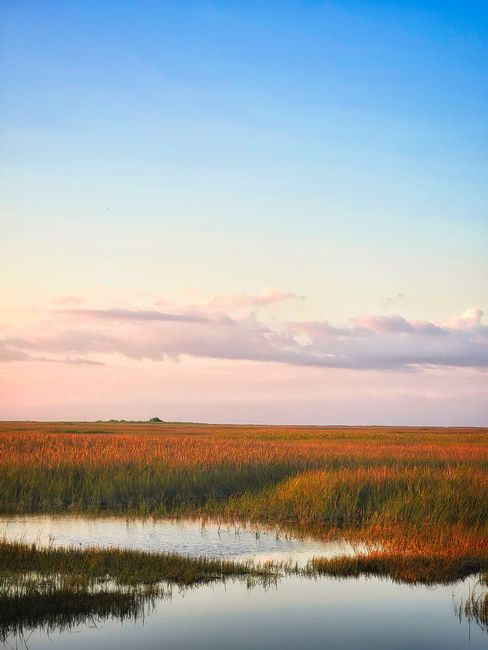
Everglades Travel Guide
Plan a visit to Everglades National Park: 2026 entrance fees and the $100 nonresident fee, the three entrances (Homestead, Shark Valley, Everglades City) and…
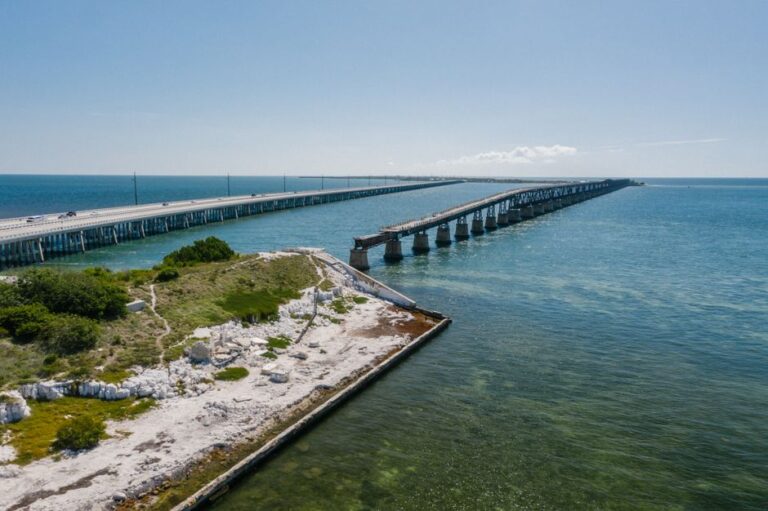
Florida Keys Travel Guide
Plan a trip to the Florida Keys: Key Largo, Islamorada, Marathon and the Lower Keys, John Pennekamp's reef with 2026 fees, the Seven Mile…
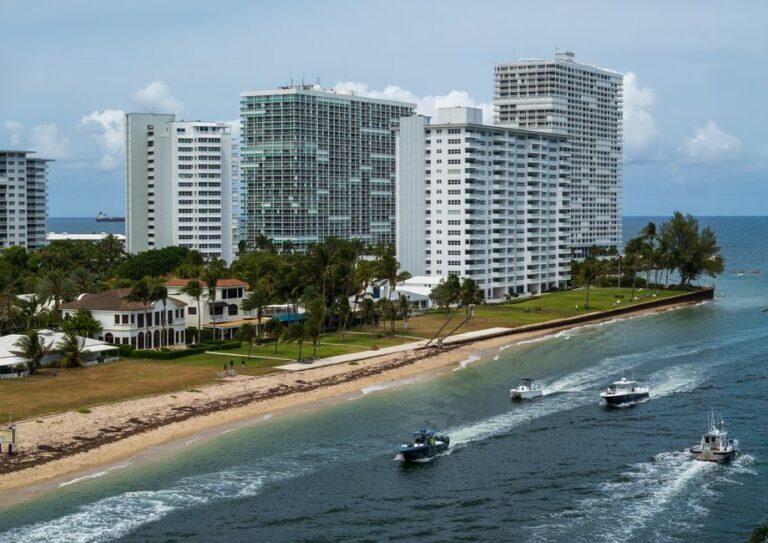
Fort Lauderdale Travel Guide
Plan a trip to Fort Lauderdale: the beach and its rules on alcohol, glass and pets, the Water Taxi and canals, Las Olas Boulevard…
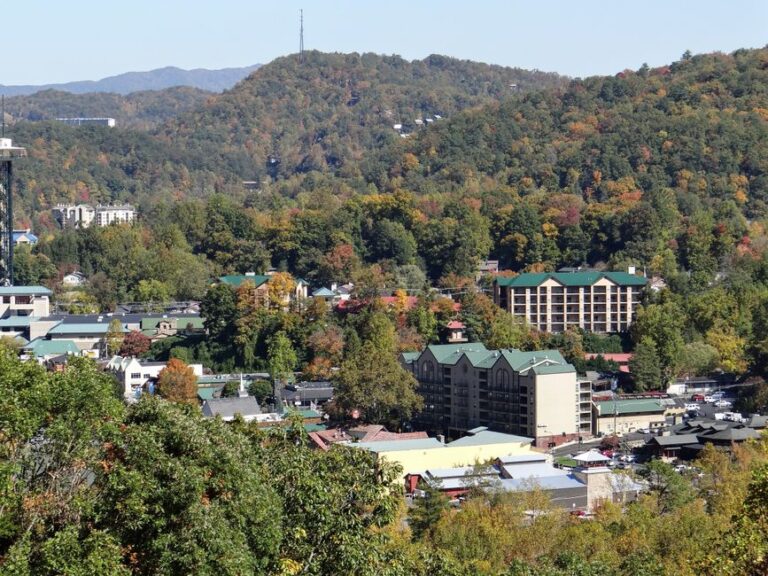
Gatlinburg Travel Guide
Plan a trip to Gatlinburg, gateway to the Great Smoky Mountains: the Parkway, Anakeesta's 2026 prices, SkyLift Park and the SkyBridge, Ripley's Aquarium of…
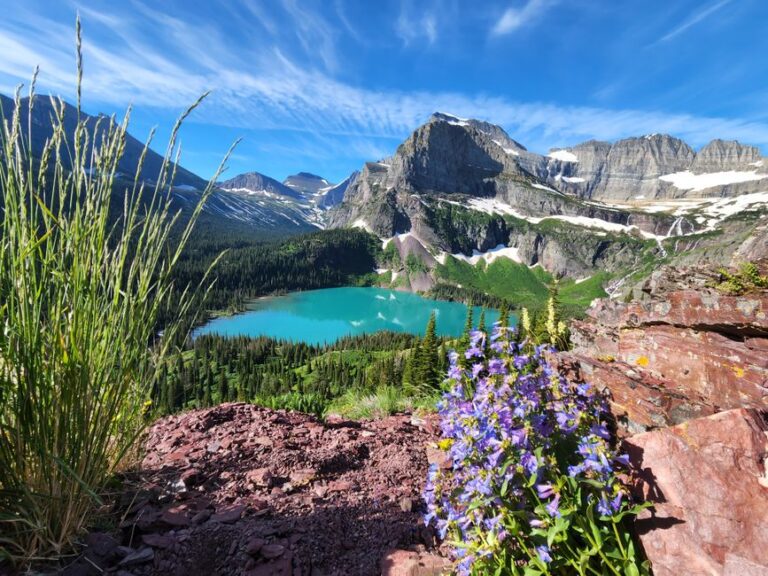
Glacier National Park Travel Guide
Plan a visit to Glacier National Park in Montana: 2026 entrance fees (cards only, lower winter rates) with the $100 non-resident fee and the…
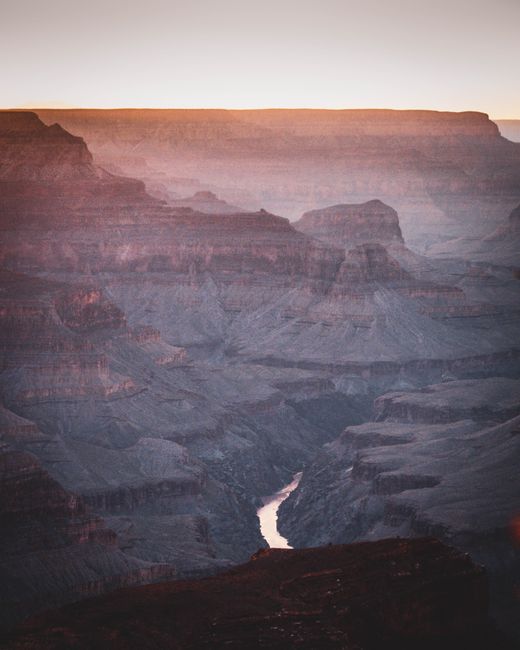
Grand Canyon Travel Guide
Plan a visit to Grand Canyon National Park: what's open in autumn 2026 after the August flash flood and the 2025 Dragon Bravo Fire,…
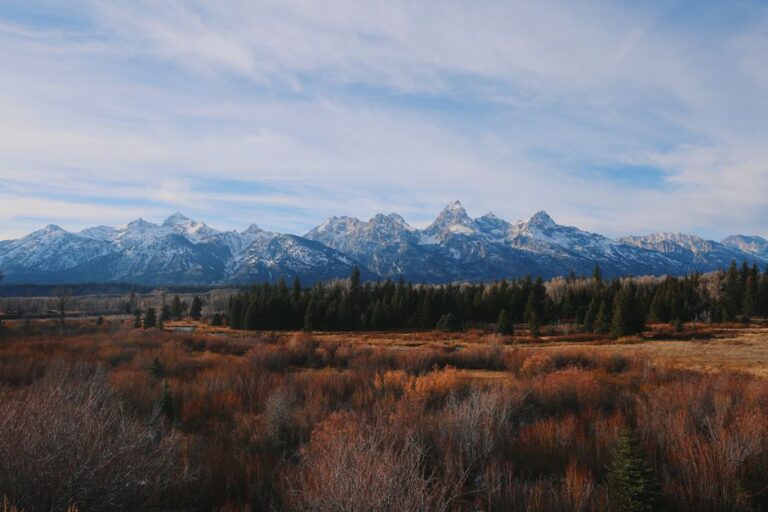
Grand Teton National Park Travel Guide
Plan a visit to Grand Teton National Park in Wyoming: 2026 entrance fees with the $100 non-resident fee and the $250 America the Beautiful…
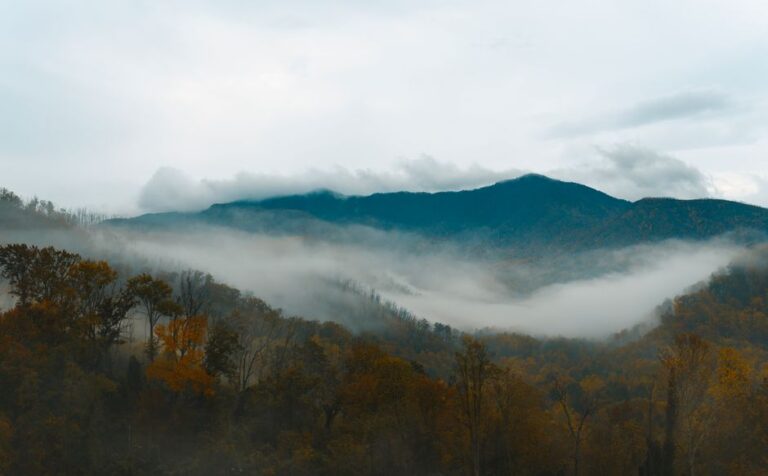
Great Smoky Mountains Travel Guide
Plan a visit to Great Smoky Mountains National Park in Tennessee and North Carolina: no entrance fee but $5, $15 and $40 Park It…
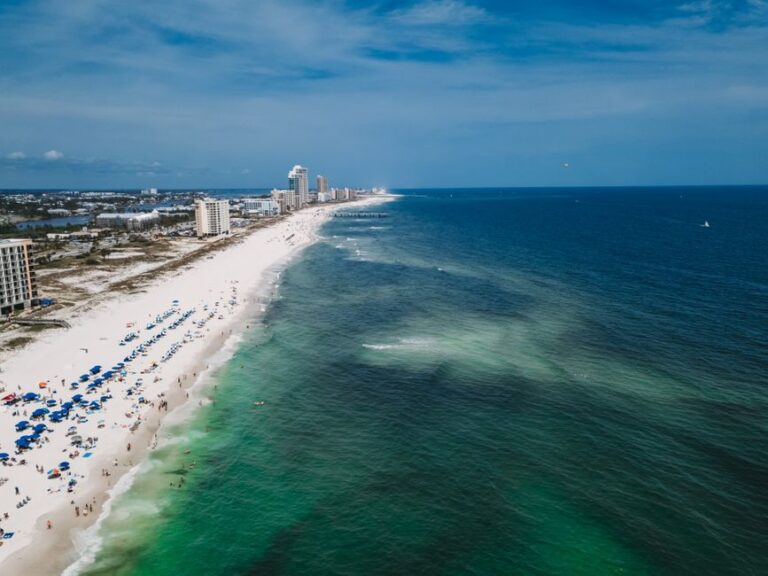
Gulf Shores Travel Guide
Plan a trip to Gulf Shores, Alabama: the public beach, West Beach and Orange Beach, Gulf State Park fees, its pier and Backcountry Trail,…
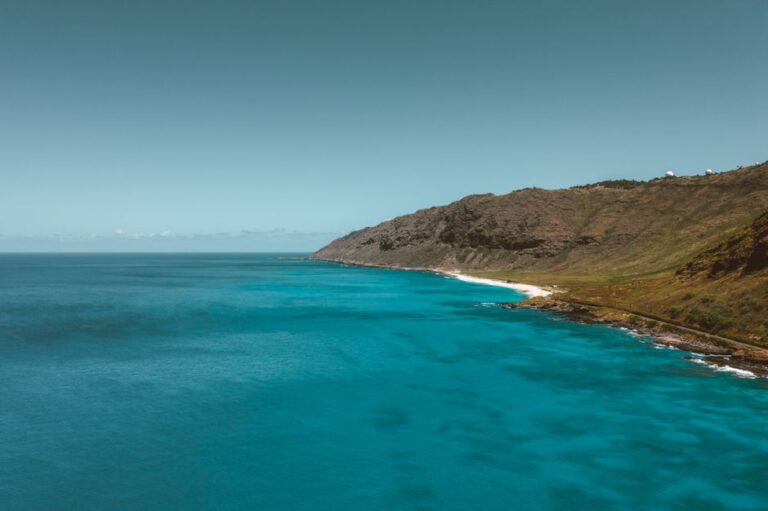
Hawaii Island Travel Guide
Plan a trip to Hawaiʻi Island, the Big Island: Kona, Kohala, Waimea, Hilo and Kaʻū, Kīlauea's eruption status and Hawaii Volcanoes National Park fees,…

Hawaii Volcanoes National Park Travel Guide
Plan a visit to Hawaiʻi Volcanoes National Park: 2026 entrance fees (no $100 non-resident fee) and the $55 Tri-Park pass, Kīlauea's episodic Halemaʻumaʻu eruption…
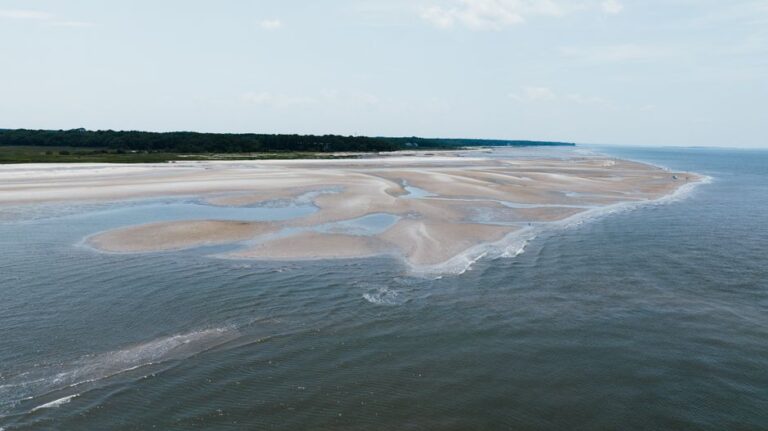
Hilton Head Island Travel Guide
Plan a trip to Hilton Head Island, South Carolina: Sea Pines and Harbour Town, Coligny, Palmetto Dunes and the quiet north end, beach parking…
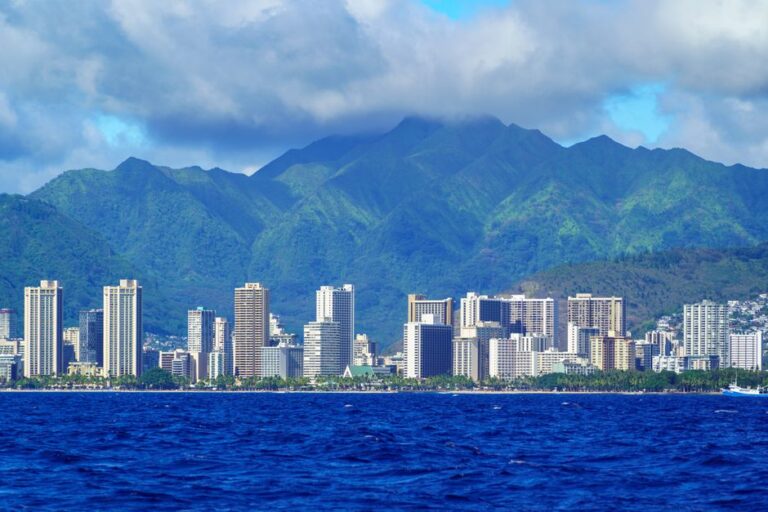
Honolulu Travel Guide
Plan a trip to Honolulu and Oʻahu: Waikīkī and the neighborhoods, Diamond Head reservations and fees, Pearl Harbor and free USS Arizona Memorial tickets…
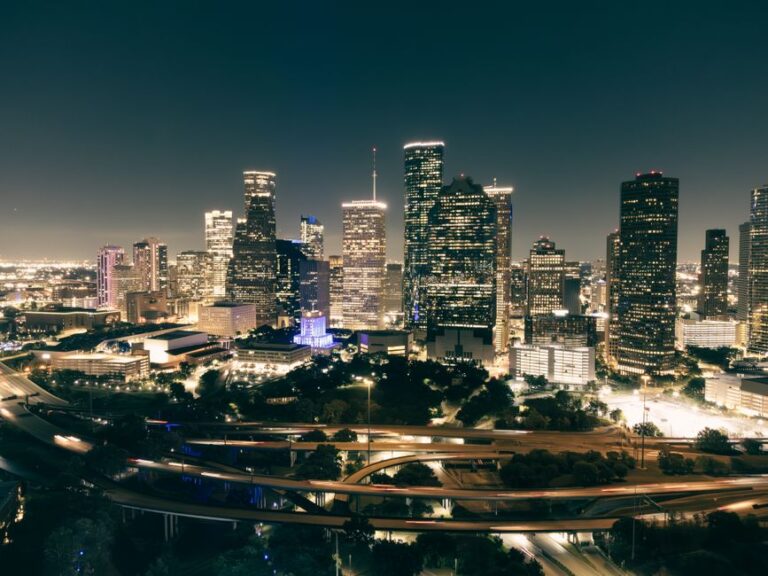
Houston Travel Guide
Plan a trip to Houston, Texas: Space Center Houston ticket prices, parking and the NASA Tram Tour, the Museum District, the Menil Collection and…
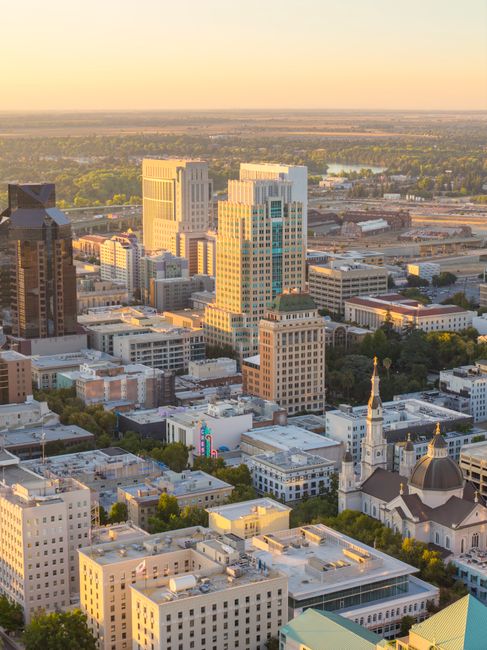
Jackson Hole Travel Guide
Plan a trip to Jackson, Wyoming, and the Jackson Hole valley: Town Square and its antler arches, National Elk Refuge sleigh rides from mid-December…
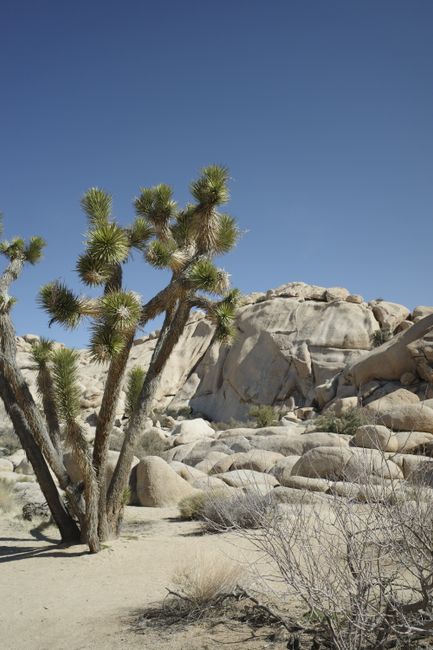
Joshua Tree Travel Guide
Plan a visit to Joshua Tree National Park: 2026 entrance fees (cards only, no $100 non-resident fee), no reservations, which entrance to use, Hidden…
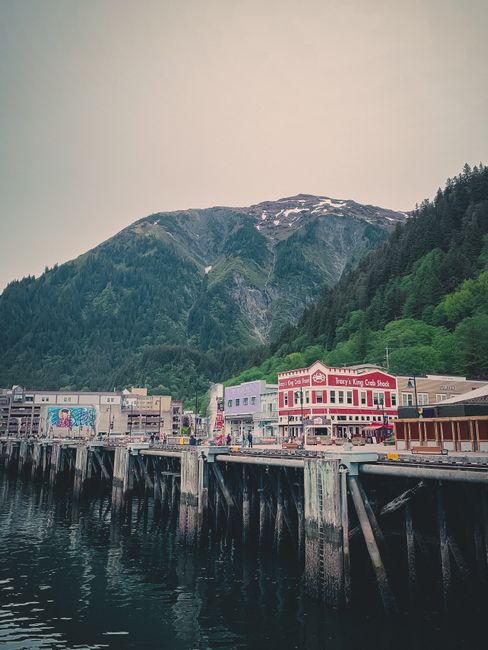
Juneau Travel Guide
Plan a trip to Juneau, Alaska's capital: the Mendenhall Glacier and Nugget Falls, the 2026 Suicide Basin outburst flood, whale watching from Auke Bay,…
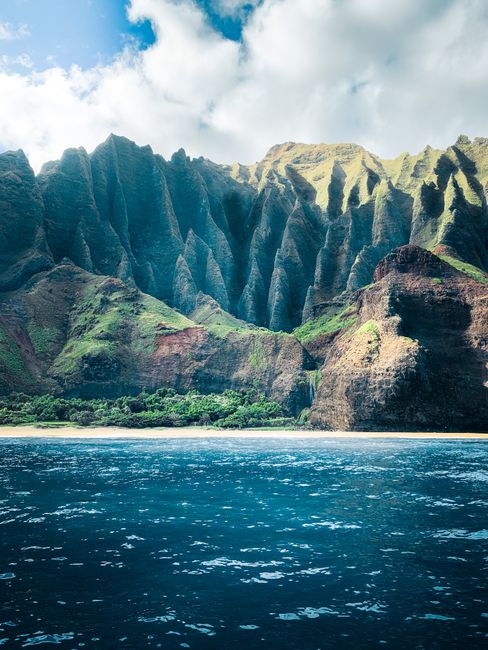
Kauai Travel Guide
Plan a trip to Kauaʻi: what is open after Hurricane Lowell in October 2026, Hāʻena State Park reservations and shuttle prices on gohaena.com, Hanakāpīʻai…
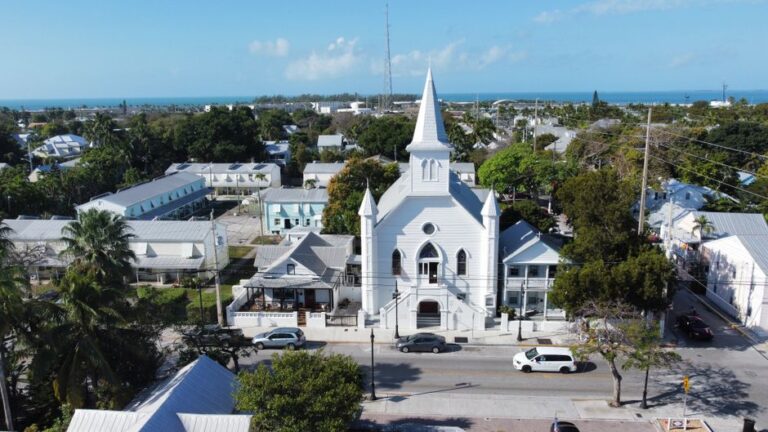
Key West Travel Guide
Plan a trip to Key West: Old Town and Duval Street, Mallory Square sunsets, the Hemingway Home with 2026 prices, the Southernmost Point, Fort…
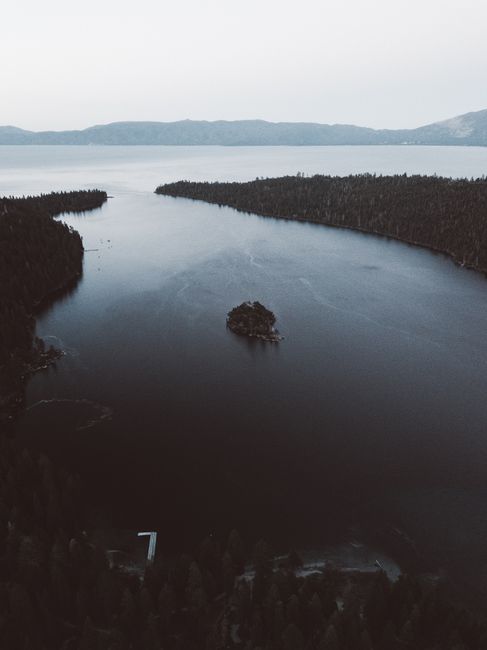
Lake Tahoe Travel Guide
Plan a Lake Tahoe trip: South Lake Tahoe, the West, North and East shores, Emerald Bay and Vikingsholm (tours over for 2026), D.L. Bliss…
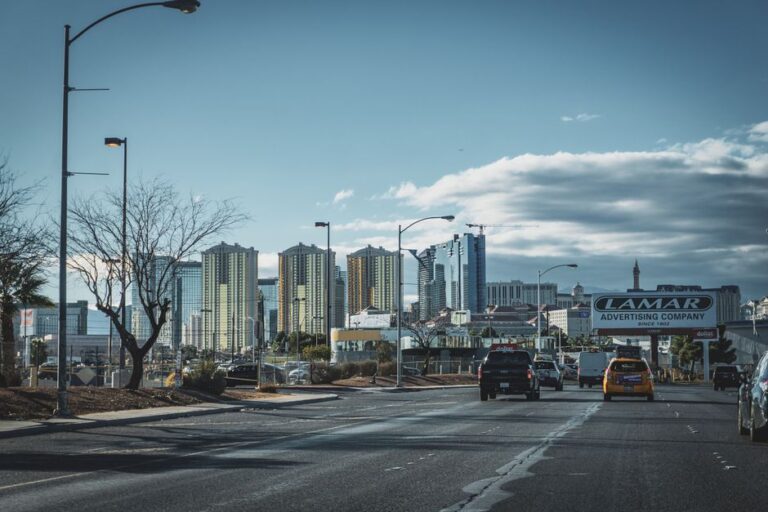
Las Vegas Travel Guide
Plan a trip to Las Vegas: the Strip and its areas, the Bellagio fountains, the Sphere, the High Roller, Fremont Street and the Neon…
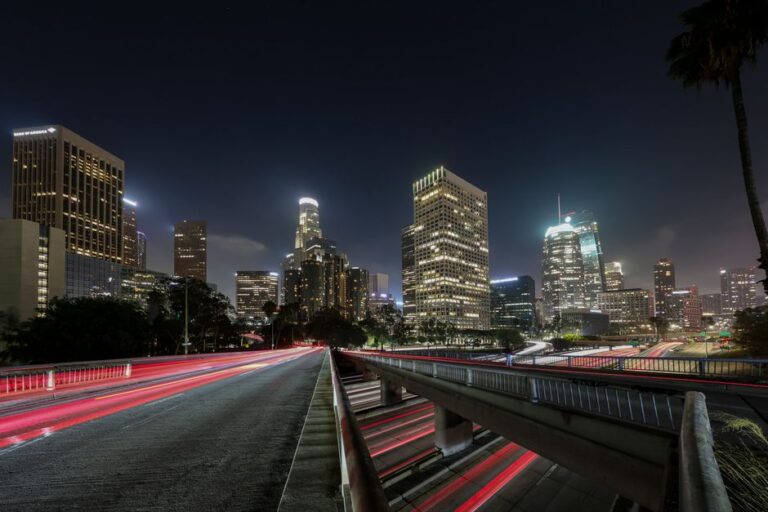
Los Angeles Travel Guide
Plan a trip to Los Angeles: Hollywood and the best Hollywood Sign viewpoints, the free Griffith Observatory and DASH bus, the Getty Center and…

Maui Travel Guide
Plan a trip to Maui: Haleakalā National Park's $30 fee (no $100 non-resident fee) and $1 sunrise reservations, the Road to Hāna and Waiʻānapanapa…
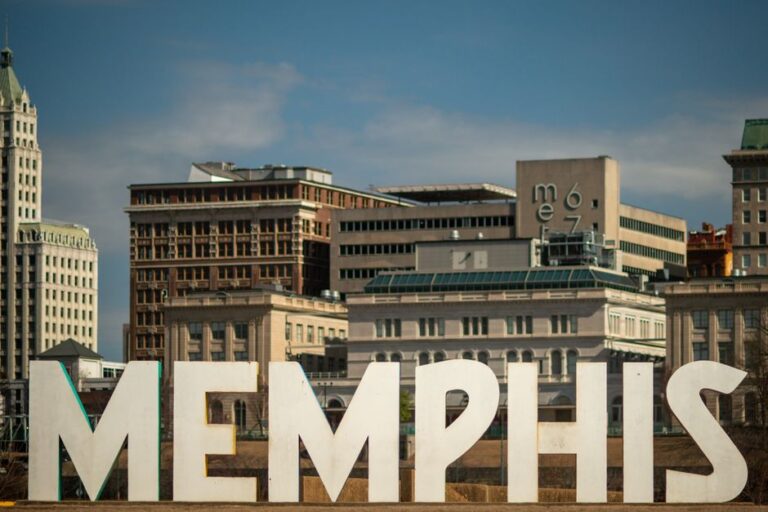
Memphis Travel Guide
Plan a trip to Memphis: Graceland's 2026 ticket prices and hours, the National Civil Rights Museum at the Lorraine Motel, Beale Street, Sun Studio…
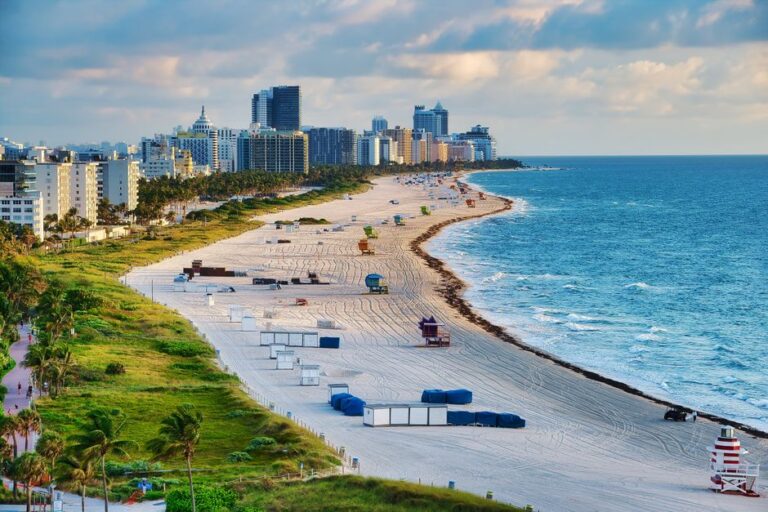
Miami Beach Travel Guide
Plan a trip to Miami Beach: South Beach, SoFi, Mid-Beach and North Beach, the Art Deco district and Ocean Drive, South Pointe, Lincoln Road,…
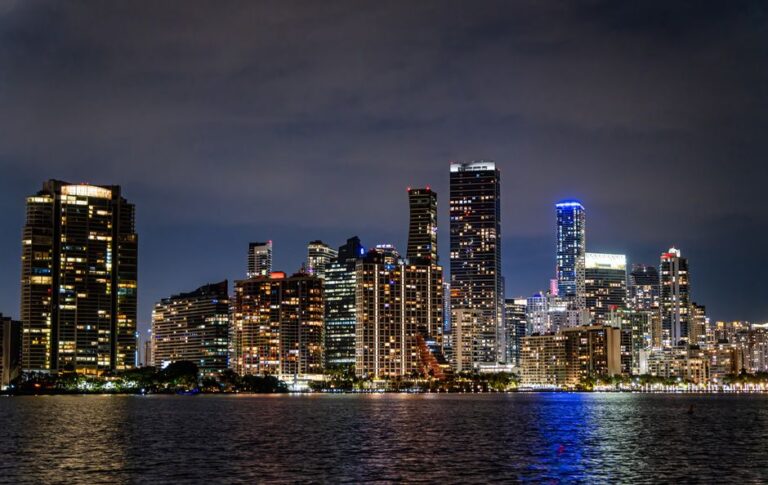
Miami Travel Guide
Plan a trip to Miami: Downtown and Brickell, Little Havana, Wynwood and Coconut Grove, Vizcaya and PAMM with 2026 hours and prices, Key Biscayne…
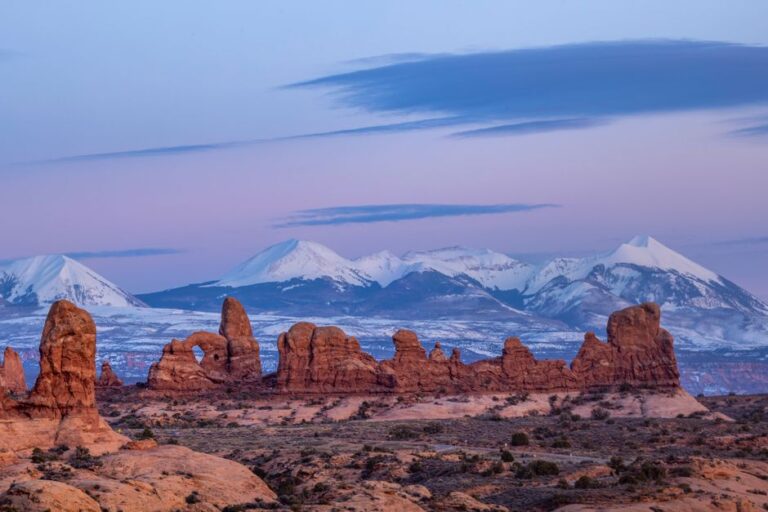
Moab Travel Guide
Plan a trip to Moab, Utah: Arches and Canyonlands' Island in the Sky with 2026 fees and passes, Dead Horse Point State Park, Scenic…
Best time to visit the United States, region by region
A country this big has every climate: snowy winters in the Northeast and Midwest, hot, humid summers in the South, desert heat in the Southwest, mild, dry weather year-round in Southern California and a cool, foggy summer in San Francisco. The table shows rounded average daily highs at one official weather station per region, from the National Oceanic and Atmospheric Administration’s (NOAA) climate normals for 1991–2020, plus the average rain and snow (as water) a year.
| Region (NOAA station) | Spring highs (Mar–May) | Summer highs (Jun–Aug) | Fall highs (Sep–Nov) | Winter highs (Dec–Feb) | Rain a year |
|---|---|---|---|---|---|
| New York (Central Park) | 50–71 °F (10–22 °C) | 80–85 °F (27–29 °C) | 76 °F falling to 54 °F (24 to 12 °C) | 40–44 °F (4–7 °C) | about 50 in (1,260 mm) |
| Washington, D.C. (Reagan National) | 56–76 °F (13–24 °C) | 85–90 °F (29–32 °C) | 81 °F falling to 58 °F (27 to 14 °C) | 45–49 °F (7–9 °C) | about 42 in (1,060 mm) |
| Boston (Logan Airport) | 46–66 °F (8–19 °C) | 76–82 °F (24–28 °C) | 73 °F falling to 52 °F (23 to 11 °C) | 37–42 °F (3–6 °C) | about 44 in (1,110 mm) |
| Chicago (O’Hare) | 47–70 °F (8–21 °C) | 80–84 °F (27–29 °C) | 76 °F falling to 48 °F (24 to 9 °C) | 32–37 °F (0–3 °C) | about 38 in (960 mm) |
| New Orleans (Louis Armstrong Airport) | 72–85 °F (22–29 °C) | 90–91 °F (32–33 °C) | 88 °F falling to 71 °F (31 to 22 °C) | 62–66 °F (17–19 °C) | about 63 in (1,610 mm) |
| Miami (Miami Airport) | 81–87 °F (27–31 °C) | 89–91 °F (32–33 °C) | 89 °F falling to 81 °F (32 to 27 °C) | 76–78 °F (24–26 °C) | about 67 in (1,710 mm) |
| Las Vegas (Harry Reid Airport) | 71–88 °F (22–31 °C) | 99–104 °F (37–40 °C) | 95 °F falling to 67 °F (35 to 19 °C) | 57–63 °F (14–17 °C) | about 4 in (110 mm) |
| Los Angeles (Downtown) | 70–74 °F (21–23 °C) | 77–84 °F (25–29 °C) | 83 °F falling to 73 °F (28 to 23 °C) | 67–68 °F (19–20 °C) | about 14 in (360 mm) |
| San Francisco (Downtown) | 62–64 °F (17–18 °C) | 66–68 °F (19–20 °C) | 70 °F falling to 64 °F (21 to 18 °C) | 58–60 °F (14–16 °C) | about 23 in (580 mm) |
| Denver and the Rockies (Denver Airport) | 56–71 °F (13–22 °C) | 83–90 °F (28–32 °C) | 80 °F falling to 53 °F (27 to 12 °C) | 44–46 °F (7–8 °C) | about 15 in (370 mm) |
| Seattle and the Northwest (Sea-Tac) | 54–66 °F (12–19 °C) | 71–78 °F (22–26 °C) | 72 °F falling to 52 °F (22 to 11 °C) | 47–50 °F (8–10 °C) | about 39 in (1,000 mm) |
Winter nights in New York, Boston and Chicago regularly drop below freezing, and Chicago’s January lows average 19 °F (−7 °C), so snowstorms can close airports for a day or two. The South and Florida are hot and humid from June to September, with frequent afternoon thunderstorms. The Atlantic hurricane season runs from June 1 to November 30, peaking from mid-August to October; it mainly affects the Gulf and Atlantic coasts, including New Orleans, Florida and the Carolinas. In the desert, summer days in Las Vegas and Phoenix pass 100 °F (38 °C), and the inner Grand Canyon is hotter still. Wildfire smoke can affect the West from late summer into fall. San Francisco’s famous summer fog keeps July cooler than October.
Crowds and prices through the year
- April to early June: one of the best times nearly everywhere: mild in the cities, wildflowers in the desert, waterfalls in Yosemite. Cherry blossoms in Washington peak in late March or early April. Spring break (March) fills Florida and beach towns.
- Mid-June to August: school vacation and peak season for national parks, beaches, Cape Cod and New England. Expect the highest hotel and rental-car prices, long lines and full campgrounds; book months ahead. It is too hot to enjoy the desert, the South or the inner Grand Canyon at midday.
- September and October: our favorite months: warm seas, fewer crowds after Labor Day, fall foliage in New England from late September to mid-October, comfortable desert temperatures from October and the best weather of the year in San Francisco. Hotels in New York and Boston stay expensive in fall.
- November to early December: Thanksgiving (the fourth Thursday of November, November 26 in 2026) is the busiest travel weekend of the year, then holiday lights, store windows and ice rinks in New York and Chicago. Otherwise good value.
- Late December to March: high season for Florida, Hawaii, Southern California’s desert resorts and the ski areas of the Rockies; cheap, cold and quiet in the northern cities (except over Christmas and New Year), and Mardi Gras season in New Orleans.
Festivals and events through the year
- January to March: the Super Bowl in early February; Mardi Gras in New Orleans (Fat Tuesday is February 9, 2027); St. Patrick’s Day parades in New York, Boston and Chicago, which dyes its river green; the National Cherry Blossom Festival in Washington from late March.
- April to June: the New Orleans Jazz & Heritage Festival (late April to early May), Memorial Day weekend at the end of May, which marks the start of summer, and Pride events in June, with big parades in New York and San Francisco.
- July and August: Independence Day on July 4, with fireworks everywhere (New York’s Macy’s show over the East River and the celebration on the National Mall are the biggest), baseball season, county and state fairs.
- September to November: football season, fall foliage, harvest festivals, Halloween on October 31 (New York’s Village Halloween Parade, Salem near Boston), the New York City Marathon on the first Sunday of November and the Macy’s Thanksgiving Day Parade.
- December: the Rockefeller Center tree and holiday markets in New York, Christmas markets in Chicago and Philadelphia, and New Year’s Eve in Times Square and on the Las Vegas Strip.
Federal holidays
The US has 11 federal holidays. Banks, post offices and government offices close, but most shops, restaurants and attractions stay open (except on Thanksgiving and Christmas Day, when many close), and holiday weekends are busy and expensive for travel. When a holiday falls on a weekend, the federal day off moves to the nearest weekday. The next ones, from October 2026:
| Holiday | Date | Good to know |
|---|---|---|
| Columbus Day | Monday, October 12, 2026 | Also marked as Indigenous Peoples’ Day in many states and cities; a long weekend in New England’s leaf season |
| Veterans Day | Wednesday, November 11, 2026 | Free entry to national parks for US citizens and residents |
| Thanksgiving Day | Thursday, November 26, 2026 | The busiest travel period of the year; many businesses close on the day |
| Christmas Day | Friday, December 25, 2026 | Most shops, many restaurants and some attractions close |
| New Year’s Day | Friday, January 1, 2027 | Nationwide |
| Martin Luther King Jr. Day | Monday, January 18, 2027 | Nationwide |
| Washington’s Birthday (Presidents’ Day) | Monday, February 15, 2027 | A popular ski and winter-break weekend |
| Memorial Day | Monday, May 31, 2027 | Unofficial start of summer; beaches and parks fill up |
| Juneteenth | Saturday, June 19, 2027 (observed Friday, June 18) | Nationwide |
| Independence Day | Sunday, July 4, 2027 (observed Monday, July 5) | Fireworks everywhere; the peak of summer travel |
| Labor Day | Monday, September 6, 2027 | Unofficial end of summer |
How long to stay: sample itineraries
Don’t underestimate distances: flying from New York to Los Angeles takes about six hours, the same as crossing the Atlantic to Europe, and driving it takes most of a week. Plan around one region, link far-apart cities with domestic flights, and rent a car only for national parks, the coast and the countryside.
5 days: New York City
Five days is enough for the Statue of Liberty, Lower Manhattan and the 9/11 Memorial, a big museum or two, Central Park, a Broadway show, a walk across the Brooklyn Bridge and an evening on an observation deck. Ideal for a first taste of America or a long weekend from Europe.
7–10 days: the Northeast by train
Four days in New York, then Amtrak to Philadelphia (about 1 hour 15 minutes) for a day of history, on to Washington, D.C. for two or three days of museums and monuments, and finish with two days in Boston (about 3 hours 30 minutes to 4 hours from New York by train). Add Cape Cod in summer, or the fall foliage of New England in October.
10–14 days: California and the Southwest
Fly into San Francisco for three days, drive the coast via Monterey and Big Sur to Los Angeles (allow two days for Highway 1, checking for road closures first), spend three days in LA, then either head south to San Diego or east to Las Vegas (about four to five hours) and the Grand Canyon. Fly home from Las Vegas or Phoenix. Book national park lodging and rental cars early for summer (in fall 2026, Grand Canyon visitors must sleep outside the park; see above).
2–3 weeks: coast to coast
New York and Washington (one week), a flight to Chicago or New Orleans (three days), then a flight west to Las Vegas, the Grand Canyon and California (one week or more). Open-jaw tickets, flying into one city and out of another, save a lot of backtracking. With more time, cross the country by train on the California Zephyr from Chicago to the San Francisco Bay Area, a two-night journey through the Rockies.
Entry, money and costs
Entry: the Visa Waiver Program and ESTA (last reviewed October 2026)
US citizens need a valid US passport to re-enter the country from abroad. Canadian citizens visiting as tourists don’t need a visa or an ESTA. Citizens of the 42 countries in the Visa Waiver Program (VWP), which include the UK, Ireland, most of the EU (but not Bulgaria, Cyprus or Romania), Switzerland, Norway, Iceland, Australia, New Zealand, Japan, South Korea, Taiwan, Singapore, Chile, Israel and Qatar, can visit for tourism or business for up to 90 days without a visa, but must first get an approved ESTA (Electronic System for Travel Authorization) online. Everyone else needs a visa.
- Fee: the ESTA costs $40.27 as of early October 2026: a $10.27 processing fee charged to everyone, plus $30 more if you are approved. Under a notice published by the Department of Homeland Security on October 1, 2026, the fee rises to $40.62 from October 16, 2026 (the processing part becomes $10.62). Apply only on the official site, esta.cbp.dhs.gov, or the official ESTA Mobile app; many lookalike websites charge much more.
- Validity: an approved ESTA is valid for two years, or until your passport expires if that is sooner, for multiple trips of up to 90 days each. A new passport or a change of name or nationality means a new application. Each traveler, including babies, needs their own.
- When to apply: CBP recommends applying as soon as you start planning, before you buy flights. Most answers come within minutes, but some take up to 72 hours. You need an electronic passport (with the chip symbol on the cover), and the application now asks you to upload a photo of your passport page and a selfie; an ESTA without the required selfie may need to be renewed, so check yours before you fly.
- Who can’t use an ESTA: generally anyone who has been in Cuba since January 12, 2021, or in Iran, Iraq, Libya, North Korea, Somalia, Sudan, Syria or Yemen since March 2011, people with certain arrests or convictions, and anyone who has overstayed or been refused entry before. Dual nationals of some countries are also excluded. They must apply for a visa instead.
- The 90 days are strict: they can’t be extended, and short trips to Canada, Mexico or the Caribbean usually count toward them. Overstaying even by a day makes you ineligible for the VWP in future. The social media question on the ESTA form is marked optional, but answer every question truthfully.
Visitor visas
If you are not from a VWP country or Canada, or not eligible for an ESTA, you need a B-1/B-2 visitor visa from a US embassy or consulate, which means an online application (form DS-160), a fee (widely reported as $185) and, for most applicants, an in-person interview. Waits for interview appointments can be many months in some countries, so apply as early as you can. A separate $250 “visa integrity fee” was written into US law in 2025; check the State Department’s fees page (travel.state.gov) for whether it is being collected when you apply. Since August 3, 2026, a permanent State Department rule also lets consular officers require some B-1/B-2 applicants to post a visa bond of up to $20,000, refunded when you leave on time. Citizens of China with a 10-year visitor visa must also enroll in EVUS online before each trip.
Arriving: CBP, customs and the I-94
At your first US airport, officers of US Customs and Border Protection (CBP) check your passport, take your fingerprints and photo, and may ask about your plans, where you will stay and when you will leave. An ESTA or a visa only lets you board the plane; the CBP officer decides whether you are admitted, and US authorities enforce entry rules strictly. Have your return ticket, your first hotel address and enough money to show if asked. Officers can also inspect phones, laptops and other devices, including messages and social media. Your arrival record (I-94) is created electronically at airports; at a land border, visitors who need one pay $30 for it. Some airports offer the free Mobile Passport Control app for faster processing, and airports in Canada, Ireland, the Caribbean and elsewhere have US “preclearance”, where you go through CBP before you fly.
Customs rules are tight on food: declare all food, and don’t bring fresh fruit, vegetables, meat or plants. Declare cash and similar instruments of more than $10,000. Some medicines that are legal at home are controlled in the US, so carry prescriptions in their original packaging with a doctor’s letter.
Entry restrictions
As of October 2026, these restrictions apply to some visitors. They change often, so check the official US pages and your own government’s travel information shortly before you go.
- Nationality-based restrictions: a presidential proclamation in force since January 1, 2026 fully or partly suspends the issuing of visas, including visitor visas, to nationals of 39 countries and to holders of Palestinian Authority travel documents, with some exceptions (for example, for people who already held valid visas, permanent residents and some dual nationals traveling on another country’s passport). The countries are mainly in Africa, the Middle East, Asia and the Caribbean; check the State Department’s website for the current list.
- Health-related restrictions: because of an Ebola outbreak, a CDC order restricts entry for non-US citizens who have been in the Democratic Republic of the Congo, Uganda or South Sudan in the previous 21 days. The current order runs to October 11, 2026 and has been renewed month by month.
- Strict enforcement: entry rules are strictly enforced; visitors who break the terms of their entry or overstay risk detention, removal and future bans, and minors traveling alone or with one parent should carry a consent letter. Make sure your ESTA or visa matches the purpose of your trip: some business activities and any paid work are not allowed on a visitor’s status.
REAL ID and ID for domestic flights
Since May 7, 2025, the Transportation Security Administration (TSA) has enforced the REAL ID Act at airport security for domestic flights. Adults (18 and over) need a REAL ID-compliant driver’s license or state ID card, marked with a star, or another accepted document such as a US or foreign passport, a US passport card or a trusted-traveler card (Global Entry, NEXUS). International visitors simply use their passport. Since February 1, 2026, travelers without acceptable ID can pay a $45 TSA ConfirmID fee online, valid for 10 days, for TSA to try to verify their identity, with no guarantee of success and extra screening, so bring a passport if your license isn’t REAL ID compliant.
Money and cards
The currency is the US dollar ($). Credit and debit cards are accepted almost everywhere, including for tiny amounts, and tap-to-pay with a card or phone works on most terminals and on the subways and buses of New York, Chicago, Washington, Boston, Los Angeles and San Francisco. Carry some cash in small bills ($1, $5, $10 and $20) for tips, food trucks and the occasional cash-only bar. Two quirks catch visitors out: gas station pumps often ask for a US ZIP code, so with a foreign card you may need to pay inside first; and hotels and rental-car companies place a hold (a “deposit”) of a few hundred dollars on your card. When a card machine offers to charge you in your home currency, choose dollars; it is usually the better rate.
Tipping
Tipping isn’t optional in the US: in many states, servers and bartenders earn a low base wage and rely on tips. Typical amounts as of 2026:
- Restaurants with table service: 18–22% of the bill before tax (15% for poor service, 20% or more for excellent). Check the bill first: some restaurants add a “service charge” or automatic gratuity, especially for groups of six or more, and then you don’t tip again.
- Bars: $1–2 a drink, or about 20% of a tab.
- Taxis, Uber and Lyft: 15–20% (add it in the app afterward).
- Hotels: $2–5 a night for housekeeping (leave it daily with a note), $1–2 a bag for porters, and a few dollars for a valet or a concierge who books something for you.
- Tours and guides: 15–20% of the tour price, or $5–20 a person for a free walking tour.
- Counter service: card screens at cafés and food counters now suggest tips of 15–25%; tipping there is genuinely optional, and choosing “no tip” or a small amount is fine.
Sales tax, hotel taxes and resort fees: prices aren’t final
In most of the US, the price on the shelf or the menu is before tax. There is no national sales tax or VAT: each state, county and city adds its own sales tax at the till, typically between about 6% and 10%; New York City’s combined rate, for example, is 8.875%, and Los Angeles’ rose to 10.25% on October 1, 2026. Five states have no statewide sales tax (Alaska, Delaware, Montana, New Hampshire and Oregon), although some places in Alaska add a local one. There is no national scheme to refund sales tax to visitors.
Hotel bills carry higher taxes, often 13% to 19% in total once state, city and tourism taxes are added (about 15% in New Orleans, 15.95% in Washington, D.C. and up to about 18.9% in downtown Chicago), and sometimes a flat charge per night. Many hotels, above all in Las Vegas, also charge a mandatory daily “resort fee”, “destination fee” or “amenity fee” on top. Since May 12, 2025, a Federal Trade Commission rule requires hotels and short-term rentals to show the total price including mandatory fees (though taxes can still be added later), so compare total prices when booking. Our city guides list each city’s hotel taxes.
Typical travel costs
The US is expensive, especially for hotels in New York, Boston, San Francisco and national park lodges in summer, and for car rental and eating out once tax and tip are added (they add roughly 25–30% to a restaurant bill). The South, the Midwest and smaller cities are much cheaper. These estimates, per person per day, are a planning guide as of October 2026:
| Style | Estimated cost per day | What that looks like |
|---|---|---|
| Budget | about $100–150 | Hostel bed or motel outside the center, food trucks, diners and supermarket meals, public transit, free museums and parks |
| Mid-range | about $250–400 | Mid-range hotel room shared by two (more in New York or San Francisco), restaurant meals with tax and tip, a paid attraction or show, a rental car split between two |
| High-end | about $600+ | Upscale hotel, fine dining, Broadway premium seats, guided tours, domestic flights |
Add more around holidays, big events and conventions. The figures are our estimates, not official statistics.
Getting there and getting around
Arrival airports
- New York: John F. Kennedy (JFK) and Newark Liberty (EWR) for most international flights, LaGuardia (LGA) for domestic ones; all three link to Manhattan by train or bus.
- Washington, D.C.: Washington Dulles (IAD) for international flights, connected to the Metro by the Silver Line; Reagan National (DCA), right by the city, for domestic ones; and Baltimore/Washington (BWI).
- Boston, Philadelphia, Chicago and Atlanta: Boston Logan (BOS), Philadelphia (PHL), Chicago O’Hare (ORD, with the Blue Line train downtown) and Atlanta (ATL), the world’s busiest airport and a major Delta hub.
- The West: Los Angeles (LAX), San Francisco (SFO, with BART trains into the city), Las Vegas Harry Reid (LAS), Seattle (SEA) and Denver (DEN).
- Florida and Texas: Miami (MIA), Orlando (MCO), Dallas/Fort Worth (DFW) and Houston (IAH), all with many flights to Latin America and Europe.
Allow at least two to three hours to connect after an international arrival: you clear immigration and customs at your first US airport, collect and recheck your bags, then go through security again.
Domestic flights
Flying is the practical way to cover long distances. American, Delta, United, Southwest, Alaska, JetBlue and low-cost airlines such as Frontier and Spirit link hundreds of airports. Book early and compare total prices: basic economy fares often exclude seat selection and sometimes carry-on bags, and most airlines charge for checked bags. Get to the airport about two hours early, as TSA security lines can be long at busy times, and carry a passport or REAL ID.
Amtrak trains
Amtrak, the national rail operator, is excellent in the Northeast and scenic but slow elsewhere. Buy on amtrak.com or the Amtrak app; fares rise as trains fill, so book early, and seats are guaranteed on reserved trains.
- The Northeast Corridor: Boston, New York, Philadelphia, Baltimore and Washington are linked by frequent Northeast Regional trains and the faster Acela, which is being replaced by new, faster NextGen Acela trains. Typical times: New York to Washington about 3 to 3 hours 30 minutes, New York to Philadelphia about 1 hour 15 minutes, and New York to Boston about 3 hours 30 minutes to 4 hours, center to center, which often beats flying.
- Long-distance trains: famous routes such as the California Zephyr (Chicago to the San Francisco Bay Area via the Rockies), the Coast Starlight (Los Angeles to Seattle) and the Southwest Chief (Chicago to Los Angeles, stopping near the Grand Canyon) are journeys in themselves, with sleeper cabins and observation cars. They run once a day and can be hours late, so don’t plan tight connections.
- Regional lines: the Pacific Surfliner (San Luis Obispo to Los Angeles and San Diego along the coast) and trains around Chicago are handy for short trips.
- USA Rail Pass: 10 one-way rides (segments) in Coach within 30 days, on most Amtrak routes, for $499 at its regular price (Amtrak ran a $250 sale in January 2026). You must start traveling within 120 days of buying it and reserve each ride. It suits long-distance train trips more than the Northeast.
Buses, city transit and rideshare
Greyhound and FlixBus run cheap intercity buses, and Megabus and others serve the Northeast. In New York, Washington, Chicago, Boston, Philadelphia and San Francisco, public transit is good and you won’t need a car; Los Angeles and most other cities are built around driving, though LA’s Metro rail network is growing. Uber and Lyft work almost everywhere, including from most airports; taxis are common only in the big East Coast cities and Las Vegas.
Driving: rules, rentals and road trips
A car is the best way to see the national parks, the West and the countryside. Americans drive on the right, distances and speeds are in miles, and gas (petrol) is sold by the US gallon (3.8 liters). Visitors can usually drive on a valid license from home for the length of a visit, but rules vary by state and rental company, so bring an International Driving Permit as well if your license isn’t in English. Most rental companies require drivers to be 25 or over, or charge a young-driver fee from 21. Check what insurance is included: basic liability cover may be low, and rental counters will offer collision damage waivers.
- Speed limits: usually 25–35 mph (40–55 km/h) in towns and 55–75 mph (90–120 km/h) on highways and interstates, sometimes higher in the rural West. Limits are enforced, and fines are steep.
- Rules that surprise visitors: you may turn right on a red light after a full stop unless a sign forbids it (it is banned throughout New York City). Stop for school buses with flashing red lights, in both directions on most roads. At “all-way” stop signs, the first car to arrive goes first. Overtaking on either side is allowed on multi-lane highways, so check both mirrors.
- Alcohol: the drink-drive limit is 0.08% blood alcohol in every state except Utah (0.05%), and open containers of alcohol are illegal in the passenger area of a car.
- Tolls: many highways, bridges and tunnels, especially in the Northeast, Florida, Texas and California, have cashless electronic tolls. Ask your rental company how tolls are billed (usually a transponder plus a daily fee), or you may face extra charges later. Manhattan south of 60th Street has a congestion toll; our New York City guide has the rates.
- Remote roads: in the desert and mountains, fill up when you can, carry water, and download maps offline, as cell coverage disappears. Never stop or sleep on the shoulder of a highway.
National parks: the America the Beautiful pass and 2026 fees for non-residents
The National Park Service (NPS) runs 63 national parks and hundreds of other sites, and most of them are free; only some charge an entrance fee, typically $20–35 per vehicle for seven days. In 2026 the NPS introduced separate prices for non-US residents:
- America the Beautiful annual pass: covers entrance fees at all national parks and other federal recreation sites for a year, for a vehicle and its passengers (or the passholder and up to three adults where fees are per person). It costs $80 for US citizens and residents and $250 for non-residents as of October 2026. Buy a digital pass on recreation.gov, or a physical one at park entrances. Seniors (62+) who are US citizens or residents pay $20 a year or $80 for life; current US military, US citizens and residents with a permanent disability, and US fourth graders get free passes.
- $100 non-resident fee at 11 parks: at Acadia, Bryce Canyon, Everglades, Glacier, Grand Canyon, Grand Teton, Rocky Mountain, Sequoia and Kings Canyon, Yellowstone, Yosemite and Zion, every non-resident aged 16 or over pays $100 per person on top of the regular entrance fee, including on organized tours, unless the group enters with an annual pass. For two non-resident adults visiting two of these parks, the $250 pass is cheaper.
- Fee-free days: the NPS still has several free entrance days a year (the next are October 27 and November 11, 2026), but since 2026 they apply only to US citizens and residents.
- Reservations: some popular parks require timed-entry or vehicle reservations in peak season, and campgrounds and lodges book out months ahead. Check each park’s page on nps.gov and recreation.gov before you go.
Culture, food and everyday etiquette
American food is far more than burgers, though those are excellent too. Try New York pizza, bagels and pastrami; Philadelphia cheesesteaks; New England clam chowder and lobster rolls; Chicago deep-dish pizza and hot dogs; Creole and Cajun gumbo, jambalaya and beignets in New Orleans; barbecue in Texas, Kansas City, Memphis and the Carolinas; Tex-Mex and Mexican food all over the Southwest and California; and the fish tacos of San Diego. Portions are large; sharing or taking leftovers home (“a box”) is normal. Craft beer, California wine and Kentucky bourbon are national pride.
Meal times and service: Americans eat early, with lunch around noon and dinner from about 6 pm; outside big cities, kitchens may close at 9 or 10 pm. Servers will introduce themselves, refill water (tap water is free and safe to drink) and bring the check when you ask, sometimes before. You pay at the table with a card, adding the tip on the slip or the screen. The legal age for buying and drinking alcohol is 21 everywhere, and bars and shops check ID, even for people who look much older, so carry your passport or a copy.
Laws that differ by state
Drinking alcohol in public streets and parks is illegal in most places (New Orleans’ French Quarter and the Las Vegas Strip are famous exceptions, in plastic cups). Recreational cannabis is legal under state law in about half the states, including California, Nevada, New York, Illinois and Massachusetts, but it remains illegal under federal law, including on all federal land such as national parks and at airports, and taking it across state lines is illegal; non-US citizens can also be refused entry or future visas over cannabis use. Smoking and vaping are banned in most indoor public places. Jaywalking (crossing outside crosswalks) is legal in some cities and ticketed in others.
Everyday etiquette
Americans are generally friendly, informal and chatty with strangers; small talk with servers, shop staff and fellow hikers is normal, and “How are you?” is a greeting, not a real question. Stand right and walk left on escalators in big cities, queue in line, and give people personal space. Shops are open long hours, many seven days a week, and supermarkets and pharmacies such as CVS and Walgreens are often open late or 24 hours. Politics and religion can be divisive topics; follow your hosts’ lead.
Safety, health, accessibility and connectivity
Safety
Most visits to the US are trouble-free, and the main tourist areas of big cities are busy and well policed. Use the same common sense as in any big city: watch for pickpockets and phone snatchers in crowds and on transit, don’t leave anything visible in a parked car (car break-ins are common in San Francisco and Los Angeles), and stick to busy, well-lit streets at night. Violent crime and gun crime rarely affect tourists, but they exist; if you hear of an incident, follow police instructions. Protests are common and usually peaceful; avoid them if you are on a visa or ESTA.
Nature is the bigger risk for many visitors: heat in the desert and the Grand Canyon, flash floods in slot canyons, hurricanes on the Gulf and Atlantic coasts from June to November, tornadoes in the Plains and the South in spring, wildfires in the West, rip currents on beaches and wildlife such as bears and bison in the national parks. Check weather alerts from the National Weather Service and follow the advice of rangers and lifeguards. For any emergency, call 911 (police, fire and ambulance).
Health insurance: don’t travel without it
Healthcare in the US is excellent but extremely expensive, and there is no free public care for visitors: an emergency room visit can cost thousands of dollars, a hospital stay or an air ambulance tens or hundreds of thousands. Buy travel insurance with high medical cover (many insurers recommend at least $1 million for the US) that includes medical evacuation and any activities you plan, and keep the insurer’s emergency number handy; hospitals may ask for a deposit or proof of insurance. For minor problems, go to an urgent care clinic or a pharmacy clinic rather than an emergency room. Pharmacies won’t accept foreign prescriptions, so bring enough of your regular medicines. US residents should check whether their own health plan covers them in other states.
Accessibility
The Americans with Disabilities Act (ADA) means most public buildings, museums, hotels, buses and newer transit stations have step-free access, accessible restrooms and rooms, though older subway stations in New York, Boston and Chicago often lack elevators. National parks have accessible viewpoints and shuttles, and US citizens and residents with a permanent disability can get a free lifetime Access Pass. TSA Cares helps travelers with disabilities through airport security; request it ahead of your flight.
Connectivity and power
Free Wi-Fi is everywhere, from hotels to cafés and airports. Visitors can buy an eSIM or a prepaid SIM from AT&T, T-Mobile or Verizon; check your home plan’s US roaming prices first. Coverage is good in cities and along highways but disappears in many national parks and remote areas. The US uses 120 V and type A and B sockets, with two flat pins (and a round earth pin on type B), so visitors from Europe, the UK and Australia need a plug adapter, and appliances that only work at 230 V need a converter; most phone and laptop chargers handle both.
Things to do: city sightseeing, hiking, beaches, surfing and boat trips
- City sightseeing: New York, Washington, Chicago, Boston, Philadelphia, New Orleans and San Francisco, with world-class museums (many free in Washington), skyline observation decks, historic districts and food scenes.
- Hiking: the rim and inner-canyon trails of the Grand Canyon, the red-rock parks of Utah, Yosemite, the Rockies, the Appalachian Trail in the East and coastal paths in California. Carry far more water than you think in the desert.
- Beaches: Cape Cod and the Atlantic coast in summer, Florida and the Gulf Coast most of the year, Southern California from San Diego to Santa Monica, and Hawaii. Lifeguarded beaches are safest; watch for rip currents.
- Surfing: Southern California (San Diego, Huntington Beach, Malibu), Santa Cruz, Hawaii and, for the hardy, Cape Cod and the Outer Banks. Pacific water off California stays cool, about 60–70 °F (16–21 °C) in summer.
- Boat trips: the Staten Island Ferry (free) and harbor cruises in New York, Chicago’s river architecture tours, whale watching from Cape Cod and California, Alcatraz and the San Francisco Bay, and steamboat cruises on the Mississippi in New Orleans.
- Cycling: bike-share systems in most big cities, Chicago’s Lakefront Trail, the Hudson River Greenway in New York, the Golden Gate Bridge and the Cape Cod Rail Trail.
- Wine tasting: Napa and Sonoma north of San Francisco, the Central Coast, Temecula near San Diego, Oregon’s Willamette Valley and New York’s Finger Lakes.
What to pack
Pack for the region and season rather than the country. For cities, comfortable walking shoes come first; New York and Washington can mean 10 miles (16 km) a day on foot. Bring a light sweater everywhere, as air conditioning indoors is fierce in summer. Winters in the Northeast and Chicago need a proper warm coat, hat, gloves and waterproof boots. For the desert and national parks, pack sun protection, a wide-brimmed hat, a refillable water bottle, sturdy hiking shoes and a warm layer for cold desert nights; for San Francisco, layers and a windproof jacket even in July. Don’t forget a type A/B plug adapter, your health insurance documents, a printout or screenshot of your ESTA or visa and first hotel address, and a credit card for deposits.
United States travel FAQ
When is the best time to visit the United States?
April to June and September to October are the best all-round months: mild weather in the cities, comfortable temperatures in the desert parks and fewer crowds than in July and August. Visit Florida, Hawaii and the Southwest deserts in winter, and New England for fall colors from late September to mid-October.
How many days do you need in the US?
Five days covers New York City. Ten days lets you see New York, Philadelphia, Washington and Boston by train, or San Francisco, Los Angeles and Las Vegas with the Grand Canyon. Two to three weeks allows a trip from coast to coast with domestic flights.
How much does an ESTA cost in 2026?
$40.27 until October 15, 2026, and $40.62 from October 16, 2026 (if you are refused, you pay only the processing part, $10.27, or $10.62 from October 16). Apply only on the official site, esta.cbp.dhs.gov, or the ESTA Mobile app. An approved ESTA is valid for two years or until your passport expires.
Who needs an ESTA and who needs a visa?
Citizens of the 42 Visa Waiver Program countries, including the UK, most EU countries, Australia, New Zealand and Japan, need an ESTA for visits of up to 90 days. Canadians need neither for tourism. Everyone else, and VWP citizens who are not eligible for an ESTA (for example after travel to Cuba or Iran), needs a visitor visa from a US embassy.
Do I need a REAL ID to fly within the US?
Since May 7, 2025, adults need a REAL ID-compliant license or ID card (with a star) or another accepted document, such as a passport, to pass airport security. International visitors use their passport. Without acceptable ID, you can pay $45 for TSA ConfirmID, with no guarantee you will get through.
Are taxes included in US prices?
Usually not. State and local sales tax, often 6–10%, is added at the till, and hotel bills add higher hotel taxes plus, at many hotels, a daily resort or destination fee. In restaurants, add the tip as well. Five states, including Oregon and Delaware, have no statewide sales tax.
How much should I tip in the United States?
18–22% of the pre-tax bill for table service in restaurants, $1–2 a drink at a bar, 15–20% for taxis and rideshares, and $2–5 a night for hotel housekeeping. Check whether a service charge is already on the bill. Tips suggested on screens at coffee counters are optional.
Do I need travel health insurance for the US?
Yes, strongly. Medical care is very expensive and visitors pay the full cost; an emergency room visit can run to thousands of dollars. Buy a policy with high medical cover and evacuation, and use urgent care clinics for minor problems.
How much is the America the Beautiful pass for foreign visitors?
As of October 2026, the annual pass costs $250 for non-US residents and $80 for US citizens and residents. Non-residents also pay a $100 per-person fee at 11 popular parks, including the Grand Canyon, Yosemite, Yellowstone and Zion, unless they have the annual pass, so the pass pays off quickly for a family or a couple visiting two of those parks.
Can I drive in the US with a foreign license?
Generally yes, for a visit, though rules vary by state and rental company. Bring an International Driving Permit along with your license, especially if it isn’t in English. Drive on the right, speeds are in miles per hour, and you may turn right on red after stopping unless a sign says otherwise (never in New York City).
Is it worth traveling by train in the US?
Between Boston, New York, Philadelphia and Washington, yes: Amtrak trains are frequent and go city center to city center. Long-distance routes are slow but scenic, best enjoyed as an experience. The USA Rail Pass gives 10 rides in 30 days for $499 at its regular price.
Are there travel restrictions for visiting the US in 2026?
For some travelers. Since January 1, 2026, nationals of 39 countries face full or partial suspensions of visas, and a CDC order restricts entry for non-citizens recently in the Democratic Republic of the Congo, Uganda or South Sudan. All visitors face strict checks at the border. Check the State Department and CBP websites before you book.
Is the US safe for tourists?
Generally, yes. The main tourist areas are busy and well policed; the most common problems are pickpocketing, car break-ins and natural hazards such as heat, storms and wildfires. Use normal city precautions at night, follow weather alerts, and call 911 in an emergency.
What plug adapter do I need for the US?
Type A or B, with two flat pins, at 120 volts. Most phone and laptop chargers work on both 120 V and 230 V, but hair dryers and other appliances from Europe or the UK may need a voltage converter.
Sources and last review
Researched and last reviewed on 4 October 2026. ESTA fees and rules from US Customs and Border Protection (esta.cbp.dhs.gov) and the Department of Homeland Security’s notice of October 1, 2026 in the Federal Register; Visa Waiver Program countries from DHS; entry restrictions from Presidential Proclamation 10998 and the CDC order published in the Federal Register; the visa bond program from the State Department’s final rule; REAL ID and TSA ConfirmID from tsa.gov; national park passes, non-resident fees and fee-free days from nps.gov; federal holidays from the Office of Personnel Management; climate from NOAA’s 1991–2020 normals; the USA Rail Pass from Amtrak. The visa application fee, the status of the visa integrity fee, population, sales-tax ranges, tipping customs, train journey times and driving rules come partly from secondary sources or general knowledge and are flagged for checking. Daily costs are estimates. Prices and entry rules change, so check the official links before you travel.
Plugs and power in United States
United States uses 120 V, 60 Hz and these plugs (left) and wall sockets (right):
All plug types and voltages by country → · Check what you need to pack →
Plan your trip
Partner links: TravelerCenter may earn a commission if you book, at no extra cost to you.