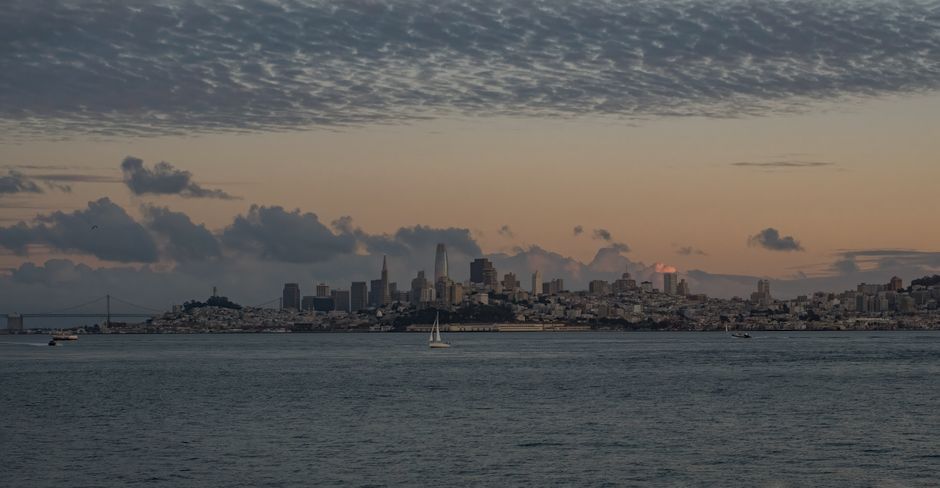
San Francisco sits at the tip of a hilly peninsula between the Pacific Ocean and San Francisco Bay, joined to the north by the Golden Gate Bridge. It is a compact city, easy to explore on foot, by cable car and by Muni, with a view at the top of almost every street. Visitors come for the bridge, the boat ride to Alcatraz, the cable cars over Nob Hill, Chinatown, the Victorian houses, Golden Gate Park and its museums, and some of the best food in the country. Beyond the city lie the redwoods of Muir Woods, the waterfront town of Sausalito and the wine country of Napa and Sonoma. The weather surprises many people: summers are cool and often foggy, and the warmest, sunniest days usually come in September and October.
Right now in San Francisco
- Wed15–22°C59–72°FMostly clear
- Thu14–20°C57–67°FMostly clear
- Fri15–18°C59–65°FCloudy
- Mon 12 Oct Columbus Day
- Mon 12 Oct Indigenous Peoples' Day · regional holiday in California
Top tours in San Francisco
See all tours for San Francisco →
From local operators, with prices and reviews; you check availability and book on Viator, our partner. We may earn a commission at no extra cost to you. How we earn money
San Francisco at a glance
- Best for: iconic sights, waterfront and hill walks, food and markets, museums, and day trips to the redwoods and wine country.
- How long: 3 days for the bridge, Alcatraz, the cable cars and the main neighborhoods; 5–7 days to add Muir Woods, Sausalito, wine country or Yosemite.
- Best time: September and October, the warmest months (highs near 70 °F, 21 °C). Summer is mild and foggy; most rain falls from November to March.
- Getting there: San Francisco International Airport (SFO), about 13 miles (21 km) south, with BART trains to downtown.
- Getting around: walk, then use Muni buses, streetcars and cable cars, and BART. Tap a contactless card or phone, or use Clipper.
- Before you go: entry rules and ESTA, money, tipping and driving are in our United States travel guide.
San Francisco’s neighborhoods and who each one suits
Most sights are in the northeast of the city, between Union Square, the Embarcadero waterfront and Fisherman’s Wharf, but the best local life is in the neighborhoods to the west and south. Hills are steep: plan routes with the cable cars and buses in mind.
Union Square and downtown
The shopping and hotel district, with the Powell Street cable car turntable, department stores and theaters, and the Financial District a short walk east. It has the most hotels and the best transport, including BART from the airport. A few blocks west, parts of the Tenderloin and Mid-Market have visible street homelessness and drug use; stay alert at night and check exactly where a cheap hotel is before booking.
Fisherman’s Wharf and North Beach
Fisherman’s Wharf is the waterfront visitor zone, with Pier 39, the sea lions, seafood stands and the Alcatraz ferry nearby. It suits families and first-timers but is touristy and quiet at night. Just inland, North Beach, the old Italian quarter, has cafes, bakeries and bars, with Coit Tower on Telegraph Hill above.
Nob Hill and Chinatown
Nob Hill has grand old hotels, Grace Cathedral and two cable car lines. Below it, Chinatown is one of the oldest in North America, with shops on Grant Avenue and food markets on Stockton Street. A central base if you don’t mind hills.
The Mission, the Castro and the Marina
The Mission District, often the sunniest part of the city, is known for murals, taquerias, Dolores Park and Mission Dolores, the city’s oldest building. The Castro is the historic heart of LGBTQ+ San Francisco. In the north, the Marina and Cow Hollow are smart, flat neighborhoods near the Presidio and the bridge, and Haight-Ashbury, the 1960s counterculture district, borders Golden Gate Park.
Top things to see in San Francisco
Prices and hours below were checked on the official sites in October 2026, unless we say otherwise; check again before you go. Prices exclude sales tax where it applies.
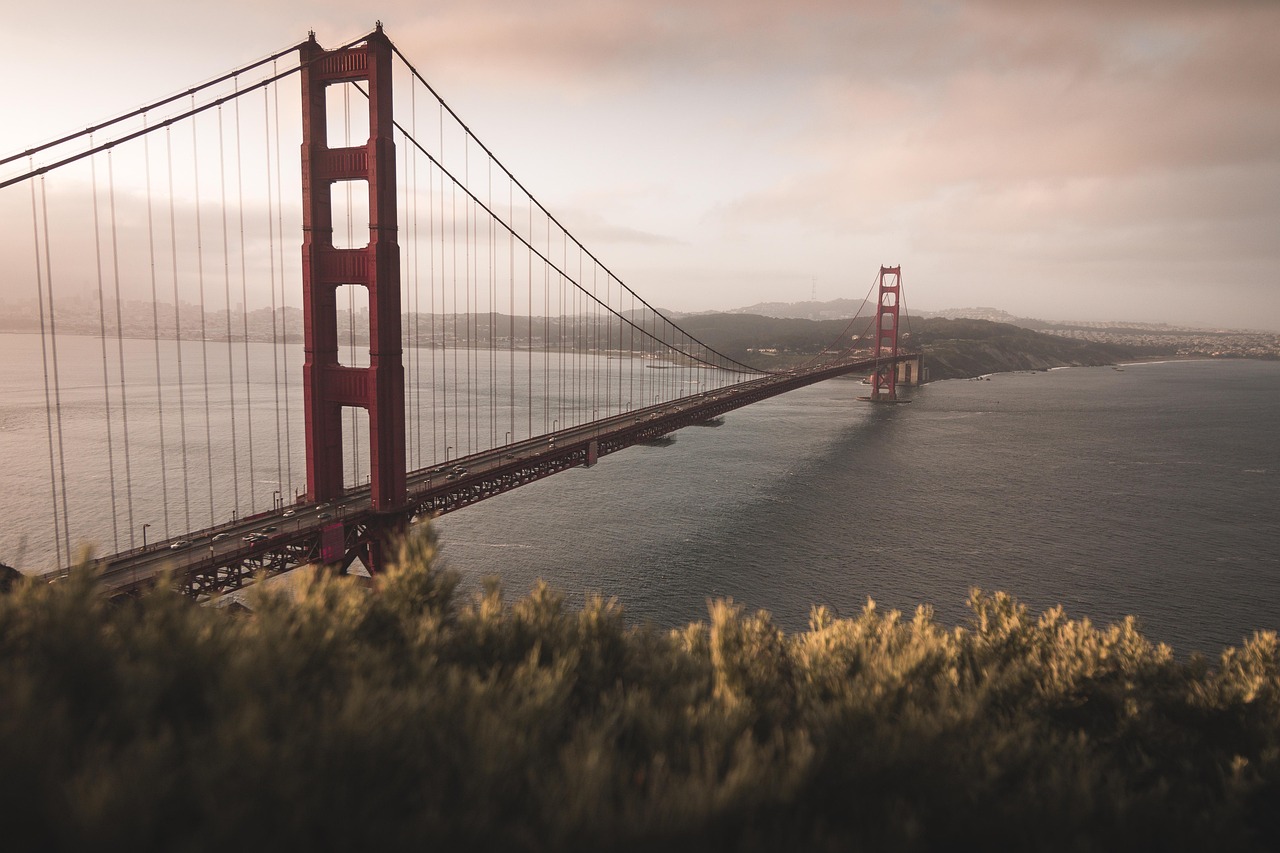
The Golden Gate Bridge
Opened in 1937 and painted “International Orange”, the bridge is free to walk or cycle across: about 1.7 miles (2.7 km) each way, windy and often cold. According to the bridge district, pedestrians use the east sidewalk (facing the city), open 5 a.m. to 9 p.m. during daylight saving time and 5 a.m. to 6:30 p.m. from early November to early March. Cyclists can cross 24 hours a day, with a 15 mph limit; e-bikes are allowed, e-scooters and drones are not. There are no bike rentals at the bridge, so rent in the city and ride through the Presidio.
Drivers pay a toll only southbound, into San Francisco, and there are no cash booths. As of October 2026 (rates from July 1, 2026), a car pays $10.25 with FasTrak, $10.50 with a license plate account or one-time payment, and $11.25 by invoice. A one-time payment can be made online up to 30 days before or within 48 hours after crossing. In a rental car, ask how the company bills tolls; most add fees. The best viewpoints are Battery Spencer on the north side and Fort Point and Crissy Field on the south.
Alcatraz Island
The island was a fort, a military prison and, from 1934 to 1963, a maximum-security federal penitentiary; in 1969–71 it was occupied by Native American activists. Today the National Park Service (NPS) runs it as part of the Golden Gate National Recreation Area. There is no entrance fee, but the only way to land is the ferry of Alcatraz City Cruises, the only authorized operator, from Pier 33 on the Embarcadero. As of October 2026 the NPS lists the day tour at $47.95 for adults and youths (12+), $45.15 for seniors (62+) and $29.15 for children aged 5–11; under-5s are free. The night tour (Tuesday to Saturday) costs $59.65 for adults. Tickets include the ferry and the cellhouse audio tour, narrated by former inmates and officers.
Tickets go on sale up to 90 days ahead and the NPS warns they can sell out weeks in advance in summer and around holidays. Ferries leave about every 30 minutes from 8:45 a.m., and the island is open daily except Thanksgiving, Christmas and New Year’s Day. As of October 2026 the NPS says the north wing of the cellhouse (dining hall, hospital wing and shower room) is closed for preservation work until about 2028; the main cell block and audio tour are open. The walk up from the dock climbs 130 feet (40 m), with an electric shuttle for those who need it. There is no food on the island. Allow about 3 hours.
The cable cars
Pulled by cables under the street since the 1870s, the cable cars are a National Historic Landmark and still part of Muni. Powell–Hyde and Powell–Mason run from Powell and Market to the Fisherman’s Wharf area, and the California line crosses Nob Hill; Powell–Hyde has the best bay views. As of October 2026 a single ride costs $9; children 4 and under ride free. From 8 a.m. to 8 p.m. you must pay before boarding at the three turntables, so buy on the MuniMobile app or tap Clipper. To skip the long queue at Powell and Market, board further up the line or ride early.
Fisherman’s Wharf, Pier 39 and the Ferry Building
Fisherman’s Wharf is busy and commercial but fun: clam chowder in sourdough bowls, sea lions on the floating docks at Pier 39, historic ships at the Hyde Street Pier and Ghirardelli Square. Walk east along the Embarcadero, past the Exploratorium science museum, to the Ferry Building, the 1898 terminal at the foot of Market Street, now a marketplace of Bay Area food producers, with a farmers market outside several mornings a week, busiest on Saturdays.
Chinatown and Coit Tower
Enter Chinatown through the Dragon Gate at Grant Avenue and Bush Street, browse Grant’s lantern-hung shops, then cross to Stockton Street, where locals buy produce and roast duck. Find the fortune cookie factory in Ross Alley and eat dim sum. Continue into North Beach for espresso and City Lights bookstore, then climb Telegraph Hill to Coit Tower, with 1930s murals and views over the bay.
The Painted Ladies and Alamo Square
The row of pastel Victorian houses on Steiner Street, with the downtown skyline behind, is one of the most photographed views in the city. See it from the lawn of Alamo Square park; the houses are private homes, so keep off the steps. Late afternoon light is best.
Golden Gate Park: the de Young and the California Academy of Sciences
Golden Gate Park runs about 3 miles (5 km) to Ocean Beach, with lakes, gardens and two major museums facing each other across the Music Concourse. The California Academy of Sciences combines an aquarium, a planetarium, a rainforest dome and a natural history museum under a living roof. As of October 2026 it lists adults (19+) at $49, or $55 at peak times (spring break, summer and holidays), youths (13–18) $45/$49 and children (3–12) $39/$45; ages 2 and under are free. It opens Monday to Saturday 9:30 a.m.–5 p.m. and Sunday 11 a.m.–5 p.m. The de Young shows American art and art from Africa, Oceania and the Americas, with a free observation tower. According to the Fine Arts Museums, general admission is free on the first Tuesday of each month, on Saturdays for Bay Area residents, and always for visitors 17 and under; check its site for adult prices.
The Presidio and Lands End
The Presidio, a former army post at the southern end of the bridge, is now a free national park site with trails, beaches and historic buildings. Presidio Tunnel Tops, a park built over the highway tunnels, has picnic lawns, a nature playground and superb bridge views. Further west, the Lands End trail follows the cliffs to the ruins of the Sutro Baths. See our hiking guide.
More to see
- Lombard Street: the brick-paved block of eight hairpin bends between Hyde and Leavenworth.
- Twin Peaks: a 360-degree view over the city and bay on a clear morning.
- The Mission murals: Balmy Alley and Clarion Alley, plus Mission Dolores.
- SFMOMA: the large modern art museum in SoMa.
Other sights
- Fisherman's Wharf
- Golden Gate Bridge
- Painted Ladies
- San Francisco Ferry Building
Viewpoints
- Coit Tower
Parks and gardens
- Alcatraz Island
- Golden Gate Park
- Presidio of San Francisco
Activities and best months
- City sightseeingAlcatraz is reached only by Alcatraz City Cruises from Pier 33 (adult day tour $47.95); tours sell out weeks ahead in summer.
Other things to do in San Francisco
Eat and drink like a local
Try a Mission-style burrito, sourdough bread, Dungeness crab in season, cioppino, dim sum, and Irish coffee at the Buena Vista near the cable car turnaround. The Ferry Building is the best place to taste Northern California produce, cheese and oysters. Top restaurants book up weeks ahead.
Cycling, walking, boat trips and beaches
The classic bike ride runs from Fisherman’s Wharf along the flat waterfront through the Presidio, over the bridge and down to Sausalito, returning by ferry. Walkers love the Filbert Steps up Telegraph Hill and the coastal trail from Crissy Field to Lands End. Bay cruises pass under the bridge and around Alcatraz. Baker Beach and Ocean Beach are lovely for sunsets, but the water is cold and Ocean Beach has strong rip currents, so don’t swim. See our cycling, boat trips and beaches guides.
Day trips and onward travel
Sausalito by ferry
Sausalito, a hillside town of houseboats, galleries and waterfront restaurants just north of the bridge, makes an easy half day. Golden Gate Ferry sails from the Ferry Building in about half an hour. As of October 2026 an adult one-way fare is $8.50 with Clipper or a contactless bank card, or $14 for a paper ticket; youths (5–18) and seniors (65+) pay $7.
Muir Woods National Monument
The nearest old-growth coast redwoods grow in a canyon about 12 miles (19 km) north of the bridge, with flat boardwalk loops. You must reserve parking or a shuttle seat in advance on GoMuirWoods.com, the official reservation site. As of October 2026 the NPS entrance fee is $15 per person aged 16 and over, and parking costs $10 for a standard car. The shuttle from the Larkspur Ferry Terminal costs $4 per adult round trip; it runs on weekends and holidays from early spring through September and on Saturdays and Sundays in October. There is no cell signal at the park, so download your reservation beforehand.
Napa and Sonoma wine country
California’s best-known wine regions are about an hour or more north by car. Napa Valley is the more polished; Sonoma is more relaxed, with smaller family wineries. Most wineries ask you to book tastings ahead. Don’t drink and drive: join a tour or hire a driver. See our wine tasting guide.
Yosemite National Park
Yosemite Valley is roughly 4 hours’ drive each way, so a day trip means 8 hours or more on the road; stay two or three nights if you can. According to the NPS, Yosemite has no timed-entry reservation system in 2026, but weekends can be very congested. As of October 2026 a private vehicle pays $35 for 7 days, cashless, and non-US residents aged 16 and over pay an extra $100 each unless they hold an annual or America the Beautiful pass ($250 for non-residents).
Nearby destinations
- Napa Valley68 km
- Monterey139 km
- Big Sur198 km
- Yosemite National Park253 km
- Lake Tahoe254 km
Getting there and getting around
From SFO airport
BART trains leave from the International Terminal; from the domestic terminals, take the free AirTrain to the Garage G/BART stop. Trains reach Powell Street (for Union Square) and Embarcadero in about 30 minutes. According to BART’s published 2026 fare data, the trip costs $11.80 one way, including the airport surcharge. Tap a contactless bank card or phone at the gate, or use Clipper. Taxis and ride-hailing cost much more.
Muni, Clipper and contactless
Muni (SFMTA) runs the buses, Muni Metro light rail, historic F-line streetcars and cable cars. As of October 2026 an adult ride costs $2.85 with Clipper, the MuniMobile app or a contactless card, or $3 in cash, valid for 120 minutes (not on cable cars). Young people 18 and under ride regular Muni free. The Visitor Passport gives unlimited rides including cable cars: $15 for 1 day, $35 for 3 days and $47 for 7 days. Clipper, the Bay Area transit card, also works on BART, Caltrain and ferries, and can live in Apple or Google Wallet. Contactless Visa, Mastercard, Amex and Discover cards are charged the adult fare; each rider needs their own card.
Caltrain leaves from 4th and King Street for the Peninsula and Silicon Valley, with fares by zone: as of October 2026, $4 for one zone and $8.50 for the three zones to Palo Alto.
Driving, parking and car break-ins
You don’t need a car in the city, where parking is scarce and expensive; rent one only for day trips. Car break-ins are a well-known problem, especially at viewpoints such as the Painted Ladies, Twin Peaks, Lands End and the bridge lots. Never leave anything visible in a parked car, and don’t move valuables into the trunk at your destination, where thieves may be watching. On hills, turn your wheels toward the curb and set the parking brake.
When to go and how long to stay
San Francisco is mild all year, but in summer cool fog pours in from the ocean, especially in the western neighborhoods and around the bridge, while inland areas bake. The table uses NOAA’s 1991–2020 climate normals for the San Francisco Downtown weather station: average daily highs and lows, and days with at least 0.1 inch (2.5 mm) of rain.
| Season | Average high / low | Wet days per month | What it’s like | Good for |
|---|---|---|---|---|
| Winter (Dec–Feb) | 58–60 °F (14–16 °C) / 47–48 °F (8–9 °C) | 8 | The rainy season, with crisp, clear days between storms | Museums, food, fewer crowds |
| Spring (Mar–May) | 62–64 °F (17–18 °C) / 49–51 °F (9–11 °C) | 2–7 | Showers fading, green hills, windy afternoons | Walking, the redwoods, wine country |
| Summer (Jun–Aug) | 66–68 °F (19–20 °C) / 53–56 °F (12–13 °C) | 0–1 | Dry but often foggy and cool, especially by the ocean | Day trips inland, Yosemite |
| Fall (Sep–Nov) | 70 °F falling to 64 °F (21–18 °C) / 56 °F falling to 51 °F (13–11 °C) | Under 1 in September, 5 in November | The warmest, clearest weeks of the year | Everything: the bridge, Alcatraz, outdoor dining |
Downtown averages about 23 inches (580 mm) of rain a year, almost all between November and April; September is the warmest month. Wind and fog make it feel colder than the numbers suggest.
Events worth planning around
- June: San Francisco Pride, one of the largest in the world, on the last weekend of the month.
- Early October: Fleet Week air shows over the bay and the free Hardly Strictly Bluegrass festival in Golden Gate Park.
- Big conventions: hotel prices spike when large events fill the Moscone Center.
How long to stay: 3, 5 and 7 days
3 days: day one, Alcatraz, Fisherman’s Wharf, a cable car over Nob Hill and dinner in North Beach; day two, walk or cycle the bridge from the Presidio and ferry back from Sausalito; day three, Chinatown, the Ferry Building, the Painted Ladies and Golden Gate Park. 5 days: add Muir Woods, the Mission and Lands End. 7 days: add Napa or Sonoma, or an overnight trip to Yosemite.
Weather month by month
Where to stay in San Francisco and the hotel taxes
- Union Square and downtown: the most hotels and the best transport.
- Fisherman’s Wharf: handy for Alcatraz and families; quiet at night.
- Nob Hill and North Beach: classic hotels and restaurants, with cable cars on the doorstep.
- The Marina: quieter, close to the bridge and waterfront paths.
Room rates are usually quoted before tax. According to the city’s Treasurer and Tax Collector, San Francisco charges a 14% transient occupancy tax on stays under 30 days, in hotels and short-term rentals alike. Hotels in the Tourism Improvement District also pay an assessment of 2.25% (zone 1) or 2% (zone 2), and some a Moscone Expansion District assessment; both may appear as separate lines on your bill. Expect about 16% or a little more on top of the room rate as of October 2026, plus any nightly “amenity” fee and parking.
Practical tips for San Francisco
- Book Alcatraz first: plan the rest of your trip around the date you get.
- Sales tax: prices exclude the city’s 8.625% sales tax. Some restaurants also add a service or health-care surcharge, shown on the menu.
- Tipping: 18–22% is usual at sit-down restaurants; more in our United States travel guide.
- Car break-ins: leave nothing visible in a parked car, ever.
- Emergencies: call 911; for city information, 311.
What to pack for San Francisco
Layers, whatever the month: a T-shirt, a warm sweater or fleece and a windproof jacket will take you from a sunny Mission afternoon to a foggy walk across the bridge or a cold ferry deck. Bring shoes with good grip for steep sidewalks and the Alcatraz climb, a compact umbrella from November to March, sunscreen for clear days and a small day bag.
What to pack
- City walking shoesLisbon and Porto are steep, with polished limestone cobbles that get slippery, so grippy soles matter.
- Day packs and anti-theft bagsA small zipped or anti-theft bag makes crowded trams and viewpoints less stressful.
- Rain jacketsFrom October to April Porto and Lisbon see rain on roughly a third of days.
- Travel adapters and convertersPortugal uses Type C and F sockets at 230 V, so most visitors from outside Europe need an adapter.
San Francisco travel FAQ
How much are Alcatraz tickets?
As of October 2026, the day tour costs $47.95 for adults and youths (12+), $45.15 for seniors (62+) and $29.15 for children aged 5–11, including the ferry and audio tour. Buy only from Alcatraz City Cruises, up to 90 days ahead; summer dates sell out weeks in advance.
Is Alcatraz open in 2026?
Yes. As of October 2026 the NPS runs Alcatraz daily except Thanksgiving, Christmas and New Year’s Day. The north wing of the cellhouse is closed for preservation work until about 2028; the main cell block is open.
How much is a cable car ride?
$9 per ride as of October 2026. A 1-day Visitor Passport, $15, covers unlimited cable cars, buses and streetcars.
Can you walk across the Golden Gate Bridge?
Yes, for free, on the east sidewalk: 5 a.m.–9 p.m. in daylight saving time and 5 a.m.–6:30 p.m. in winter. Cyclists can cross 24 hours a day.
How do I pay the Golden Gate Bridge toll?
There are no cash booths. The toll is charged southbound only: $10.25 with FasTrak, $10.50 with a one-time payment, or $11.25 by invoice, as of October 2026. Pay online up to 30 days before or within 48 hours after crossing, or use your rental company’s program.
What is the best way from SFO to downtown?
BART, about 30 minutes to Powell Street or Embarcadero, $11.80 according to BART’s 2026 fare data. Tap a contactless card or phone at the gate, or use Clipper.
Do I need a reservation for Muir Woods?
Yes: reserve parking ($10 for a car) or the shuttle ($4 round trip) on GoMuirWoods.com. The $15 entrance fee per person aged 16+ is separate.
Can I visit Yosemite as a day trip?
It is possible but tiring, about 4 hours’ drive each way. No entry reservation is needed in 2026, but non-US residents aged 16+ pay $100 each on top of the $35 vehicle pass.
What taxes are added to San Francisco hotel bills?
The city’s 14% hotel tax, plus a Tourism Improvement District assessment of 2–2.25% and, at some hotels, a Moscone Expansion District charge: about 16% or a little more.
Why is San Francisco cold in summer?
Cool ocean air and fog flow through the Golden Gate when inland California heats up. Summer highs average only 66–68 °F (19–20 °C); September and October are warmer.
Plan your trip
Partner links: TravelerCenter may earn a commission if you book, at no extra cost to you.
Sources · last reviewed 4 October 2026
Researched and last reviewed on 4 October 2026. Alcatraz: the National Park Service; Golden Gate Bridge tolls, sidewalk hours and ferry fares: the Golden Gate Bridge, Highway and Transportation District; Muni and cable cars: SFMTA; contactless payment: Clipper; BART from SFO: San Francisco International Airport and BART’s published fare data; Caltrain: Caltrain; California Academy of Sciences and de Young: the museums’ sites; Muir Woods and Yosemite: the NPS and its reservation site; hotel taxes: the San Francisco Treasurer and Tax Collector; sales tax: the California Department of Tax and Fee Administration; climate: NOAA’s 1991–2020 normals for San Francisco Downtown. Driving times and event dates are general references, flagged for checking. Prices and hours change, so check the official sites before you go. For entry rules, ESTA, tipping and driving, see our United States travel guide.
Also: nps.gov · NOAA NCEI normals 1991–2020, San Francisco Downtown (climate)
Data: Weather: MET Norway (CC BY 4.0) · Sea temperature: NOAA CoastWatch · Air quality: OpenAQ · Rates: ECB · Holidays: Nager.Date · Costs: World Bank ICP and price levels · © OpenStreetMap contributors (ODBL) · Wikidata (CC0)