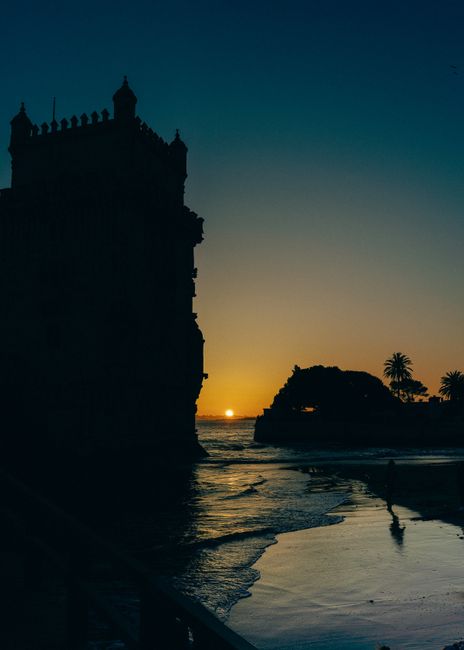
Short answer: Pick Portugal if you want a compact, relaxed first trip where Lisbon, Porto, the Algarve and an island like Madeira fit into a week or two without rushing. Pick Spain if you want more variety and big-name sights: Madrid’s art museums, Barcelona’s Gaudí buildings, Andalusia’s Moorish palaces and many islands, linked by fast trains. If you have ten days or more, combining the two works very well.
Portugal and Spain share the Iberian Peninsula, the euro and the Schengen area, so a lot of the practical side is the same. The differences are in scale, pace and flavor. Spain covers about 505,000 square kilometers (195,000 square miles) and is home to about 49.8 million people; Portugal, including the Azores and Madeira, covers about 92,000 square kilometers (35,600 square miles) with about 11.4 million people. That size gap shapes how long you need and how far you travel each day.
Portugal vs Spain at a glance
| Topic | Portugal | Spain |
|---|---|---|
| Size and trip length | About 92,000 km²; the classic Lisbon, Sintra and Porto loop fits in 7 days, mainland plus an island in about 14 | About 505,000 km², roughly five times larger; Madrid plus Andalusia fits in 7 days, Barcelona, Madrid and the south in about 10 |
| Cities | Lisbon and Porto, plus smaller Sintra, Coimbra and Évora | Madrid, Barcelona, Seville, Valencia, Granada, San Sebastián and many more |
| Beaches | Atlantic: Algarve cliffs and coves, long west-coast sands, cool water outside the south | Mediterranean and Atlantic: Balearic coves, Costa Brava, Costa del Sol, Canary Islands |
| Food | Seafood, grilled fish, bacalhau, pastries, port and vinho verde | Tapas and pintxos, jamón, paella, late dinners, Rioja and cava |
| Costs | Similar day-to-day prices in Lisbon and Madrid (Numbeo, October 2026) | Similar; Barcelona, the Balearics and August on the coasts cost more |
| Getting around | Trains link Lisbon, Porto and the Algarve; islands need a flight | Large high-speed rail network between big cities; islands by flight or ferry |
| Language | Portuguese | Spanish, plus Catalan, Galician, Basque and Valencian in their regions |
| Best time to go | Spring and autumn for the mainland; Madeira any time | Spring and autumn for the south and center; the Canaries any time |
| Best for | A first trip at an easy pace, surf, coastal walks, wine and islands | Art and architecture, nightlife, food variety and a longer multi-city trip |
Cities: two capitals, very different scales
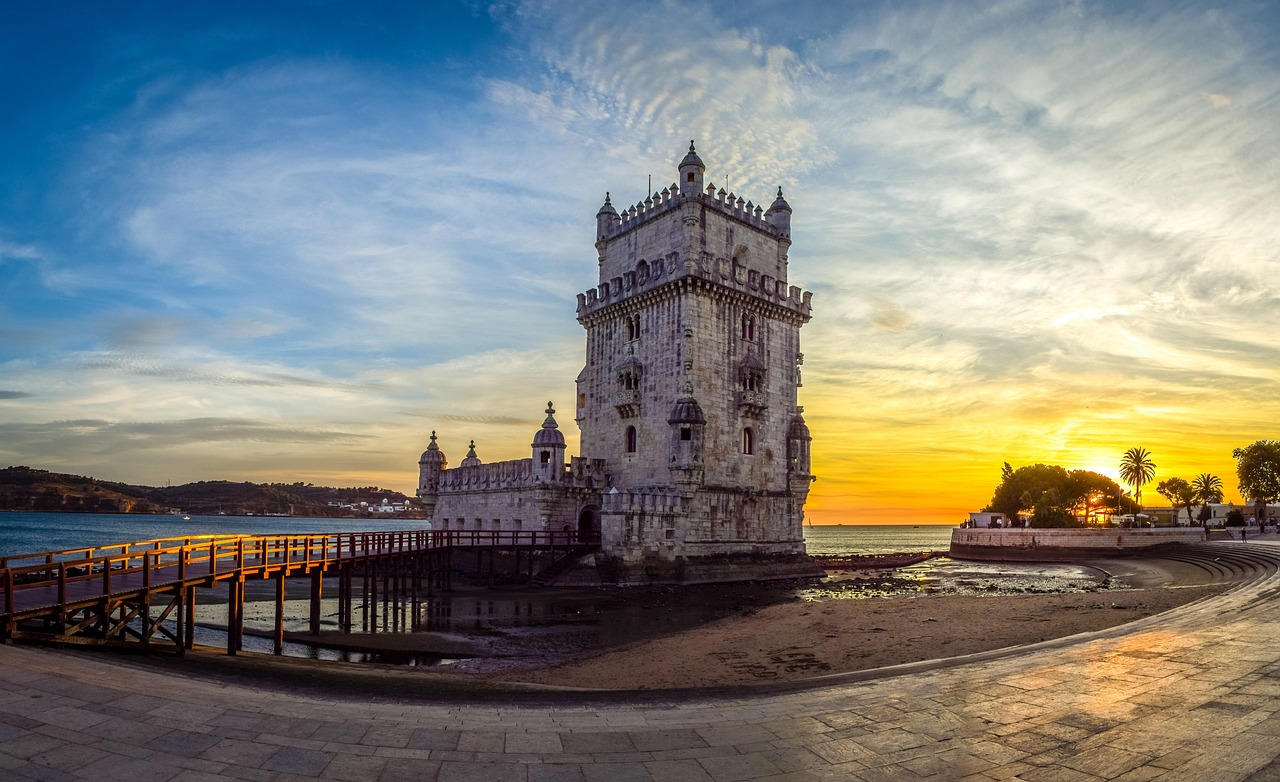
Lisbon is a hilly, sunny capital on the wide Tagus estuary: tram rides, viewpoints, the old Alfama quarter, São Jorge Castle and the Manueline Jerónimos Monastery and Belém Tower. Porto is smaller and moodier, with its riverside Ribeira, the Dom Luís I Bridge, Livraria Lello and the port lodges across the river. The fast Alfa Pendular train joins them in about 2 hours 45 minutes, and day trips to Sintra, Cascais, Coimbra and Évora round out a city-focused week.
Spain simply has more big cities. Madrid is the place for art, with the Prado, the Reina Sofía and the Royal Palace. Barcelona mixes beach and Gaudí, from the Sagrada Família to Park Güell and Casa Batlló. In the south, Seville, Granada and Córdoba form a classic trio, and Valencia, Málaga, Bilbao and San Sebastián each deserve a stay. Easy day trips from Madrid include Toledo and Segovia.
For tips on timed tickets and city passes in both countries, see our city sightseeing guide.
Beaches and islands
Portugal’s coast faces the Atlantic. The Algarve in the south has the warmest water, golden cliffs and coves such as Praia da Marinha, boat trips to Benagil Cave and the calm lagoon islands of the Ria Formosa. The west coast is wilder and cooler, and it is one of Europe’s surf hot spots, from beginner lessons near Lisbon to the giant winter waves of Nazaré. Portugal had 396 Blue Flag beaches in 2026, 86 of them in the Algarve.
Spain has both seas. On the Mediterranean you get the coves of Mallorca, Menorca, Ibiza and Formentera, the rocky bays of the Costa Brava and the long resort beaches of the Costa del Sol. On the Atlantic side are the wide sands of Cádiz and Tarifa, the city beach of La Concha in San Sebastián, and the volcanic Tenerife, Gran Canaria, Lanzarote and Fuerteventura.
Both countries have Atlantic islands with mild winters. Portugal’s Madeira is steep and green, built for walking; its capital Funchal averages a high of about 20 °C in January. Spain’s Canaries are larger and more varied, with Santa Cruz de Tenerife averaging about 21 °C in January. Compare spots and swimming seasons in our beaches guide and surf guide.
Food and wine
Portuguese food is generous, unfussy and built on the sea: grilled sardines in summer, bacalhau (salt cod) cooked countless ways, octopus, clams and seafood rice. Look for the prato do dia, the dish of the day, at lunch. Regional classics include the francesinha sandwich in Porto, cataplana stews in the Algarve and cozido das Furnas in the Azores, slow-cooked in volcanic ground. Wine is excellent value: vinho verde from the Minho, reds from the Douro and Alentejo, port in Porto and Madeira wine in Funchal. The Douro Valley, whose wine landscape is a UNESCO World Heritage site, makes a beautiful day or overnight trip from Porto.
Spanish food is built around sharing and late hours. Tapas and, in the Basque Country, pintxos picked from the bar counter make an evening out; in Granada and parts of Andalusia a small tapa often comes free with a drink. Try jamón ibérico, tortilla de patatas, gazpacho in summer, paella in Valencia and pulpo a la gallega in Galicia. Lunch usually runs from about 14:00 to 16:00 and dinner from 21:00. Wine regions include La Rioja and Ribera del Duero for reds, the Penedès for cava, Jerez for sherry and Rías Baixas for albariño. See our wine tasting guide for both countries.
Culture and history
Both countries are rich in history, but Spain has more of it to visit simply because it is bigger: UNESCO lists 50 World Heritage properties in Spain and 17 in Portugal. Spain’s headline sights include the Alhambra, the Mezquita of Córdoba, Seville’s Real Alcázar and cathedral, and Madrid’s Paseo del Prado and Retiro park. Flamenco, born in Andalusia, is on UNESCO’s intangible heritage list.
Portugal’s highlights are smaller in number but easy to reach: the monuments of Belém, the romantic palaces of Sintra such as Pena Palace and Quinta da Regaleira, Évora’s Roman temple and nearby Almendres Cromlech, and Porto’s historic center. Fado, the soulful sung music of Lisbon and Coimbra, is on UNESCO’s intangible list too.
Festivals are a good tiebreaker. Lisbon celebrates Santo António on 12–13 June and Porto has São João on 23–24 June. Spain has Las Fallas in Valencia on 15–19 March, San Fermín in Pamplona on 6–14 July and Holy Week processions, which in 2027 run from 21 to 28 March. Popular attractions in both countries, including Pena Palace, the Alhambra and the Sagrada Família, sell timed tickets, so book ahead.
Nature and outdoors
Portugal’s outdoor stars are its islands. Madeira has levada walks along old irrigation channels, such as Levada das 25 Fontes, high trails from Pico do Areeiro and a laurel forest listed by UNESCO. The Azores offer crater lakes like Sete Cidades and Lagoa do Fogo, hot springs at Furnas, the climb up Mount Pico and whale watching. On the mainland, the Rota Vicentina coastal trails and the Peneda-Gerês National Park are good bets.
Spain has bigger mountains: the Picos de Europa and the Pyrenees for summer hiking, the Sierra Nevada above Granada, the Serra de Tramuntana on Mallorca and Teide National Park, where Mount Teide rises to 3,715 meters as Spain’s highest peak. Walkers can also follow sections of the Camino de Santiago to Santiago de Compostela. Our hiking, cycling and boat trips guides cover routes in both countries.
Costs: closer than you might think
Portugal has a reputation as the cheaper of the two, but in the capitals day-to-day prices are now very close. Numbeo’s crowd-sourced data from early October 2026 puts a meal at an inexpensive restaurant at about €15 in Lisbon and €16 in Madrid, dinner for two at a mid-range restaurant at about €55 and €60, and a cappuccino at about €2.70 in both. Hotels make the biggest difference: Statistics Portugal (INE) reported an average of €159.2 per occupied room in August 2025, and Statistics Spain (INE) €166.9 in August 2026. The years and methods differ, so read them as the same ballpark rather than an exact gap.
Where and when you go matters more than which country. Barcelona, the Balearics and any beach area in August are expensive; inland towns, Portugal’s Alentejo and winter trips are cheaper. Watch for tourist taxes: Lisbon charges €4 and Porto €3 per person per night, while in Spain Catalonia, the Balearics and some Galician cities charge their own. Our Portugal and Spain guides have daily budget estimates.
Getting around and getting between them
Inside Portugal, trains make the mainland easy: Lisbon to Porto takes about 2 hours 45 minutes, Lisbon to Sintra about 40 minutes, and there are trains to the Algarve. Madeira and the Azores need a flight from Lisbon or Porto. If you rent a car, note that many Portuguese motorways have electronic-only tolls, so set up a payment method before you drive.
Inside Spain, high-speed trains link Madrid with Barcelona, Seville, Córdoba, Málaga and Valencia, and several companies (Renfe, Ouigo and Iryo) compete on the main routes. Timetables change, and some journeys have been running slower than usual in 2026, so check current times on the operator’s site before you plan around a connection. The Balearics and Canaries are reached by flight or ferry.
Getting between the two countries is easy if you pick the right link. Remember that mainland Spain is one hour ahead of mainland Portugal.
- Lisbon–Madrid: a direct flight takes about 1 hour 15 to 1 hour 20 minutes. FlixBus runs several buses a day, from about 7 hours 50 minutes. There is no direct train: the rail route means changing at Entroncamento and Badajoz and takes most of a day.
- Porto–Vigo: the Celta train, run jointly by Portugal’s CP and Spain’s Renfe, makes the trip twice a day in about 2.5 hours by the clock. Until 7 April 2027, works mean a bus replaces the train between Valença and Vigo. Vigo is the gateway to the Rías Baixas and Santiago de Compostela.
- Algarve–Seville: buses link Faro and Seville several times a day; FlixBus lists the fastest at about 3 hours 35 minutes by the clock, including the hour change. There is no train across this border, but a small ferry crosses the Guadiana River from Vila Real de Santo António to Ayamonte, and the motorway bridge makes driving simple.
Both countries are in the Schengen area, so there is no passport check at the land border, but the 90-days-in-180 rule for visa-free visitors counts your time in both together.
Best time to visit
Spring (April to June) and autumn (September and October) suit both countries best for a first trip, with warm days and fewer crowds than August. The main difference is summer heat. Lisbon’s average high in July is about 28 °C and Faro’s about 29 °C, thanks to the Atlantic breeze, while Seville averages about 36 °C and Madrid about 32 °C. If you can only travel in July or August, Portugal’s coast and Spain’s north and islands stay more comfortable than inland Andalusia.
Rain matters in the north of both countries. Porto averages about 13 rainy days in January, and San Sebastián sees rain on about 141 days a year, which is why that corner of Spain is so green. In winter, the sunniest choices are Madeira and the Canary Islands, both around 20–21 °C by day in January.
Who should choose which
- Choose Portugal if you have about a week, want to unpack fewer times, love seafood, surf or coastal walks, or want an island like Madeira or the Azores in the same trip.
- Choose Spain if you want world-famous museums and monuments, lively late nights and tapas, a choice of Mediterranean islands, or a longer trip with several big cities linked by fast trains.
- Combine them if you have ten days or more. Two easy routes: Lisbon, the Algarve and Seville, then on to Granada and Córdoba; or Porto, Vigo and Santiago de Compostela through green Galicia. Flying between Lisbon and Madrid joins the two capitals in under an hour and a half.
Plan your trip: our free trip planner can build a day-by-day plan from our guides, including a Portugal-and-Spain trip that crosses the border. Then use the smart packing list to pack for your dates, places and activities, or read our Portugal packing list.
Frequently asked questions
Is Portugal cheaper than Spain?
Not by much in the big cities. Crowd-sourced Numbeo data from October 2026 shows similar restaurant and coffee prices in Lisbon and Madrid. Where and when you travel matters more: August on the coasts, Barcelona and the Balearics cost more, while inland areas and winter trips cost less in both countries.
Can you visit Portugal and Spain on the same trip?
Yes, and it is a popular choice. Buses connect the Algarve with Seville, the Celta train (with a bus section until April 2027) connects Porto and Vigo, and short flights link Lisbon and Madrid. Both are in the Schengen area, so there is normally no passport check at the border between them.
How many days do I need for Portugal or Spain?
Seven days covers Lisbon, Sintra and Porto, and two weeks lets you add the Algarve or an island. For Spain, a week works for Madrid and Andalusia, and about ten days for Barcelona, Madrid and the south. For both countries together, plan at least ten days.
Is there a direct train from Lisbon to Madrid?
No. The rail route needs changes at Entroncamento and Badajoz and takes most of a day. The quickest option is a direct flight of about an hour and a quarter, and buses take from about 7 hours 50 minutes.
Which is better for a winter trip?
Both have a warm winter island. Madeira in Portugal and the Canary Islands in Spain both average daytime highs of around 20–21 °C in January. On the mainland, Lisbon, the Algarve, Seville and Málaga are mild and quiet, good for city breaks at lower prices.
Do I need to speak Spanish in Portugal?
No. Portugal’s language is Portuguese, not Spanish, so it is nicer to learn a few Portuguese words than to rely on Spanish. A friendly “bom dia” and “obrigado” (or “obrigada”) in Portugal, or “hola” and “gracias” in Spain, is always appreciated.