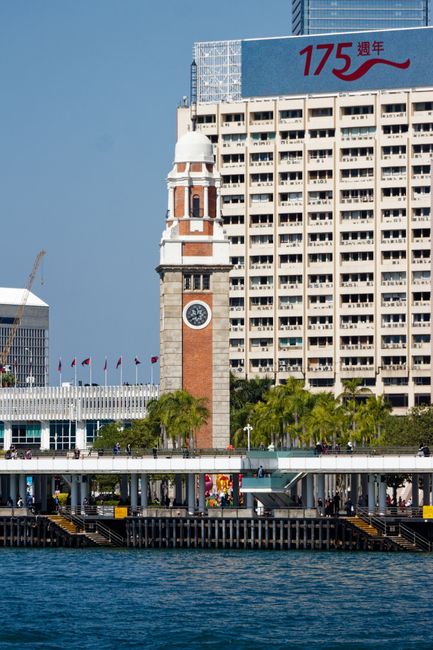
Short answer: The best time to visit Hong Kong is October to early December, when the weather is sunny, dry and warm, the air is clearest for harbor and Peak views, and hiking is at its best. January to March is mild and quiet but often gray, and March and April bring big events such as Art Basel and the Rugby Sevens. The trade-off is summer: from June to September it is hot, humid and very wet, with typhoons, and the first week of October and Chinese New Year (6 February 2027) are the busiest and priciest times for hotels.
Hong Kong has four seasons, a rainy season, typhoon and rainstorm warnings, and a calendar of lunar festivals that move each year. This page explains them month by month and area by area, with the 2027 public holidays, as of October 2026. For the Peak, the Big Buddha, neighborhoods, the Octopus card and ferries to Macau, see our Hong Kong travel guide, and plan your days with our AI trip planner.
Best time to visit Hong Kong at a glance
| Goal | Best months | Why |
|---|---|---|
| Best weather | October to early December | Sunny, dry and warm, with low humidity and clear views |
| Fewest crowds | January, outside Chinese New Year; late November | Cool, dry and between the big holidays and events |
| Hiking | October to March | Cool, dry days on the Dragon’s Back, Lantau Peak and the MacLehose Trail |
| Beaches and swimming | May to October | Warmest sea, up to about 27 °C (81 °F) in September; lifeguards in the swimming season |
| Views from the Peak | October to December | Clear days are most common after the summer haze and rain |
| Festivals | February; September | Chinese New Year fireworks; Mid-Autumn lanterns |
| Art and events | March | Art Basel Hong Kong and the Rugby Sevens, usually in March |
| Lowest hotel prices | June to August, outside conventions | The hot, wet season; summer sales in the malls |
Hong Kong weather month by month
Weather month by month
The climate table shows average highs, lows and rain by month at the Hong Kong Observatory’s headquarters in Tsim Sha Tsui, from the Hong Kong Observatory’s (HKO) 1991–2020 climate normals. The Observatory averages about 2,431 mm (96 in) of rain a year, four-fifths of it from May to September; June is the wettest month, with about 492 mm (19.4 in), and December the driest, with about 29 mm (1.1 in). Highs range from about 19 °C (66 °F) in January to about 32 °C (89 °F) in July, and summer humidity averages above 80%. According to HKO, the rainy season normally runs from April to September.
Hong Kong month by month
January
Cool, dry and often hazy, with highs of about 19 °C (66 °F), lows of about 15 °C (58 °F) and only about 33 mm (1.3 in) of rain on three days. The quietest month for crowds, and a good time for hiking and walking the city. Occasional cold spells bring chilly nights.
February
Chinese New Year falls on 6 February 2027, with public holidays on 8 and 9 February. There is a night parade, fireworks over Victoria Harbour and flower markets, but many family-run shops and restaurants close for a few days, and hotel prices rise. The weather is mild, damp and gray, about 19 °C (67 °F) by day.
March
Mild and humid, about 22 °C (71 °F), often foggy, with harbor views coming and going. Art Basel Hong Kong and the Hong Kong Sevens rugby tournament are usually held in March, filling hotels in Wan Chai and Kai Tak. Easter falls in late March in 2027, with public holidays from Good Friday (26 March) to Easter Monday (29 March).
April
Warm and increasingly humid, about 26 °C (78 °F), and the rainy season begins, with about 153 mm (6.0 in) of rain. The Ching Ming Festival on 5 April 2027 is a public holiday, when families visit ancestral graves. A good month for city sightseeing before the heat.
May
Hot and stormy, about 29 °C (84 °F), with about 291 mm (11.4 in) of rain. The Birthday of the Buddha on 13 May 2027 is a public holiday; the Cheung Chau Bun Festival, with its parade and bun-scrambling contest, is held on the island around the same time. The beach season starts.
June
The wettest month, with about 492 mm (19.4 in) of rain on 16 days, and heavy, persistent rain that can trigger HKO’s rainstorm warnings. The Tuen Ng (Dragon Boat) Festival on 9 June 2027 brings boat races in Stanley, Aberdeen, Sha Tin and around the islands. Hot, about 31 °C (87 °F).
July
The hottest month, about 32 °C (89 °F) by day and 27 °C (80 °F) at night, with high humidity and typhoons possible. July 1 is a public holiday. Malls run summer sales, hotels are cheaper outside big conventions, and indoor sights such as the West Kowloon museums are a relief from the heat.
August
Hot and wet, about 31 °C (88 °F), with about 453 mm (17.8 in) of rain. It is the peak month for tropical cyclone signals: according to HKO’s normals, a signal No. 1 or higher is in force on about four days in an average August. The Hungry Ghost Festival, in the seventh lunar month, brings street offerings and Chinese opera.
September
Still hot and humid, about 30 °C (87 °F), with typhoons common. The Mid-Autumn Festival falls on 15 September 2027, with lanterns in the parks, mooncakes and the Tai Hang fire dragon dance; the day after (16 September) is a public holiday. The sea is at its warmest, about 27 °C (81 °F).
October
Sunny and drier, about 28 °C (83 °F), with about 120 mm (4.7 in) of rain on five days: one of the best months. National Day on 1 October brings harbor fireworks, and the mainland’s Golden Week holiday (1–7 October) fills hotels and the main sights. The Chung Yeung Festival is a public holiday (19 October 2026; 8 October 2027).
November
Clear, dry and comfortable, about 24 °C (76 °F) by day and 20 °C (69 °F) at night, with only about 39 mm (1.5 in) of rain. Peak hiking season, and often the best month for views from the Peak. Crowds are moderate outside conventions and events.
December
Cool and dry, about 20 °C (69 °F) by day, with Christmas lights along the harbor and New Year’s Eve fireworks. Christmas Day and the first weekday after it are public holidays, and the week between Christmas and New Year is busy. Early December is one of the best times to visit.
Best time to visit by area
Victoria Harbour, Central and the Peak
October to December, when clear days are most common and evenings on the Tsim Sha Tsui waterfront are pleasant. In summer, ride the Peak Tram early, before afternoon storms and haze, and check the forecast before going up. See the Peak and the harbor in our Hong Kong guide.
Kowloon’s markets and West Kowloon
Any time of year: the night markets of Mong Kok and Temple Street are best on dry, cooler evenings from October to April, and the M+ and Hong Kong Palace Museum make good rainy-day plans in summer.
Lantau: the Big Buddha and Tai O
October to April. The Ngong Ping 360 cable car can be suspended in rainstorms, thunderstorms and strong winds, so summer visits need a backup plan; the buses from Tung Chung keep running in most weather.
The south side, Sai Kung and the islands
May to October for beaches such as Repulse Bay, Shek O and Sai Kung’s bays, when lifeguards are on duty at gazetted beaches; October to March for hiking and Geopark boat trips. Ferries to Lamma and Cheung Chau stop under higher typhoon signals.
Day trip to Macau
The same seasons apply in Macau, an hour away by ferry; avoid Golden Week and Chinese New Year, when both cities are at their busiest. See our Macau travel guide.
Best time for hiking, beaches, festivals and shopping
Hiking
October to March, when it is cool and dry. Summer hiking is hot and humid, with heat and thunderstorm risks; start early, carry plenty of water and avoid streams during heavy rain. See our hiking guide.
Beaches
May to October, when the sea is warm; according to HKO, sea temperatures range from about 17 °C (63 °F) in February to about 27 °C (81 °F) in September. See our beaches guide.
Festivals
Chinese New Year (6 February 2027), the Cheung Chau Bun Festival (around 13 May 2027), the Dragon Boat Festival (9 June 2027) and the Mid-Autumn Festival (15 September 2027) are the highlights; dates follow the lunar calendar and change every year.
Shopping
Summer sales from about late June to August, and Christmas and New Year sales in December. Many small shops close for a few days at Chinese New Year.
Seasons to plan around
- Typhoons: tropical cyclones can affect Hong Kong from about May to November, most often from July to September. According to HKO’s 1991–2020 normals, a signal No. 1 or higher is in force on about 16 days a year and a No. 8 or higher on about 2 to 3 days. Under signal No. 8, offices, shops and attractions close, ferries and buses stop and the MTR runs a reduced service; flights are often delayed or canceled.
- Rainstorms: HKO’s Amber, Red and Black rainstorm warnings are most frequent from May to September. Avoid hillside trails, streams and underpasses during heavy rain.
- Chinese New Year: 6–9 February 2027. Fireworks and parades, but many small shops and restaurants close and hotels are expensive.
- Golden Week: 1–7 October, when visitors from the mainland fill hotels, shopping streets and the main sights; also busy around 1 May.
- Conventions and big events: Art Basel, the Rugby Sevens and major trade fairs push hotel prices up; check event calendars before booking.
How long to stay
Three days covers the harbor, the Peak, Kowloon and the Big Buddha; five days adds a day trip to Macau and a hike or beach day; a week adds Sai Kung and the islands. In summer, leave flexibility for a typhoon day. See the sample itineraries in our Hong Kong travel guide.
Best time to visit Hong Kong: FAQ
What is the best month to visit Hong Kong?
November: dry, sunny and comfortable, with clear views and the best hiking. October and early December are almost as good, though the first week of October is busy with Golden Week.
What is the rainiest month in Hong Kong?
June, with about 492 mm (19.4 in) of rain on 16 days at the Observatory, followed by August (about 453 mm/17.8 in) and July.
When is typhoon season in Hong Kong?
From about May to November, most often from July to September; August is the peak month for tropical cyclone signals.
What is the cheapest time to visit Hong Kong?
The hot, wet summer from June to August usually has the lowest hotel rates, outside big conventions and summer school holidays. Chinese New Year, Golden Week and March’s big events are the most expensive.
Is December a good time to visit Hong Kong?
Yes. It is cool and dry, about 20 °C (69 °F) by day, with Christmas lights and New Year’s Eve fireworks; the days between Christmas and New Year are busy.
Is it too hot to visit Hong Kong in summer?
It is hot and humid, about 31–32 °C (87–89 °F) by day, with frequent storms, but the MTR, malls and museums are air-conditioned. Plan outdoor sights for the morning and keep a flexible day for typhoon signals.
Sources · last reviewed 9 Oct 2026
Researched and last reviewed by TravelerCenter on 8 October 2026. Monthly temperatures, rainfall, rain days, sea temperatures, the rainy season and tropical cyclone signal statistics come from the Hong Kong Observatory’s 1991–2020 normals; rainstorm and typhoon signal rules from HKO; the 2026 and 2027 public holidays from GovHK. The months of Art Basel, the Rugby Sevens, the Cheung Chau Bun Festival, the Hungry Ghost Festival and Golden Week, and what closes under signal No. 8, are general references, flagged for checking. Check forecasts and event dates before you travel.
Also: HKO normals 1991–2020, Hong Kong Observatory (climate)
Data: Wikidata (CC0)