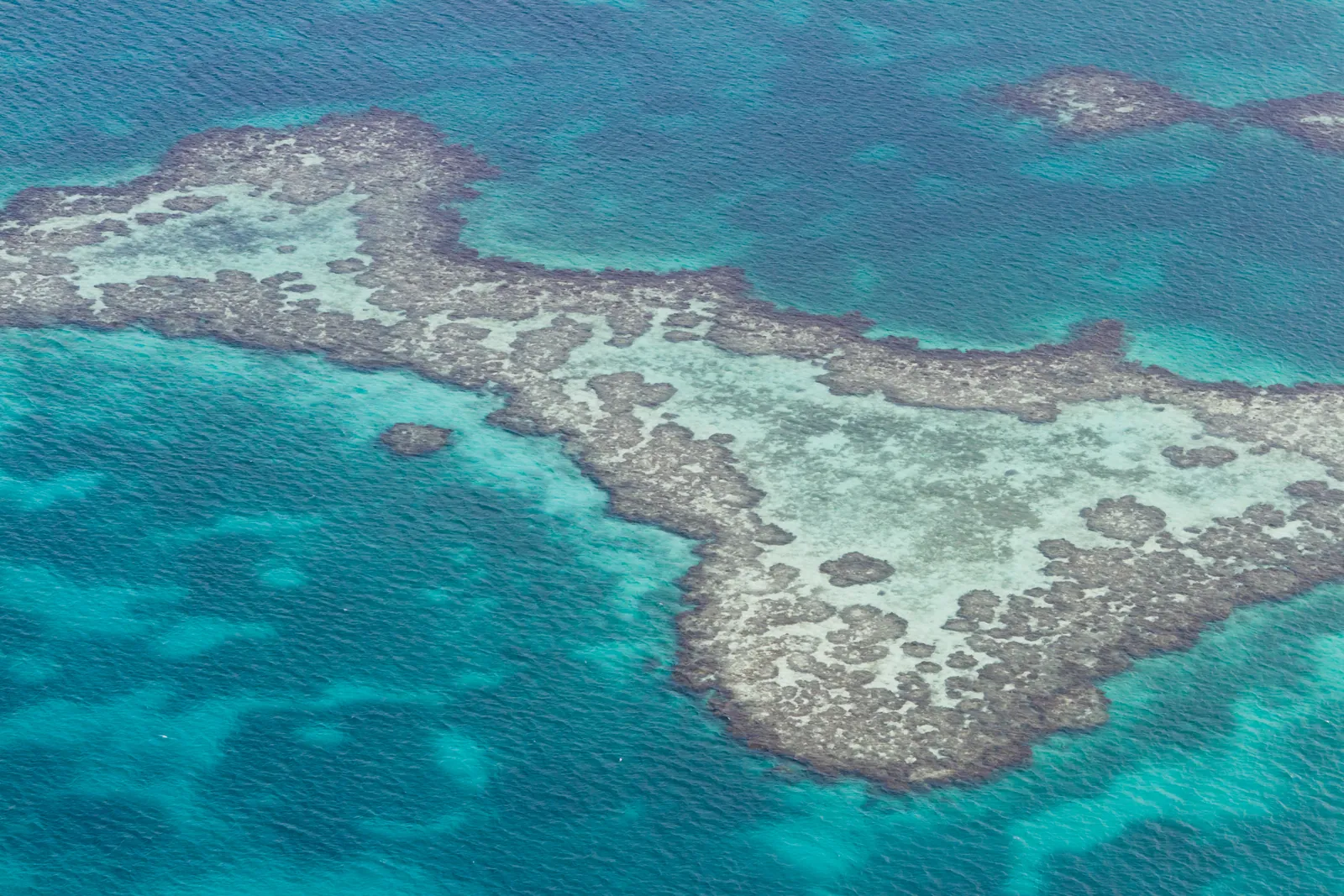
Short answer: the best time to visit Belize is February to May, the dry season, when the cayes and the reef have the most sunshine, the calmest seas and the clearest water; March and April are the driest months, and March to June brings whale sharks off Placencia. The trade-off is that Christmas, New Year and Easter are the busiest and most expensive weeks, and April and May are the hottest. June to November is the wet season and hurricane season, wettest from September to November, with the lowest prices and some businesses closing in the fall.
Belize is warm all year, so the choice is about rain, wind, storms and wildlife, and the country changes a lot from north to south: the far south gets about twice as much rain as Belize City. This page goes through the weather and events month by month and region by region, as of October 2026. For entry rules, money and getting around, see our Belize travel guide, and plan your days with our AI trip planner.
Best time to visit Belize at a glance
| Goal | Best months | Why |
|---|---|---|
| Best weather | February–May | Dry season; March and April have the fewest rainy days |
| Diving and snorkeling | March–May | Calm seas and the best visibility on the barrier reef and the Blue Hole |
| Whale sharks | March–June | Gladden Spit off Placencia, around the full moons |
| Lowest prices, fewest crowds | September–November | Low season; wettest months and peak hurricane risk |
| Good value with good weather | Late April–May | After Easter; hot and still dry |
| Maya ruins and the jungle | February–April | Drier trails and caves in Cayo, before the hottest weeks |
| Lobster | July–February | Lobster season; Lobsterfests when it reopens in July |
| Kitesurfing | November–February | Steady winds behind the winter cold fronts on Caye Caulker |
| Festivals | September, November 19 | The September Celebrations and Garifuna Settlement Day |
Belize weather month by month
Weather month by month
The table shows average daily highs and lows and monthly rain from the 1991–2020 climate normals that Belize’s National Meteorological Service submitted to the World Meteorological Organization (WMO), archived by NOAA. At Philip Goldson International Airport, near Belize City and the northern cayes, highs run from about 28 °C (82 °F) in January to 32 °C (89 °F) in May, and nights stay around 21–26 °C (70–78 °F). Rain varies far more: about 41 mm (1.6 in) in March and 58 mm (2.3 in) in April, with rain on only about four days, against about 305 mm (12 in) in October, the wettest month, with rain on about 16 days. Central Farm in Cayo, inland, is drier, about 1,550 mm (61 in) a year, but hotter in spring, about 34.5 °C (94 °F) in May, with cooler winter nights near 19 °C (66 °F). Punta Gorda in the far south gets about 3,700 mm (146 in) a year, with about 710 mm (28 in) in July alone.
Belize month by month
January
A cooler, changeable month: highs of about 28 °C (82 °F), with occasional cold fronts (“northers”) bringing wind, rain and rough boat crossings for a day or two. It is busy in the first week after New Year, then quieter. Kitesurfers enjoy the steady winds on Caye Caulker. George Price Day is a public holiday on Friday 15 January 2027.
February
Drier and sunnier as the dry season begins, and high season on the cayes. Lobster season closes at the end of February. A few late cold fronts can still bring windy days, but sea conditions improve through the month.
March
Dry, calm and clear, with about 41 mm (1.6 in) of rain at Belize City, the driest month there; a top month for the Blue Hole and Hol Chan. Whale sharks begin to gather at Gladden Spit off Placencia around the full moon. Easter falls early in 2027 (Good Friday to Easter Monday is 26–29 March), and it is the busiest holiday weekend of the spring, so book island hotels and water taxis ahead. National Heroes and Benefactors Day is 9 March 2027.
April
The sunniest month, with rain on only about four days and the calmest seas: good for snorkeling, sailing and diving, and for Maya sites before the hottest weeks. Inland Cayo is drier still, about 35 mm (1.4 in) of rain. After Easter, prices start to fall.
May
Hot and still mostly dry: about 32 °C (89 °F) on the coast and 34.5 °C (94 °F) inland. The sea is often at its calmest and clearest, and whale sharks are still around Placencia. It is a good-value month before the rains, which usually arrive late in May or in June.
June
The wet season starts with heavy showers, especially in the south, and the Atlantic hurricane season begins on 1 June. The last whale sharks of the season pass Gladden Spit.
July
Lobster season reopens on 1 July, celebrated with Lobsterfests on Caye Caulker, Ambergris Caye and Placencia. Rainy, especially in the south, where Punta Gorda averages about 710 mm (28 in) this month; on the cayes, showers alternate with sunshine. Prices are lower, and summer brings some family travelers. Lagoon and mangrove trips are lush and green.
August
Hot, with showers, and the start of the hurricane peak; according to NOAA’s National Hurricane Center, most Atlantic storms come between August and October. Emancipation Day is 1 August. Snorkeling goes on between showers on calm days.
September
The wettest stretch begins and the hurricane risk is highest; it is the quietest month for visitors. The “September Celebrations” fill the month, with St. George’s Caye Day on the 10th and Independence Day on the 21st (a Tuesday in 2027), with parades and music across the country.
October
The wettest month at Belize City, about 305 mm (12 in), with rain on about 16 days, and still within the storm peak. Some hotels, restaurants and tour operators close for a few weeks. Deals are easy to find for those who keep plans flexible.
November
Rain eases through the month and the hurricane season ends on 30 November; the first cold fronts arrive and kitesurfing season begins. Garifuna Settlement Day on 19 November brings drumming, dancing and reenactments of the Garifuna arrival in Dangriga, Hopkins and Seine Bight near Placencia. Prices are still low.
December
Cooler and windy, with occasional cold fronts and showers. Christmas and New Year are among the busiest and most expensive weeks of the year on the cayes, so book early. Boxing Day, 26 December, is a public holiday.
Best time to visit by region
Ambergris Caye
Ambergris Caye is best from February to May, with the most sunshine, calm seas and the best visibility for Hol Chan, Shark Ray Alley and the Blue Hole. Days are about 27–31 °C (81–88 °F) all year and the sea about 26–29 °C (79–84 °F). Lobsterfest in July is a lively time; September and October are very quiet.
Caye Caulker
Caye Caulker is best from February to May for dry weather and calm seas, and from about November to February for kitesurfing, when winds behind the cold fronts are steady. May has the calmest sea, good for manatee trips to Swallow Caye. The island is busy at Easter and at Lobsterfest in July.
Placencia and the south
Placencia is best from March to May, the driest months in the south and the main whale-shark season at Gladden Spit. The south is much wetter than the north from June to November, and Garifuna Settlement Day on 19 November is the cultural highlight in Hopkins and Seine Bight.
Cayo and the Maya sites
San Ignacio and the Cayo District are best from February to April, when trails, caves and the roads to Xunantunich and Caracol are driest, before the heat of May. Many visitors combine Cayo with a day at Tikal in Guatemala, which has the same dry season.
Best time for diving, whale sharks, fishing and festivals
Diving and snorkeling
March to May for calm seas and the best visibility on the barrier reef, the Blue Hole and Lighthouse Reef. Diving goes on all year, but cold fronts in winter and storms in the fall can cancel the long crossings to the atolls.
Whale sharks
From about March to June at Gladden Spit, in the days around the full moon, when snappers spawn. Trips leave from Placencia with licensed operators, and numbers vary from year to year.
Lobster and fishing
Lobster is on menus from 1 July to the end of February; the closed season runs from 1 March to 30 June. Lobsterfests mark the reopening in July. Flats fishing for bonefish, permit and tarpon is good in the calmer, drier months.
Festivals
September for the national celebrations and 19 November for Garifuna Settlement Day. Christmas, New Year and Easter are family holidays, with busy islands.
Seasons to plan around
- Hurricane season, 1 June to 30 November: most storms come from August to October, according to NOAA’s National Hurricane Center. Tropical storms can also bring floods inland, as Tropical Storm Sara did in western Belize in November 2024. If you travel then, follow the National Meteorological Service of Belize and the National Emergency Management Organization (NEMO), and buy travel insurance that covers weather.
- Wet season: about June to November, much heavier in the south; the north and the cayes are drier.
- Cold fronts: from about November to February, “northers” bring a few days of wind, rain and rough water at a time, which can cancel reef trips.
- Fall closures: some hotels, restaurants and tour operators on the cayes close for a few weeks in September and October.
- Holidays: Christmas, New Year and Easter (26–29 March 2027) fill island hotels and water taxis.
How long to stay
A week covers three nights on the cayes and three in Cayo, with a day at Tikal; ten days lets you add Placencia or Hopkins in the south. In the wet season, keep a spare day for boat trips in case of weather. Our Belize travel guide has sample 7-day, 10-day and two-week itineraries, including combinations with Guatemala and Mexico.
Best time to visit Belize: FAQ
What is the best month to visit Belize?
April: it is the sunniest month, with the calmest seas, whale sharks off Placencia and prices falling after Easter. March is just as good but drier at Belize City and busier at Easter in 2027.
What is the cheapest time to go to Belize?
September to mid-November, the low season, has the lowest prices, but it is also the wettest time and the peak of hurricane season, and some businesses close. Late May is a good compromise.
When is hurricane season in Belize?
From 1 June to 30 November, with most storms from August to October.
What is the rainiest month in Belize?
October at Belize City, with about 305 mm (12 in); in the far south, July, with about 710 mm (28 in) at Punta Gorda. The driest month at Belize City is March.
When is whale shark season in Belize?
From about March to June at Gladden Spit off Placencia, in the days around each full moon.
Is December a good time to visit Belize?
It is warm and festive, but changeable: cold fronts can bring wind and rain for a few days, and Christmas and New Year are expensive. For reliably dry weather, February to May is better.
When is lobster season in Belize?
From 15 June to 14 February. Lobsterfests on Caye Caulker, Ambergris Caye and Placencia celebrate the reopening in July.
Sources · last reviewed 9 Oct 2026
Researched and last reviewed by TravelerCenter on 8 October 2026. Temperatures, rain and rainy days come from the WMO 1991–2020 climate normals for the Philip Goldson International Airport, Central Farm and Punta Gorda stations, archived by NOAA’s National Centers for Environmental Information; hurricane season from NOAA’s National Hurricane Center; Tropical Storm Sara from the UK government’s travel advice; public holiday dates from our Belize travel guide. Lobster season dates, the whale-shark season, cold fronts, kitesurfing and festival details come from general references and are flagged for checking with the Belize Fisheries Department and the Belize Tourism Board. Check official sites before you travel.
Also: NMS Belize normals 1991–2020, Philip Goldson International Airport (climate)
Data: Wikidata (CC0)