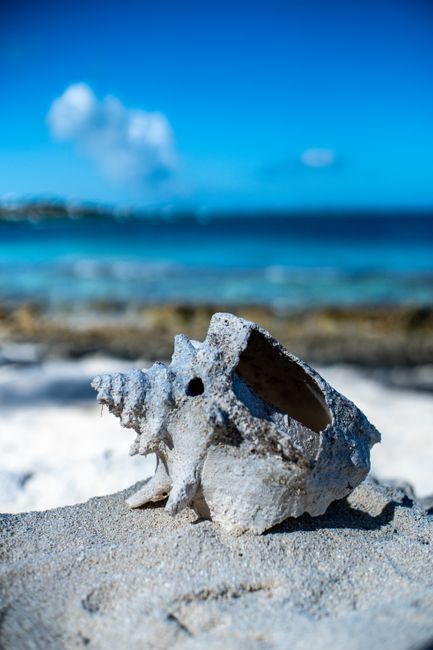
Short answer: the best time to visit the Turks and Caicos is from December to April, when the islands are dry, sunny and breezy, with highs of about 27–29 °C (81–84 °F). Late April to June is the sweet spot for many travelers: warmer, calmer and noticeably cheaper. The trade-off is that December to April is peak season, with the highest prices over Christmas, New Year and US spring break, while September and October are cheapest but carry the highest hurricane risk.
This page explains the islands’ seasons month by month, from winter cold fronts to hurricane season and sargassum seaweed, and which weeks book up first, as of October 2026. For entry rules, taxes, ferries and the outer islands, see our Turks and Caicos travel guide, and plan your days with our AI trip planner.
Best time to visit Turks and Caicos at a glance
| Goal | Best months | Why |
|---|---|---|
| Best weather | December to April | Dry, sunny and breezy, with low humidity |
| Best value | Late April to June | Warm, calm and sunny, with lower rates than winter |
| Lowest prices | September and October | The quietest months, but the peak of hurricane season, and some businesses close |
| Fewest crowds | May, June, September to mid-November | Between the winter peak and the summer family holidays |
| Calmest sea for snorkeling | Late April to August | Lighter winds and fewer winter cold fronts |
| Warmest sea | August and September | About 29–30 °C (84–86 °F) |
| Whale watching | January to March | Humpback whales pass Grand Turk and Salt Cay |
| Kiteboarding | December to June | Steady trade winds at Long Bay |
| Festivals | Late November | The Conch Festival on Providenciales |
Turks and Caicos weather month by month
No official 1991–2020 climate normals are published for the islands, so the temperatures quoted on this page are our own calculation from NOAA’s daily observations at Providenciales airport for 2010–2024; treat them as a guide. Afternoon highs only move between about 27 °C (81 °F) in January and 32 °C (89 °F) in August, and nights between about 23 °C (73 °F) and 27 °C (81 °F). These are among the drier islands in the Caribbean: rain usually comes as short showers, and the wettest stretch is autumn, from about September to November.
Turks and Caicos month by month
January
The coolest month, with highs of about 27 °C (81 °F) and nights around 23 °C (73 °F). Dry, sunny and breezy, though a winter cold front from North America can bring a day or two of cloud, wind and a choppy north shore. Peak season continues after New Year, and humpback whales start passing Grand Turk and Salt Cay. The North Caicos ferry runs its winter timetable of up to five crossings a day.
February
Dry, breezy and sunny, with the coolest sea of the year at about 25 °C (77 °F). Whale season is at its height off Grand Turk and Salt Cay. Presidents’ Day weekend in the US is one of the busiest and most expensive weekends on Providenciales, so book Grace Bay hotels early.
March
Still dry and sunny, with highs near 28 °C (82 °F). US spring break makes March one of the most expensive months. The whale season ends, and sargassum seaweed can start drifting onto the exposed east-facing coasts from about March.
April
Warming up, with highs around 29 °C (84 °F) and fewer cold fronts. Easter is busy, but from late April prices fall and the sweet spot of the year begins: calm seas, long sunny days and quieter beaches.
May
One of the best-value months, with highs near 30 °C (86 °F), warm, calm water and few showers. Resorts offer spring rates, and dive boats find good conditions on the walls off Grand Turk and West Caicos.
June
Hot and calm, with highs of about 31 °C (88 °F) and nights near 27 °C (80 °F). The Atlantic hurricane season officially starts on June 1, but early-season storms rarely affect the islands. A good month for families before the July rush.
July
Hot and humid, with steady breezes and highs near 32 °C (89 °F). Summer family holidays fill Providenciales in July and early August. The sea is warm, about 28–29 °C (82–84 °F), and showers are short.
August
The warmest month, with highs of about 32 °C (89 °F) and the warmest sea. Emancipation Day, August 1, is a public holiday. Hurricane risk rises from August, so book flexible rates if you travel late in the month.
September
The quietest and cheapest month, and the peak of the hurricane season. Some restaurants, dive shops and even resorts close for a few weeks for maintenance. Showers are more frequent, though still modest by Caribbean standards. The North Caicos ferry switches to its off-season timetable of three crossings a day from September 1.
October
Still hot and humid, with highs near 31 °C (87 °F) and the hurricane season continuing; it is very quiet, and businesses reopen through the month. In 2026, the US National Hurricane Center reported no hurricanes in the Atlantic and no storm watches or warnings for the islands through early October.
November
Cooler and less humid, with highs dropping to about 29 °C (84 °F). The hurricane season ends on November 30, the ferry to North Caicos returns to its five-a-day winter timetable from November 16, and the Conch Festival on Providenciales, usually in late November, celebrates the islands’ favorite food with local music. A good-value month before the peak.
December
Peak season returns, with dry, breezy weather and highs around 28 °C (82 °F). The second half of December, with Christmas and New Year, is the busiest and most expensive time of the year; book hotels, flights and car hire months ahead. Christmas and Boxing Day are public holidays.
Best time to visit by island
Providenciales and Grace Bay
December to April for classic beach weather, late April to June for calm water and lower prices. Grace Bay is sheltered by the barrier reef, so it is swimmable on most days and usually gets less sargassum than the exposed coasts. Mornings are calmest for snorkeling at Coral Gardens and Smith’s Reef. See the Providenciales section of our Turks and Caicos guide.
Chalk Sound and the southwest
The shallow lagoon is best on calm, sunny days for kayaking and paddleboarding, especially from late April to August, when winds are lighter. Sapodilla Bay and Taylor Bay stay sheltered in most weather.
North Caicos and Middle Caicos
Best from November to June, when the ferry from Provo runs more often (five crossings a day from mid-November to April) and the heat is gentler for the caves and Mudjin Harbor’s cliff paths. In autumn there are only three crossings a day, and services on the islands are thinner.
Grand Turk
January to March is the time to come for whale watching from shore and by boat; the wall diving off the west coast is excellent all year. Cruise ships dock at the south end on many days, so check the ship schedule if you want quiet beaches. The island’s exposed east coast can collect sargassum from about March to September.
Salt Cay and South Caicos
Both are quiet all year. Salt Cay is best from January to March for humpback whales; South Caicos’s wall diving is best in calm late spring and summer. Small planes and the twice-weekly Provo–South Caicos ferry can be affected by weather, so keep a spare day.
Best time for beaches, diving, whales and kiteboarding
Beaches and swimming
Any month works for swimming, as the sea never drops much below 25 °C (77 °F). December to April has the driest weather; late April to August has the calmest, warmest water. All beaches in the territory are public. More ideas in our beaches guide.
Snorkeling and diving
Visibility is good all year because there are no rivers to cloud the water. Late spring and summer bring the calmest seas for boat dives to West Caicos, French Cay and the walls of Grand Turk and South Caicos; winter cold fronts can make the north shore choppy for a day or two. See our snorkeling and diving guides.
Whale watching
Humpback whales pass through the Turks Island Passage from about January to March, best seen from Grand Turk and Salt Cay. See our boat trips guide.
Kiteboarding and sailing
The steady northeast trade winds blow most of the year; the windiest months for lessons at Long Bay are usually from about December to June, with lighter winds in late summer and autumn.
Seasons to plan around
Hurricane season, June 1 to November 30: the highest risk is from August to October, and the islands lie in the path of storms that track west past the Leeward Islands and Hispaniola. If you travel then, book flexible rates, take travel insurance that covers hurricanes, and follow the Bahamas Department of Meteorology, which issues tropical cyclone warnings for the islands, and the territory’s Department of Disaster Management and Emergencies.
Sargassum seaweed, about March to September: it piles up on the exposed east- and southeast-facing coasts of Grand Turk, Middle Caicos, East Caicos and South Caicos. Grace Bay and the north shore of Providenciales usually see much less, and resorts rake it away in the morning. 2026 has been a heavy year across the Caribbean; the University of South Florida’s September 2026 outlook says amounts should keep falling until about November.
Seasonal closures: in September and October, some restaurants, dive shops and resorts close for a few weeks; check before you book.
Dates that fill everything: Christmas to New Year, Presidents’ Day weekend in February, US spring break in March and Easter. Book hotels, car hire and island flights early.
How long to stay
Four or five days is enough for Providenciales alone: Grace Bay, a boat trip to Iguana Island and the reef, and Chalk Sound. Give it a week to add a day trip to North and Middle Caicos and a few nights on Grand Turk, or 10 days for Salt Cay or South Caicos and more diving. Our Turks and Caicos travel guide has sample 4-, 7- and 10-day itineraries.
Best time to visit Turks and Caicos: FAQ
What is the best month to visit Turks and Caicos?
For the best weather, February or March; for the best balance of weather and price, May. Both are dry and sunny, but May is calmer, warmer and cheaper.
What is the cheapest time to go to Turks and Caicos?
September and October, the low season, when hotel rates are lowest. They are also the peak of hurricane season, and some businesses close for maintenance.
What is the rainiest month in Turks and Caicos?
Autumn, from about September to November, is the wettest stretch, but rain usually comes as short showers. The islands are among the drier places in the Caribbean.
When is hurricane season in Turks and Caicos?
From June 1 to November 30, with the highest risk from August to October.
Is June a good time to visit Turks and Caicos?
Yes. It is hot, sunny and calm, with lower prices than winter and warm water for snorkeling. The hurricane season starts on June 1, but early-season storms rarely reach the islands.
When is the best time to see whales in Turks and Caicos?
From about January to March, when humpback whales pass Grand Turk and Salt Cay.
Does Turks and Caicos have sargassum seaweed?
In most years, from about March to September, mostly on the exposed east-facing coasts. Grace Bay is sheltered by the reef and usually gets much less.
Sources
Researched and last reviewed by TravelerCenter on 8 October 2026. The monthly temperatures are our own calculation from NOAA’s daily observations at Providenciales airport for 2010–2024, because no official climate normals are published for the islands; the hurricane season dates and the 2026 season so far come from the US National Hurricane Center; the sargassum outlook from the University of South Florida; ferry timetables from TCI Ferry (Caribbean Cruisin’). Sea temperatures, rainfall patterns, whale and wind seasons, crowd and price patterns, the Conch Festival and holiday details come from secondary sources or general knowledge and are flagged for checking. Check event dates and timetables before you travel.
Data: Wikidata (CC0)