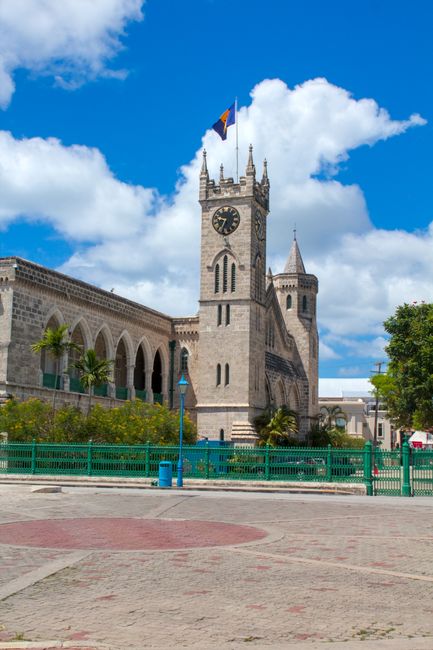
Short answer: the best time to visit Barbados is December to April, the dry, breezy season, with sunny days, short showers and calm water on the west coast; February to April are the driest months, and March has the most sunshine. The trade-off is price: mid-December to mid-April is high season, most expensive over Christmas, New Year and Easter. May, June and November are good-value shoulder months, and August to October is the wettest, quietest and cheapest time, at the peak of hurricane season.
Barbados is warm all year, with afternoon highs of about 29–31 °C (84–88 °F) in every month, so choosing when to go is about rain, wind, storms, crowds and festivals rather than temperature. This page goes through the year month by month and coast by coast, as of October 2026. For entry rules, money, getting around and where to stay, see our Barbados travel guide, and plan your days with our AI trip planner.
Best time to visit Barbados at a glance
| Goal | Best months | Why |
|---|---|---|
| Best weather | December–April | Dry season; February to April are the driest months |
| Most sunshine | March | About 271 hours of sun and rain on about eight days |
| Good weather at lower prices | Late April–June | After Easter; May is still one of the driest months |
| Lowest prices, fewest crowds | September–October | Low season; wettest months and peak storm risk |
| Swimming and snorkeling | February–June | Calm, clear water on the west coast and in Carlisle Bay |
| Festivals | July–early August | Crop Over, ending with Grand Kadooment |
| Cricket | December–April | Matches are played in the dry season |
Barbados weather month by month
Weather month by month
The table shows average daily highs and lows and monthly rain from the official 1991–2020 climate normals for the Charnocks station near Grantley Adams International Airport, in the south of the island, which Barbados reported to the World Meteorological Organization (WMO) and NOAA archives. Highs run from about 29 °C (84 °F) in January to 31 °C (88 °F) in September, and nights stay around 23–25 °C (73–77 °F). Rain changes much more: about 38 mm (1.5 in) in March, the driest month, with rain on about eight days, against about 174 mm (6.8 in) in October, the wettest month, and 173 mm (6.8 in) in November. Charnocks averages about 1,234 mm (49 in) of rain a year and about 3,000 hours of sunshine. The west coast is similar; the hills of the interior are a little cooler and wetter.
Barbados month by month
January
The coolest month, with highs of about 29 °C (84 °F) and a steady trade wind. Showers are short but frequent, on about 11 days, and the total is modest, about 61 mm (2.4 in). It is high season, busy in the first week after New Year. Errol Barrow Day, a public holiday, is 21 January.
February
Dry and breezy, with about 43 mm (1.7 in) of rain on about nine days and nights near 23 °C (73 °F). It is one of the most popular months, especially with visitors escaping the northern winter, and the Holetown Festival on the west coast usually takes place in February.
March
The driest and sunniest month: about 38 mm (1.5 in) of rain and about 271 hours of sunshine. Easter falls early in 2027, with Good Friday on 26 March and Easter Monday on 29 March, so the last week of March is one of the busiest of the spring; the Oistins Fish Festival is held over the Easter weekend.
April
Still dry, with about 58 mm (2.3 in) of rain on about eight days, and warmer, about 30 °C (86 °F). With Easter in March in 2027, April is quieter, and prices begin to fall from the middle of the month. National Heroes Day is 28 April.
May
One of the best-value months: still among the driest, about 72 mm (2.8 in) of rain on about eight days, with hotel rates well below winter levels. It is hot, about 31 °C (87 °F), and the sea is calm. May Day is 1 May and Whit Monday falls on 17 May 2027.
June
The wet season starts, with about 101 mm (4.0 in) of rain on about 11 days, usually in heavy, short downpours, and the Atlantic hurricane season begins on 1 June. Prices are low and the island is quiet before the summer holidays.
July
Hot and humid, with showers on about 15 days. Crop Over, the island’s great festival, builds through the month with calypso tents, street parties and food fairs, and summer brings Caribbean and diaspora visitors home for it.
August
Crop Over ends with the costumed parade of Grand Kadooment on Kadooment Day, the first Monday in August (2 August 2027), the day after Emancipation Day on 1 August. It is the rainiest month by number of days, about 16, and the start of the storm peak; according to NOAA’s National Hurricane Center, most Atlantic hurricanes form from mid-August to mid-October.
September
The hottest month, about 31 °C (88 °F), with about 163 mm (6.4 in) of rain. It is the quietest and cheapest month of the year, and a few hotels close for refurbishment. Keep plans flexible in case of storms.
October
The wettest month, about 174 mm (6.8 in) of rain on about 15 days, and still within the storm peak. Low prices continue, and the Barbados Food and Rum Festival is usually held in October.
November
Almost as wet as October, about 173 mm (6.8 in), but the risk of storms falls through the month and the hurricane season ends on 30 November, which is also Independence Day, celebrated with parades and the national colors across the island. A good-value shoulder month.
December
Rain eases to about 88 mm (3.5 in) and the dry, breezy season begins. Prices jump from mid-December, and Christmas and New Year are the most expensive weeks of the year, when west coast villas are booked months ahead. Christmas Day and Boxing Day (26 December) are public holidays.
Best time to visit by coast
The west coast
The sheltered Caribbean side, from Paynes Bay through Holetown to Speightstown, is calm for most of the year and best from December to May, when the water is clearest for swimming with turtles and snorkeling in the Folkestone Marine Reserve. It is also the coast least affected by sargassum seaweed, and the most expensive in winter.
The south coast and Bridgetown
Carlisle Bay, St Lawrence Gap and Oistins are good all year and best in the dry season. The trade winds that cool the south coast also make Silver Sands a base for windsurfing and kitesurfing. Oistins Fish Fry runs every Friday night, all year, and the town’s Fish Festival takes place at Easter.
The east coast and the interior
Bathsheba, Andromeda Botanic Gardens and the Scotland District are worth a visit in any month, but views are clearest in the dry season, and the rough Atlantic is rarely good for swimming. Sargassum washes up mainly on this coast and the south-east, mostly from about March to September. Harrison’s Cave and the plantation houses are good rainy-day choices.
Best time for beaches, snorkeling, festivals and cricket
Beaches and snorkeling
February to June has the calmest, clearest water, with the fewest rainy days. The sea is warm all year, from about 26 °C (79 °F) in February to 28–29 °C (82–84 °F) from August to October. See our snorkeling guide for gear and etiquette.
Crop Over
July to Kadooment Day, the first Monday in August. It grew out of the celebrations at the end of the sugar cane harvest and is now the island’s biggest party; flights and hotels fill up for the final weekend.
Surfing
The Soup Bowl at Bathsheba is for experienced surfers and works best when Atlantic swells arrive, usually in the winter months; the south coast has gentler breaks for beginners. See our surfing guide.
Cricket
International and regional matches at Kensington Oval are played in the dry season, roughly December to April; check the fixtures before you book.
Seasons to plan around
- Hurricane season, 1 June to 30 November: the peak is from mid-August to mid-October, according to NOAA’s National Hurricane Center. Barbados lies at the south-eastern edge of the main hurricane belt and is hit less often than islands further north; Hurricane Beryl passed to the south on 1 July 2024 and damaged the fishing fleet in Bridgetown. Through early October 2026 the season had produced no Atlantic hurricanes. If you travel between June and November, buy travel insurance that covers storms and follow the Barbados Meteorological Services.
- Wet season, June to November: heavy, short downpours, wettest from September to November.
- Sargassum seaweed: mostly from about March to September, on the east and south-east coasts; the west coast is usually clear.
- Peak weeks: Christmas, New Year and Easter (26–29 March 2027), and the end of Crop Over in early August.
- Public holidays: banks and many shops close on New Year’s Day, Errol Barrow Day (21 January), Good Friday, Easter Monday, National Heroes Day (28 April), May Day, Whit Monday, Emancipation Day (1 August), Kadooment Day, Independence Day (30 November), Christmas and Boxing Day.
How long to stay
Five days covers the beaches, Bridgetown, a catamaran trip and an island tour; a week lets you see the whole island at an easy pace. With ten days, add a short flight to a neighbor such as Saint Lucia. Our Barbados travel guide has sample 5-day, 7-day and 10-day itineraries.
Best time to visit Barbados: FAQ
What is the best month to visit Barbados?
March for the driest, sunniest weather, though Easter makes the end of March busy in 2027. April is nearly as dry and quieter; for value, May.
What is the cheapest time to go to Barbados?
September and October, the low season, have the lowest prices, but they are the wettest months and the peak of the storm season. May, June and November are a good compromise.
What is the rainiest month in Barbados?
October, with about 174 mm (6.8 in) at Charnocks, closely followed by November. August has the most rainy days, about 16. The driest month is March.
When is hurricane season in Barbados?
From 1 June to 30 November, with the highest risk from mid-August to mid-October. Barbados is hit less often than islands further north and west.
When is Crop Over in Barbados?
Through July, ending with Grand Kadooment on the first Monday in August, which is 2 August in 2027.
Is December a good time to visit Barbados?
Yes: the dry season begins and the hurricane season is over, though rain is still more frequent than from February to April, and prices rise sharply from mid-December.
Sources · last reviewed 9 Oct 2026
Researched and last reviewed by TravelerCenter on 8 October 2026. Temperatures, rain, rainy days and sunshine come from the WMO 1991–2020 climate normals for the Charnocks station, archived by NOAA’s National Centers for Environmental Information; hurricane season and the 2026 season to date from NOAA’s National Hurricane Center; Hurricane Beryl’s damage from the Barbados Fisheries Division, via our Barbados guide; public holiday dates from the Barbados Ministry of Labour’s official list, with the 2027 movable dates calculated from the same rules. Sea temperatures, sargassum seasons, surf, cricket and festival months (Holetown, Oistins, Food and Rum) come from general references and are flagged for checking with Visit Barbados and the National Cultural Foundation. Check official sites before you travel.
Also: Barbados Meteorological Services normals 1991–2020, Charnocks (climate)
Data: Wikidata (CC0)