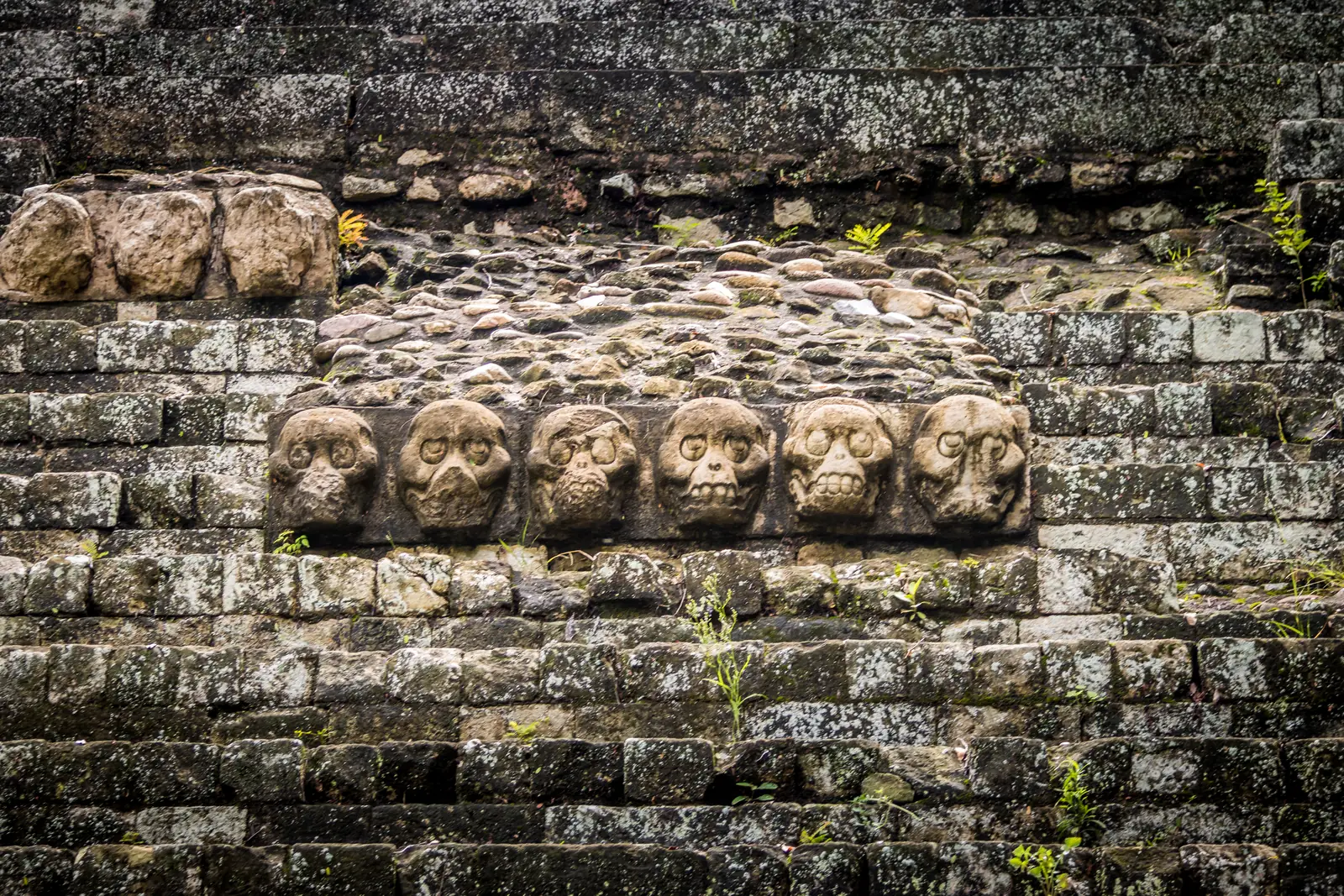
Short answer: In Honduras, plan on roughly $25–75 (about L670–2,000) per person per day on a hostel-and-baleada budget, $120–300 (L3,200–8,100) in a mid-range hotel shared by two with restaurant meals and a dive or a guided visit most days, and from about $400 (L10,800) for West Bay resorts, private islands and domestic flights. A week therefore costs about $175–525, $840–2,100 or from about $2,800 per person, before flights. Mainland towns such as Copán Ruinas are cheap; Roatán costs about as much as other Caribbean islands, and Utila is the budget island.
Most first trips to Honduras pair the Maya city of Copán in the western hills with the Bay Islands on the Mesoamerican Reef, and the two halves of the trip have very different price tags. In Copán Ruinas, a plate of the day costs a few dollars and a tuk-tuk ride costs about one; on Roatán, prices for visitors are mostly in US dollars and resort rooms at West Bay approach US levels. The currency is the lempira (L), and the official rate on October 2, 2026, was about L26.89 to the US dollar, according to the Central American Monetary Council; lempira figures here are rounded at about L26.9. US dollars are widely accepted, especially on Roatán. This guide breaks it all down so you can build a realistic budget for your own trip to Honduras, and our Money exchange tool has today’s rate.
Honduras daily costs at a glance
These example days are built from the prices further down this page: one person, one day in Copán Ruinas or on Roatán. They leave out flights to Honduras and souvenirs.
| Per person, per day | Budget | Mid-range | Comfort |
|---|---|---|---|
| Bed | Hostel dorm bed or dive-lodge bunk: $10–20 | Half of a $80–250 double, from a Copán hotel to a Roatán beach hotel: $40–125 | Half of a West Bay resort room: from about $175 |
| Food | Baleadas, a comedor plate and a simple dinner: $12–20 | A lunch plate and a West End restaurant dinner with drinks: $35–55 | Resort and restaurant meals with wine: from about $80 |
| Transport | Tuk-tuks, minibuses, a share of a bus or ferry leg: $3–15 | Taxis, water taxis and tourist shuttles: $10–30 | Private transfers or a share of a domestic flight: from about $60 |
| Sights | Free beaches and shore snorkeling, or Copán’s park ($20): $0–20 | A two-tank dive ($80–110), or Copán with the tunnels and a guide: $35–90 | Private guides, boat charters and extra dives: from about $100 |
| Total | About $25–75 (L670–2,000) | About $120–300 (L3,200–8,100) | From about $400 (L10,800) |
Copán’s fees are the official prices of the Honduran Institute of Anthropology and History (IHAH); room, meal, transport and dive figures are the typical ranges used in our Copán Ruinas and Roatán guides, before hotel taxes. Treat them as typical ranges, not quotes. A budget day on Roatán costs more than one in Copán, and a mid-range day with two dives sits at the top of its band.
What visitors actually spend in Honduras
The Honduran Institute of Tourism (IHT) surveys what visitors spend. In 2024, tourists spent an average of $75.38 per person per day, not counting international transport, and stayed an average of 9.7 nights, for about $728 per trip. Tourists who arrived by air spent more, about $930 per trip, than those who came overland from neighboring countries, about $320. Food took the largest share of spending, 47.9%, followed by accommodation at 28.5%. The average covers all tourists, including the many who stay with friends or relatives rather than in hotels, so a vacationer staying in hotels and booking dives will spend more per day, close to our mid-range band.
On our Travel costs by country scale, which compares hotel, restaurant and transport prices with the United States (US = 100), Honduras scores 57. In plain words, a typical room, meal or ride costs a little over half of what it would in the US. That makes Honduras dearer than Guatemala (35) and El Salvador (48), similar to Belize (59) and cheaper than Costa Rica (67). Roatán sits well above the national average.
Accommodation costs
Honduras has simple hostels and family-run hotels on the mainland, dive lodges in West End and Utila, and resorts on Roatán’s West Bay and private islands. As typical ranges, the same ones we use in our destination guides:
- Copán Ruinas: a hostel dorm bed costs about L250–400 ($9–15), and a mid-range double about L1,350–2,700 ($50–100); coffee-farm lodges and eco-lodges sit a few kilometers out of town.
- Roatán, West End: a dive-lodge or guesthouse double runs about L1,600–3,200 ($60–120).
- Roatán, West Bay: a beach resort double costs about L4,000–8,000 ($150–300) or more, and many resorts are all-inclusive.
Hotel bills carry Honduras’s 15% sales tax (ISV) and a 4% tourism tax, about 19% in all. Many Roatán hotels quote in US dollars before tax, so compare totals. Rooms are dearest at Christmas, New Year and Holy Week (March 21–28, 2027), when Hondurans travel too.
Food and drink costs
The national snack, the baleada, a flour tortilla folded over beans, cheese and cream, costs about L25–70 ($1–2.60) at a stall, and two make a filling breakfast. In Copán, a plato típico of grilled meat, beans, plantain and cheese at a comedor runs about L150–250 ($5.60–9.30), and coffee from the surrounding hills costs about L40–80 ($1.50–3) in a café. On Roatán, a lunch plate at a local restaurant costs about L200–350 ($7.50–13), dinner at a West End restaurant about L540–1,080 ($20–40), and a local Salva Vida or Port Royal beer about L60–110 ($2.20–4).
On the north coast and the islands, look for sopa de caracol (conch soup in coconut milk) and tapado, a Garifuna seafood stew. Imported goods cost more on the islands than on the mainland. Tap water is not for drinking, so budget for purified water; most hotels supply it.
Getting around: shuttles, ferries, water taxis and flights
- Tuk-tuks and minibuses: in Copán Ruinas, a tuk-tuk across town or to the ruins costs about L20–40 (under $1.50). On Roatán, minibuses between Coxen Hole and West End cost about L30–60 ($1–2.20).
- Water taxis: the hop between West End and West Bay on Roatán costs about L110–190 ($4–7).
- Buses and shuttles: first-class buses and tourist shuttles link Copán Ruinas with San Pedro Sula, about three hours away, and on to La Ceiba for the islands. Shuttles also run daily from Antigua in Guatemala.
- Ferry to the Bay Islands: the Galaxy Wave links La Ceiba with Roatán twice a day, a crossing of about 1 hour 15 minutes, and a separate ferry serves Utila. Seas can be rough from October to January.
- Flights: domestic flights link Roatán with San Pedro Sula, Tegucigalpa (Palmerola) and La Ceiba, and save a long day of road and ferry travel. Roatán also has direct flights from several US cities.
Our Honduras itinerary shows how to link Copán and the islands by road and ferry, or with a domestic flight.
Sightseeing fees, diving and free things to do
The headline sight is Copán, a UNESCO World Heritage Site since 1980. The IHAH publishes these fees for foreign visitors from outside Central America:
| Copán ticket (foreign visitor) | Price |
|---|---|
| Archaeological park and Las Sepulturas | $20 (about L538) |
| The tunnels (Rosalila and Los Jaguares) | $15 |
| Museum of Maya Sculpture | $10 |
| Regional Museum of Maya Archaeology, in town | $5 |
Central Americans and Hondurans pay less. A licensed guide, hired at the entrance, typically costs about L800–1,350 ($30–50) per group and is well worth it for the sculptures and inscriptions.
On the islands, diving is the main expense and one of Honduras’s great bargains. On Roatán, a two-tank boat dive typically costs about $80–110 and an open-water certification course about $350–500, and Utila is known for budget dive courses. The whole area lies within the Bay Islands National Marine Park, and divers and snorkelers usually pay a small marine park fee through their dive shop. See our diving guide.
Free or nearly free:
- Snorkeling straight from the beach at West Bay and Half Moon Bay in West End, where the reef starts a few meters from the sand. Our snorkeling guide has tips.
- The cobbled streets and central square of Copán Ruinas, and the scarlet macaws that often feed on the forest path to the ruins.
- Sunset over West Bay, and live music along West End’s sandy road at weekends.
- The Garifuna community of Punta Gorda on Roatán’s quieter east end.
Our Top 10 places to visit in Honduras covers Lake Yojoa, Pico Bonito and the other highlights in more detail.
Taxes and visitor fees
- Hotel taxes: 15% sales tax (ISV) plus a 4% tourism tax, about 19% on hotel bills.
- Airport departure tax: $40 to $55 depending on the airport, or the same in lempiras. The UK government says it is normally included in your ticket, while the Honduran Institute of Tourism says it is not part of the airfare, so check with your airline whether you will pay it at the airport.
- Land borders: immigration may charge a $3 fee in cash when you arrive overland, for example from Guatemala on the way to Copán; keep the receipt until you leave.
- Marine park fee: a small fee for divers and snorkelers in the Bay Islands, usually collected by dive shops.
Tipping in Honduras
Some restaurants add a 10% service charge; otherwise a tip of about 10% is customary. Tip dive masters, boat crews and guides, including your guide at Copán. Our tip calculator does the math.
Money and payments
US dollars are widely accepted for payment and exchange, especially on Roatán, where many prices are in dollars and change may come in lempiras; British pounds and Canadian dollars are hard to change. Visa, Mastercard and American Express are accepted in hotels and larger businesses, and ATMs are found nationwide; choose machines in banks or shopping centers. Carry your passport, which you need for financial transactions, and keep some lempiras for buses, tuk-tuks and markets.
Money-saving tips for Honduras
- Eat baleadas and comedor plates. They feed you well for a few dollars.
- Stay in West End rather than West Bay. It has cheaper rooms and food, and the beach is a short water taxi away.
- Consider Utila for diving courses. It is the budget favorite among the Bay Islands.
- Weigh the ferry against a flight. The road and ferry route is cheaper; a domestic flight saves a full day.
- Travel outside the peaks. May and June, and September to early October, are cheaper, and on the islands May to August combines lower prices with good weather. Our best time to visit Honduras guide has the month-by-month details.
- Check whether rates include the 19% in taxes. It can make a cheap-looking room less cheap.
Plan your trip: our free trip planner can build a day-by-day plan for Honduras from our guides, starting with Copán Ruinas and Roatán. The Honduras itinerary shows how to fit the ruins and the reef into one or two weeks, and the Money exchange tool turns lempiras into your own currency.
Frequently asked questions
How much money do I need for a week in Honduras?
Using the example days above, seven days cost roughly $175–525 (L4,700–14,100) per person on a tight budget, $840–2,100 (L22,600–56,500) mid-range and from about $2,800 (L75,300) in comfort, before flights. A week split between Copán and Roatán with a few dives usually lands in the middle of the mid-range band.
Is Honduras expensive?
Not on the mainland. On our travel cost scale Honduras scores 57 against 100 for the United States, so rooms, meals and transport cost a little over half as much. Roatán is the exception, with resort prices at West Bay close to those in the US, though diving is among the cheapest in the Caribbean.
Do I need cash in Honduras?
Yes, some. Tuk-tuks, buses, markets and small comedores work in cash, in lempiras or US dollars. Cards work in hotels and larger businesses, and ATMs are found in towns across the country; carry your passport for financial transactions.
How much does it cost to visit Copán?
Foreign visitors pay $20 for the archaeological park and Las Sepulturas, plus $15 for the tunnels and $10 for the Museum of Maya Sculpture, according to the IHAH. A licensed guide costs extra, typically about $30–50 per group.
Is there a departure tax in Honduras?
Yes, $40 to $55 depending on the airport. Official sources disagree on whether it is included in your ticket, so ask your airline before you travel and keep some cash in case you need to pay it at the airport.
What is the cheapest month to visit Honduras?
May and June, and September to early October, are the cheapest times, outside the holiday peaks. On the Bay Islands, May to August combines lower prices with mostly calm seas, while Holy Week is the busiest and dearest week of the year.