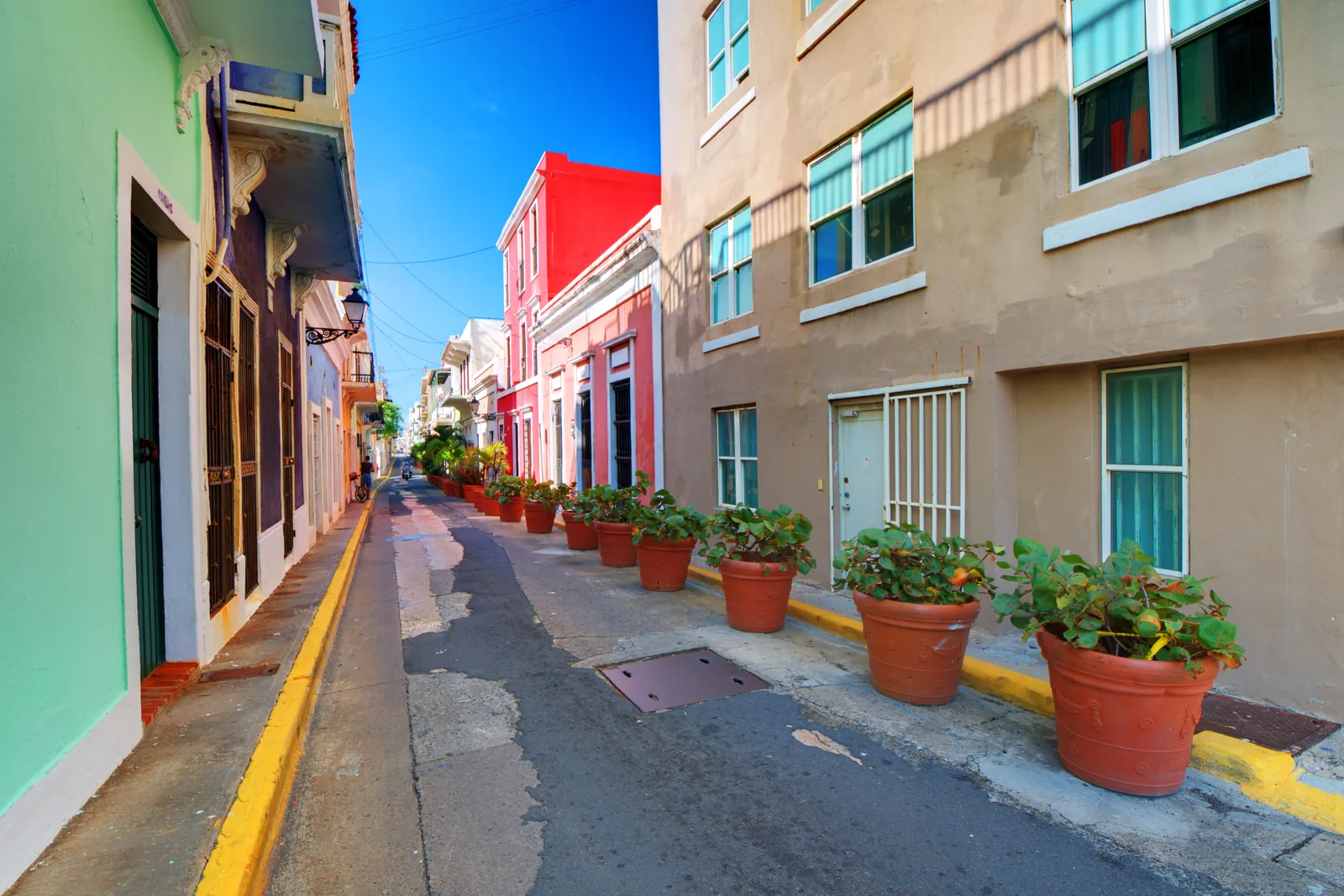
Short answer: the best time to visit Puerto Rico is December to April, the driest and breeziest season, with highs around 28–30 °C (83–86 °F), winter surf in Rincón and whales offshore. It is also peak season, with the highest prices at Christmas, New Year and Easter. Late April to June is a good-value alternative, while June to November is hotter, wetter and hurricane season, with the lowest prices from September to mid-November.
Puerto Rico is warm and good for swimming every month, so the choice is about rain, storms, crowds and what is on. This page goes through the weather, prices and festivals month by month and region by region, as of October 2026. For entry rules, ferries and costs, see our Puerto Rico travel guide, and plan your days with our AI trip planner.
Best time to visit Puerto Rico at a glance
| Goal | Best months | Why |
|---|---|---|
| Best weather | December–April | Driest months, trade winds, lower humidity |
| Lowest prices, fewest crowds | September–mid-November | Low season; peak hurricane months |
| Good value with good weather | Late April–June | After Easter, before the hurricane peak |
| Beaches and calm-water snorkeling | April–August | Calm seas on the north and west coasts |
| Surfing | November–March | Big winter swells in Rincón, Isabela and Aguadilla |
| Whale watching | Winter, roughly January–March | Humpbacks off Rincón |
| El Yunque hiking | February–March | The rainforest’s least rainy months |
| Festivals | December–February, June | Christmas season, San Sebastián Street Festival, Ponce carnival, Noche de San Juan |
Puerto Rico weather month by month
Weather month by month
The table shows average daily highs and lows and monthly rain for Puerto Rico, from NOAA’s 1991–2020 climate normals. At San Juan’s airport, highs only move from about 28 °C (83 °F) in January to 32 °C (89 °F) from June to September, and the sea is warm all year. Rain is the real season marker: about 55 mm (2.2 in) in March, the driest month, against 187 mm (7.4 in) in November, the wettest. Most rain comes in short, heavy showers, often in the afternoon. The mountains are cooler and much wetter, and the El Yunque foothills get about 2,550 mm (100 in) a year.
Puerto Rico month by month
January
Warm and breezy, with highs around 28 °C (83 °F) and lows near 22 °C (72 °F); showers are short. The Christmas season runs on to Three Kings Day on 6 January and the Octavitas after it. The San Sebastián Street Festival fills Old San Juan with music and parades from Thursday 21 to Sunday 24 January 2027, as announced by the city. It is peak surf season in Rincón, and the whale season begins.
February
One of the driest months, with about 66 mm (2.6 in) of rain on seven days in San Juan, and, with March, the least rainy time in El Yunque. Ponce’s carnival, with its horned vejigante masks, usually takes place in February. Hotels are at high-season prices, and Presidents’ Day weekend brings mainland visitors.
March
The driest month in San Juan, with about 55 mm (2.2 in) of rain on five days and highs around 29 °C (85 °F). US spring breaks keep hotels busy, and Easter falls early in 2027 (Easter Sunday is 28 March), so Holy Week brings both local and mainland crowds. Winter swells start to fade at the end of the month.
April
Still mostly dry and sunny, with highs around 30 °C (86 °F). After Easter, prices start to ease and the seas calm down, which makes it a good month for Vieques and Culebra and for snorkeling. Showers become more frequent late in the month.
May
The first of the wetter months, with about 141 mm (5.5 in) of rain in San Juan, but still plenty of sun and calm seas. Prices are lower than in winter, and it is before the hurricane season begins on 1 June. Sargassum seaweed can start to reach east- and south-facing beaches in spring.
June
Hot, around 32 °C (89 °F), with calm water, and hurricane season officially starts on 1 June, although early-season storms are uncommon. On 23–24 June, the Noche de San Juan, people walk backward into the sea at midnight for good luck. Summer is busy with families and local vacationers, and island ferries fill up at weekends.
July
Hot and humid, with about 153 mm (6 in) of rain on 11 days in San Juan, usually in short storms. Calm seas make it a good month for snorkeling at Rincón’s Tres Palmas Marine Reserve and diving. The Fourth of July holiday and school vacations keep beaches and ferries busy.
August
Among the hottest months, and the start of the hurricane peak: according to NOAA’s National Hurricane Center, most Atlantic activity falls between mid-August and mid-October. Sargassum is most likely on exposed beaches in summer. Prices drop late in the month as schools go back.
September
The heart of hurricane season and the quietest, cheapest month of the year, with about 165 mm (6.5 in) of rain in San Juan. Hurricanes Maria (2017) and Fiona (2022) both struck in September. El Yunque’s El Portal visitor center usually closes for maintenance for about two weeks in September.
October
Still warm, around 31 °C (89 °F), wet and within the peak storm window until mid-month. Hotels are good value, crowds are thin, and the first winter swells can arrive on the north and west coasts late in the month.
November
The rainiest month in San Juan, with about 187 mm (7.4 in) on 12 days, though storms become less likely as the month goes on and hurricane season ends on 30 November. Surf season starts in Rincón. Prices rise around Thanksgiving, when many mainland visitors arrive, and Puerto Rico’s Christmas season begins early.
December
Drier, breezier and pleasantly warm, around 29 °C (84 °F). The island’s long Christmas season is in full swing, with parrandas (carol gatherings), lights and family feasts. Peak season begins in mid-December; Christmas and New Year are the most expensive weeks of the year, so book early.
Best time to visit by region
San Juan
San Juan is good all year. December to April is the most comfortable for walking Old San Juan’s forts and streets; January has the San Sebastián Street Festival; and the hot, humid summer months are best for early mornings and the beach. Cruise ships make the old town busiest in winter.
El Yunque National Forest
It rains in El Yunque almost every day, but February and March are the least rainy months, with drier trails. Go early in the morning in any season, as clouds and showers build in the afternoon, and get out of rivers at once if the water rises or turns brown.
Vieques and Culebra
Vieques is drier than the main island, with about 1,290 mm (51 in) of rain a year, and driest from January to April. For Mosquito Bay’s bioluminescence, choose nights around the new moon, when the glow is brightest. Weekend and holiday ferries from Ceiba sell out, especially in summer.
Rincón and the west coast
Rincón has two seasons. November to March brings big swells for experienced surfers and humpback whales offshore, seen from the lighthouse park. April to September brings flat, clear water for snorkeling in the Tres Palmas Marine Reserve. It is driest from January to March.
Ponce and the south
The south coast is drier and calmer than the north. February is the month for Ponce’s carnival, and winter is the most comfortable time to explore the dry forest and the mangroves of La Parguera.
Best time for beaches, surfing, snorkeling and bioluminescent bays
Beaches
Any month for warm water. For calm seas, April to August; in winter, north-facing beaches can have big waves and rip currents, so swim at lifeguarded balnearios. North- and west-facing beaches are usually less affected by sargassum.
Surfing
November to March, with the biggest swells in December and January, at Domes, María’s and Tres Palmas. Beginners can take lessons all year in gentler spots.
Snorkeling and diving
April to September, when the seas are calmest and visibility is best, especially around Culebra, the Fajardo cays and Rincón.
Bioluminescent bays
All year, on the darkest nights around the new moon. Many tour operators don’t run around the full moon, and heavy rain can dim the glow for a few days.
Festivals
December to mid-January for the Christmas season, the third week of January for the San Sebastián Street Festival, February for Ponce’s carnival and 23–24 June for the Noche de San Juan. Every town also holds a patron saint festival.
Seasons to plan around
- Hurricane season, 1 June to 30 November: most activity is between mid-August and mid-October. If you travel then, buy travel insurance that covers weather, follow the National Hurricane Center and the National Weather Service in San Juan, and keep plans flexible. As of 4 October 2026, the 2026 season had produced eight tropical storms and no hurricanes.
- Rainy season: about May to November, with short, heavy afternoon showers; mountain rivers can rise in minutes.
- Sargassum: mats of seaweed reach east- and south-facing beaches mostly from spring to late summer; 2026 has been one of the largest years on record, with amounts falling from September.
- Winter swells: from about November to March, strong waves and rip currents on north- and west-facing beaches.
- Holidays: Christmas to Three Kings Day, the San Sebastián Street Festival, Easter week and summer weekends fill hotels and the Vieques and Culebra ferries.
How long to stay
Four days covers San Juan and El Yunque; a week adds three nights on Vieques; ten days lets you loop the island via Rincón, Cabo Rojo and Ponce. In the rainy season, plan mornings for outdoor trips and keep afternoons flexible. Our Puerto Rico travel guide has sample 4-, 7- and 10-day itineraries.
Best time to visit Puerto Rico: FAQ
What is the best month to visit Puerto Rico?
March or April: the driest weather, warm seas and, after Easter, easing prices. February is just as dry but at peak prices.
What is the cheapest time to go to Puerto Rico?
September to mid-November, the low season, has the lowest hotel rates and the fewest visitors, but it is also the peak of hurricane season. Late April to early June is a good compromise.
When is hurricane season in Puerto Rico?
From 1 June to 30 November, with the greatest risk from mid-August to mid-October, according to NOAA’s National Hurricane Center.
What is the rainiest month in Puerto Rico?
November in San Juan, with about 187 mm (7.4 in) of rain. The driest month is March, with about 55 mm (2.2 in).
Is December a good time to visit Puerto Rico?
Yes: the weather turns drier and breezier and the Christmas season is festive. Prices are highest from Christmas to New Year, so book early.
Can you swim in Puerto Rico in winter?
Yes, the sea is warm all year. Choose sheltered or lifeguarded beaches in winter, when north-coast swells bring rough water.
Sources · last reviewed 8 Oct 2026
Researched and last reviewed by TravelerCenter on 8 October 2026. Temperatures, rain and rainy days come from NOAA’s 1991–2020 climate normals for San Juan’s airport, El Yunque and Vieques stations; hurricane season and storm history from NOAA’s National Hurricane Center; sargassum from the University of South Florida’s Sargassum Watch; the San Sebastián Street Festival from Discover Puerto Rico and the Municipality of San Juan’s announcement as reported in the press; El Yunque information from the USDA Forest Service; Rincón and the bioluminescent bays from Discover Puerto Rico. Whale, surf and carnival seasons are general references. Check official sites before you travel.
Also: NOAA normals 1991–2020, San Juan Luis Muñoz Marín International Airport (climate)
Data: Wikidata (CC0)