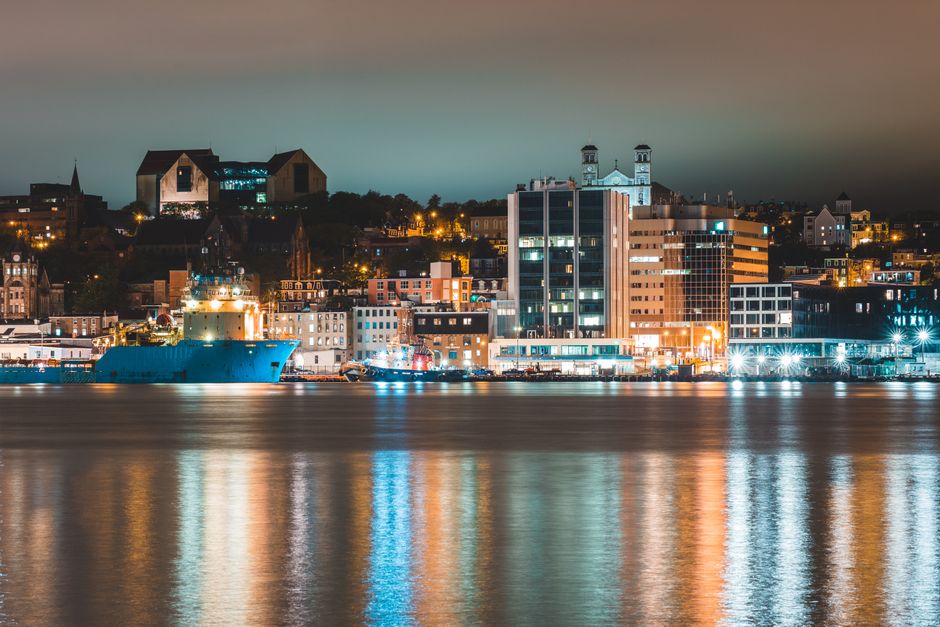
Douglas is the capital of the Isle of Man and its largest town, home to 26,677 people, almost a third of the island’s population, at the 2021 census. It curves around the wide sweep of Douglas Bay on the east coast, with a long Victorian promenade of hotels and terraces, horse-drawn trams clip-clopping along the seafront in summer, and the little Tower of Refuge on its rock in the bay. It is where the ferries dock, where most visitors stay, and where the island’s heritage railways begin: the steam railway heads south to Castletown and Port Erin, and the Manx Electric Railway climbs north to Laxey and Snaefell. In town, the free Manx Museum tells the island’s story from the Vikings to the TT, and Douglas Head offers the best views of the bay. Come between late March and October, when the railways and trams run, give Douglas a day or two on its own, and use it as a base for the rest of the island.
Right now in Douglas
- Wed8–12°C47–53°F4 mm rain
- Thu8–13°C47–55°F4 mm rain
- Fri11–14°C53–57°F9 mm rain
Top tours in Douglas
See all tours for Douglas →
From local operators, with prices and reviews; you check availability and book on Viator, our partner. We may earn a commission at no extra cost to you. How we earn money
Douglas at a glance
- Best for: a seaside promenade, Manx history in the free museum, heritage railways and trams, TT history, and an easy base for the whole island.
- How long: one day for the town, the promenade and the museum; most visitors stay three to seven nights and take day trips by rail and bus.
- Best time: late March to October; in 2026, the horse trams ran from 2 April and the railways from mid- to late March, all until 1 November. The TT fills the town from 31 May to 12 June 2027.
- Getting there: Steam Packet ferries from Heysham, Liverpool, Larne and Dublin dock at the Sea Terminal in the town center; buses run daily from Ronaldsway Airport.
- Getting around: on foot along the seafront, by horse tram in season, and by Bus Vannin all year.
- Before you go: the ETA, healthcare, money and ferries are in our Isle of Man travel guide.
Douglas’s areas and who each one suits
- The Promenade: the long seafront of Victorian hotels and guesthouses facing the bay, with the horse tram running past the door, the Villa Marina gardens and the Gaiety Theatre. Best for first-timers and for views.
- Town center (Strand Street and Duke Street): the main shopping streets, pubs, cafés and banks, a few minutes from the Sea Terminal. Handy for ferries and buses.
- The harbor and the quays: the marina and the old quays along the River Douglas, with restaurants and bars, near the steam railway station. Good for food and an evening stroll.
- Douglas Head: the headland south of the harbor, with the lighthouse, the Camera Obscura, walking paths and the best views back over the town.
- Onchan and the northern end: the quieter end of the bay by Derby Castle, where the horse trams and electric railway start, and the neighboring village of Onchan. Good for a calmer stay with easy access to the railway north.
Top things to see in Douglas
The Manx Museum
The island’s national museum, run by Manx National Heritage on Kingswood Grove, is the best introduction to the Isle of Man. Its galleries cover Viking silver and gold hoards, the island’s natural history, the Manx experience of war since 1750, the National Art Gallery, with works by Archibald Knox and others, and a TT gallery of legendary motorcycles and riders. Entry is free (a £10 donation is suggested), and in 2026 it opens daily from 9:30 to 16:30; it is quietest on weekday mornings outside school holidays. The National Library and Archives in the same building open Wednesday to Saturday, 10:00–16:30.
The Promenade and the horse trams
Douglas Bay Horse Tramway has carried visitors along the seafront since 1876. The horses, known as “trammers,” pull restored original tramcars, including a double-decker, between Derby Castle and the Villa Marina, a ride of about 1.5 miles with views across the bay. When they retire, the horses live out their days at the Home of Rest for Old Horses in Douglas. In 2026, the trams ran from 2 April to 1 November, and an adult single cost £2.50 (child £1.50), or £5 for a day ticket; Go Explore cards are valid.
The Tower of Refuge
The small castle-like tower on Conister Rock, also called St Mary’s Isle, in the middle of Douglas Bay was built at the urging of Sir William Hillary, founder of the RNLI lifeboat service, as a shelter for shipwrecked sailors on a reef that had wrecked many ships. It is a view rather than a visit: you can see it from anywhere on the promenade, all year.
Douglas Head and the Great Union Camera Obscura
Cross the harbor and walk up to Douglas Head for the classic view back over the town and bay. On the headland, the Great Union Camera Obscura, built in 1892 as a Victorian tourist attraction, uses mirrors and lenses to project 11 moving pictures of the surrounding 360-degree view onto a table in a darkened room, the only camera obscura in the world with 11 lenses, according to Visit Isle of Man. Admission is £3 for adults, and children under 12 go free; it opens only in suitable weather, so look for the flag flying.
The Manx Electric Railway at Derby Castle
At the northern end of the promenade, under a large “Electric Railway” sign in the cliff, Derby Castle station is the start of the Manx Electric Railway, built between 1893 and 1899 and still running its original Victorian and Edwardian trams, two of which are among the oldest regularly operated tramcars in the world. It runs 17 miles along the coast to Laxey and Ramsey, with more than 60 stops for glens and coastal walks. In 2026, adults paid £7 single (£13 return) to Laxey and £9 single (£17 return) to Ramsey.
Douglas Railway Station and the steam railway
At the top of the harbor, Douglas Railway Station, on Banks Circus, is the terminus of the Isle of Man Steam Railway, opened in 1873 and still running with its original locomotives and carriages on its 3 ft narrow gauge. The line runs about 15.5 miles south to Port Erin in about an hour, through Santon, Ballasalla, Castletown and Port St Mary. In 2026, adult fares were £7 single (£13 return) to Castletown and £9 single (£17 return) to Port Erin. In July and August, there are seven return trains a day, and a restored 1905 dining car serves Manx produce on special services.
The TT Grandstand and the Mountain Course
Douglas is the start and finish of the TT Mountain Course, a lap of public roads around the north of the island. The Grandstand and start line are on Glencrutchery Road, above the town. Outside race weeks the roads are open to normal traffic, and many visitors drive or ride a lap at legal, sensible speeds. During the TT, from 31 May to 12 June 2027, roads close for practice and racing at set times.
The bay, beaches and the sea
Douglas Bay’s sand and shingle beach runs below the promenade, best at lower tides; the sea is cool all year, so swimmers usually wear wetsuits. The promenade itself is a long, flat walk or ride, and at its southern end the harbor, the marina and Douglas Head make a good loop on foot. For a sandier beach, take the steam railway or bus south to Port Erin. See our beaches guide.
In summer, boat trips and wildlife cruises sail from Douglas and other harbors along the coast, looking for seals, dolphins and basking sharks. See our boat trips guide.
Food, shopping and nightlife
Douglas has the island’s widest choice of places to eat, from fish restaurants around the harbor and quays to cafés along the promenade and pubs in the old streets of the town center. Look for Manx queenies (small queen scallops), Peel kippers, Manx lamb, local cheese and ice cream, Manx craft beers, and the island’s favorite takeaway, chips, cheese and gravy.
Strand Street and Duke Street are the main shopping streets. In the evening, the Gaiety Theatre, a restored Victorian theater on the promenade, and the Villa Marina next door host shows, concerts and comedy, and the harbor and town center have pubs and bars.
Day trips from Douglas
The whole Isle of Man is within easy reach of Douglas by heritage railway and bus:
- Groudle Glen: a wooded glen just north of town, with the volunteer-run Groudle Glen Railway’s little steam trains running out to the clifftops (£5 adults, £2.50 children on standard services).
- Laxey and the Great Laxey Wheel: by Manx Electric Railway. The world’s largest working waterwheel opens daily from 27 March to 1 November 2026, 9:30–16:30; adults £14, children 16 and under free.
- Snaefell: change at Laxey for the Snaefell Mountain Railway to the summit of the island’s only mountain, 621 m (2,036 ft); about 30 minutes each way, £8.50 single or £16 return from Laxey in 2026.
- Castletown and Castle Rushen: by steam railway or bus. The medieval castle opens daily from 27 March to 1 November 2026; adults £14.
- Port Erin, Cregneash and the Sound: by steam train to Port Erin, then on to Cregneash village and the Sound to see seals and the Calf of Man.
- Peel: by bus to the west coast for Peel Castle (adults £11 in 2026), the House of Manannan and a kipper lunch, stopping at Tynwald Hill in St John’s.
- Ramsey: by Manx Electric Railway to the end of the line, along one of the most scenic coastal routes in the British Isles.
- Liverpool: about 2 hours 45 minutes by fast craft in season; see our Liverpool guide.
Getting there and getting around
Arriving by sea
All Isle of Man Steam Packet ferries use the Sea Terminal in Douglas, a short walk from the promenade and the town center. Crossings take about 3 hours 45 minutes from Heysham (daily, all year), 2 hours 45 minutes from Liverpool on the Manannan fast craft (April to November; about 4 hours 15 minutes on Manxman at winter weekends), 4 hours 30 minutes from Larne and 2 hours 55 minutes from Dublin (seasonal). The Welcome Centre in the Sea Terminal sells Go Explore cards and has timetables for buses and railways.
Arriving by air
Isle of Man Airport is at Ronaldsway, near Ballasalla in the south. Bus routes 1, 2, 2A, 12 and 12A run daily between the airport and Douglas, and the N1 at night; there are taxis and rental cars at the terminal. Multi-day Go Explore cards are sold at the airport information desk, on the left as you leave baggage reclaim. Our Isle of Man guide lists the airlines.
Getting around town
The town center, harbor and promenade are walkable, though Douglas Head and the upper town are uphill. The horse trams run along the seafront in season, and Bus Vannin buses serve the town and the whole island all year; pay by contactless or cash, or use a Go Explore card (£22 for one day, £44 for three, £50 for five and £61 for seven in 2026). If you drive, much of the town uses disc parking: display a parking disc showing your arrival time.
When to go and how long to stay
Douglas is busiest and most fun between late March and October, when the trams, the railways and the heritage sites are open. The Met Office’s 1991–2020 averages for Ronaldsway, about 12 km (7 miles) away near the airport, give average highs of 16.5–18.2 °C (62–65 °F) from June to August and 8.4–9.2 °C (47–48 °F) from December to February. May is the sunniest and driest month; October and November are the wettest. In winter, the railways and trams stop, but the Manx Museum and the town’s shops, pubs and restaurants stay open.
The TT, from 31 May to 12 June 2027, transforms Douglas: the promenade fills with motorcycles and the Grandstand with fans, and hotels and ferries are booked many months ahead, with higher prices. Tynwald Day, on 5 July, is a public holiday across the island.
Allow one day for Douglas itself and three to seven nights if you use it as a base for the island.
Where to stay in Douglas
- The Promenade: Victorian hotels and guesthouses facing the bay, on the horse tram route. Best for sea views and first-timers.
- Town center and the harbor: hotels and apartments close to the Sea Terminal, the steam railway and restaurants. Handy for foot passengers.
- The northern end and Onchan: quieter guesthouses near Derby Castle and the electric railway.
For the TT, book as soon as you can; many visitors also use campsites and homestays. Outside the TT, Douglas has plenty of choice, and Peel, Port Erin and Castletown are quieter alternatives.
What a trip to Douglas costs
Douglas is priced like a seaside town in the north of England, except during the TT, when rooms cost much more. The Manx Museum is free, and the promenade and Douglas Head cost nothing. A 5-day Go Explore Heritage card (£79 for adults in 2026) covers buses, railways, trams and all Manx National Heritage sites. Our estimates for one person per day, sharing a double room, as of October 2026, outside the TT:
| Style | Estimated cost per day | What that looks like |
|---|---|---|
| Budget | about £65–100 | A simple guesthouse, a Go Explore card, picnics and the free museum |
| Mid-range | about £140–230 | A promenade hotel, a Heritage card, railway day trips and restaurant dinners |
| High-end | about £300+ | A boutique hotel, the steam railway dining car, private tours and boat trips |
Practical tips for Douglas
- Check the season: the railways and horse trams stop on 1 November and restart in March and April.
- Bring your ETA or ID: since April 2026, non-visa nationals arriving directly from outside the Common Travel Area need an ETA; a UK ETA also covers the Isle of Man.
- Money: Manx notes are not accepted in the UK, so ask for UK notes in your change before you leave.
- Phone: the island has its own mobile networks and is outside EU roaming rules; check your plan.
- Emergencies: dial 999. Noble’s Hospital, just outside Douglas, is on +44 1624 650000, and the police non-emergency number is +44 1624 631212. Visitors from outside the UK pay for non-emergency care.
What to pack for Douglas
Pack layers and a waterproof jacket in every season, as the weather in the Irish Sea changes fast; comfortable shoes for the promenade, Douglas Head and castle steps; and a warm layer for the open-sided trams and the summit of Snaefell. Bring a UK-style (Type G) plug adapter if you are coming from Europe or North America, and your passport or photo ID.
Douglas travel FAQ
Is Douglas worth visiting?
Yes. It has the free Manx Museum, the horse trams and Victorian promenade, Douglas Head, and the start of both heritage railways, and it is the most convenient base for the whole Isle of Man.
How do you get from the Isle of Man Airport to Douglas?
Bus routes 1, 2, 2A, 12 and 12A run daily between Ronaldsway Airport and Douglas, with the N1 at night. Taxis and rental cars are available at the terminal.
Is the Manx Museum free?
Yes. Entry is free, with a suggested £10 donation. In 2026, it opens daily from 9:30 to 16:30.
When do the Douglas horse trams run?
In season only: in 2026, from 2 April to 1 November, between Derby Castle and the Villa Marina. An adult single cost £2.50 and a day ticket £5.
Can you visit the Tower of Refuge?
It is best seen from the promenade. The tower stands on Conister Rock, a partly submerged reef in Douglas Bay, and can be viewed all year.
How many days do you need in Douglas?
One day covers the town. Stay three to seven nights to use Douglas as a base for Laxey, Snaefell, Castletown, Port Erin and Peel.
Where should I stay in Douglas?
On the Promenade for sea views and the horse trams, near the harbor for the ferry and steam railway, or at the quieter northern end near Derby Castle.
Is Douglas busy during the TT?
Very. The TT runs from 31 May to 12 June 2027, the Grandstand is in Douglas, and hotels and ferries sell out months ahead. Book early, or visit at another time for a quieter stay.
Can you take a day trip from Douglas to Liverpool?
It is possible in season on the Manannan fast craft, about 2 hours 45 minutes each way, but it makes a long day; check the timetable for return sailings. An overnight stay is more relaxed.
Plan your trip
Partner links: TravelerCenter may earn a commission if you book, at no extra cost to you.
Sources · last reviewed 6 October 2026
Researched and last reviewed on 6 October 2026. The Douglas population comes from the 2021 Isle of Man Census; Manx Museum, Castle Rushen, Peel Castle and Great Laxey Wheel hours and prices from Manx National Heritage; railway and horse tram seasons and fares, Go Explore prices and bus routes from Isle of Man Bus and Rail; ferry crossings from the Isle of Man Steam Packet Company; the horse trams, Tower of Refuge, Camera Obscura, railways, Groudle Glen and parking from Visit Isle of Man; climate averages from the Met Office (Ronaldsway, 1991–2020); TT dates from the official Isle of Man TT Races site; ETA rules from the Isle of Man Government; and emergency numbers from the Isle of Man Constabulary and Visit Isle of Man. Descriptions of the Gaiety Theatre, the Grandstand and the town’s areas are general information; daily costs are our estimates. Prices, timetables and rules change, so check the official sites before you travel.
Data: Weather: MET Norway (CC BY 4.0) · Sea temperature: NOAA CoastWatch · Rates: ECB · Wikidata (CC0)