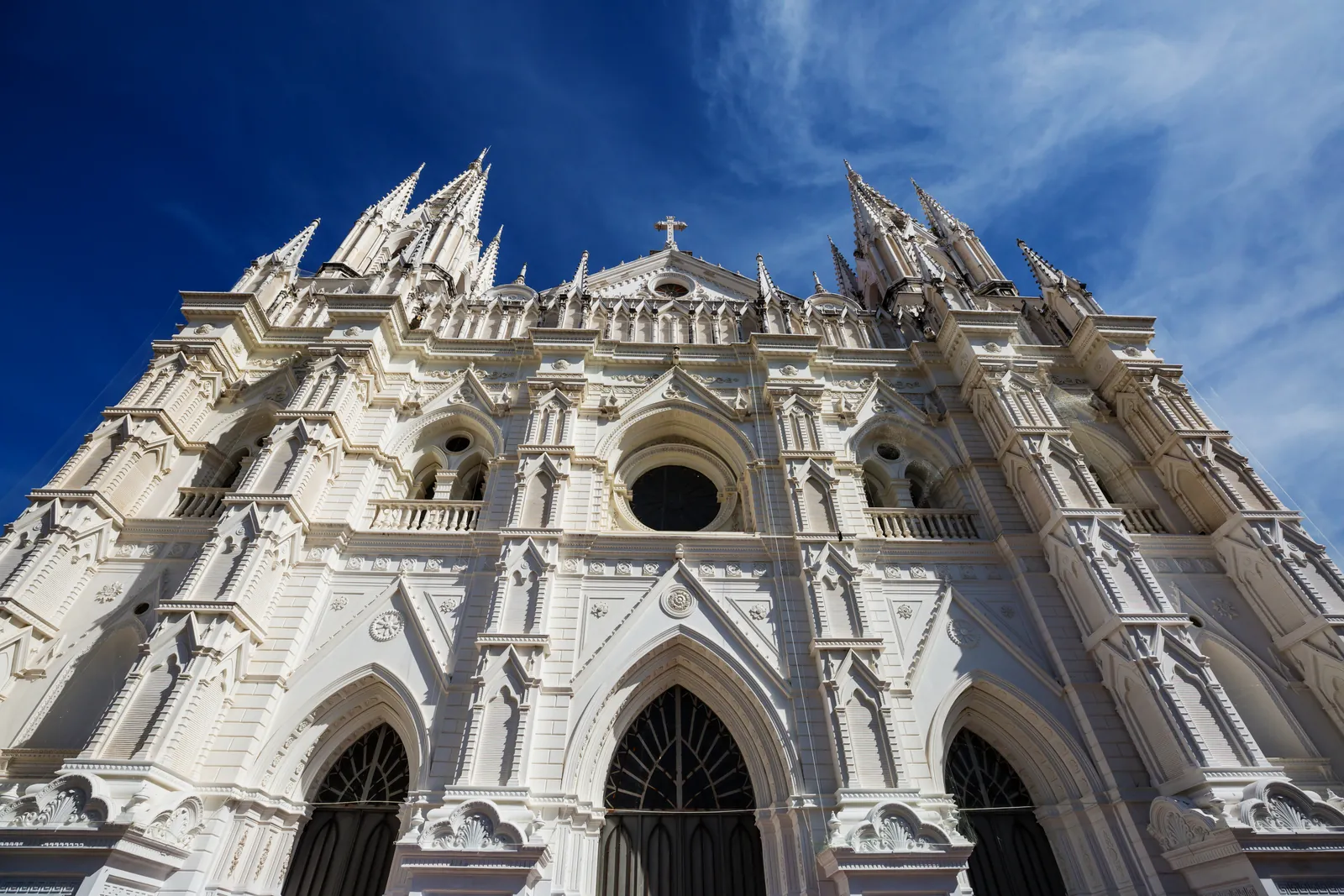
Short answer: November to April, the dry season, is the best time to visit El Salvador: days are sunny, the volcano summits are clear and the roads to the Ruta de las Flores are dry, with January and February the driest months of all. The trade-off is that the biggest, most consistent surf arrives from about March to October, in the hotter, wetter half of the year, and the busiest weeks are Christmas, New Year and Holy Week, when Salvadorans head to the beach.
This page explains El Salvador’s two seasons, what each month is like on the coast, in San Salvador and in the western highlands, and which weeks fill up first, as of October 2026. For entry rules, money and getting around, see our El Salvador travel guide, and plan your days with our AI trip planner.
Best time to visit El Salvador at a glance
| Goal | Best months | Why |
|---|---|---|
| Best weather | December to March | The heart of the dry season; San Salvador averages under 11 mm (0.4 in) of rain a month |
| Volcano hikes and views | November to February | Clear skies and cooler mornings for Santa Ana, El Boquerón and Lake Coatepeque |
| Surfing (experienced) | March to October | The main surf season on the Pacific coast, with the biggest swells in the rainy months |
| Learning to surf and beach days | November to April | Sunny, dry days at El Tunco and El Zonte, with smaller waves than mid-year |
| Ruta de las Flores | November to February | Dry roads, flowering hillsides and the coffee harvest in the western highlands |
| Fewest crowds and lower prices | May, June, September and October | The rainy season outside the holiday weeks; mornings are often bright |
| Festivals | Holy Week (March 21–28, 2027) and early August | Processions and sawdust carpets at Easter; San Salvador’s Fiestas Agostinas in August |
El Salvador weather month by month
Weather month by month
The climate table shows average daily highs and lows and rain for each month in San Salvador, from the 1991–2020 climate normals that El Salvador’s national weather service submitted to the World Meteorological Organization (WMO) for the Ilopango station, at 624 m (2,047 ft) on the edge of the capital. The pattern is simple: almost no rain from December to March, a fast build-up in April and May, heavy rain from June to October, with September the wettest month at about 332 mm (13.1 in), and a quick drying-out in November. San Salvador gets about 1,780 mm (70 in) of rain a year, nearly all of it between May and October. Temperature depends mostly on altitude: the coast is hot all year, the capital warm, and the highlands of the Ruta de las Flores and the volcano summits cool, especially at night.
El Salvador month by month
January
One of the two driest months, with about 2 mm (0.1 in) of rain in San Salvador, highs near 31 °C (88 °F) and the coolest nights of the year, about 17–18 °C (63–64 °F). The first days of the year are busy at the beaches after New Year; after that, it is an excellent month for climbing Santa Ana volcano and driving the Ruta de las Flores. New Year’s Day, January 1, is a public holiday.
February
The driest month on average, with about 1 mm of rain in the capital and clear, sunny days everywhere. Highs climb to about 32–33 °C (90–91 °F) in San Salvador and higher on the coast. It is high season but calmer than Christmas or Easter, which makes it one of the best all-round months for a first trip: city, volcanoes and coast in one week.
March
Hot and still dry, with about 11 mm (0.4 in) of rain in San Salvador and highs near 33 °C (92 °F); in the east, San Miguel averages almost 39 °C (102 °F), the hottest place in the country. The surf season starts to build. In 2027, Holy Week (Semana Santa) runs from March 21 to 28, with Holy Thursday to Holy Saturday (March 25–27) as public holidays: Salvadoran families fill the beaches, and towns such as Sonsonate and Izalco lay sawdust carpets for the processions. Book coast hotels well ahead for those days.
April
The hottest and most humid stretch before the rains, with the first storms usually late in the month; San Salvador averages about 42 mm (1.7 in). After Easter, crowds and prices drop. Good waves arrive on the Surf City breaks, and mornings are still clear for sightseeing in San Salvador.
May
The rainy season begins: San Salvador’s rain jumps to about 193 mm (7.6 in), mostly in afternoon and evening storms, and the brown hills turn green within weeks. It is low season, so hotels are quieter and cheaper. Labor Day (May 1) and Mother’s Day (May 10) are public holidays. The eastern Pacific hurricane season starts on May 15.
June
Wet afternoons, with about 265 mm (10.4 in) in the capital and rain on about 15 days, but many mornings start sunny. Experienced surfers come for consistent south swells at El Sunzal, El Zonte and Punta Roca. Father’s Day (June 17) is a public holiday. Plan volcano hikes for early morning, when the summits are most likely to be clear.
July
Steady rainy-season weather, with about 302 mm (11.9 in) in San Salvador. Some years bring a short drier spell in July or August, but it is not reliable. The coast is hot and humid, the countryside lush, and the surf strong. Crowds are low apart from North American summer travelers, many of them Salvadorans visiting family.
August
Rain on about 18 days and about 319 mm (12.5 in) in the capital, but August is festival month in San Salvador: the Fiestas Agostinas, honoring the Divine Savior of the World, fill the first week with fairs, parades and processions, culminating on August 6, and the main holidays fall around August 3 to 6. Offices close and many city families head to the beach.
September
The wettest month, with about 332 mm (13.1 in) of rain in San Salvador and highs of about 30 °C (86 °F). It is the quietest time for tourism. Independence Day on September 15 brings school parades across the country. This is also the peak of the hurricane season on both oceans, so watch the forecast and allow slack in your plans.
October
Still very wet, with about 245 mm (9.7 in) in the capital, though rain starts to ease late in the month. Prices are at their lowest and beaches are quiet; the surf season winds down. Storms from either ocean can bring days of heavy rain and landslides in the mountains, so keep travel days flexible.
November
The changeover month: rain drops to about 65 mm (2.6 in) in San Salvador and falls on only about four days, and by mid-month the dry season has usually settled in. The landscape is at its greenest and the air clearest. The Day of the Dead (November 2) is a public holiday when families visit cemeteries, and National Pupusa Day falls on the second Sunday (November 8, 2026; November 14, 2027).
December
Dry, sunny and pleasant, with about 6 mm (0.2 in) of rain in the capital and cool evenings in the highlands. From mid-month, the Christmas and New Year holidays make it one of the busiest and most expensive times at the beaches and in the mountain towns, so book early. Christmas Day (December 25) is a public holiday.
Best time to visit by region
San Salvador and the center
Warm all year thanks to its altitude, with highs of about 30–33 °C (86–92 °F) and nights of 17–21 °C (63–70 °F). Come from November to April for dry, clear days and the best views from El Boquerón; in the rainy season, plan sightseeing and day trips to Joya de Cerén for the morning and museums for the afternoon. Early August brings the Fiestas Agostinas. See our San Salvador guide.
Surf City and the La Libertad coast
Hot all year: the official coastal station at Acajutla, further west, averages highs of 32–34 °C (90–93 °F) and nights of 23–25 °C (73–77 °F). November to April is best for sunny beach days and beginner surf lessons at El Tunco and El Zonte; March to October brings the biggest, most consistent waves at El Sunzal and Punta Roca, with afternoon storms in the rainy months.
Santa Ana, Lake Coatepeque and the Ruta de las Flores
The western highlands have mild days and cool nights that can drop to 10–15 °C (50–59 °F). November to February is the best time for the Santa Ana volcano climb and lake views, with dry trails and clear summits. In the rainy season, mist often closes in by midday, so start hikes early. Juayúa’s food fair runs on weekends all year.
San Miguel and the east
The hottest part of the country: San Miguel averages highs of 36–39 °C (97–102 °F) from January to April, and La Unión on the Gulf of Fonseca 34–36 °C (93–97 °F). The dry season is still the best time for the beaches of El Cuco and Las Flores and for boat trips to the gulf islands; come early in the day and rest in the afternoon heat.
Best time for surfing, volcano hikes and beaches in El Salvador
Surfing
March to October is the main surf season, with the most consistent south swells from about May to September; this is when the right-hand point breaks of Surf City work best. Beginners do better from November to April, when waves are smaller and days are dry. Currents are strong on this coast in every month. More in our surfing guide.
Volcano hikes
November to February, when the skies are clearest and trails driest; the Santa Ana climb from Cerro Verde runs with official guides at set times. Access can be restricted for volcanic activity or high winds, so check before you go. In the rainy season, go first thing in the morning. See our hiking guide.
Beaches
December to April for sunshine on the black-sand beaches of La Libertad, the Costa del Sol and El Cuco; avoid Holy Week and the Christmas holidays if you want quiet sand. Swim where locals swim and lifeguards are present. More ideas in our beaches guide.
Festivals and food
Holy Week (March 21–28, 2027) for processions and sawdust carpets in the western towns, early August for the Fiestas Agostinas in San Salvador, and the second Sunday of November for National Pupusa Day. Juayúa’s weekend food fair is a year-round reason to drive the Ruta de las Flores.
Seasons to plan around
The rainy season, May to October: rain usually comes as heavy afternoon and evening storms, while mornings are often bright. Plan hikes and drives for the morning, carry a light rain jacket, and allow extra time on mountain roads, where landslides can cause delays.
Hurricane season: the eastern Pacific season runs from May 15 to November 30 and the Atlantic season from June 1 to November 30, according to NOAA’s National Hurricane Center. Hurricanes rarely make landfall in El Salvador, but tropical storms from either ocean can bring days of very heavy rain, flooding and landslides, especially from September to November. Follow forecasts from the Ministry of the Environment’s observatory (DGOA) and local authorities.
Holiday weeks: Christmas to New Year, Holy Week (March 21–28, 2027) and the August fiestas fill beach hotels and shuttles. Book early for these dates, and expect banks and offices to close on public holidays.
Volcano access: trails at Santa Ana, Izalco and San Miguel can close for volcanic activity or high winds in any season; check with Cerro Verde National Park and the DGOA’s daily volcano bulletin before you go.
How long to stay
El Salvador is small, so five days covers San Salvador and the coast, and seven to ten days adds Santa Ana volcano, Lake Coatepeque, the Ruta de las Flores and Suchitoto. In the rainy season, keep one spare morning for a hike that gets clouded out. Our El Salvador travel guide has sample 5-day, 7- to 10-day and two-week itineraries, including a combination with Guatemala.
Best time to visit El Salvador: FAQ
What is the best month to visit El Salvador?
February for most trips: it is the driest month, the volcanoes are usually clear, and it is quieter than Christmas or Holy Week. Surfers looking for bigger waves should go between May and September instead.
What is the rainiest month in El Salvador?
September, with about 332 mm (13.1 in) of rain in San Salvador on the WMO 1991–2020 normals, followed by August and July. Most rain falls in the afternoon and evening.
What is the cheapest time to go to El Salvador?
The rainy season, from May to October, outside the early-August fiestas. September and October are the quietest months, with the lowest hotel rates on the coast.
When is the best time to surf in El Salvador?
March to October is the main surf season, with the most consistent swells from about May to September. Beginners usually prefer the smaller waves and dry weather of November to April.
Is December a good time to visit El Salvador?
Yes for the weather: it is dry and sunny, with cool evenings in the highlands. The second half of the month is busy with holiday travel, so book beach hotels and shuttles early.
When is hurricane season in El Salvador?
The eastern Pacific season runs from May 15 to November 30 and the Atlantic season from June 1 to November 30. Direct hits are rare, but storms can bring heavy rain and landslides, mostly from September to November.
Sources · last reviewed 9 Oct 2026
Researched and last reviewed by TravelerCenter on 8 October 2026. Monthly temperatures, rain and rain days come from the WMO 1991–2020 climate normals for Ilopango (San Salvador), Acajutla, San Miguel and La Unión, archived by NOAA NCEI; the rainy season from the Canadian and UK governments; hurricane seasons from NOAA’s National Hurricane Center; volcano access from the Canadian and UK governments and the DGOA. Holy Week 2027 is calculated from the date of Easter; other holiday dates, the Fiestas Agostinas, National Pupusa Day, the surf season and crowd and price patterns come from our country guide and general sources and are flagged for checking. Check event dates and volcano access before you travel.
Also: MARN normals 1991–2020, Ilopango (climate)
Data: Wikidata (CC0)