Short answer: with 7 days, spend four nights in Panama City for Casco Viejo, the canal and the rainforest at Soberanía, with two nights on a San Blas island in between. With 10 days, swap San Blas for the classic loop: Panama City, a flight to David for the coffee town of Boquete, then overland to the Caribbean islands of Bocas del Toro and a flight back. With 14 days, do all of it: the city, San Blas, Boquete and Bocas. Panama is small and domestic flights are short, so you don’t need a car for any of these routes.
This guide turns the sample trips on our Panama travel guide into day-by-day plans, with travel times from Panama’s tourism authority (ATP) and the operators, and the best area to sleep each night. The routes fit the dry season, from mid-December to mid-May, best for the city, the Pacific and San Blas; Bocas del Toro has its own calendar and is often at its best in September and October. Our best time to visit Panama guide goes month by month, and our top 10 places to visit in Panama explains each stop. For a plan built around your dates and interests, use our AI trip planner. Everything here was checked as of October 2026.
The three routes at a glance
| Route | Days | Stops | Best for |
|---|---|---|---|
| Panama City, the canal and San Blas | 7 | Panama City (3 nights), San Blas Islands (2 nights), Panama City (1 night) | First trip, short breaks from North America, island time without long journeys |
| City, highlands and Caribbean | 10 | Panama City (3 nights), Boquete (3 nights), Bocas del Toro (3 nights) | A bit of everything: canal, coffee, cloud forest, reefs |
| Coast to coast | 14 | Panama City (3 nights), San Blas (2 nights), Boquete (3 nights), Bocas del Toro (4 nights), Panama City (1 night) | Two weeks off, island lovers, hikers and birders |
Almost everyone flies into Tocumen International (PTY), about 40 minutes east of downtown and the hub of Copa Airlines. Domestic flights to David (for Boquete) and Bocas del Toro leave from the city’s other airport, Albrook (Marcos A. Gelabert), which is closer to the center. Long-distance buses leave from the Gran Terminal de Albrook next door.
Travel times between the main stops
These are the legs used in the plans below. Times marked ATP come from Panama’s tourism authority; others are labelled approximate. Panama has no long-distance passenger trains for travelers to rely on, so the choice is between short flights, buses and private shuttles.
| Leg | How | Time | Source |
|---|---|---|---|
| Tocumen airport – downtown Panama City | Official taxi, or Metro Line 2 from the airport branch | about 40 min by road | ATP, Tocumen airport |
| Panama City (Albrook) – Bocas del Toro (Isla Colón) | Air Panama flight | about 45 min | ATP |
| Panama City – David | Air Panama flight (Albrook; some from Tocumen) | about 1 h (approximate) | Air Panama routes; time from schedules |
| Panama City (Albrook) – David | Bus | about 6 h | ATP |
| David – Boquete | Car, taxi or local bus | about 50 min by car | ATP |
| Boquete – Almirante | Shuttle or car | about 3 h 30 | ATP |
| Almirante – Bocas Town | Water taxi | about 35 min | ATP |
| Panama City – Cartí (San Blas) | Licensed 4×4, then a small boat to your island | about 2 h 30 by road | ATP, Guna General Congress |
| Panama City – Soberanía National Park | Car, tour or bus toward Chilibre | about 30 min | ATP |
| Panama City – Portobelo | Car via the Panama–Colón highway | about 1 h 30 (2 h 30–3 h by bus via Colón) | ATP |
| Panama City – El Valle de Antón | Car or bus from Albrook (every 30 min) | about 2 h 45 | ATP |
| Panama City – Contadora (Pearl Islands) | Ferry, daily | about 2 h | ATP |
| Panama City – Santa Catalina (for Coiba) | Car | about 6 h | ATP |
Small planes have tight luggage limits, so check your fare before you pack. San Blas transport works differently from anywhere else in Panama: only 4×4 vehicles approved by the Guna authorities may drive the road to the coast, and they pick you up from Panama City hotels before dawn. Buses don’t go there.
7 days: Panama City, the canal and the San Blas Islands
The easiest first trip: one city base, a rainforest day and two nights on a palm-covered island run by the Guna people. Best from January to April, when San Blas is at its driest.
- Day 1, Panama City: Land at Tocumen and take an official taxi (fixed fares by destination) or the metro into town. Walk the Cinta Costera bayfront at sunset. Sleep: Casco Viejo or Bella Vista.
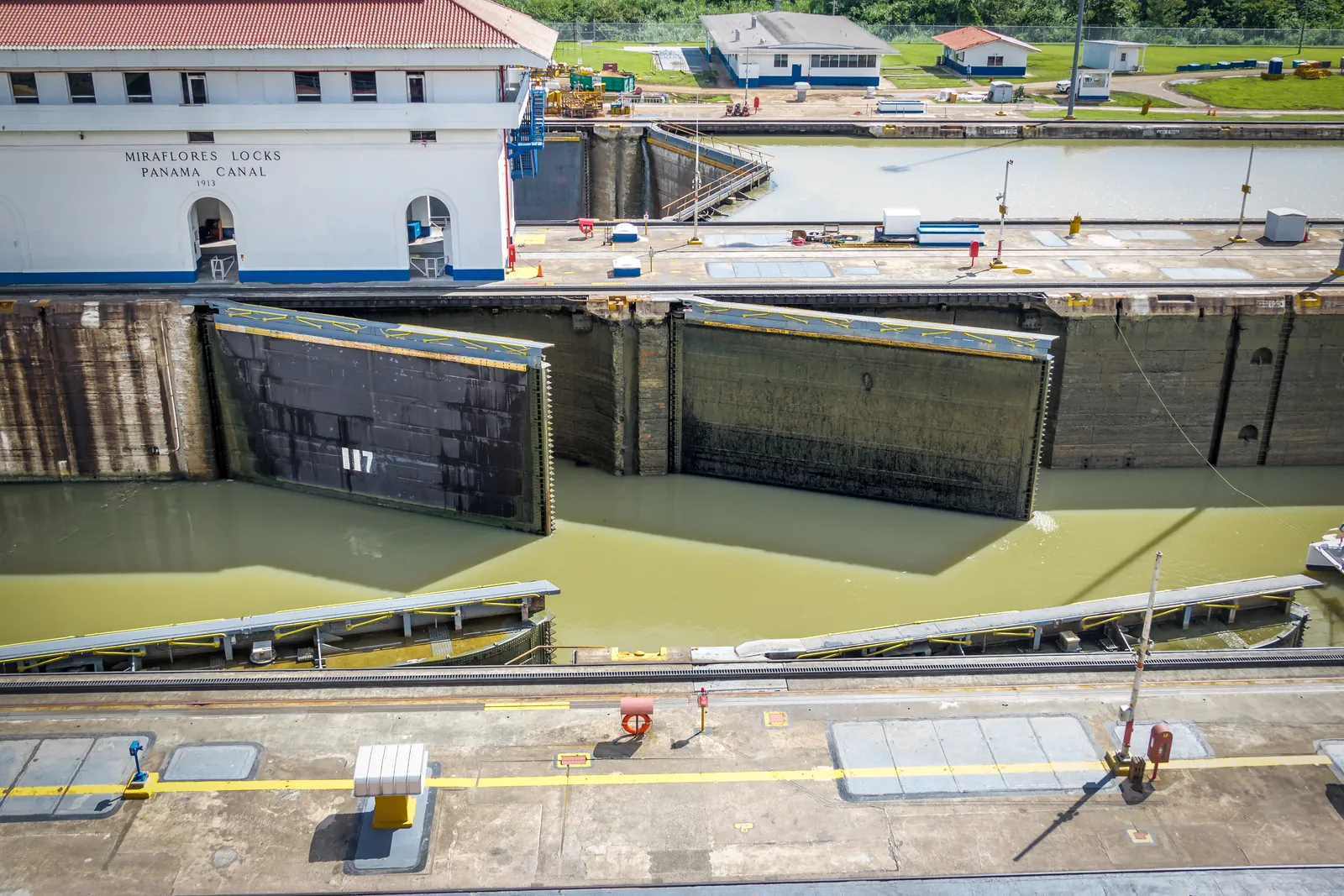
- Day 2, the canal and Casco Viejo: Check the Panama Canal Authority’s daily ship times, then head to the Miraflores Visitor Center (open daily 8 a.m. to 6 p.m.) to watch ships rise in the locks. Afternoon in Casco Viejo’s plazas, the Interoceanic Canal Museum and a rooftop at dusk. Sleep: same.
- Day 3, Soberanía and Gamboa: An early start for birdwatching on the Pipeline Road or the canopy tower at the Rainforest Discovery Center, about 30 minutes from the city. Back for the Amador Causeway and the Biomuseo. Sleep: same.
- Day 4, to San Blas: Dawn pickup by a licensed 4×4, about 2 h 30 to the port near Cartí, then a boat to your island. Afternoon swimming and snorkeling. Sleep: a Guna-run island cabin (2 nights).
- Day 5, island hopping: Boat trips to sandbars and tiny islets, a visit to a Guna community where molas are sewn (ask before taking photos of people). Sleep: same.
- Day 6, back to the city: Morning boat and 4×4 back to Panama City, arriving early afternoon. Visit Panamá Viejo, the ruins of the first city (closed Mondays), then dinner near the Mercado de Mariscos. Sleep: Casco Viejo or Bella Vista.
- Day 7, home: A last coffee in Casco Viejo and off to Tocumen; allow about 40 minutes, more at rush hour.
Swap it: in the rainy months, or if you prefer reefs and a livelier island town, replace San Blas with three nights in Bocas del Toro, a 45-minute flight from Albrook. History lovers can swap day 3 for Portobelo’s Spanish forts on the Caribbean coast, about 1 h 30 by car. More detail is in our Panama City and San Blas Islands guides.
10 days: Panama City, Boquete and Bocas del Toro
The route our Panama guide recommends for a first longer trip: the capital, the cool coffee highlands below Volcán Barú, then the Caribbean. Fly to David, cross the mountains overland and fly back from Bocas, so you never retrace your steps.
- Day 1, Panama City: Arrive, settle in, sunset on the Cinta Costera. Sleep: Casco Viejo or Bella Vista (3 nights).
- Day 2, the canal and Casco Viejo: Miraflores Locks in the ship-viewing window, then Casco Viejo and the canal museum.
- Day 3, rainforest or ruins: Soberanía and Gamboa in the morning, Panamá Viejo or the Biomuseo in the afternoon.
- Day 4, to Boquete: Morning flight from Albrook to David (about an hour), then about 50 minutes by road up to Boquete. Stroll the town and the Caldera River. Sleep: Bajo Boquete (3 nights).
- Day 5, coffee and waterfalls: A tour of a specialty coffee farm in Los Naranjos or Jaramillo (home of the prized Geisha variety), and the Tres Cascadas (Three Waterfalls) trail in the afternoon.
- Day 6, cloud forest: Walk the Quetzal Trail in Volcán Barú National Park with a guide, or go whitewater rafting. Very fit hikers can instead start a guided night climb of Barú (3,474 m) to watch sunrise over both oceans.
- Day 7, to Bocas del Toro: Shuttle over the mountains to Almirante (about 3 h 30), then a water taxi to Bocas Town (about 35 minutes). Sleep: Bocas Town on Isla Colón, or a quieter place on Carenero or Bastimentos (3 nights).
- Day 8, the marine park: A boat day to Isla Bastimentos National Marine Park and the Zapatilla cays, with snorkeling on the way.
- Day 9, Isla Colón: Bike or bus to Boca del Drago and walk to Starfish Beach (look, but don’t touch or lift the starfish), or surf, kayak and relax.
- Day 10, home: Fly Bocas to Albrook (about 45 minutes) and transfer to Tocumen. Take an early flight and leave several hours before your international departure.
Swap it: on a budget, take the bus from Albrook to David (about six hours) instead of flying, and a minibus on to Boquete. Coffee lovers should come in the harvest, December to March; birders hoping for a resplendent quetzal, from late February to April. Details: Boquete and Bocas del Toro.
14 days: coast to coast, with San Blas, Boquete and Bocas
Two weeks lets you see both Caribbean island groups, which are very different: San Blas is simple, quiet and Guna-run, Bocas has a lively town, reefs and surf. Aim for the dry months, January to April, when San Blas, the city and the highlands are at their best.
- Days 1–3, Panama City: The canal, Casco Viejo, Panamá Viejo and a morning in Soberanía. Sleep: Casco Viejo or Bella Vista (3 nights).
- Days 4–5, San Blas: Dawn 4×4 to the coast and a boat to your island; swimming, sandbars and a community visit. Sleep: a Guna-run island cabin (2 nights).
- Day 6, back and on to Boquete: Return to Panama City by midday and take an afternoon flight from Albrook to David, then the road up to Boquete. It is a long day; if the flights don’t line up, sleep in the city and go the next morning. Sleep: Bajo Boquete (3 nights).
- Days 7–8, Boquete: A coffee farm tour, the Quetzal Trail or the Pipeline Trail for birds, waterfalls, rafting on the Chiriquí Viejo or a soak at the Caldera hot springs.
- Day 9, to Bocas del Toro: Shuttle to Almirante and water taxi to Bocas Town. Sleep: Bocas Town, Carenero or Bastimentos (4 nights).
- Days 10–12, Bocas: The marine park and Zapatilla cays, Starfish Beach, Red Frog Beach and Old Bank on Bastimentos, a dolphin and snorkeling boat tour, and a night of Caribbean food in town. From May to October, ask about turtle-watching trips.
- Day 13, back to the city: Fly Bocas to Albrook (about 45 minutes). Afternoon for the Biomuseo, the Causeway or shopping for molas. Sleep: Casco Viejo or Bella Vista (1 night).
- Day 14, home: From Tocumen.
Swap it, the Pacific version: skip San Blas and add the Pacific side instead: two nights in El Valle de Antón, a village inside an old volcanic crater about 2 h 45 from the capital with crater-rim hikes and waterfalls, or a night or two on Contadora in the Pearl Islands, about two hours by ferry. Divers can give three nights to Santa Catalina for boat trips into Coiba National Park, a UNESCO site with manta rays and whale sharks; it is about six hours by road, so it suits a car. From about July to October humpback whales visit the Pearl Islands and the Gulf of Chiriquí. Travelers heading on to Costa Rica can cross overland from Bocas del Toro at Guabito–Sixaola instead of flying back to the capital.
Where to sleep, by stop
| Stop | Best area for a short stay | Why |
|---|---|---|
| Panama City | Casco Viejo; or Bella Vista and El Cangrejo | Casco Viejo for history, rooftops and evening strolls; the modern districts for more hotel choice, the metro and quicker airport runs |
| Gamboa (optional) | Lodges on the canal’s banks | Wake up next to Soberanía’s birding trails |
| San Blas | A Guna-run island near the western coast | Simple cabins, sold as packages with the 4×4, boats and meals; electricity and Wi-Fi are limited |
| Boquete | Bajo Boquete, the town center | Restaurants, tour operators and minibuses; farm stays sit higher up the valley |
| Bocas del Toro | Bocas Town (Isla Colón); or Carenero and Bastimentos | Bocas Town for boats, food and nightlife; the other islands for quiet, a short water taxi away |
| El Valle de Antón | The village center | Walk to the market and the start of the trails |
Lodging in Panama carries a 10% ITBMS tax, according to the tax authority, and hotel quotes often leave it out, so check the total. On the islands and in San Blas, bring US dollars in small notes; cards and ATMs are scarce away from the cities.
Alternatives by interest
Beach lovers
Keep the city to two nights and split the rest between San Blas (three nights) and Bocas del Toro (four or five nights). If you come between September and October, put Bocas first: those are often its driest weeks, while the rest of Panama is at its wettest. From the capital, Contadora’s beaches in the Pearl Islands make an easy add-on in the dry season, and Isla Grande near Portobelo is a Caribbean beach within a few hours of the city.
Hikers and birders
Panama is one of the great birding countries: on the Pipeline Road in Soberanía, a record 357 species were counted in 24 hours, according to the ATP. Give Gamboa two nights, then four in Boquete for the Quetzal Trail, the Pipeline Trail and a guided climb of Volcán Barú, and add El Valle’s crater-rim walks. Highland trails are poorly marked and mobile coverage is patchy, so hike with a local guide. Migrant birds pass through from September to November.
Divers and snorkelers
Bocas del Toro and Portobelo have Caribbean reefs; Coiba National Park, reached from Santa Catalina, has the big Pacific animals. San Blas is for snorkeling only: the Guna authorities ban scuba tanks in Guna Yala. A diver’s two weeks might be Panama City (2 nights), Santa Catalina (4), Boquete (2) and Bocas (5).
Families
Fly rather than bus, and keep to two or three bases. Children enjoy the Miraflores Locks (the visitor center has a play area and a film), the monkeys of Gatún Lake on a boat tour from Gamboa, and Bocas del Toro’s calm beaches. San Blas is wonderful for older children who are happy without electricity and Wi-Fi.
Combining Panama and Costa Rica
The two countries pair naturally. Cross between Bocas del Toro and Costa Rica’s Caribbean coast at Guabito–Sixaola, or between Chiriquí and Costa Rica’s southern Pacific at Paso Canoas. SANSA also flies between San José and Bocas del Toro. Carry proof of onward travel at land borders, as Panama’s officers check it.
Tips for planning your route
- Match the route to the season. Mid-December to mid-May is dry in the city, on the Pacific and in San Blas; book Christmas, Carnival and Easter early. In the rainy months, mornings are usually clear, and Bocas del Toro is often at its best in September and October.
- Check canal ship times. Ships don’t pass Miraflores all day; the Panama Canal Authority publishes each day’s viewing windows on its visitor website.
- Book San Blas as a package. Island stays are usually sold with the 4×4, boats and meals, and the Guna authorities collect an entry fee on the road. Pack light: you’ll step from a small boat onto the sand.
- Fly once, overland once. Flying into David and out of Bocas (or the reverse) saves a full day of buses.
- Don’t drive in Panama City. Traffic is heavy and the urban highways need an electronic Panapass tag. If you want a car for El Valle, the Pacific beaches or the Azuero Peninsula, pick it up on your way out of town and avoid driving after dark.
- Watch the holidays. November’s patriotic holidays (3, 4, 10 and 28 November) and Carnival fill buses and beach hotels; plan city days around the parades.
- Pack for two climates. Bring a fleece for Boquete’s cool evenings and a dry bag for boat days; the full list is in our Panama guide.
Panama itinerary FAQ
Is 7 days enough for Panama?
Yes for Panama City, the canal and either San Blas or Bocas del Toro. To add the Boquete highlands as well, plan 10 days; to see both island groups, two weeks.
How many days do I need in Panama City?
Three is ideal: one for the canal and Casco Viejo, one for Panamá Viejo, the Causeway and the Biomuseo, and one for the rainforest at Soberanía or Gamboa. Two is the minimum.
How do I get from Panama City to Bocas del Toro?
Fly from Albrook airport to Isla Colón in about 45 minutes, or go overland: a bus of about six hours to David, then on to Almirante and a water taxi of about 35 minutes. From Boquete, shuttles reach Almirante in about 3 h 30.
San Blas or Bocas del Toro?
San Blas for empty islands, simple Guna-run cabins and a living Indigenous culture, best from January to April. Bocas for a lively town, reefs, surf, more comfort and more to do, often at its best in September and October. With two weeks, do both.
Do I need a car in Panama?
Not for these routes. Flights, buses, shuttles, water taxis and the licensed San Blas 4x4s cover them. A car helps for the Pacific beaches, El Valle, Santa Catalina and the Azuero Peninsula.
Can I visit San Blas as a day trip?
Day trips are sold, but with about 2 h 30 on the road each way plus boat rides, you get only a few hours on the islands. One or two nights is much better.
What is the best month for a Panama trip?
January to March for the surest dry weather across the city, the Pacific, San Blas and the highlands. If Bocas del Toro is your main goal, September and October are often its best months.
Can I combine Panama with Costa Rica?
Yes. The usual crossings are Guabito–Sixaola near Bocas del Toro and Paso Canoas near David, and SANSA flies between San José and Bocas. Bring proof of onward travel for the border.
Sources
Researched and last reviewed by TravelerCenter on 8 October 2026. Travel times come from Panama’s tourism authority (ATP) pages for Panama City, Bocas del Toro, Boquete, San Blas, Soberanía, Portobelo, El Valle de Antón, the Pearl Islands and Santa Catalina; domestic routes from Air Panama and SANSA; airport transfers from Tocumen airport; San Blas transport rules and the scuba ban from the Guna General Congress; canal visitor hours and ship times from the Panama Canal Authority; seasons from the Institute of Meteorology and Hydrology (IMHPA); and the lodging tax from the tax authority (DGI). The Panama City–David flight time is approximate, from flight schedules. Timetables, fares and rules change, so check with the operator before you travel.
Data: Wikidata (CC0)