Short answer: with 7 days, spend three nights in San Juan with a day in El Yunque, then take the ferry to Vieques for three nights of empty beaches and a night kayak on Mosquito Bay. With 10 days, drive around the main island instead: San Juan, El Yunque, the surf and sunsets of Rincón, La Parguera and Ponce. With 14 days, do the island loop and finish with Vieques and Culebra. Rent a car for everything outside San Juan.
This guide turns the sample trips on our Puerto Rico travel guide into day-by-day plans, with travel times between the stops and the best area to sleep in each night. To choose your dates, read our best time to visit Puerto Rico guide; for the highlights in a few minutes, see our top places to visit in Puerto Rico. For a plan built around your dates and interests, use our AI trip planner. Everything here was checked as of October 2026.
The three routes at a glance
| Route | Days | Stops (nights) | Best for |
|---|---|---|---|
| San Juan and Vieques | 7 | San Juan (3), Vieques (3) | First trip, history and beaches, the brightest bio bay |
| Around the island | 10 | San Juan (3), Rincón (3), La Parguera (1), Ponce (1), San Juan (1) | Road trippers, surfers, sunsets, food |
| Island loop plus Vieques and Culebra | 14 | San Juan (3), Rincón (3), La Parguera (1), Ponce (1), Vieques (3), Culebra (2) | A full picture of Puerto Rico, slow beach days |
Almost all flights land at San Juan’s Luis Muñoz Marín airport (SJU), next to Isla Verde. US citizens need no passport, as Puerto Rico is a US territory; international visitors follow the same entry rules as for the mainland. Surfers heading straight to the west can also fly into Aguadilla (BQN), about half an hour from Rincón.
Travel times between the main stops
These are the legs used in the plans below. Ferry times come from Puerto Rico Ferry, the operator; the rest are approximate. Puerto Rico has no intercity trains or useful long-distance buses for visitors, so you will drive. Road signs show distances in kilometers, but speed limits are in miles per hour.
| Leg | How | Time | Source |
|---|---|---|---|
| SJU airport – Old San Juan | Taxi or car | about 20–30 min (approximate) | Approximate |
| San Juan – El Yunque (PR-191) | Car | about 45–60 min (approximate) | Approximate |
| San Juan – Laguna Grande, Fajardo (bio bay) | Car | about 1 h 15 | Discover Puerto Rico |
| San Juan – Ceiba ferry terminal | Car | about 1 h (approximate) | Approximate |
| Ceiba – Vieques | Puerto Rico Ferry | about 1 h | Puerto Rico Ferry |
| Ceiba – Culebra | Puerto Rico Ferry | about 1 h 30 | Puerto Rico Ferry |
| Vieques – Culebra | Puerto Rico Ferry | about 30 min | Puerto Rico Ferry |
| San Juan (Isla Grande) – Vieques | Small plane | about 25 min | Discover Puerto Rico |
| SJU airport – Rincón | Car | about 2 h 30 | Discover Puerto Rico |
| Aguadilla airport (BQN) – Rincón | Car | about 30 min (approximate) | Approximate |
| Rincón – La Parguera | Car, via Cabo Rojo | about 1 h 15 (approximate) | Approximate |
| La Parguera – Ponce | Car | about 1 h (approximate) | Approximate |
| Ponce – San Juan | Car, PR-52 toll road | about 1 h 30 (approximate) | Approximate |
| Ponce – Ceiba | Car | about 2 h (approximate) | Approximate |
The ferry carries cars only for residents of Vieques and Culebra, so visitors leave the rental car in Ceiba (or return it) and rent a Jeep, golf cart or scooter on the island. Arrive at the terminal an hour before sailing; check-in closes 10 minutes before departure. Visitors can buy advance tickets only on the website and app, and same-day tickets at the window. The adult fare is $2.00 to Vieques and $2.25 to Culebra, and all sales are final.
7 days: San Juan, El Yunque and Vieques
The classic first trip: Spanish forts and blue cobblestones, a rainforest morning, then three nights on a quiet island. You only need a car for days 3 and 4.
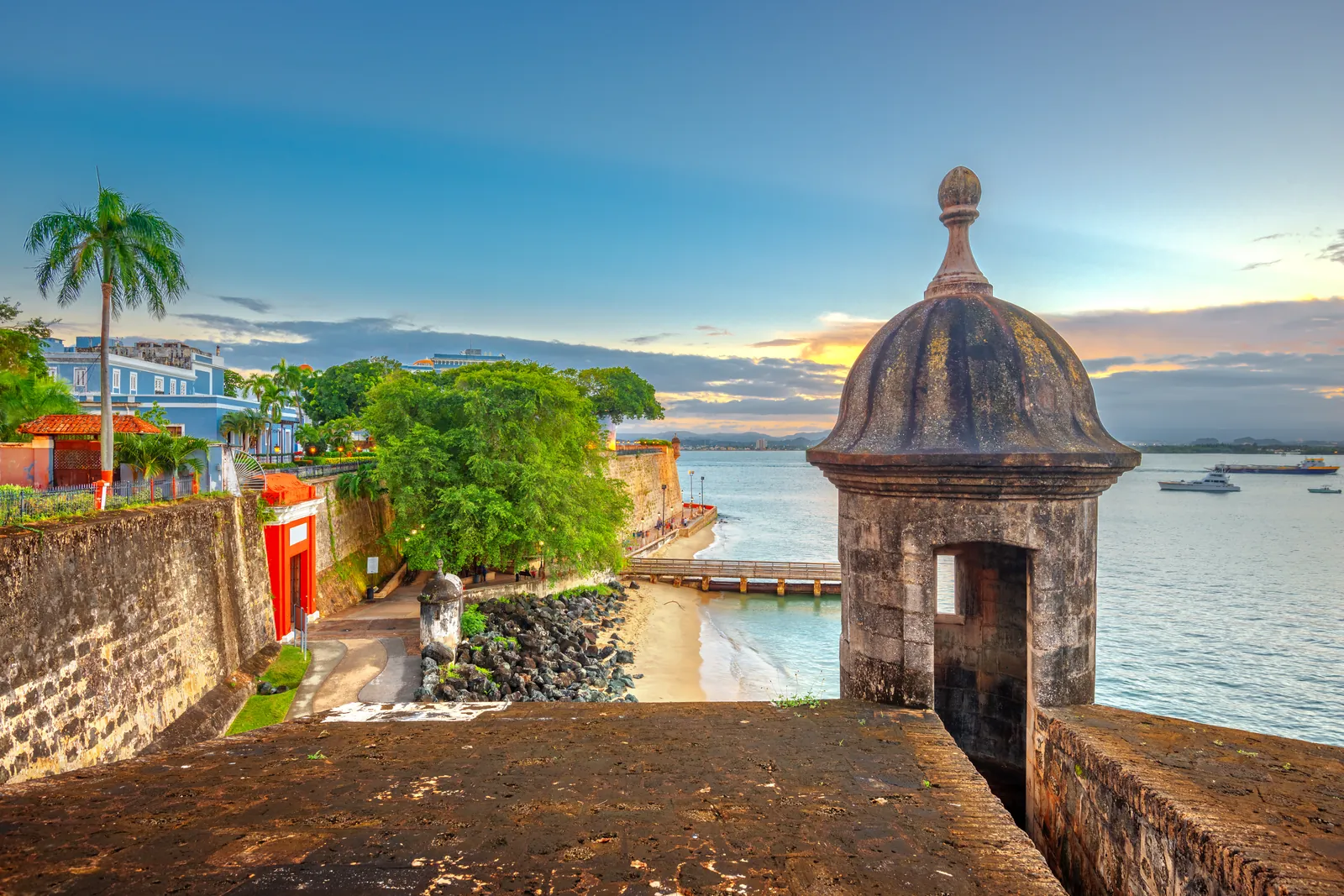
- Day 1, Old San Juan: Taxi from the airport. Walk the Paseo de la Princesa, the Puerta de San Juan and Calle del Cristo, then dinner in the old town. Sleep: Old San Juan or Condado.
- Day 2, the forts and Santurce: El Morro and San Cristóbal, the two forts of San Juan National Historic Site (one $10 pass covers both for 24 hours; open 9:00 to 17:00; cards only). Afternoon on Condado or Ocean Park beach, evening at the Santurce market square. Sleep: same.
- Day 3, El Yunque and Luquillo: Pick up a car and drive to El Yunque early: the PR-191 corridor is free, needs no reservation and opens from 8:00 to 17:00, but parking fills. The La Mina, Big Tree and Baño de Oro trails are closed as of October 2026, so walk the open trails and climb a lookout tower. Lunch at the Luquillo kiosks and a swim at Luquillo Beach. Sleep: San Juan, or Luquillo or Fajardo to be closer to the ferry.
- Day 4, to Vieques: Drive to Ceiba, leave the car and take the ferry (about an hour; book online in advance). Pick up your island rental, then the beaches of Sun Bay and the Esperanza Malecón. Sleep: Esperanza or Isabel Segunda (3 nights).
- Day 5, the wildlife refuge: The beaches of the national wildlife refuge on former US Navy land, such as Caracas, Pata Prieta and La Chiva, with wild horses on the roads. After dark, a guided kayak tour of Mosquito Bay, recognized by Guinness World Records in 2006 as the brightest bioluminescent bay in the world. Pick a night near the new moon; many operators don’t run around the full moon.
- Day 6, slow island day: Snorkeling, the Fortín Conde de Mirasol in Isabel Segunda, Playa Negra, or a day trip by ferry to Culebra’s Flamenco Beach (about 30 minutes; check the timetable first).
- Day 7, home: Morning ferry to Ceiba and the drive to SJU, or a short flight from Vieques to San Juan, which is easier if your flight home is the same day.
Swap it: no island? Stay in San Juan and add an evening kayak tour on the Laguna Grande bio bay in Fajardo (about 1 h 15 from San Juan), a rum distillery tour across the bay in Cataño, and two nights in Rincón. More on each stop: San Juan and Vieques.
10 days: around the island
A road trip around the main island: the capital, the rainforest, the surf towns of the west, the calm south coast and Ponce, then back through the mountains. Pick up the car after your San Juan days.
- Days 1–2, San Juan: Old San Juan, the forts and Santurce, as in the 7-day plan. Sleep: Old San Juan or Condado (3 nights).
- Day 3, El Yunque and the bio bay: El Yunque in the morning, Luquillo Beach and the kiosks for lunch, and an evening kayak tour on Fajardo’s Laguna Grande before driving back.
- Day 4, the north coast to Rincón: West on the PR-22 (about 2 h 30 without stops), with a detour to the Arecibo coast or a beach at Isabela, and a sunset at the Punta Higüero lighthouse. Sleep: Rincón (3 nights).
- Day 5, surf and snorkel: A surf lesson at Sandy or María’s in the morning. In summer, snorkel the Tres Palmas Marine Reserve at Steps Beach; in winter, watch the big waves at Domes and Tres Palmas instead, as snorkeling is not recommended.
- Day 6, Aguadilla and Isabela: Crash Boat Beach and the cliffs and beaches north of Rincón, or a lazy day. In winter, look for humpback whales from the lighthouse park.
- Day 7, Cabo Rojo and La Parguera: The Cabo Rojo lighthouse on its cliffs, Playa Sucia and the pink salt flats, then La Parguera for a night boat on its bioluminescent bay. Sleep: La Parguera (1 night).
- Day 8, Ponce: East along the south coast, past the Guánica dry forest, to Ponce: the red-and-black firehouse, the cathedral square and the Museo de Arte de Ponce. Sleep: Ponce historic center (1 night).
- Day 9, the mountains to San Juan: A slow drive north on part of the Ruta Panorámica through coffee country, with roast pork at the lechoneras of Guavate in Cayey. Sleep: Isla Verde or Condado, near the airport (1 night).
- Day 10, home: A last swim and the short ride to SJU.
Swap it: surfers in winter can fly into Aguadilla and spend five nights in Rincón, finishing with two in San Juan. Details: Rincón.
14 days: the island loop plus Vieques and Culebra
Two weeks lets you drive the main island and then slow right down on the two small islands off the east coast, finishing by ferry or plane back to San Juan.
- Days 1–3, San Juan and El Yunque: as in the 10-day plan. Sleep: Old San Juan or Condado (3 nights).
- Days 4–6, Rincón and the west: Surf, snorkel, sunsets and Aguadilla’s beaches. Sleep: Rincón (3 nights).
- Day 7, Cabo Rojo and La Parguera: The lighthouse, salt flats and a bio bay boat. Sleep: La Parguera (1 night).
- Day 8, Ponce: The historic center and art museum. Sleep: Ponce (1 night).
- Day 9, to Vieques: Drive east to Ceiba (about 2 hours), return the car and take the ferry. Sleep: Esperanza or Isabel Segunda (3 nights).
- Days 10–11, Vieques: Refuge beaches by Jeep, wild horses, Mosquito Bay by kayak on a dark night.
- Day 12, to Culebra: The Vieques–Culebra ferry (about 30 minutes; check the days and times it sails before you plan around it). Afternoon at Flamenco Beach. Sleep: Dewey, Culebra’s village (2 nights).
- Day 13, Culebra: Snorkeling with turtles at Tamarindo or Carlos Rosario, or a water taxi to Culebrita.
- Day 14, home: The ferry to Ceiba (about 1 h 30) and a taxi or car to SJU, or a short flight to San Juan. Leave plenty of time, as ferries can be delayed or cancelled in rough seas.
If ferry tickets are sold out, small planes fly to Vieques and Culebra from San Juan; baggage limits are strict. More on the islands in our Vieques guide.
Where to sleep, by stop
| Stop | Best area for a short stay | Why |
|---|---|---|
| San Juan | Old San Juan, Condado or Isla Verde | Old San Juan for history on foot; Condado for beach and dining; Isla Verde next to the airport |
| East coast | Luquillo, Río Grande or Fajardo | Close to El Yunque, Laguna Grande and the Ceiba ferry |
| Vieques | Esperanza (south) or Isabel Segunda (north) | Esperanza for Mosquito Bay tours and the Malecón; Isabel Segunda for the ferry, shops and gas |
| Culebra | Dewey | Ferry dock, restaurants, and the road to Flamenco Beach |
| Rincón | Near the surf beaches north of town, or the town center | Walk to the breaks, or to restaurants and the plaza |
| La Parguera | The village by the water | Bio bay boats and island trips leave from the piers |
| Ponce | Historic center | Museums, the plaza and restaurants on foot |
Puerto Rico’s room tax is 9% in most hotels, 11% in hotels with casinos and 7% in paradores, certified B&Bs and short-term rentals, and resorts often add a daily resort fee; the 11.5% sales tax (IVU) applies to meals and shopping. Rooms on Vieques and Culebra are few, so book them first.
Alternatives by interest
Beach lovers
Split a week between Vieques (four nights) and Culebra (three nights) with one night in San Juan at each end. Flamenco Beach on Culebra and the refuge beaches on Vieques are among the island’s best. Sargassum seaweed is most likely in summer; the north and west coasts are usually less affected.
Surfers
Come in winter, when Atlantic swells hit the west and north-west coasts (Discover Puerto Rico rates December and January best), fly into Aguadilla and base yourself in Rincón for most of the trip, with days at Isabela and Aguadilla. Beginners will find schools and gentler waves at Sandy and María’s.
Nature and hiking
Give El Yunque a full day and check the forest’s alerts page before you go, as several trails are closed for repairs. Add the Guánica dry forest on the south coast, and kayak all three bio bays: Mosquito Bay on Vieques, Laguna Grande in Fajardo and La Parguera.
Food lovers
Eat your way around: mofongo and the restaurants of Old San Juan and Santurce, the beach kiosks of Luquillo and Piñones, roast pork in Guavate and fresh fish in La Parguera and Rincón, plus a rum distillery and a coffee farm on the Ruta Panorámica. Remember that you can’t take most fresh fruit, plants or pork products home to the mainland: USDA inspects all bags at the airport before departure. Coffee is fine.
Families
Keep to two bases: San Juan (Condado or Isla Verde, with calm-water beaches) and either the east coast near Luquillo or Vieques. The forts are free for children under 16, and night kayak tours set their own minimum ages.
Tips for planning your route
- Pick the season to match the trip. December to April is driest and breeziest, with winter surf and whales in the west, but also busiest and priciest around Christmas, New Year and Easter. Late April to June is good value. Hurricane season runs from June 1 to November 30, peaking from mid-August to mid-October, when you should keep plans flexible and buy insurance that covers weather. Details are in our best time to visit Puerto Rico guide.
- Book ferry tickets as soon as you know your dates. Advance tickets for visitors are sold online and in the app; on busy weekends and holidays they sell out.
- Get a toll tag. Highways such as the PR-22 and PR-52 use electronic tolls; rental cars normally come with an AutoExpreso tag billed to you later.
- Carry some cash. Beach kiosks, small guesthouses and the islands sometimes can’t take cards, especially when the power or internet goes down, and Vieques and Culebra have only a few ATMs.
- Time Mosquito Bay with the moon. Bio bays glow best on dark, moonless nights; swimming in Mosquito Bay is not allowed, and only licensed operators may take visitors.
Puerto Rico itinerary FAQ
Is 7 days enough for Puerto Rico?
Yes for San Juan, El Yunque and one island (Vieques), or for San Juan plus Rincón. To see the whole main island and the small islands, plan 10 to 14 days.
Do I need a car in Puerto Rico?
Not in Old San Juan, Condado or Isla Verde, where you can walk and use taxis or rideshare. You will want one for El Yunque, the west and the south. On Vieques and Culebra, rent a Jeep or golf cart there, since visitors can’t take cars on the ferry.
Vieques or Culebra?
Vieques if you want more beaches, wild horses and Mosquito Bay; Culebra if you want Flamenco Beach, snorkeling and the quietest island. With 14 days you can do both, linked by a 30-minute ferry.
How long is the ferry to Vieques?
About an hour from Ceiba, according to Puerto Rico Ferry; Culebra is about 1 hour 30 minutes. Arrive an hour before sailing. Small planes from San Juan take about 25 minutes.
Do I need a reservation for El Yunque?
No. As of October 2026, entry to the PR-191 recreation corridor is free and needs no reservation, from 8:00 to 17:00, but parking is limited, so arrive early. Proposed fees for El Portal and La Mina could start no earlier than March 2027.
Do US citizens need a passport for Puerto Rico?
No. Flights from the mainland are domestic, so a REAL ID-compliant license or other TSA-accepted ID is enough. International visitors need the same visa or ESTA as for the rest of the United States.
What is the best month for a Puerto Rico itinerary?
December to April is the driest season, and March is the driest month in San Juan, with whales and surf in the west in winter; late April to June is good value with calmer seas for snorkeling.
Sources
Researched and last reviewed by TravelerCenter on 8 October 2026. Ferry times, fares and rules come from Puerto Rico Ferry; flight and drive times to Vieques, Fajardo and Rincón from Discover Puerto Rico, the island’s official destination marketing organization; El Yunque access, trail closures and proposed fees from the USDA Forest Service and the Federal Register; fort fees and hours from the National Park Service; room and sales taxes from Puerto Rico’s tax law and Hacienda; hurricane season from NOAA’s National Hurricane Center; sargassum from the University of South Florida’s monitoring; agricultural inspection from USDA APHIS. Other drive times are approximate. Timetables, fees and rules change, so check with the operator before you travel.
Data: Wikidata (CC0)