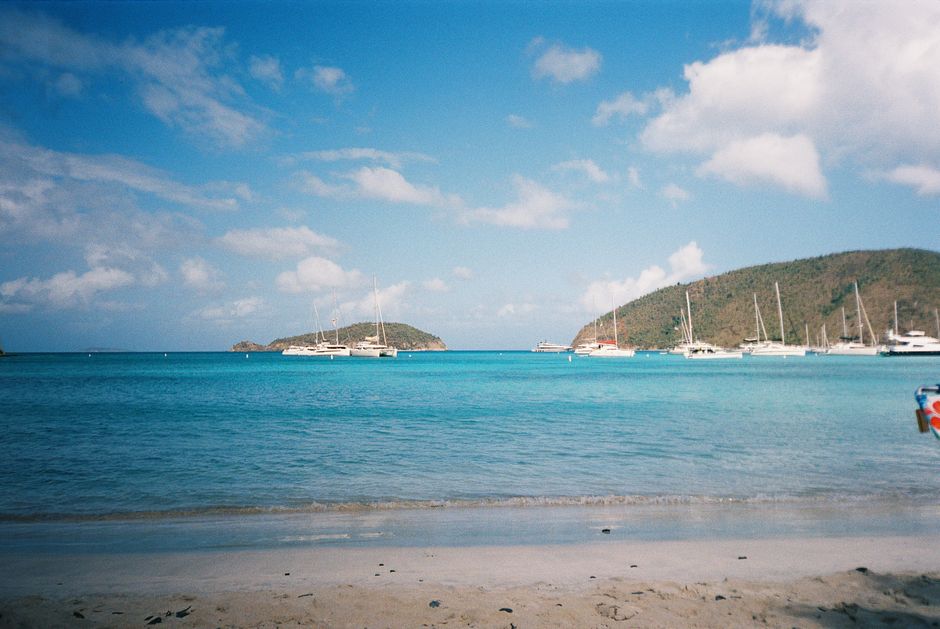
Short answer: with 7 days, spend two nights on St. Thomas for Charlotte Amalie and Magens Bay, then take the 15–20 minute ferry to St. John for five nights of national park beaches, snorkeling and trails. With 10 days, add three nights on St. Croix, reached by a short flight or the QE IV ferry, for Christiansted, Buck Island and the Cane Bay wall. With 14 days, either give all three islands more time or hop across to the British Virgin Islands for The Baths and Jost Van Dyke. The islands are small, so these routes are about beaches, boats and short hops, not long drives.
This guide turns the sample trips on our US Virgin Islands travel guide into day-by-day plans, with official ferry times, the best area to sleep and what to book ahead. December to April is the dry, breezy high season, with February to April the driest months; May to July is a good-value window with calm seas. Our best time to visit the US Virgin Islands guide goes month by month, and our top 10 places to visit in the US Virgin Islands explains each stop. For a plan built around your dates and interests, use our AI trip planner. Everything here was checked as of October 2026.
The three routes at a glance
| Route | Days | Stops | Best for |
|---|---|---|---|
| St. Thomas and St. John | 7 | St. Thomas (2 nights), St. John (4 nights) | First trip, beaches, snorkeling, easy logistics |
| All three islands | 10 | St. Thomas (2 nights), St. John (4 nights), St. Croix (3 nights) | History, diving, seeing the whole territory |
| Three islands, slowly | 14 | St. Thomas (2 nights), St. John (6 nights), St. Croix (5 nights) | Hikers, divers, families, a real rest |
| The Virgin Islands, US and British | 14 | St. Thomas (2 nights), St. John (4 nights), Tortola or Virgin Gorda (4 nights), St. Thomas (3 nights) | Sailors, beach-bar hoppers, The Baths |
Most flights from the US mainland land at Cyril E. King Airport (STT) on St. Thomas; St. Croix’s Henry E. Rohlsen Airport (STX) has fewer nonstop flights, and St. John has no airport. US citizens flying in directly from the mainland or Puerto Rico don’t need a passport, but everyone goes through a US Customs and Border Protection check before flying home, and a passport is needed for the British Virgin Islands.
Travel times between the main stops
These are the legs used in the plans below. Ferry times and fares come from the Virgin Islands Port Authority, the Department of Public Works and the operators, as of October 2026; flight times are approximate.
| Leg | How | Time | Source |
|---|---|---|---|
| Red Hook (St. Thomas) – Cruz Bay (St. John) | Passenger ferry, normally hourly from early morning to late evening | about 15–20 min | VI Port Authority, Public Works |
| Charlotte Amalie – Cruz Bay | Passenger ferry, less frequent | about 45 min | Operator |
| Red Hook – Cruz Bay (Enighed Pond), with a car | Car barge, first come, first served | short crossing; arrive 30–60 min early | VI Port Authority |
| Charlotte Amalie (Blyden Terminal) – Christiansted (Gallows Bay) | QE IV ferry, Thursday to Monday; leaves St. Croix 8:00, St. Thomas 15:00 | about 2 h 10 | VI Port Authority |
| St. Thomas – St. Croix | Flight | about 25 min (approximate) | Airline schedules |
| Miami – St. Thomas | Nonstop flight | about 2 h 45 (approximate) | Airline schedules |
| Christiansted – Buck Island | Licensed half-day or full-day boat trip | short boat ride (island 2.4 km / 1.5 miles offshore) | National Park Service |
| Charlotte Amalie – Road Town (Tortola); Red Hook and Cruz Bay – West End (Tortola) and Jost Van Dyke | Daily ferries to the British Virgin Islands | check the current timetable | BVI Tourist Board |
The Red Hook–Cruz Bay ferry costs US$8.15 one way for non-resident adults and US$1 for children, plus a US$0.66 fuel surcharge (since 12 June 2026) and US$4 per large bag; the Charlotte Amalie–Cruz Bay ferry is US$13. The QE IV to St. Croix is US$60 one way. A reduced off-season ferry timetable runs into late October, so check times if you travel then.
7 days: St. Thomas and St. John
The classic first trip: two nights near the airport and the capital, then five days on the island that is mostly national park. Book a jeep on St. John well ahead; it is the best way to reach the beaches.
- Day 1, Charlotte Amalie: Land at Cyril E. King, check in and walk the old Danish warehouse alleys off Main Street, the 99 Steps and Fort Christian. Sunset from Paradise Point by the Skyride. Sleep: Charlotte Amalie or the hills above it (2 nights).
- Day 2, beaches of St. Thomas: Magens Bay in the morning, before the cruise crowds, then snorkeling at Coki Point next to Coral World. Check the cruise schedule and see town when only one or two ships are in.
- Day 3, to St. John: Taxi to Red Hook and the 15–20 minute ferry to Cruz Bay (or the car barge if you rented on St. Thomas). Start at the national park visitor center, then walk the Lind Point Trail to Honeymoon Beach. Sleep: Cruz Bay, or a rental on the hills (4 nights).
- Day 4, the North Shore: Trunk Bay’s underwater snorkel trail early (US$5 per person 16 and over, paid by card or phone), then Cinnamon Bay and turtles in the seagrass at Maho Bay.
- Day 5, Annaberg and Waterlemon Cay: The Annaberg sugar plantation ruins and the snorkel out to Waterlemon Cay from Leinster Bay; lunch in Coral Bay on the quieter east side.
- Day 6, the Reef Bay Trail or a day sail: Hike down through forest past Taíno petroglyphs to plantation ruins, or join a day sail around the cays with snorkel stops. Ram Head and Salt Pond Bay are a good shorter walk.
- Day 7, home: Ferry to Red Hook and taxi to the airport, or take the 45-minute ferry to Charlotte Amalie, closer to the airport. Leave time for the customs check before your flight.
Swap it: prefer resort comforts and nightlife? Reverse the balance: four nights on the East End of St. Thomas, near Red Hook, and day trips to St. John by ferry. More on each island is in our US Virgin Islands guide.
10 days: all three islands
St. Croix is a separate world, about 65 km (40 miles) south across deep water, with Danish towns, rum distilleries and the territory’s best diving. The QE IV ferry leaves St. Thomas at 15:00 from Thursday to Monday, so build the plan around those days, or fly in about 25 minutes.
- Days 1–2, St. Thomas: Charlotte Amalie, Magens Bay and Coki Point. Sleep: Charlotte Amalie or the East End (2 nights).
- Days 3–6, St. John: Ferry to Cruz Bay. The North Shore beaches, Trunk Bay, Annaberg and Waterlemon Cay, the Reef Bay Trail, and Ram Head. Sleep: Cruz Bay or Coral Bay (4 nights).
- Day 7, to St. Croix: Morning ferry back to St. Thomas, then the 15:00 QE IV from the Blyden Terminal to Christiansted (about 2 h 10), or a short flight. Dinner on the boardwalk. Sleep: Christiansted (3 nights).
- Day 8, Buck Island: A half-day or full-day boat trip to Buck Island Reef National Monument for the underwater trail through elkhorn coral and the west-facing beach. Christiansted National Historic Site and Fort Christiansvaern in the afternoon.
- Day 9, the west end: Point Udall at sunrise, the easternmost point of the United States, then across the island to the Estate Whim plantation museum, a rum distillery, the rainforest along Mahogany Road and sunset in Frederiksted. Divers swap in the Cane Bay wall.
- Day 10, home: Fly from St. Croix, often via San Juan, Miami or St. Thomas.
Swap it: at night, kayak the bioluminescent bay at Salt River Bay, where Columbus’s crew landed in 1493. If the ferry days don’t fit, fly between the islands, or start the trip on St. Croix if your airline serves STX.
14 days: three islands, slowly
The same three islands, with time to snorkel the same bay twice and do nothing in between. St. John gets six nights, enough for every trail and both sides of the island.
- Days 1–2, St. Thomas: Charlotte Amalie, Magens Bay, Coki Point, and Water Island’s Honeymoon Beach by the little ferry from Crown Bay. Sleep: Charlotte Amalie or the East End (2 nights).
- Days 3–8, St. John: Split the stay between Cruz Bay (3 nights) and Coral Bay (3 nights). The North Shore bays, Annaberg, the Reef Bay and Johnny Horn trails, Ram Head, Salt Pond Bay, a day sail and a paddleboard morning at Francis Bay.
- Day 9, to St. Croix: Back to St. Thomas and the 15:00 QE IV ferry (Thursday to Monday), or a flight. Sleep: Christiansted (3 nights), then the west end or Cane Bay (2 nights).
- Days 10–13, St. Croix: Buck Island, Christiansted’s forts, Point Udall at dawn, a night kayak at Salt River Bay, a dive or snorkel at Cane Bay, the rum distilleries, Estate Whim, Rainbow Beach and sunsets in Frederiksted. From about March to July, ask about the guided turtle watches at Sandy Point National Wildlife Refuge, which open only at set times.
- Day 14, home: Fly from St. Croix.
Want festivals? The Crucian Christmas Festival on St. Croix runs from 5 December 2026 to 2 January 2027, Carnival on St. Thomas usually runs from late April into early May, and the St. John Celebration builds up to Emancipation Day on 3 July and the Fourth of July.
14 days: the US and British Virgin Islands
St. John looks straight across a narrow channel to Tortola, and daily ferries link the two territories. This route adds the BVI’s sailing waters and The Baths on Virgin Gorda. Bring a passport; you clear immigration on each crossing.
- Days 1–2, St. Thomas: Charlotte Amalie and Magens Bay. Sleep: Charlotte Amalie or the East End (2 nights).
- Days 3–6, St. John: The national park beaches, Annaberg and the Reef Bay Trail. Sleep: Cruz Bay (4 nights).
- Day 7, to the BVI: Ferry from Cruz Bay or Red Hook to West End on Tortola. Before you go, fill in the BVI’s online Immigration and Customs Form (it opens 72 hours before arrival) and have US$10 for the Environmental and Tourism Levy. Sleep: Tortola or Virgin Gorda (4 nights).
- Days 8–10, the BVI: Cane Garden Bay and Smuggler’s Cove on Tortola, an early ferry to Virgin Gorda for The Baths and Devil’s Bay, a day sail to Norman Island, and White Bay on Jost Van Dyke.
- Day 11, back to St. Thomas: Ferry from Road Town to Charlotte Amalie, with US immigration on arrival. Sleep: St. Thomas, East End or Water Island (3 nights).
- Days 12–13, slow days: Sapphire, Secret Harbor or Lindquist Beach, Brewers Bay’s food trucks, and Hassel Island’s ruined forts in the harbor.
- Day 14, home.
Ferries between the territories run daily, but timetables change and the BVI charge a departure tax at the ferry terminal, so check the current schedule before you plan each crossing. Island-by-island tips are in our British Virgin Islands guide.
Where to sleep, by stop
| Stop | Best area for a short stay | Why |
|---|---|---|
| St. Thomas | Charlotte Amalie and its hillsides, or the East End around Red Hook | Close to the airport, town and the downtown ferry; or near the St. John ferry, resorts and beaches |
| Water Island | Rentals near Honeymoon Beach | A quiet, mostly residential island a few minutes from Crown Bay |
| St. John | Cruz Bay, or Coral Bay on the east side | Restaurants, the ferry and the park visitor center in Cruz Bay; a slower pace in Coral Bay. Villas on the hills need a jeep |
| St. Croix | Christiansted, or Cane Bay and Frederiksted in the west | The historic boardwalk and Buck Island boats; diving from the beach and sunsets in the west |
| BVI | Tortola (Cane Garden Bay or near West End) or Virgin Gorda | Ferries and beaches; The Baths on Virgin Gorda |
The US Virgin Islands charge a 12.5% hotel room tax on stays under 90 days, and many hotels add a resort fee. The currency is the US dollar. Rentals on St. John book out early for the dry season, Christmas and spring break.
Alternatives by interest
Snorkelers
Base yourself on St. John and add Buck Island. The best shore snorkels are Trunk Bay’s underwater trail, Waterlemon Cay, Maho Bay’s turtles and Coki Point on St. Thomas; May to July brings the flattest water. Wear a bright snorkel vest away from shore and stay inside buoyed swim areas. See our snorkeling guide.
Divers
Give St. Croix five nights. The Cane Bay wall starts a short swim from the beach, and the Frederiksted pier is famous for night dives; on St. Thomas, boats visit wrecks and reefs offshore. Leave a full day without diving before your flight home. See our diving guide.
Hikers
St. John has the trails: Lind Point, Reef Bay, Johnny Horn and Ram Head, all in Virgin Islands National Park, which covers about 60% of the island. December to April is cooler and breezier for walking; start early, carry plenty of water and plan a pickup at the end of one-way trails. See our hiking guide.
Families
Choose one or two bases and calm, staffed beaches. Magens Bay has lifeguards, changing rooms and a snack bar; Coral World Ocean Park next to Coki Point is good for younger children; and on St. John, Trunk Bay and Cinnamon Bay have shallow, sandy entries. St. Croix’s Buck Island trip suits older children who can snorkel. Book family-size jeeps early.
Sailors
Spend part of the trip on the water: day sails from Red Hook and Cruz Bay, or a bareboat or crewed charter through the US and British Virgin Islands. Overnight moorings in the national park cost US$26 a night, with limits of 7 nights per bay and 30 a year. See our boat trips guide.
Tips for planning your route
- Book St. John’s jeep first. Rental jeeps on St. John sell out in the dry season; book them before or with your accommodation.
- Build St. Croix around the ferry days. The QE IV runs Thursday to Monday only; otherwise fly.
- Drive on the left, slowly. Most cars have the steering wheel on the left too, roads are steep and narrow with sharp hairpins, and speed limits are mostly 20–35 mph.
- Check the cruise calendar. Charlotte Amalie, Magens Bay and Trunk Bay are busiest on big ship days; go early or late.
- Leave time for customs on the way home. US Customs and Border Protection checks every passenger flying to the mainland before departure.
- Match the season to the plan. December to April for the driest, breeziest weather; May to July for value and calm seas; August to November is the wettest time and the heart of hurricane season. North-facing beaches can get winter swells from November to April.
US Virgin Islands itinerary FAQ
Is 7 days enough for the US Virgin Islands?
Yes for St. Thomas and St. John. To add St. Croix without rushing, plan at least 10 days.
Should I stay on St. Thomas or St. John?
St. Thomas for more hotels, easier access to the airport and nightlife; St. John for national park beaches, hiking and a quieter pace. Most first-time visitors do both, with more nights on St. John.
Can I visit St. John as a day trip?
Yes. Take an early ferry from Red Hook (15–20 minutes) and a taxi to Trunk Bay or Cinnamon Bay, and walk the Lind Point Trail back to Cruz Bay. One day is a taste; the island deserves several.
How do I get from St. Thomas to St. Croix?
By a short flight of about 25 minutes, or by the QE IV ferry between Charlotte Amalie and Christiansted, about 2 hours 10 minutes, Thursday to Monday (US$60 one way).
Do I need a car on St. John?
It helps a lot. A jeep or other 4×4 is the best way to reach the beaches and trailheads; open-air safari taxis with set per-person fares are the alternative.
Can I combine the US and British Virgin Islands?
Yes. Daily ferries link Charlotte Amalie, Red Hook and Cruz Bay with Tortola and Jost Van Dyke. Everyone needs a passport, the BVI’s online arrival form and money for the arrival levy and the ferry departure tax.
What is the best month for a US Virgin Islands trip?
February to April for the driest weather, and May to July for good value and calm water. June has the fewest rainy days of the year.
Sources
Researched and last reviewed by TravelerCenter on 8 October 2026. Ferry times, routes and fares come from the Virgin Islands Port Authority, the Department of Public Works and Varlack Ventures; the Trunk Bay fee, mooring fees and park facts from the National Park Service; the customs check from US Customs and Border Protection; the hotel tax from the Virgin Islands Bureau of Internal Revenue; BVI ferries, the arrival form and the levy from the BVI Tourist Board and the Government of the Virgin Islands; seasons from the 1991–2020 Charlotte Amalie airport normals archived by NOAA. Flight times, the Sandy Point turtle season and some festival details come from general references and are approximate. Timetables, fares and rules change, so check with the operator before you travel.
Data: Wikidata (CC0)