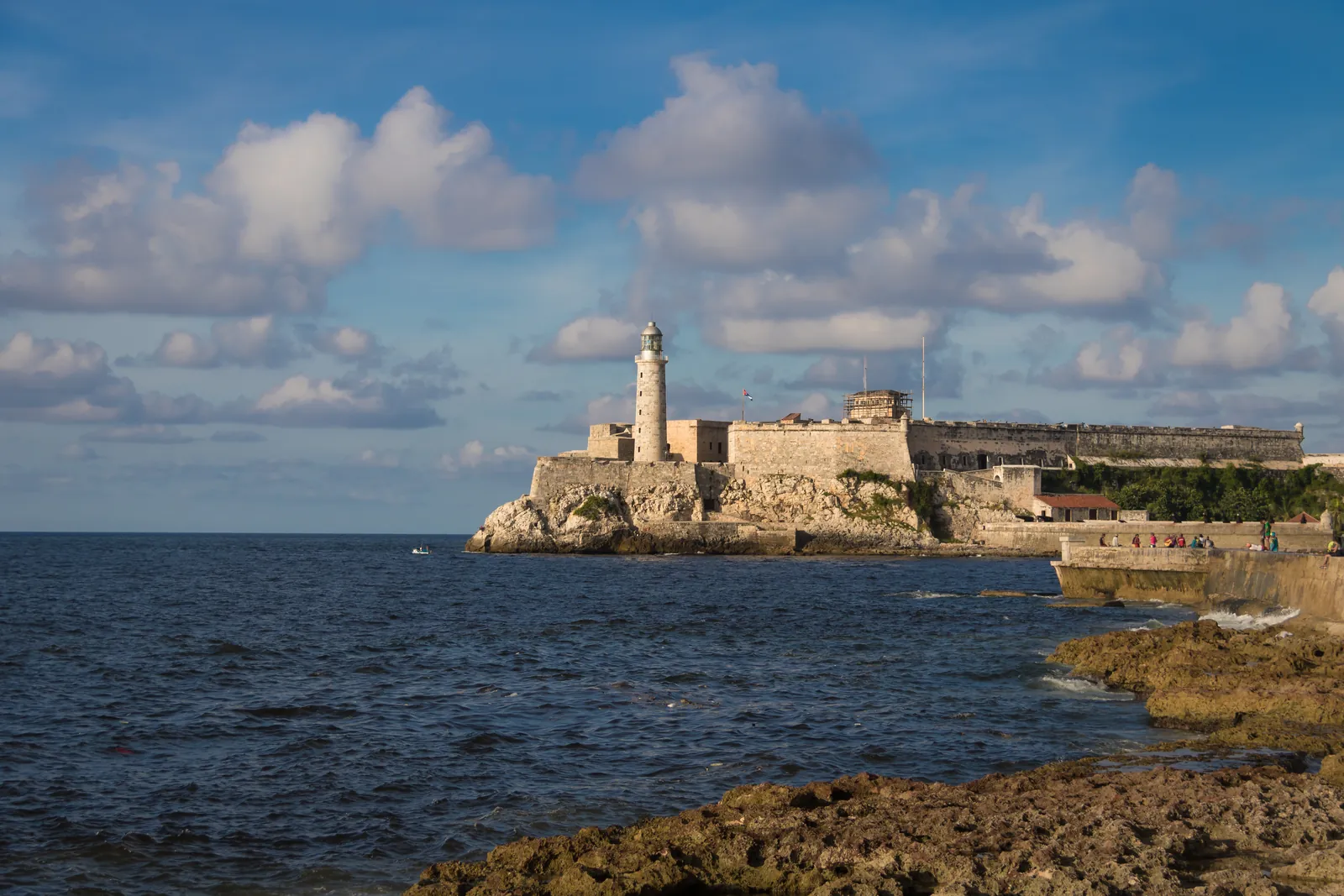
Short answer: For a first trip, the top places to visit in Cuba are Old Havana and the Malecón, the tobacco valley of Viñales, the colonial town of Trinidad, the long white beach at Varadero and the bayside city of Cienfuegos. Round out the list with the Escambray mountains at Topes de Collantes, the Zapata Peninsula’s reefs and wetlands, the cays of the Jardines del Rey, the old city of Camagüey and Santiago de Cuba in the east.
Cuba is the largest island in the Caribbean, about 1,250 km (780 miles) long, so most first trips focus on the west and center: Havana, Viñales and Trinidad, with a few days on a beach. The list is ordered the way we would recommend places to a first-time visitor. November to April is the drier, sunnier season; March and April are the driest months, and the Atlantic hurricane season runs from June 1 to November 30.
1. Old Havana and the Malecón
Why it made the list: Cuba’s capital is one of the most atmospheric cities in the Americas. Old Havana (La Habana Vieja), listed by UNESCO with its fortifications in 1982, has four colonial squares, baroque churches and palaces, and streets full of music, while the Malecón seafront curves along the sea toward the 20th-century boulevards of Vedado.
Best time to go: December to February, the coolest months, with highs around 26 °C (79 °F) that make walking a pleasure. The Havana Jazz Festival is held in January and the New Latin American Film Festival in December.
Don’t miss: a walk linking the Plaza de Armas, Plaza de la Catedral, Plaza Vieja and Plaza de San Francisco, a sunset stroll on the Malecón, and the fortresses of El Morro and La Cabaña across the harbor.
Getting there and how long: José Martí International Airport is about 15 km (9 miles) south of the center. Stay three nights.
Practical note: a ride in a 1950s convertible through Vedado is a classic; agree the price before you set off. Private restaurants (paladares) serve the best food. See our Havana travel guide.
2. Viñales
Why it made the list: a green valley of tobacco fields and red earth, dotted with steep, rounded limestone hills called mogotes, about 180 km (110 miles) west of Havana. UNESCO listed the Viñales Valley as a cultural landscape in 1999, and the farms still grow tobacco and dry it in thatched barns.
Best time to go: November to April, for firm, dry trails; January to March is the tobacco harvest, when the leaves hang in the drying barns.
Don’t miss: a walk or horseback ride between the mogotes to a tobacco farm, where farmers show how cigars are rolled, and the view over the valley from Los Jazmines.
Getting there and how long: about 2.5 to 3 hours by road from Havana, by Viazul bus, shared taxi or private driver. Stay two nights.
Practical note: the village is full of family-run guesthouses (casas particulares), the best places to stay. Hikes inside the national park are made with licensed guides. See our Viñales travel guide.
3. Trinidad and the Valley of the Sugar Mills
Why it made the list: a small, beautifully preserved sugar town of cobbled streets and pastel houses near the south coast, listed by UNESCO in 1988 together with the nearby Valle de los Ingenios, the Valley of the Sugar Mills. Live music spills out every evening on the steps beside the Plaza Mayor.
Best time to go: November to April, the drier season; December to February is coolest for walking the cobbles.
Don’t miss: the Plaza Mayor and its colonial mansions, music on the steps of the Casa de la Música at night, and the tall Manaca Iznaga tower in the Valley of the Sugar Mills.
Getting there and how long: about five hours by road from Havana, via Cienfuegos. Stay three nights to add a beach day at Playa Ancón, about 12 km (7 miles) away, or a day in the mountains.
Practical note: the cobbles are uneven, so wear comfortable shoes with grip. Try the canchánchara, a local drink of rum, honey and lime. See our Trinidad travel guide.
4. Varadero
Why it made the list: Cuba’s biggest beach resort, a strip of white sand and turquoise water about 20 km (12 miles) long on the Hicacos Peninsula. Most visitors stay in all-inclusive hotels, and the sea is calm and shallow on most days.
Best time to go: March to May, warm, sunny and past the winter cold fronts that can bring waves and cool, windy days to the north coast.
Don’t miss: a long swim and a beach walk at sunrise, and a catamaran trip to the cays offshore.
Getting there and how long: about two to three hours east of Havana by road, or fly into Varadero’s Juan Gualberto Gómez Airport. Three or four nights at the end of a trip work well.
Practical note: several resorts closed temporarily in 2026, so confirm that your hotel is open before you book. See our Varadero travel guide.
5. Cienfuegos
Why it made the list: on a wide bay on the south coast, Cienfuegos was founded in the 19th century with a regular, planned grid, and UNESCO inscribed its urban historic center in 2005 as an outstanding example of 19th-century town planning. Its neoclassical buildings, wide boulevards and waterfront give it a calm, elegant feel.
Best time to go: November to April for dry, sunny weather.
Don’t miss: the central Parque José Martí and the Tomás Terry Theater, and the waterfront drive out to Punta Gorda and the ornate Palacio de Valle.
Getting there and how long: about four hours by road from Havana and about 80 km (50 miles) from Trinidad. One night, or a stop on the way to Trinidad.
Practical note: the El Nicho waterfalls in the Escambray mountains make an easy day trip from the city. See our city sightseeing guide.
6. Topes de Collantes
Why it made the list: a nature park in the Escambray mountains above Trinidad, at about 800 m (2,600 ft), with cool air, coffee farms, pine and rainforest, and trails that end at waterfalls and swimming holes. It is the easiest way to see Cuba’s green, mountainous interior.
Best time to go: November to April, for drier trails; waterfalls are fullest after the rains.
Don’t miss: the hike to the Salto del Caburní waterfall, and a cup of local coffee in the park.
Getting there and how long: about 20 km (12 miles) from Trinidad up a steep, winding mountain road. A day trip by tour or with a driver.
Practical note: the trails are steep and slippery, so wear proper shoes, bring water and swimwear, and go with a guide. See our hiking guide.
7. The Zapata Peninsula and Playa Girón
Why it made the list: the Ciénaga de Zapata, on the south coast of Matanzas province, is described by the Ramsar Convention as the largest and best-preserved wetland in the Caribbean, and it is also a UNESCO biosphere reserve. Its mangroves and lagoons are rich in birds, and along the coast near Playa Girón the reef starts a few steps from the shore.
Best time to go: November to April, the drier season, which is also the best time for migratory birds.
Don’t miss: snorkeling or diving at Caleta Buena or Punta Perdiz, and a guided birdwatching walk in the wetlands, home to endemic species such as the tiny bee hummingbird.
Getting there and how long: about two hours from Varadero and about three from Havana by road. A day trip, or a night in a casa particular in Playa Larga or Playa Girón.
Practical note: bring insect repellent for the wetlands, and water shoes for the rocky shore. See our diving guide.
8. Jardines del Rey: Cayo Coco and Cayo Guillermo
Why it made the list: off the north coast of central Cuba, the Jardines del Rey are long, low islands linked to the mainland by a causeway, with fine white beaches, shallow turquoise water and reefs. Cayo Coco and Cayo Guillermo are built for all-inclusive beach stays; Cayo Santa María, further west, is similar.
Best time to go: March to May, warm and sunny after the winter cold fronts.
Don’t miss: a day on one of the long, empty beaches, and the flamingos that feed in the shallow lagoons along the causeway.
Getting there and how long: international flights land at Cayo Coco’s airport, or drive from the mainland across the causeway. Stay four or five nights for a pure beach holiday.
Practical note: the cays are mostly resort areas with few towns, so plan to stay in your hotel and book excursions there. See our beaches guide.
9. Camagüey
Why it made the list: Cuba’s third city has a winding colonial center of small plazas, churches and alleys, laid out like a maze, and the large clay jars called tinajones that once stored rainwater. UNESCO inscribed its historic center in 2008.
Best time to go: November to April, the drier season.
Don’t miss: the Plaza del Carmen with its life-size bronze figures of local people, and a bici-taxi ride through the old center’s lanes.
Getting there and how long: about halfway along the island, roughly four to five hours by road from Trinidad. One or two nights, on the way east or toward the beaches of the north coast.
Practical note: it is easy to get lost in the old center; that is part of the fun, but keep your casa’s address with you. See our Cuba travel guide.
10. Santiago de Cuba
Why it made the list: Cuba’s second city, on a deep bay in the east, is the home of son music and Afro-Caribbean culture. At the entrance to its bay, San Pedro de la Roca Castle, listed by UNESCO in 1997, is the most complete and best-preserved example of Spanish-American military architecture, according to UNESCO.
Best time to go: November to April for drier weather, or July for Carnival, the city’s biggest party.
Don’t miss: sunset at the castle (El Morro) above the sea, and an evening of live son at a Casa de la Trova.
Getting there and how long: by domestic flight or a very long road trip from Havana, about 860 km (530 miles). Allow at least two or three nights.
Practical note: parts of eastern Cuba are still recovering from Hurricane Melissa, which came ashore near Santiago de Cuba in October 2025, so confirm flights and transport before you go. See our Cuba travel guide.
How to fit them into one trip
Distances in Cuba are long and transport can be slow, so pick a few areas and leave spare time between them.
Five days: three days in Havana and two in Viñales.
Eight to ten days: add Cienfuegos and Trinidad, with a day at Playa Ancón or Topes de Collantes, and finish with two nights in Havana or Varadero.
Two weeks: Havana, Viñales, the Zapata Peninsula, Cienfuegos, Trinidad and Camagüey, with beach time at Varadero or the Jardines del Rey. Add Santiago de Cuba only if flights or transport are confirmed.
November to April is the best time for touring, and March to May for the beaches. Our best time to visit Cuba guide goes month by month, and our AI trip planner builds the day-by-day plan for your dates.
Plan your trip
Start with our Cuba travel guide for the electronic tourist visa, the D’Viajeros arrival form, money and getting around. Use the AI trip planner to turn this list into a route, check what to expect on your dates with the Destination weather tool, and build your list with the packing list tool; include a power bank and a flashlight, as power cuts are common.
Frequently asked questions
What is the most beautiful place in Cuba?
For many visitors it is the Viñales Valley, with its mogotes and tobacco fields at sunrise. Trinidad’s cobbled streets, Old Havana and the white sand of Varadero and Cayo Coco are close behind.
How many days do you need in Cuba?
Five days covers Havana and Viñales. Eight to ten days adds Cienfuegos, Trinidad and a beach, and two weeks lets you travel more widely, allowing for slow transport.
What is the best place in Cuba for first-time visitors?
Havana. Old Havana is a World Heritage Site, the city has the main international airport, and it is the starting point for Viñales, Varadero and Trinidad.
Is Havana or Varadero better?
They are very different. Havana is for history, music, food and street life; Varadero is for a beach holiday in an all-inclusive resort. Many visitors combine a few days in Havana with a few on the beach.
What do you need to enter Cuba as a tourist?
A passport, a return ticket, the electronic tourist visa from Cuba’s official portal, evisacuba.cu, applied for at least 72 hours before arrival, travel medical insurance valid in Cuba, and the free D’Viajeros form, completed within seven days before travel.