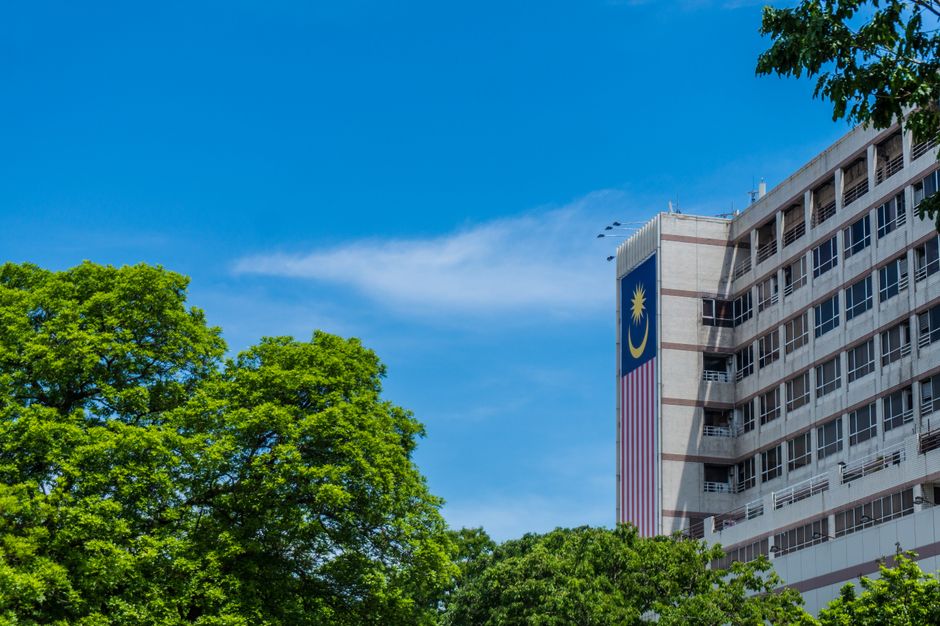
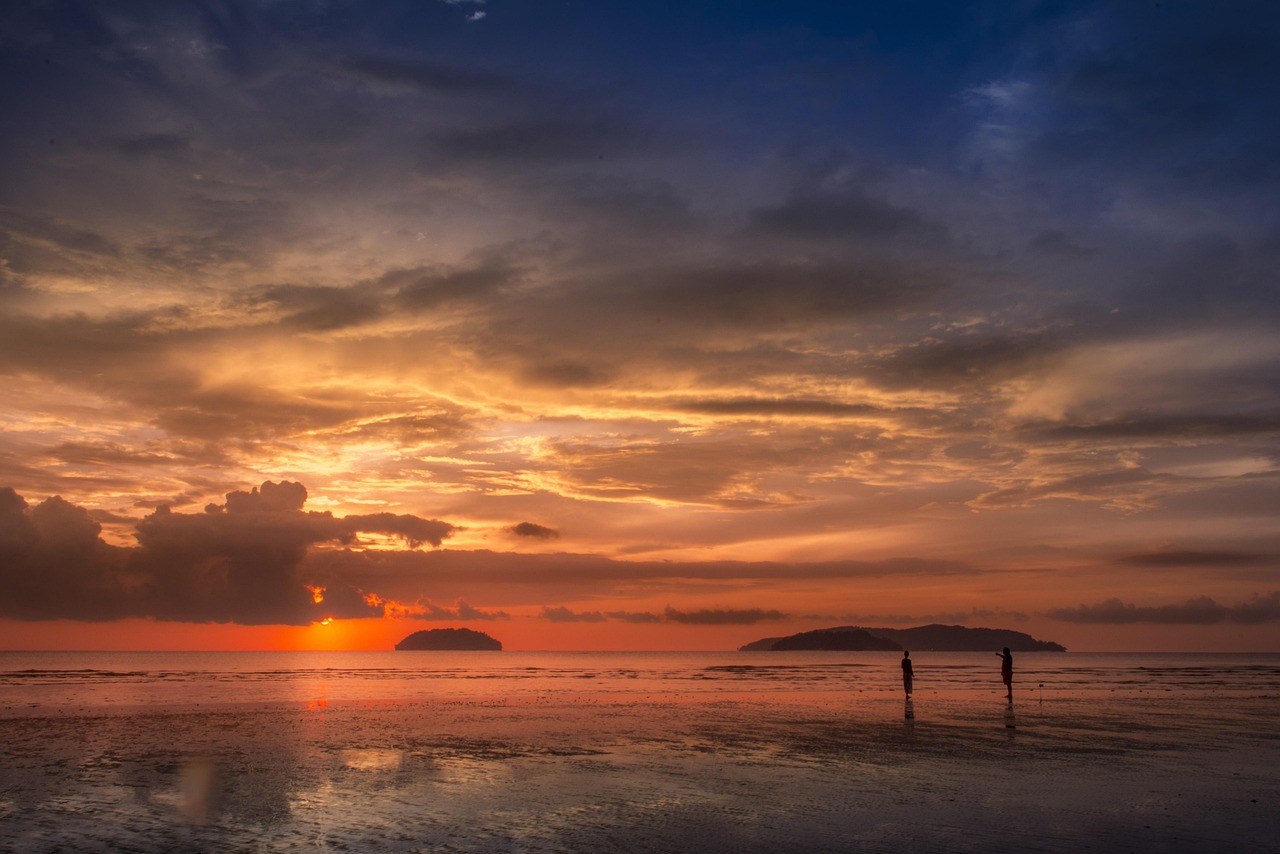
Kota Kinabalu, the capital of Sabah on the northwest coast of Borneo, is a relaxed waterfront city with islands on its doorstep and Southeast Asia’s highest mountain on its horizon. Most visitors use “KK” as a base: for island-hopping and snorkeling in Tunku Abdul Rahman Park, a 15-minute boat ride away; for climbing Mount Kinabalu, 4,095 m (13,436 ft) high, or walking the botanical trails of Kinabalu Park, a UNESCO World Heritage Site; for river cruises to see proboscis monkeys and fireflies; and for flights onward to orangutans, rainforest and diving in the east of the state. The city itself is young, rebuilt after the Second World War, but its markets, seafood restaurants and sunsets over the South China Sea are a fine introduction to Borneo. Sabah keeps its own immigration control, so you will show your passport even when arriving from elsewhere in Malaysia.
Right now in Kota Kinabalu
- Thu24–29°C75–84°F22 mm rain
- Fri24–29°C75–84°F8 mm rain
- Sat24–28°C76–82°F11 mm rain
Top tours in Kota Kinabalu
See all tours for Kota Kinabalu →
From local operators, with prices and reviews; you check availability and book on Viator, our partner. We may earn a commission at no extra cost to you. How we earn money
Kota Kinabalu at a glance
- Best for: climbing Mount Kinabalu, island beaches and snorkeling, seafood, river wildlife cruises, Borneo’s indigenous cultures and gateway trips to Sabah’s rainforests.
- How long: 2 days for the city and islands; 4 to 6 with Mount Kinabalu and a river safari.
- Best time: February to April are the driest months; October is the wettest. Highs are about 31–33 °C (88–92 °F) all year at the coast, but near freezing at dawn on the summit of Mount Kinabalu.
- Getting there: Kota Kinabalu International Airport, about 8 km (5 miles) from the center, has flights from Kuala Lumpur (about 2.5 hours), other Malaysian cities and several Asian hubs.
- Getting around: on foot in the center, Grab and taxis, boats from Jesselton Point to the islands, and tours or rental cars for Kinabalu Park.
- Good to know: Mount Kinabalu climbs must be booked as packages through Sabah Parks; 2026 dates opened on December 1, 2025, and 2027 bookings had not opened as of September 2026.
- Before you go: the Malaysia Digital Arrival Card (MDAC), visa-free stays, money and general safety are in our Malaysia travel guide.
Kota Kinabalu’s areas and where to stay
The compact city center runs along the waterfront between the hill of Signal Hill and the sea, with newer districts stretching north and south along the coast.
City center and the waterfront
The grid of streets around Gaya Street, Jesselton Point and the waterfront has most of the mid-range hotels and guesthouses, seafood restaurants, the markets and the jetty for the islands. Everything is walkable, and it is the most practical base.
Tanjung Aru
South of the center, near the airport, Tanjung Aru has a long public beach famous for sunsets, food stalls and a large beach resort. It is about 15 minutes by Grab from town.
Sutera Harbour
A resort complex with two large hotels, a marina and a golf course just south of the center, with its own boats to the islands.
Likas Bay and the northern coast
North of the center, Likas Bay has the City Mosque, sports grounds and the Kota Kinabalu Wetlands, while resorts at Dalit Bay and Karambunai, 30 to 45 minutes away, offer quiet beaches.
Climbing Mount Kinabalu
Mount Kinabalu, a granite peak rising from the Crocker Range, is the highest mountain in Malaysia, at 4,095.2 m (13,436 ft) according to Sabah Parks. Its summit, Low’s Peak, can be reached by fit hikers with no technical experience, but the climb is steep and long, the air is thin, and the weather turns quickly. Everyone must book an official package and climb with a licensed mountain guide.
How the climb works
The standard climb takes two days. On day one, climbers register at Kinabalu Park headquarters, at about 1,520 m (4,990 ft), meet their guide and are driven to Timpohon Gate, then hike about 6 km (3.7 miles) up a stepped trail to the mountain huts at Panalaban, at about 3,270 m (10,730 ft). After a very early supper at the Laban Rata Resthouse, climbers start for the summit around 2 a.m., using a fixed white rope on the granite slabs above the huts, show their permit tag at the Sayat-Sayat checkpoint and aim to reach Low’s Peak for sunrise. According to Sabah Parks, climbers have about 10 to 15 minutes at the top, must check out of the hostel by 10:30 a.m., and should be back at Timpohon Gate by 4 p.m.; arriving later costs RM15 per hour per climber. Weather and safety conditions decide whether the summit can be attempted.
Booking, packages and fees in 2026
According to Sabah Parks, bookings are online only, through the official Sabah Parks reservation portal, and subject to available places, which are limited by the number of beds at Panalaban. For 2026, two hostel packages are offered, each including one night’s accommodation, three meals, the climbing permit, insurance and a 7% service charge:
| Package (per person) | Malaysian adult | International adult | International, 17 and under |
|---|---|---|---|
| Panalaban Hostel (30 climbers a day) | RM722.25 | RM1,043.25 | RM829.25 |
| Lemaing Hostel (20 climbers a day, Malaysians only) | RM508.25 | not available | not available |
The international climbing permit included in the package is RM400 for adults and RM200 for those aged 17 and under. On top of the package, Sabah Parks lists a conservation fee of RM50 for international adults (RM25 for those aged 17 and under), paid cashless at the park gate; a mountain guide at RM350 (one guide for up to five climbers, or for two climbers aged 15 and under), the return transfer between park headquarters and Timpohon Gate (RM35 for one or two climbers, or RM15 per person for three or more) and optional porters at RM14 per kilogram, all paid in cash. Optional summit certificates cost RM10. Names cannot be changed after booking, cancellations are non-refundable, and only one date change is allowed with at least two weeks’ notice. As of September 19, 2026, bookings for the 2027 season had not opened.
Preparing for the climb
Sabah Parks asks people with, or with a history of, heart disease, high blood pressure, chronic asthma, diabetes, epilepsy, severe anemia, obesity or any illness that could be triggered by cold, exertion or altitude not to climb, and recommends talking to a doctor first. Bring warm, waterproof layers, gloves with a good grip, a head torch, a whistle, high-energy snacks and hiking shoes with good grip; temperatures at the summit can fall close to freezing. Spend a night near the park beforehand to acclimatize, and stay with your guide at all times. If you lose your guide and the rope in cloud, Sabah Parks’ instruction is to stop, stay where you are and blow your whistle. See our hiking guide.
Top things to see in and around Kota Kinabalu
Tunku Abdul Rahman Park
According to Sabah Parks, Tunku Abdul Rahman Park covers about 50 km² (19 sq miles) of sea, reefs and five islands about 3 km (2 miles) off the city, and was gazetted in 1974. Pulau Manukan has the best facilities and the park headquarters; Pulau Sapi is small and popular, with trails and a sandbank to Gaya at low tide; Pulau Mamutik is the smallest and closest to the mainland; and Pulau Gaya, the largest at 15 km² (6 sq miles), has 20 km (12 miles) of forest trails and secluded bays. Boats leave from Jesselton Point and Sutera Harbour. The park entrance fee is RM25 per day for international adults (RM20 for children and for those aged 60 and over), separate from the boat fare. See our snorkeling and beaches guides.
Kinabalu Park
Even without climbing, Kinabalu Park, Sabah’s first park, gazetted in 1964 and covering about 754 km² (291 sq miles), is worth a visit for its montane forests, orchids, pitcher plants and cool air. It became Malaysia’s first World Heritage Site in 2000. Park headquarters is about 92 km (57 miles) from Kota Kinabalu, a two-hour drive. According to Sabah Parks, the park is open from 8 a.m. to 5 p.m., with last entry to the Botanical Garden at 3 p.m.; the conservation fee for international adults is RM50, and the Botanical Garden costs RM5. Guided garden walks run at 9 a.m., noon and 3 p.m.
Poring Hot Springs
On the eastern edge of the park, Poring has open-air sulfur baths and forest trails where rafflesia flowers sometimes bloom. According to Sabah Parks, the canopy walkway is temporarily closed, and the Mesilau area of the park also has a closure notice, so check before you go.
The city’s markets and waterfront
The Gaya Street Sunday Market fills the old main street every Sunday morning with plants, crafts, food and pets. Along the waterfront, the handicraft market sells pearls and woven goods, and the evening food market grills fish, prawns and squid by the sea. The Atkinson Clock Tower, from 1905, is one of the few buildings to survive the war; climb Signal Hill behind it for a view over the city and islands.
More classic sights
- Sabah State Museum: ethnography, natural history and a heritage village of traditional houses of Sabah’s peoples.
- City Mosque: the “floating mosque” on a lagoon at Likas Bay, best at sunset.
- Kota Kinabalu Wetlands: a mangrove reserve with boardwalks and birdlife, minutes from the center.
- Tanjung Aru Beach: the city’s sunset beach, with food stalls.
- Mari Mari Cultural Village: traditional houses, crafts and food of Sabah’s ethnic groups, 30 minutes from town.
Other things to do in Kota Kinabalu
Food and drink
KK is a seafood city: choose live fish, prawns, crabs and lobsters from the tanks at the big seafood restaurants and have them cooked to order. Local specialties include hinava, a Kadazandusun salad of raw fish cured in lime with chili and ginger; tuaran mee, egg noodles from the nearby town of Tuaran; ngiu chap, a Sabahan beef noodle soup; sang nyuk mee, a Hakka-style pork noodle dish; and Sabah tea and coffee. The evening waterfront market is the cheapest place for grilled seafood.
River cruises and wildlife
Day trips to the Klias Peninsula and other rivers south of KK combine late-afternoon cruises to see proboscis monkeys, endemic to Borneo, with fireflies after dark. For orangutans, fly or drive to Sandakan for the Sepilok rehabilitation center and the Kinabatangan River. See our boat trips guide.
Diving and snorkeling
The reefs of Tunku Abdul Rahman Park suit beginners and snorkelers; whale sharks are occasionally seen in the early months of the year. Experienced divers head east to Sipadan and Semporna; see the safety section for the restrictions there. See our diving guide.
White-water rafting and hiking
The Kiulu River, about an hour away, offers gentle rafting; the Padas River has stronger rapids, and Kundasang, below Mount Kinabalu, is good for cool walks.
Day trips from Kota Kinabalu
- Kinabalu Park and Kundasang: a long day for the botanical garden, Poring and mountain views; better overnight.
- Klias or Weston river cruises: proboscis monkeys and fireflies, usually as an afternoon and evening tour.
- Sandakan and Sepilok: orangutans, sun bears and World War II history, a 45-minute flight east; better as a two- or three-night trip.
Nearby destinations
- Bandar Seri Begawan174 km
Getting there and getting around
By air
Kota Kinabalu International Airport (BKI) is about 8 km (5 miles) southwest of the center, 15 to 20 minutes by Grab or taxi. Malaysia Airlines, AirAsia and Batik Air fly from Kuala Lumpur, Johor Bahru, Penang and Kuching, and there are international flights from Singapore, Hong Kong, South Korea, China and other Asian cities. Domestic flights go to Sandakan, Tawau, Lahad Datu and Labuan.
Immigration in Sabah
Sabah, like Sarawak, controls its own immigration. Foreign visitors arriving from Peninsular Malaysia or Sarawak pass through an immigration check at KK airport and need their passports and the stamp from their original entry into Malaysia; keep your passport with you when flying within Borneo.
Getting around the city and Sabah
The center is walkable, and Grab is widely used for longer trips. Island boats leave from Jesselton Point throughout the morning; buy tickets at the counters and confirm the return time. To reach Kinabalu Park, take a tour, a rental car, or a minibus from the long-distance terminal north of the city. Roads in Sabah are slower and more winding than on the peninsula, and the road to the park climbs steeply.
When to go and how long to stay
Kota Kinabalu follows the rainfall pattern of Sabah’s northwest coast. According to the Malaysian Meteorological Department (MetMalaysia), the main rainy peak is in October and a smaller one in June, while February is the driest month; from April to November, typhoons crossing the Philippines can strengthen the southwest winds on this coast to 20 knots or more and make the sea rough. The table uses MetMalaysia’s 1991–2020 normals for its Kota Kinabalu station, at the airport, as submitted to the World Meteorological Organization (WMO).
| Month | Average high / low | Rain (days with 1 mm or more) | What to expect |
|---|---|---|---|
| January | 31 °C (88 °F) / 24 °C (74 °F) | 141 mm (5.5 in), 9 days | Fairly dry; Chinese New Year |
| February | 31 °C (89 °F) / 24 °C (74 °F) | 78 mm (3.1 in), 7 days | The driest month; good for the islands |
| March | 32 °C (90 °F) / 24 °C (75 °F) | 93 mm (3.7 in), 7 days | Dry and sunny; clear mountain mornings |
| April | 33 °C (91 °F) / 24 °C (76 °F) | 123 mm (4.9 in), 9 days | Hot; a good climbing month |
| May | 33 °C (92 °F) / 25 °C (76 °F) | 212 mm (8.4 in), 12 days | Harvest festival (Kaamatan) at the end of the month |
| June | 33 °C (91 °F) / 24 °C (76 °F) | 284 mm (11.2 in), 13 days | Rain increases; afternoon storms |
| July | 32 °C (90 °F) / 24 °C (75 °F) | 288 mm (11.4 in), 14 days | Wet afternoons; school holidays |
| August | 32 °C (90 °F) / 24 °C (75 °F) | 279 mm (11.0 in), 14 days | Showery; haze possible |
| September | 32 °C (90 °F) / 24 °C (75 °F) | 287 mm (11.3 in), 14 days | Wet; seas can be rough |
| October | 32 °C (89 °F) / 24 °C (75 °F) | 387 mm (15.2 in), 18 days | The wettest month |
| November | 32 °C (89 °F) / 24 °C (75 °F) | 283 mm (11.2 in), 16 days | Wet; quieter |
| December | 32 °C (89 °F) / 24 °C (75 °F) | 262 mm (10.3 in), 14 days | Holiday season; showers |
KK gets about 2,720 mm (107 in) of rain a year, mostly in afternoon and evening storms. Mount Kinabalu is cloudier and wetter than the coast; mornings are clearest, which is why climbers aim for the summit at dawn.
2 days in Kota Kinabalu
Day one, Signal Hill, the museum and (on Sunday) the Gaya Street market, then an afternoon on Manukan or Sapi and seafood at the waterfront. Day two, the City Mosque and wetlands, then a proboscis monkey and firefly cruise.
5 days with Mount Kinabalu
Spend a night near Kinabalu Park to acclimatize, climb the mountain over two days, rest in Kundasang or Poring, then return to KK for the islands and a river cruise.
Where to stay in Kota Kinabalu
- City center: hotels and guesthouses near the waterfront and the island boats.
- Tanjung Aru and Sutera Harbour: beach and resort hotels with sunset views.
- Northern coast resorts: quiet beaches at Dalit Bay and Karambunai.
- Kinabalu Park and Kundasang: lodges and guesthouses for climbers and walkers; the park headquarters accommodation is run by a private operator.
Foreign guests pay Malaysia’s tourism tax of RM10 per room per night.
What a trip to Kota Kinabalu costs
Prices are approximate, for October 2026, converted at about RM4.08 to the US dollar.
| Item | Typical cost |
|---|---|
| Grab from the airport to the center | RM15–25 (about US$3.70–6) |
| Return boat to Tunku Abdul Rahman Park islands | RM40–80 (about US$10–20) |
| Tunku Abdul Rahman Park entrance, international adult | RM25 (about US$6) per day |
| Kinabalu Park conservation fee, international adult | RM50 (about US$12) |
| Mount Kinabalu climb, Panalaban package, international adult | RM1,043.25 (about US$256), plus guide, transfer and conservation fee |
| Seafood dinner for two | RM100–250 (about US$25–61) |
| Bowl of tuaran mee or ngiu chap | RM8–15 (about US$2–3.70) |
| Mid-range hotel double, per night | RM180–350 (about US$44–86) |
| Tourism tax, per room per night | RM10 (about US$2.45) |
Practical tips for Kota Kinabalu
- Book the climb early: Panalaban places sell out months ahead, especially in the drier months and holidays.
- Carry cash for the mountain: guide, transfer and porter fees are paid in cash at park headquarters.
- Go to the islands early: the sea is calmer and the beaches quieter in the morning.
- Keep your passport handy: you need it at Sabah’s immigration checks, even on domestic flights.
- Pack layers: it is tropical on the coast and cold at night on the mountain.
Safety
Kota Kinabalu is generally safe and easygoing. Swim only at beaches with lifeguards or on the protected island beaches, and watch for boat traffic when snorkeling; sea conditions can become rough in the afternoon and during storms. Box jellyfish and other stinging jellyfish occur at times in Sabah’s waters, so ask locally and seek first aid for stings. On Mount Kinabalu, altitude sickness, cold, rain and rockfall are real risks; follow your guide and the park’s instructions, and turn back if you feel unwell. Sabah is in an active earthquake zone. In eastern Sabah, Malaysian security forces operate a special security zone, the Eastern Sabah Security Zone (ESSZone), along the east coast and its islands, from around Kudat to Tawau; a night-time curfew on the sea has for years been declared and renewed in regular periods for the waters off several east-coast districts, including Sandakan, Lahad Datu, Kunak, Semporna and Tawau, and some islands and dive sites there have stationed security forces because of past kidnappings by groups from the southern Philippines. Kota Kinabalu and the west coast are outside this zone. In an emergency, call 999.
What to pack for Kota Kinabalu
Light, quick-drying clothes, swimwear and reef-safe sunscreen, water shoes for the islands, a rain jacket, insect repellent for river trips, and for Mount Kinabalu, warm layers, gloves, a hat, a head torch and broken-in hiking shoes. Malaysia uses 240 V and British-style three-pin plugs (type G). See our hiking shoes, water shoes and rain jackets guides.
Kota Kinabalu travel FAQ
How much does it cost to climb Mount Kinabalu?
In 2026, the Panalaban Hostel package for an international adult costs RM1,043.25, including one night, three meals, the RM400 climbing permit, insurance and a 7% service charge. Add the RM50 conservation fee, a guide (RM350 per group of up to five) and the transfer to Timpohon Gate.
Do I need a guide to climb Mount Kinabalu?
Yes. Every climber must be accompanied by a licensed mountain guide, booked and paid in cash at park headquarters.
How do I book a Mount Kinabalu climb?
Book online through the Sabah Parks reservation portal. Bookings for each year open in advance (2026 dates opened on December 1, 2025), places are limited and cancellations are non-refundable.
How hard is it to climb Mount Kinabalu?
It is a non-technical but strenuous climb of about 2,200 m (7,200 ft) of ascent over two days, with steep steps, thin air and cold at the summit. Good fitness is essential.
When is the best time to climb Mount Kinabalu?
February to April are usually the driest months; it can rain at any time of year, and October is the wettest month in Kota Kinabalu.
How much is the Tunku Abdul Rahman Park fee?
RM25 per day for international adults and RM20 for children and those aged 60 and over, according to Sabah Parks, plus the boat fare.
Do I need my passport to fly from Kuala Lumpur to Kota Kinabalu?
Yes. Sabah has its own immigration control, so foreign visitors show their passport on arrival, even on a domestic flight.
Is Kota Kinabalu safe?
Yes, the city and west coast are generally safe. Eastern Sabah, far from KK, has a special security zone with a night-time sea curfew in some coastal waters.
Can I see orangutans from Kota Kinabalu?
Not in the city. The main orangutan sites are at Sepilok, near Sandakan, about 45 minutes by plane, and along the Kinabatangan River.
How many days do I need in Kota Kinabalu?
Two days for the city and islands; five or six to add Mount Kinabalu and a river cruise.
Plan your trip
Partner links: TravelerCenter may earn a commission if you book, at no extra cost to you.
🇲🇾 Useful Malay phrases for Kota Kinabalu
All 38 Malay phrases: restaurant, hotel, emergencies, romance (printable) →
Sources · last reviewed 4 October 2026
Researched and last reviewed on 4 October 2026. Mount Kinabalu packages, permits, fees, rules, itinerary and booking dates, Kinabalu Park, Poring and Tunku Abdul Rahman Park details and fees: Sabah Parks; Kinabalu Park’s World Heritage listing: Sabah Parks’ World Heritage Site website; climate normals, rainfall patterns and typhoon-related winds: the Malaysian Meteorological Department (MetMalaysia), via the World Meteorological Organization; Sabah’s immigration control between Peninsular and East Malaysia: the UK government’s entry-requirements page for Malaysia; exchange rate: the US Federal Reserve. Eastern Sabah security zone and curfew details, flight routes, boat fares, the tourism tax rate, earthquake and jellyfish information and typical prices are general references or estimates, flagged for checking. Prices and hours change, so check the official sites before you go. For entry rules, money and general safety, see our Malaysia travel guide.
Data: Weather: MET Norway (CC BY 4.0) · Sea temperature: NOAA CoastWatch · Rates: ECB · Costs: World Bank ICP and price levels · Wikidata (CC0)