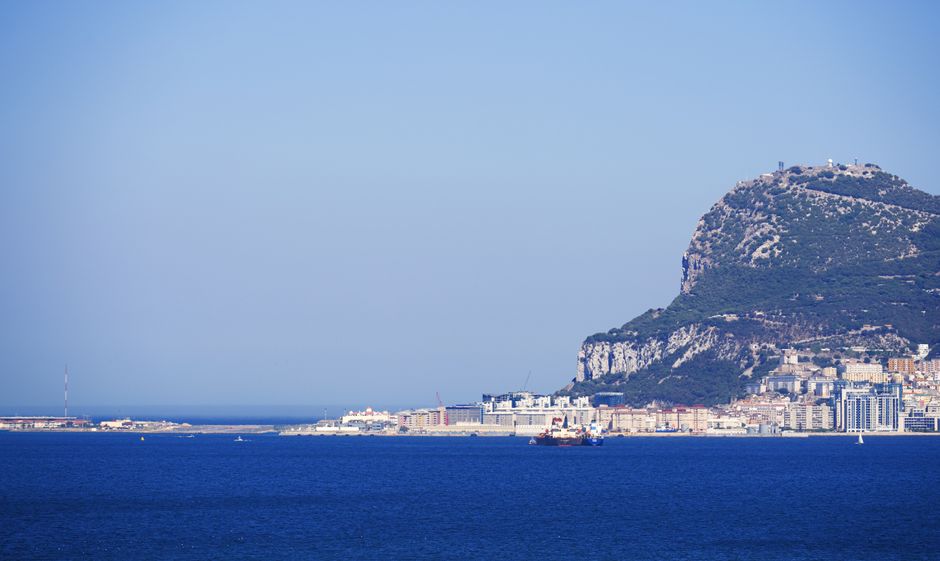
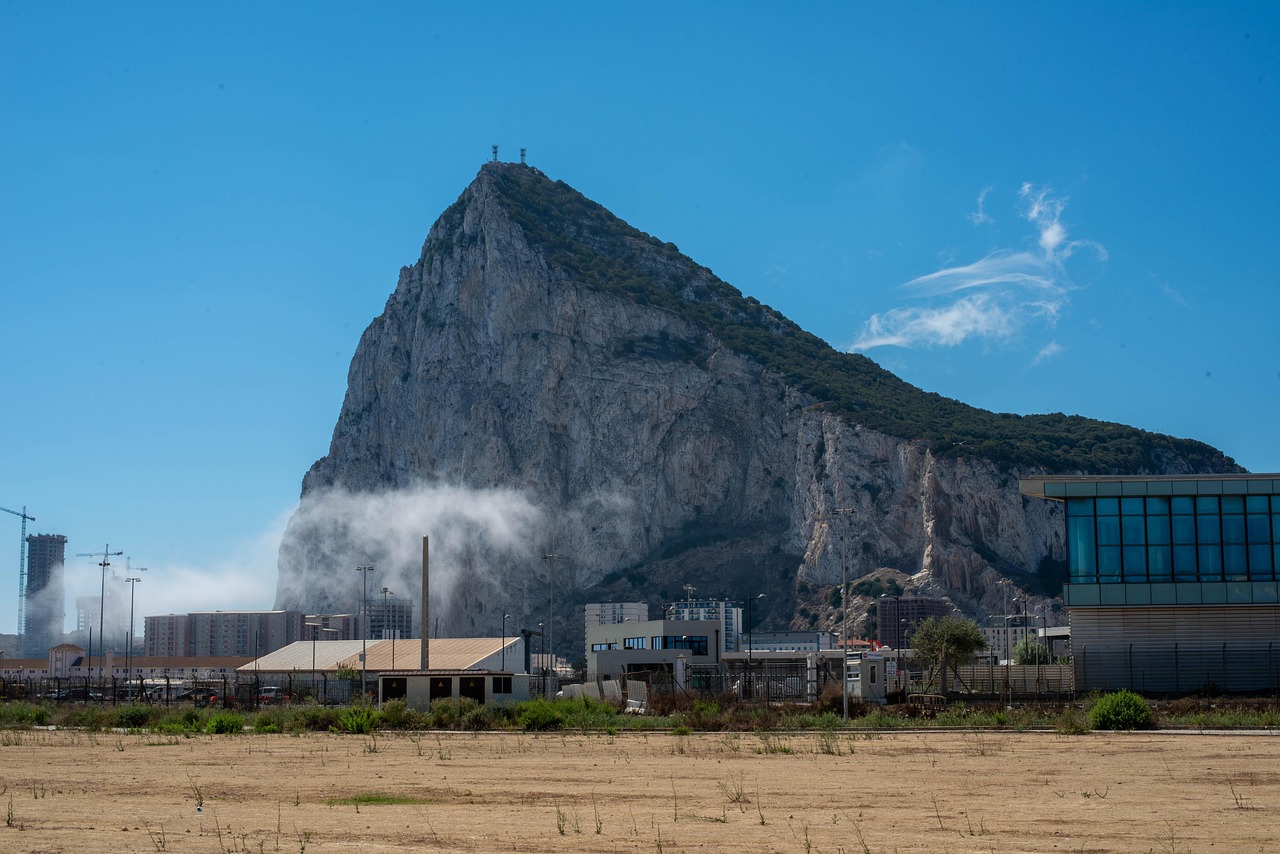
The Rock of Gibraltar is a ridge of Jurassic limestone 426 m (1,398 feet) high that rises almost vertically from the sea at the meeting point of the Atlantic and the Mediterranean, with Spain at its feet and Morocco across the Strait. Most of its upper slopes form the Gibraltar Nature Reserve, usually called the Upper Rock: a world of wild olive and scrub, cliffs and seabirds, home to the Barbary macaques and riddled with caves, tunnels and gun batteries from three centuries of sieges and wars. One ticket opens St Michael’s Cave, the Great Siege and World War II Tunnels, the glass Skywalk, the Windsor Suspension Bridge and more. With the cable car closed for refurbishment until 2027, you reach the top by taxi tour, by the reserve’s shuttle or on foot. Allow at least half a day, start early, and bring water and good shoes.
Right now in Rock of Gibraltar
- Wed18–25°C64–76°FPartly cloudy
- Thu17–24°C63–75°FMostly clear
- Fri17–23°C63–73°FMostly clear
Top tours in Rock of Gibraltar
See all tours for Rock of Gibraltar →
From local operators, with prices and reviews; you check availability and book on Viator, our partner. We may earn a commission at no extra cost to you. How we earn money
The Rock of Gibraltar at a glance
- Ticket: £30 for adults and anyone over 11, £22 for children aged 5–11, free under 5 (as of October 2026), covering the whole reserve and all its sites for a full day.
- Hours: October to April 09:00–18:15 (last entry 17:45); May to September 09:30–19:15 (last entry 18:45).
- Getting up: taxi or minibus tours, the reserve’s shuttle, or walking trails from the town; the cable car is closed until 2027, and only locally registered cars may drive in.
- Time needed: 3–4 hours on a tour; a full day on foot.
- Best time: early morning, from March to June and September to November, on a day with few cruise ships in port.
- Macaques: wild animals; feeding and touching them is illegal. Keep bags closed and food out of sight.
How the Rock works: the town, the Upper Rock and the cliffs
The Rock runs north to south for about 5 km. Its western slope, facing the Bay of Gibraltar, is gentle enough for the town to climb partway up it; above the houses, a network of narrow roads and footpaths zigzags through the Nature Reserve to the ridge. The eastern side is a sheer wall of cliffs and huge sand slopes dropping to the Mediterranean, and the northern face, facing Spain, is almost vertical, which is why the British cut gun galleries into it. The highest point, at the southern end of the ridge, is crowned by O’Hara’s Battery. The reserve has several entry points where tickets are checked and collected, including Jews’ Gate in the south, Devil’s Gap, and the Moorish Castle above the old town, plus the ticket desk at the Market Place bus station near Casemates Square.
The Rock is also a natural crossroads. It is one of the classic Pillars of Hercules, and the Strait below is a major route for migrating birds between Europe and Africa: in spring and autumn, thousands of raptors, storks and smaller birds pass overhead. Rare plants grow on the cliffs, and the eastern sea caves, part of the UNESCO-listed Gorham’s Cave Complex, sheltered Neanderthals for tens of thousands of years.
Tickets and opening hours (as of October 2026)
According to the Gibraltar Nature Reserve, which runs the Upper Rock, a standard ticket costs £30 for adults (over 11) and £22 for children aged 5–11; under-5s go free, and children may be asked for photo ID to prove their age. The ticket covers entry to the reserve and to all its sites, wildlife and trails, including St Michael’s Cave, the Skywalk, the Apes’ Den, the Great Siege Tunnels and the World War II Tunnels, with no extra fee for any of them. It is valid for the full day of your visit; bought online, it can be used within 90 days of booking, and unused tickets can be refunded. You can add a professional photo package in St Michael’s Cave or a Hopper bus pass.
| Period | Open | Last entry |
|---|---|---|
| 1 October to 30 April | 09:00–18:15 | 17:45 |
| 1 May to 30 September | 09:30–19:15 | 18:45 |
| 10 September, 24 and 31 December | Closes early, at 15:30 | |
| 25 December and 1 January | Closed | |
Buy tickets on the official site, naturereserve.gi, or at the entry points and the Market Place bus station. Taxi and minibus tours usually include the ticket in their price; check before you pay, so you don’t buy it twice.
Getting up the Rock without the cable car
The cable car from Grand Parade, at the southern end of Main Street, to the top station at 412 m normally takes six minutes, but it is closed for a full refurbishment and, according to the Gibraltar Nature Reserve, is expected to reopen in 2027. Until then, you have three options.
Taxi and minibus tours
The easiest way up. Licensed taxis and tour minibuses wait at the frontier, in the town and at the cruise terminal, and run tours of about 90 minutes to 2 hours with stops at the Pillars of Hercules viewpoint, St Michael’s Cave, the Apes’ Den and the Great Siege Tunnels, with commentary from the driver. Agree the price per person, whether the reserve ticket is included, and the length of the tour before you set off. Tours are at their busiest when cruise ships are in port.
The reserve shuttle
The Gibraltar Nature Reserve runs a shuttle for ticket holders while the cable car is closed. According to the reserve, it operates from 10:00 to 16:00 about every 30 minutes, subject to traffic and suspended at times on busy cruise days; you can add a return shuttle to your ticket at the Market Place bus station. Check the current timetable when you buy your ticket.
On foot
Walking up is free of transport costs and lets you see the Rock at your own pace, but it is steep, sunny and hard work in summer. From the town, roads and paths climb past the Moorish Castle on the north side, or from the south via Jews’ Gate. The reserve marks four trails, according to its website: the Nature Lover Trail (3.2 km, easy), the Monkey Trail (2.9 km, medium), the History Buff Trail (4.3 km, medium) and the Thrill Seeker Trail (3.9 km, difficult); download the reserve map before you go. If you run out of energy, the reserve’s taxi line (+350 2007 0052) can collect you, for a charge and subject to demand. See our hiking guide.
Private cars are not an option: only vehicles registered in Gibraltar may enter the reserve, so leave yours in a car park in town or, better, in La Línea.
Top things to see on the Upper Rock
St Michael’s Cave
The reserve’s best-known sight is a network of limestone caverns full of stalactites and stalagmites, about 300 m above the sea. Its main chamber, the Cathedral Cave, is lit in changing colors and laid out as an auditorium where concerts and events are held. Legends once claimed the cave led under the Strait to Africa. A path and steps lead through the cave; the floor can be damp and slippery, so wear shoes with grip.
The Apes’ Den and the Barbary macaques
The Barbary macaques live in several groups across the Upper Rock, and the Apes’ Den, a terrace on the western slope, is the most reliable place to see them, though you are likely to meet them all over the reserve, including at the old cable car top station and on the Skywalk. They are the only wild monkeys in Europe, and a symbol of Gibraltar. Read the rules below before you meet them.
The Skywalk and the Windsor Suspension Bridge
The Skywalk is a glass-floored platform projecting from the cliff about 340 m above sea level, with views straight down and across the Strait to Africa. Nearby, the Windsor Suspension Bridge crosses a deep gorge on the western slope; it sways a little and is not for the nervous, but it is solid and safe. Both are on the Monkey and Thrill Seeker routes, and both get crowded at midday.
The Great Siege Tunnels
During the Great Siege of 1779–1783, when French and Spanish forces blockaded Gibraltar, British soldiers began cutting galleries into the north face with hand tools and gunpowder, to fire on the isthmus from openings in the cliff. The tunnels were extended over the following century, and you walk through them past cannon at the embrasures, with the airport and La Línea below. At the end, St George’s Hall is a large chamber hollowed out of the rock.
The World War II Tunnels
During the Second World War, Gibraltar’s garrison dug tens of kilometers of tunnels inside the Rock, with barracks, a hospital, stores and power plants, so that the fortress could hold out under bombardment. A section is open to visitors and included in the reserve ticket. According to the tunnels’ operator, it is open daily except 25 December and 1 January, with last entry one hour before closing.
The Moorish Castle
Above the old town, the massive Tower of Homage is the most visible survivor of the Moorish fortifications that guarded Gibraltar for centuries. In 2026, HM Government of Gibraltar’s heritage team carried out conservation works on the gatehouse, the Tower of Homage and the inner keep, and is developing new immersive displays, so check which parts are open on the day.
O’Hara’s Battery, the Pillars of Hercules and more
At the summit, O’Hara’s Battery holds a huge 9.2-inch gun on the highest point of the Rock. Other stops include the Pillars of Hercules monument and viewpoint near Jews’ Gate, with views over the Strait; the Military Heritage Centre at Princess Caroline’s Battery; the “City Under Siege” exhibition; the Charles V Wall, built in the 16th century to protect the southern flank; Jews’ Gate Cemetery; the Lime Kiln; and the 100-ton gun at Nelson’s Anchorage, at the southern foot of the Rock.
The Barbary macaques: rules for a safe visit
The macaques are used to people but they are not tame, and they can bite. Feeding them is illegal, according to HM Government of Gibraltar, because human food upsets their diet and causes diseases such as diabetes, and touching them is also against the law except for licensed management, research and vets, according to the Gibraltar Nature Reserve. The reserve’s guidelines say:
- Don’t touch or feed them, and don’t eat or drink in front of them.
- Watch your bags: macaques associate bags with food. Leave bags behind if you go specifically to see them, or keep them zipped and close to you.
- Give them space, and never step between an adult and a baby.
- Know the warning sign: a pouted, round-mouthed face is a threat; back away calmly.
- Don’t sneak up on them, and avoid tight spaces where they may feel cornered.
- Don’t lean on walls or crouch near young ones, who may climb on you.
If a macaque snatches something, let it go; don’t try to grab it back. Keep sunglasses and phones secure near the walls where they sit.
Walking the Rock and the Mediterranean Steps
The Mediterranean Steps are the Rock’s most dramatic walk: a narrow path and stairway that starts near Jews’ Gate in the south and climbs the sheer eastern cliffs to the ridge near O’Hara’s Battery, with huge views over the Mediterranean and the coast of Spain. It is steep, exposed in places and hard work, best done early in the morning or late in the afternoon in good weather, and in sturdy shoes; allow a good hour or more of climbing. After a rockfall in May 2026, the steps were closed and reopened on 26 June 2026 once the path was cleared and temporary protective fencing installed, according to HM Government of Gibraltar; permanent repairs to a retaining wall are planned, so expect occasional works. Don’t attempt them in rain or strong wind.
Gentler routes follow the roads of the western slope between the Moorish Castle, the Great Siege Tunnels, the Apes’ Den, St Michael’s Cave and Jews’ Gate. Shade is scarce, and there are few places to buy water; carry at least a liter per person in warm weather. There are toilets at the main sites, first aid at the main attractions, picnic spots, and a café, St Michael’s Cabin, near the cave.
Around the Rock: the town, Europa Point and the beaches
Below the reserve, the town has Main Street, Casemates Square and the Gibraltar National Museum, with its Moorish baths. At the southern tip, Europa Point has a lighthouse, a mosque, the Shrine of Our Lady of Europe and the classic view to Africa, and bus route 2 runs there from Market Place. On the east side, Catalan Bay and Sandy Bay are the places for a swim after the hike, and dolphin-watching boats leave Marina Bay. See our beaches and boat trips guides.
Getting there and getting around
From Spain and the airport
Most visitors arrive on foot from La Línea de la Concepción, whose bus station is about five minutes’ walk from the frontier, with coaches from the Costa del Sol, Málaga, Algeciras, Cádiz and Seville. Since 15 July 2026 there are no routine passport checks at the land frontier, but carry your passport or EU ID card. From the frontier, walk across the airport runway into town, or take a bus or taxi. Gibraltar International Airport is right next to the border, with flights from the UK.
From the town to the reserve
The Market Place bus station near Casemates Square is the main hub: buy or collect tickets, add the shuttle and catch local buses there. According to Citibus, a single fare is £1.80 and a Hopper day ticket £8.80 for adults. Taxis wait at the frontier and in Casemates and Cathedral Square. Cruise passengers can walk from the terminal into town in about 15 minutes, or take a taxi tour straight from the quay.
When to go and how long to stay
The Rock is open all year. Spring (March to June) and autumn (September to November) are the most comfortable seasons for walking, and the best for watching migrating birds. Summer is hot and dry, with average highs of around 28 °C (83 °F) in July and August at the Gibraltar weather station, according to the Deutscher Wetterdienst’s 1961–1990 averages, and the exposed upper slopes feel hotter. Winter is mild, about 16 °C (61 °F) by day, but brings most of the year’s rain, which makes paths and the cave floor slippery. The summit is often windier and cooler than the town, and when the easterly Levanter blows, a cloud can sit on the top of the Rock and hide the view; if so, try again later in the day. On busy cruise days, the reserve is crowded from mid-morning to mid-afternoon, so arrive at opening time or come in the late afternoon.
Half a day on the Rock
Take a taxi or minibus tour from the frontier or town: the Pillars of Hercules viewpoint, St Michael’s Cave, the Skywalk, the Apes’ Den and the Great Siege Tunnels, then back down to Main Street.
A full day on foot
Start at opening time from the Moorish Castle, visit the Great Siege and World War II Tunnels, walk south past the Apes’ Den and the Windsor Suspension Bridge to the Skywalk and St Michael’s Cave, and finish either by the Mediterranean Steps (fit walkers, going down or up with care) or by the road down to Jews’ Gate and the town. End with sunset at Europa Point.
Two days
Split the reserve over two cooler mornings, adding the Mediterranean Steps, O’Hara’s Battery and the Military Heritage Centre, and spend the afternoons in the town, at Catalan Bay or on a dolphin trip.
Practical tips for the Rock
- Book on the official site, naturereserve.gi, and beware of resellers adding fees.
- Go early, before the cruise crowds and the midday heat.
- Dogs are allowed on a lead; barbecues and camping are not.
- Money: prices are in pounds; cards are the easiest way to pay.
- Emergencies: call 999 for police, ambulance or fire; there is first aid at the main attractions.
- Accessibility: the reserve is steep and many sites have steps and uneven floors; a taxi tour is the most comfortable way to see it with limited mobility.
What to pack for the Rock of Gibraltar
Comfortable, sturdy walking shoes with grip, a sun hat, sunscreen and sunglasses, at least a liter of water per person, a light windproof layer for the summit, a small bag that closes fully (or a jacket with zipped pockets) because of the macaques, your passport or EU ID card for the border, and a rain jacket from November to March.
Rock of Gibraltar travel FAQ
How much does it cost to visit the Rock of Gibraltar?
The Nature Reserve ticket costs £30 for adults and anyone over 11 and £22 for children aged 5–11; under-5s are free (as of October 2026). It includes all the sites in the reserve.
Is the Gibraltar cable car working?
No. It is closed for a full refurbishment and is expected to reopen in 2027. Go up by taxi tour, the reserve’s shuttle or on foot.
Can you walk up the Rock of Gibraltar?
Yes. Roads and paths climb from the town, and the reserve marks four trails of 2.9–4.3 km. You still need a Nature Reserve ticket. It is steep, so bring water and start early.
Can I drive up the Rock of Gibraltar?
No, unless your car is registered in Gibraltar. Visitors use taxi tours, the shuttle or their feet.
Is St Michael’s Cave included in the ticket?
Yes. The ticket covers St Michael’s Cave, the Skywalk, the Apes’ Den, the Great Siege Tunnels, the World War II Tunnels and the other sites in the reserve.
Where can I see the monkeys in Gibraltar?
All over the Upper Rock, most reliably at the Apes’ Den, and often around the Skywalk and the old cable car top station.
Do the Gibraltar monkeys bite?
They can, if they feel threatened or want food. Don’t touch or feed them, keep bags closed and give mothers and babies space.
How long do you need on the Rock?
About 3–4 hours on a tour, or a full day if you walk.
Are the Mediterranean Steps open?
Yes, since 26 June 2026, after a rockfall closed them in May. They are steep and exposed, so only for fit walkers in dry, calm weather.
How high is the Rock of Gibraltar?
426 m (1,398 feet) at its highest point, by O’Hara’s Battery.
Can you see Africa from the Rock of Gibraltar?
Yes, on clear days the mountains of Morocco are in plain view across the Strait, best from the Skywalk, the Pillars of Hercules viewpoint and Europa Point.
Plan your trip
Partner links: TravelerCenter may earn a commission if you book, at no extra cost to you.
Sources · last reviewed 5 October 2026
Researched and last reviewed on 5 October 2026. Ticket prices, opening hours, closures, what the ticket includes, the shuttle, the walking trails, vehicle access, the cable car closure and the macaque guidelines come from the Gibraltar Nature Reserve; the macaque feeding rule, the Mediterranean Steps reopening and the Moorish Castle works from HM Government of Gibraltar; World War II Tunnels hours from the tunnels’ operator; bus fares from Citibus; the land border from HM Government of Gibraltar and the UK government; climate averages from the Deutscher Wetterdienst (Gibraltar station, 1961–1990); the height of the Rock from Wikidata. Site history, the Skywalk’s height, walking times and tour durations come from general sources and are flagged for checking. Prices, hours and rules change, so check the official sites before you go.
Data: Weather: MET Norway (CC BY 4.0) · Sea temperature: NOAA CoastWatch · Rates: ECB · Wikidata (CC0)