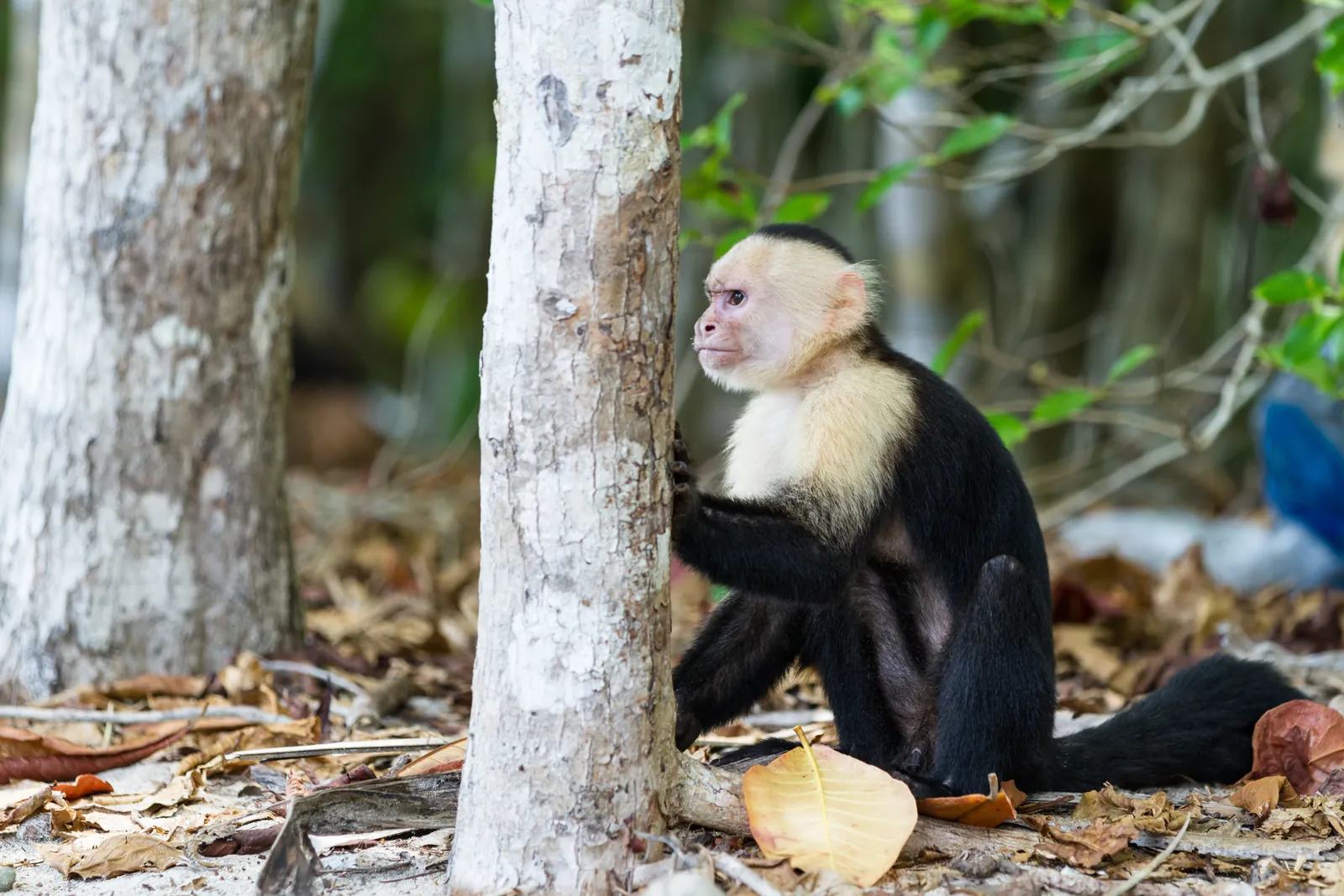
Short answer: with 7 days, do La Fortuna and Arenal Volcano, the Monteverde cloud forest and the beaches and sloths of Manuel Antonio, two nights each. With 10 days, fly into Liberia instead, start with four nights on a Guanacaste beach and finish at Monteverde and Arenal. With 14 days, cross the country from the Caribbean turtle canals of Tortuguero and the reefs of Puerto Viejo to the Pacific, or go south past Manuel Antonio to the wild Osa Peninsula. Shuttles link every stop; a car or a small domestic plane saves time on the long legs.
This guide turns the sample trips on our Costa Rica travel guide into day-by-day plans, with travel times between stops and the best area to sleep each night. To pick your month, see the best time to visit Costa Rica, and for the places themselves, our top 10 places to visit in Costa Rica. For a plan built around your dates and interests, use our AI trip planner. Everything was checked as of October 2026.
The three routes at a glance
| Route | Days | Stops (nights) | Best for |
|---|---|---|---|
| Volcano, cloud forest and beach | 7 | La Fortuna 2, Monteverde 2, Manuel Antonio 2 | First trip, wildlife, a taste of everything |
| Guanacaste and the north | 10 | Tamarindo 4, Monteverde 2, La Fortuna 3 | Sun, beaches and surf lessons, then nature |
| Coast to coast | 14 | Tortuguero 2, Puerto Viejo 3, La Fortuna 3, Monteverde 2, Manuel Antonio 3 | Turtles, Caribbean culture, both oceans |
| Pacific and the Osa Peninsula | 14 | La Fortuna 3, Monteverde 2, Manuel Antonio 3, Uvita 2, Drake Bay 3 | Serious wildlife watchers, whales, Corcovado |
Costa Rica has two international airports: Juan Santamaría (SJO) near San José, the main gateway, and Guanacaste Airport (LIR) at Liberia in the northwest, about an hour from Tamarindo. Flying into one and out of the other, “open-jaw”, often saves a long day on the road. Sleep within reach of each sight rather than moving every night: wildlife is best seen early in the morning, and roads are slow.
Travel times between the main stops
Costa Rica has no long-distance passenger trains, so you move by tourist shuttle (shared minivans with hotel pick-up), public bus, rental car or SANSA’s small planes. Shuttle times below are the ones Interbus, one of the largest licensed shuttle companies, publishes; road times depend on traffic, rain and road works, so treat every figure as approximate.
| Leg | How | Time | Source |
|---|---|---|---|
| San José – La Fortuna | Shared shuttle | about 4 h | Interbus |
| San José – Monteverde | Shared shuttle / car | about 4–5 h / about 3–3.5 h | Interbus |
| La Fortuna – Monteverde | Car or shuttle around the lake / “jeep-boat-jeep” across Lake Arenal | about 3–4 h / about 3 h | Interbus |
| San José – Manuel Antonio | Shared shuttle / car | about 4.5 h / about 3 h | Interbus; our Manuel Antonio guide |
| Monteverde or La Fortuna – Manuel Antonio | Shared shuttle | about 4–5 h (approximate) | Shuttle listings |
| Liberia airport – Tamarindo | Shared shuttle | about 1.5 h | Interbus |
| Liberia – Monteverde | Car | about 3.5 h | Interbus |
| San José – Puerto Viejo | Shared shuttle | about 5 h | Interbus |
| La Pavona dock – Tortuguero village | Public or private boat on the canals | about 1 h (approximate) | Secondary |
| Manuel Antonio – Uvita | Car or bus along the coast | about 1 h (approximate) | Our Manuel Antonio guide |
| San José – La Fortuna, Quepos, Tamarindo, Tortuguero, Drake Bay | SANSA domestic flight | under an hour (approximate) | SANSA routes; flight lengths from schedules |
Tortuguero has no road: you reach it by boat from La Pavona (via Guápiles and Cariari), Caño Blanco or Moín, or by small plane, according to the park authority, SINAC. Most visitors book a package that includes the shuttle from San José, the boat and the lodge; door to door it takes most of a morning.
7 days: Arenal, Monteverde and Manuel Antonio
The classic first loop: volcano and hot springs, cloud forest, then a beach full of monkeys. It works with shuttles alone; a rental car gives more freedom. Best from December to April, when the Pacific is dry and Arenal’s cone is most often clear from February.
- Day 1, San José to La Fortuna: Land at SJO in the morning and take a shuttle north (about 4 hours), or fly SANSA to La Fortuna. Evening soak in the hot springs below the volcano. If you land late, sleep near the airport in Alajuela and leave the next morning. Sleep: La Fortuna town.
- Day 2, Arenal: Early walk on the 1992 lava-flow trails in Arenal Volcano National Park (open 8 a.m.–4 p.m.), the La Fortuna waterfall and its 500 or so steps, then hanging bridges through the canopy in the late afternoon, when birds and sloths are active. Sleep: same.
- Day 3, to Monteverde: The “jeep-boat-jeep” transfer crosses Lake Arenal by boat with a van on each side (about 3 hours), with views of the volcano from the water. Night walk in the forest after dark. Sleep: Santa Elena village.
- Day 4, cloud forest: A guided morning walk in the Monteverde Cloud Forest Reserve (book a time slot; walks start at 7:30 a.m.) or the Santa Elena reserve, then a zip line or a coffee and chocolate tour. Sleep: same.
- Day 5, to Manuel Antonio: Morning shuttle down to the Pacific (about 4–5 hours). Sunset on Playa Espadilla or from a terrace on the hill road. Sleep: the Manuel Antonio hill road or Quepos.
- Day 6, Manuel Antonio National Park: Book the 7 a.m. slot online and a certified guide with a spotting scope for the first two hours, then swim in the park’s coves; the park closes at 3 p.m. and all day on Tuesdays, so plan this day around it. Sleep: same.
- Day 7, home: A morning SANSA flight from Quepos to San José connects with afternoon flights home; by road, allow about 3 hours by car or 4.5 by shuttle, plus a buffer.
Swap it: if you want more beach and less driving, skip Monteverde and spend three nights each in La Fortuna and Manuel Antonio. If your flights use Liberia, swap Manuel Antonio for Tamarindo, about 1.5 hours from the airport. Details on each stop: La Fortuna, Monteverde and Manuel Antonio National Park.
10 days: Guanacaste beaches, Monteverde and Arenal
Fly into Liberia, start with sun and sand in Guanacaste, the driest region, then head inland and fly home from San José. Guanacaste gets almost no rain from December to March, which makes this the best dry-season route; in the green season, it is the region where the rains start last.
- Day 1, Liberia to Tamarindo: Shuttle from the airport (about 1.5 hours) or pick up a rental car there. Sunset on the beach. Sleep: Tamarindo (4 nights).
- Day 2, surf and the estuary: A beginner surf lesson in the morning, a boat trip through the Tamarindo estuary mangroves in the afternoon.
- Day 3, Rincón de la Vieja: A day trip to the volcano’s bubbling mud pots and fumaroles on the Las Pailas trail (the Pailas sector opens Tuesday to Sunday, 8 a.m.–3 p.m.; book online), with hot springs on the way back.
- Day 4, beach day or a catamaran: A snorkel and sail trip, or explore the coves north of town. From October to February, leatherbacks nest on the beaches of Las Baulas National Marine Park next door; go only with a certified guide.
- Day 5, to Monteverde: Shuttle or drive into the mountains (Liberia to Monteverde is about 3.5 hours by car; allow a little more from Tamarindo). Night walk. Sleep: Santa Elena (2 nights).
- Day 6, cloud forest: Reserve walk at opening time, hanging bridges or a zip line in the afternoon.
- Day 7, to La Fortuna: Jeep-boat-jeep across Lake Arenal (about 3 hours). Hot springs in the evening. Sleep: La Fortuna (3 nights).
- Day 8, Arenal Volcano: Lava-flow trails in the national park, the La Fortuna waterfall, and a chocolate or farm tour.
- Day 9, Río Celeste or rafting: A day trip to the sky-blue river and waterfall in Tenorio Volcano National Park (about 1.5–2 hours each way; no swimming), or white-water rafting on a nearby river.
- Day 10, home: Shuttle to San José airport (about 4 hours) or a short SANSA flight from La Fortuna.
Swap it: if return flights from Liberia are cheaper, reverse the loop: La Fortuna first, then Monteverde, and end on the beach. Details: Tamarindo, Monteverde, La Fortuna.
14 days: coast to coast, Caribbean to Pacific
The Caribbean side feels like another country: canals and turtle beaches in roadless Tortuguero, reggae, coconut rice and beans and coral reefs around Puerto Viejo. Timing matters, because the two coasts have different dry spells. February and March suit the whole route, with the Pacific in its dry season and the Caribbean in its first drier spell; leatherback turtles nest at Tortuguero in March and April. In September and October the Caribbean is at its best and green turtles peak, but the Pacific half of the trip is at its wettest.
- Day 1, San José: Arrive; in the afternoon, the National Theatre and the Pre-Columbian Gold Museum, dinner near the Central Market. Sleep: central San José or Alajuela (1 night).
- Day 2, to Tortuguero: Early pick-up for the shuttle to La Pavona and the boat through the canals (or a SANSA flight). Afternoon in the village and the Sea Turtle Conservancy visitor center. Sleep: Tortuguero village or a lodge on the canals (2 nights).
- Day 3, Tortuguero National Park: A dawn canoe or electric boat trip in the side canals for caimans, monkeys and herons, the beach trail (park open 6 a.m.–noon and 1–4 p.m.), and in nesting season a guided night turtle tour; from March 1 to October 31 the beach is closed at night except on guided tours.
- Day 4, to Puerto Viejo: Boat back to the mainland and a shuttle south along the coast. Evening Caribbean dinner. Sleep: Puerto Viejo de Talamanca (3 nights).
- Day 5, Cahuita: Walk the coastal trail in Cahuita National Park and snorkel the reef with a guide (US$5.65 at the Puerto Vargas entrance, or a donation at Playa Blanca in town).
- Day 6, Manzanillo: Cycle the coast road to the jungle beaches of Punta Uva and Manzanillo, or visit an Indigenous BriBri chocolate farm.
- Day 7, to La Fortuna: A long day: shuttle back west through the Central Valley (connections via San José; allow 6 hours or more). Hot springs to recover. Sleep: La Fortuna (3 nights).
- Days 8–9, Arenal: Volcano trails, the waterfall, hanging bridges, and Río Celeste or rafting on the second day.
- Day 10, to Monteverde: Jeep-boat-jeep (about 3 hours). Night walk. Sleep: Santa Elena (2 nights).
- Day 11, cloud forest: Reserve walk at opening, zip line or coffee tour.
- Day 12, to Manuel Antonio: Shuttle down to the Pacific (about 4–5 hours). Sleep: Manuel Antonio hill road or Quepos (2 nights).
- Day 13, the park: Manuel Antonio National Park at 7 a.m. with a guide (not on a Tuesday), then a catamaran or mangrove trip.
- Day 14, home: SANSA from Quepos or the road back to San José airport.
If you are short of a night for Manuel Antonio, take it from Puerto Viejo. Puerto Viejo is also close to the Sixaola border crossing, if you want to add the Bocas del Toro islands in Panama. Details: San José, Tortuguero National Park, Puerto Viejo.
14 days: the Pacific and the Osa Peninsula
For the most wildlife, follow the 7-day loop and keep going south along the Pacific to the Osa Peninsula and Corcovado National Park, which the tourism board calls one of the most biologically rich places on earth. This is a dry-season route (December to April): Corcovado is at its best then, and the trails are muddy and the boat rides rough in the wettest months.
- Days 1–3, La Fortuna: Arrive and head north on day 1; Arenal, the waterfall and hanging bridges on day 2; Río Celeste on day 3. Sleep: La Fortuna (3 nights).
- Days 4–5, Monteverde: Jeep-boat-jeep on day 4, the cloud forest on day 5. Sleep: Santa Elena (2 nights).
- Days 6–8, Manuel Antonio: Shuttle to the coast on day 6, the park with a guide on day 7 (not a Tuesday), a boat trip or the Nauyaca waterfalls on day 8. Sleep: hill road or Quepos (3 nights).
- Days 9–10, Uvita: About an hour south. Walk out on the whale-tail sandbar of Marino Ballena National Park at low tide and, in season, take a whale-watching trip; humpbacks pass from about July to October and December to March. Sleep: Uvita or Dominical (2 nights).
- Day 11, to Drake Bay: Drive or shuttle to Sierpe and take the boat down the river and along the coast to Drake Bay. Sleep: Drake Bay (3 nights).
- Day 12, Corcovado: A full-day guided boat-and-hike trip to the Sirena station; entry with an authorized guide is mandatory. Tapirs, scarlet macaws and all four of Costa Rica’s monkey species are possible.
- Day 13, Caño Island: Snorkel or dive at the Caño Island reserve offshore, or walk the coastal trail between the lodges.
- Day 14, home: SANSA from Drake Bay to San José, then your international flight; leave a buffer, because small-plane flights can be delayed by weather.
Drake Bay lodges are simple and often include meals and tours in package prices; book them and the Corcovado guide together. Details on the first half of the route: La Fortuna, Monteverde, Manuel Antonio National Park.
Where to sleep, by stop
| Stop | Best area for a short stay | Why |
|---|---|---|
| San José | Barrio Amón or near the National Theatre; Alajuela for an early flight | Walk to the museums; Alajuela is minutes from SJO |
| La Fortuna | The town center, or lodges on the road toward the volcano | Town for restaurants and shuttles; lodges for volcano views and hot springs on site |
| Monteverde | Santa Elena village | Shuttles, restaurants and tour pick-ups; the reserves are a short ride away |
| Manuel Antonio | The hill road between Quepos and the park, or Quepos | Ocean views and wildlife in the gardens; Quepos is cheaper and near the bus station |
| Tamarindo | Walking distance of the main beach | Surf schools, restaurants and tours without a car |
| Tortuguero | The village, or a lodge on the canals | The village is cheaper and walkable; lodges sell packages with transport and tours |
| Puerto Viejo | The town, or the coast road toward Playa Cocles and Punta Uva | Town for food and nightlife; the coast road for quieter jungle beaches by bike |
| Uvita and Drake Bay | Near Marino Ballena; lodges along Drake Bay | Close to the whale tail and the Corcovado boats |
Costa Rica has no separate tourist tax on rooms, but hotels and tours add 13% value-added tax, and many quote prices before it: check whether a quote is “con impuestos” (with taxes). More on money and park fees is in our Costa Rica travel guide.
Alternatives by interest
Wildlife watchers
Pick the Osa route and add a night in Monteverde for a second night walk. Hire a certified guide with a scope at every park: they find sloths, frogs and snakes you would walk past. Time the trip to the animals: quetzals in Monteverde from March to June, green turtles in Tortuguero from July to October, leatherbacks at Tortuguero in March and April and at Las Baulas from October to February, and humpback whales off Uvita in the two seasons above. Never feed monkeys or coatis; it is prohibited in protected areas.
Beach lovers and surfers
Base yourself in Guanacaste for a week, splitting it between Tamarindo and a quieter bay, then add three nights at Manuel Antonio. Beginners learn best in Tamarindo, Nosara and at Playa Espadilla; experienced surfers look to Santa Teresa, Dominical and Puerto Viejo’s Salsa Brava reef. Rip currents are common on both coasts and many beaches have no lifeguards, so swim where locals swim. See our Tamarindo guide for the Guanacaste beaches.
Hikers
February to April is the best window for trails. Add Rincón de la Vieja and Río Celeste to the north, a long day in the Monteverde reserves, and, if you are fit, the two-day climb of Chirripó, the country’s highest peak at 3,821 m (12,536 ft), which needs a SINAC permit booked well ahead. Bring a fleece: Monteverde and the volcano summits are cool and windy.
Families
Use two or three bases and private shuttles. La Fortuna (hot springs with kids’ pools, easy hanging bridges) and Manuel Antonio (short flat trails, sloths, calm swimming coves inside the park) are the easiest pair. Children aged 2 to 12 pay a reduced park fee at Manuel Antonio, and SINAC limits each online purchase there to six tickets.
Tips for planning your route
- Match the route to the season. December to April for the Pacific, Guanacaste and Monteverde; September and October for the Caribbean. In the green season (May to November), plan outdoor tours in the morning, as afternoons are often rainy.
- Book park tickets online. Manuel Antonio, Tortuguero, Poás, Irazú and Rincón de la Vieja sell tickets only through SINAC’s website, for a set date and time; they are personal and non-refundable.
- Remember Manuel Antonio’s Tuesday closure. Use Tuesday for a boat trip or a travel day.
- Book the holiday weeks early. Mid-December to early January and Holy Week (March 21–28 in 2027) are the busiest and most expensive weeks, when Costa Rican families fill the beaches.
- Drive in daylight. It is dark by about 6 p.m. all year, and mountain roads are narrow and winding; rental quotes often leave out the compulsory liability insurance, which is added at the counter.
- Pack light for small planes. SANSA allows one personal item of up to 4.5 kg (10 lb) and a checked bag that depends on the fare.
Costa Rica itinerary FAQ
Is 7 days enough for Costa Rica?
Yes for three regions: Arenal, Monteverde and one Pacific beach, two nights each. Adding the Caribbean coast or the Osa Peninsula needs 10 to 14 days, because travel days between regions take four hours or more.
Should I fly into San José or Liberia?
Liberia if your trip is mostly Guanacaste beaches; San José for Manuel Antonio, the Caribbean, the Osa Peninsula and most first-trip loops. Flying into one and out of the other works well for the 10-day route.
Do I need a car in Costa Rica?
No. Shared tourist shuttles with hotel pick-up link every stop in these plans, and SANSA flights cover the long legs. A car gives more freedom in Guanacaste and on the Caribbean coast; drive in daylight and never leave luggage in a parked car.
How do I get from La Fortuna to Monteverde?
The “jeep-boat-jeep” transfer, a van, a boat across Lake Arenal and another van, takes about 3 hours; the road around the lake takes about 3 to 4 hours by car or shuttle.
Can I see both coasts in one trip?
Yes, with two weeks. The coast-to-coast route spends five nights on the Caribbean and the rest inland and on the Pacific. February and March are the best months to do both, as each coast is in a drier spell.
Is Costa Rica worth visiting in the rainy season?
Yes, with a plan: mornings are often clear on the Pacific side and in the mountains, prices are lower, and the Caribbean coast is at its driest in September and October. Expect some closed lodges in those two months on the Pacific.
How many nights should I spend in each place?
Two nights at a minimum in each stop, so you get one full day without travel, and three in La Fortuna, Manuel Antonio or Puerto Viejo if you want a slower pace.
Sources
Researched and last reviewed by TravelerCenter on 8 October 2026. Shuttle and road times come from Interbus’s published route information and are approximate; Monteverde–Manuel Antonio, the Tortuguero boat and SANSA flight lengths come from booking listings and flight schedules and are approximate. Park hours, fees, online tickets, Tortuguero access and night beach rules come from SINAC; Corcovado’s guide rule from the Costa Rica Tourism Board (ICT); domestic routes and baggage from SANSA; seasons from the National Meteorological Institute (IMN) and our best-time guide; taxes and driving rules from the ICT. Timetables, fares and rules change, so check with the operator before you travel.
Data: Wikidata (CC0)