Short answer: the best time to visit Panama is the dry season, which Panama’s weather service dates from December 16 to May 15: Panama City, the canal, the Pacific beaches and the San Blas Islands get sunny, breezy days, and January to March are the safest bets. The trade-off is price and crowds, highest at Christmas, Carnival and Easter. Bocas del Toro, on the Caribbean, works on its own calendar and often has its best weather in September and October, when the rest of the country is wettest.
This page explains Panama’s two seasons, what each month is like on each coast and in the highlands, and which weeks book up first, as of October 2026. For entry rules, money, the canal and getting around, see our Panama travel guide, and plan your days with our AI trip planner.
Best time to visit Panama at a glance
| Goal | Best months | Why |
|---|---|---|
| Best weather (Panama City, the canal, the Pacific) | Mid-December to mid-May, especially January to March | The dry season, with northeast trade winds and sunny days |
| Bocas del Toro and the Caribbean islands | September and October; February and March | The archipelago’s usual drier spells; it can rain in any month |
| San Blas Islands (Guna Yala) | January to April | Drier weather and steady trade winds on the Caribbean coast |
| Boquete and the highlands | December to April | Drier, sunnier days for coffee farms and hikes, with windy, misty spells |
| Lowest prices and fewest crowds | May to November, outside the November holidays | The green season: lower rates, quieter islands, afternoon rain |
| Whale watching | About July to October | Humpback whales in the Gulf of Chiriquí and the Pearl Islands |
| Sea turtles in Bocas del Toro | May to October, peak July and August | Nesting season on the islands and the mainland beaches |
| Quetzals in Boquete | Late February to April | The best months to see them, according to Panama’s tourism authority |
| Festivals | February (Carnival) and November (patriotic holidays) | The country’s two biggest celebrations |
Panama weather month by month
Weather month by month
The climate table shows average daily highs and lows and monthly rain by month. The seasons on this page follow Panama’s Institute of Meteorology and Hydrology (IMHPA): based on its 1981–2010 climate normals, the dry season normally runs from December 16 to May 15 and the rainy season from May 16 to December 15, and October is the rainiest month of the year. Temperatures barely change through the year: Panama City is hot, about 30–33 °C (86–91 °F) by day in every month, while Boquete, in the highlands, ranges from about 12 to 30 °C (53 to 86 °F), according to Panama’s tourism authority (ATP). The Caribbean side gets rain in every month and does not follow the Pacific’s neat calendar.
Panama month by month
January
The heart of the dry season on the Pacific side: sunny, breezy and dry in Panama City, with the trade winds keeping the heat bearable. It is high season, with full hotels in the first week, and in the highlands the coffee harvest is under way; Boquete usually holds its Flower and Coffee Fair in January, and Panama City its jazz festival. Martyrs’ Day, January 9, is a national day of mourning. A very good month for the San Blas Islands.
February
Still dry and windy on the Pacific, and one of the best months for the San Blas Islands and the beaches. Carnival takes over the four days before Ash Wednesday: in 2027 it runs from Saturday, February 6 to Tuesday, February 9, with the biggest parties in Las Tablas and Panama City. Beaches, buses and hotels fill, so book early. In Bocas del Toro, February and March are often a drier spell, and leatherback turtles start arriving from mid-February.
March
Hot, dry and sunny on the Pacific side, with the land browning before the rains. Quetzals are easiest to see in the Boquete cloud forest from late February to April, and the coffee harvest ends. Holy Week is a big travel week for Panamanians: in 2027, Good Friday falls on March 26, so expect busy beaches and buses that week.
April
The last full month of the dry season and often the hottest. The trade winds weaken, and the first showers can arrive late in the month. Prices start to fall after Easter. A good month for the Pacific beaches and for hikes in the highlands before the rains.
May
The rainy season starts around May 15. On the Pacific side, mornings are usually sunny and storms build in the afternoon and evening. Prices drop, the islands are quiet, and in Bocas del Toro the turtle nesting season begins; according to the ATP, leatherbacks nest from mid-February to July, with May the best month. Labor Day, May 1, is a national holiday.
June
Afternoon rain is the pattern, but the IMHPA notes a short dry spell, the “veranillo de San Juan”, usually around June 24. Green landscapes, low prices and good surf on the Pacific side. A quiet month for the canal and Casco Viejo, with fewer tour groups.
July
Rainy afternoons on the Pacific side and one of the wetter months on the Caribbean. Humpback whales arrive in the Gulf of Chiriquí and around the Pearl Islands from about July, and turtle nesting peaks in Bocas del Toro in July and August, according to the ATP. Some North American summer travelers, but crowds stay modest.
August
Wet afternoons continue across most of the country, and whale-watching season is in full swing. Turtle nesting is still at its peak in Bocas del Toro. Panama City celebrates its founding on August 15. Prices remain low.
September
On the Pacific side, the rains get heavier as the season heads toward its peak. On the Caribbean side it is the opposite: September and October are often the driest, calmest months in Bocas del Toro, good for snorkeling and island-hopping. Migrating birds start passing through the highlands from September to November.
October
The rainiest month of the year in Panama, according to the IMHPA, so plan Pacific-side days around morning sunshine. It is still a good month for Bocas del Toro, and the whale season winds down. Portobelo’s Black Christ festival brings pilgrims to the Caribbean coast in October. In 2026, an El Niño event means the IMHPA expects below-normal rain for most of the country from October to December, with near- or above-normal rain in parts of Bocas del Toro and the Chiriquí highlands.
November
Still rainy, but November is “the month of the homeland”, with parades on November 3 (Separation from Colombia), November 4 (Flag Day), November 5 (Colón Day, mainly in Colón), November 10 (the First Cry of Independence in Villa de Los Santos) and November 28 (Independence from Spain). Many Panamanians travel, so book buses and beach hotels for those dates.
December
The rains ease through the month, and the dry season officially starts around December 16, with the trade winds returning. Mother’s Day, December 8, is a holiday, and from mid-December the busiest, most expensive weeks of the year begin, running past New Year. Book island lodging and domestic flights well ahead. The Caribbean coast is often wet in December.
Best time to visit by region
Panama City and the Panama Canal
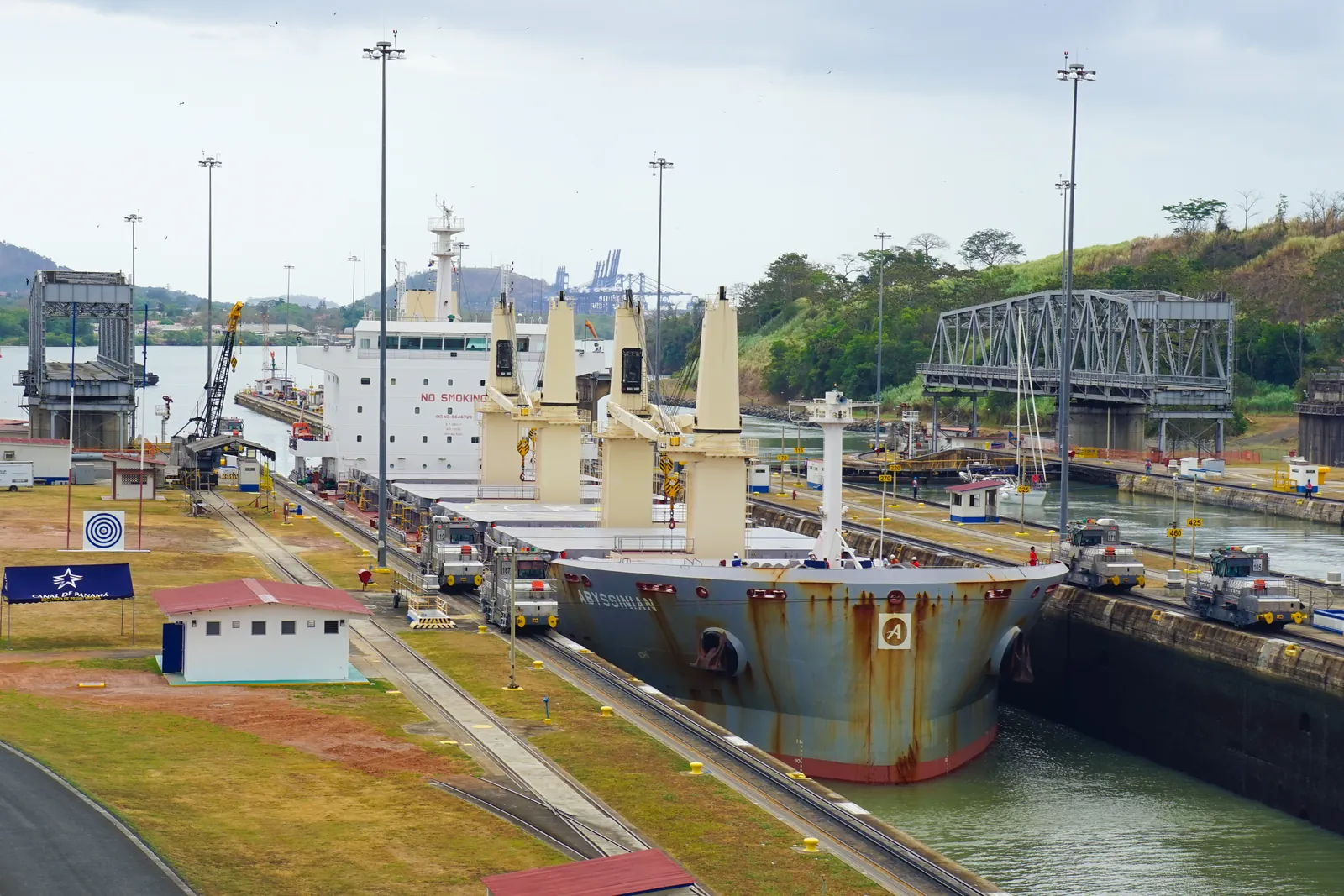
Best from mid-December to April, when the city is sunny and breezy and the Amador Causeway and Casco Viejo are pleasant to walk. In the rainy season, plan outdoor sights for the morning and the canal and museums for wet afternoons. Ships don’t pass Miraflores all day, so check the canal authority’s daily viewing times before you go. See our Panama City guide.
Bocas del Toro
The archipelago has no true dry season. Its drier spells usually come in September and October and in February and March, and the heaviest rain tends to fall around November to January and in July. The sea stays at about 26 °C (79 °F) all year, according to the ATP. Come from May to October for turtles, and from December to March for the biggest surf. See our Bocas del Toro guide.
The San Blas Islands (Guna Yala)
Best from about January to April, when it is drier and the trade winds blow steadily; the same winds can make the boat ride rough, so a calm morning crossing is worth waiting for. From May to December it rains more, but the islands are quieter. The Guna authorities set their own rules and fees in any season. See our San Blas Islands guide.
Boquete and the Chiriquí highlands
December to April brings the driest weather for coffee tours, the Quetzal Trail and the Volcán Barú summit, though the IMHPA notes that mist and drizzle (the local “bajareque”) blow over from the Caribbean in the dry season. The coffee harvest runs from December to March, according to the ATP. From May to November, afternoons are rainy and trails muddy. See our Boquete guide.
Best time for beaches, snorkeling, whales and hiking
Beaches and island stays
On the Pacific side and in San Blas, December to April. In Bocas del Toro, September and October or February and March. Rain falls mostly in the afternoon, so even the green season gives good beach mornings. More ideas in our beaches guide.
Snorkeling and diving
Bocas del Toro’s reefs are at their calmest and clearest in September and October; on the Pacific, Coiba National Park is dived all year. Scuba tanks are banned in Guna Yala, so San Blas is for snorkeling only. See our snorkeling and diving guides.
Whale watching
Humpback whales visit the Gulf of Chiriquí and the Pearl Islands from about July to October; boat trips leave from Boca Chica, Pedasí and Panama City. See our boat trips guide.
Hiking and birdwatching
December to April for Volcán Barú and the Quetzal Trail, with quetzals easiest to see from late February to April. Soberanía National Park, near the canal, is good all year for birding early in the morning. More in our hiking guide.
Surfing
Bocas del Toro’s reef breaks work best from about December to March; on the Pacific, Santa Catalina and Playa Venao get their best swells in the rainy season. See our surfing guide.
Seasons to plan around
The rainy season, mid-May to mid-December: on the Pacific side, rain usually comes as heavy afternoon and evening storms after sunny mornings, and October is the wettest month. Plan sightseeing and boat trips for the morning, and allow for small-plane delays in the afternoon. Mosquito-borne diseases such as dengue are more common in the rains, so pack repellent.
The Atlantic hurricane season, June 1 to November 30: Panama lies south of the usual hurricane tracks and storms rarely hit it directly, but passing systems can bring heavy rain and rough seas to the Caribbean coast. Check sea conditions before boat trips to San Blas and Bocas del Toro.
El Niño in 2026–27: the IMHPA declared an El Niño alert on May 12, 2026, and expects it to continue into early 2027, with a drier, hotter end to the rainy season on the Pacific side. Follow the IMHPA’s monthly bulletins for updates.
Dates that fill everything: mid-December to early January, Carnival (February 6–9, 2027), Holy Week (Good Friday is March 26, 2027) and the November patriotic holidays (November 3, 4, 10 and 28). Book domestic flights, island lodging and buses early; banks and offices close on these days.
How long to stay
Ten days to two weeks is ideal: three days in Panama City and the canal, three in Boquete and three or four in Bocas del Toro or San Blas. Five days covers the city and two nights on a San Blas island. In the rainy season, keep mornings for outdoor plans and add a spare day for weather on the islands. Our Panama travel guide has sample 5-day, 10-day and two-week itineraries.
Best time to visit Panama: FAQ
What is the best month to visit Panama?
For most first trips, February or March: dry, sunny weather in Panama City, the Pacific and San Blas, and quetzal season in Boquete. Book ahead if your dates include Carnival or Holy Week.
What is the cheapest time to go to Panama?
The green season, from mid-May to November, outside the November holidays. Hotels and tours cut their rates, and the islands are quiet; expect afternoon rain.
What is the rainiest month in Panama?
October, according to Panama’s weather service, the IMHPA. On the Caribbean coast, the heaviest rain usually falls around November to January.
Is the rainy season a good time to visit Panama?
Yes, if you plan around it. Mornings are often sunny, the forests are green and prices are lower. September and October are also the best months for Bocas del Toro.
When is hurricane season in Panama?
The Atlantic hurricane season runs from June 1 to November 30, but Panama is south of the usual storm tracks and is rarely hit directly. Passing storms can bring rain and rough seas to the Caribbean coast.
When is whale season in Panama?
Humpback whales visit the Pacific coast from about July to October, especially the Gulf of Chiriquí and the Pearl Islands.
Is December a good time to visit Panama?
The second half is: the dry season begins around December 16 and the trade winds return. It is also the start of the busiest, priciest weeks of the year, so book early.
Sources · last reviewed 9 Oct 2026
Researched and last reviewed by TravelerCenter on 8 October 2026. Dry and rainy season dates, the veranillo de San Juan, October as the rainiest month, trade winds, highland microclimates and the 2026 El Niño outlook come from Panama’s Institute of Meteorology and Hydrology (IMHPA); Boquete and Bocas del Toro temperatures, the coffee harvest, quetzal and bird seasons and turtle nesting seasons from Panama’s tourism authority (ATP); hurricane season from NOAA’s National Hurricane Center. Caribbean drier spells, Pacific temperatures, whale and surf seasons, the Boquete fair, the Panama Jazz Festival and the Black Christ festival come from secondary sources or general knowledge and are flagged for checking; Carnival and holiday dates follow Panama’s holiday law, with 2027 dates calculated from Easter. Check event dates and sea conditions locally before you travel.
Also: IMHPA normals 1971–2000, Panama City (WMO World Weather Information Service) (climate)
Data: Wikidata (CC0)