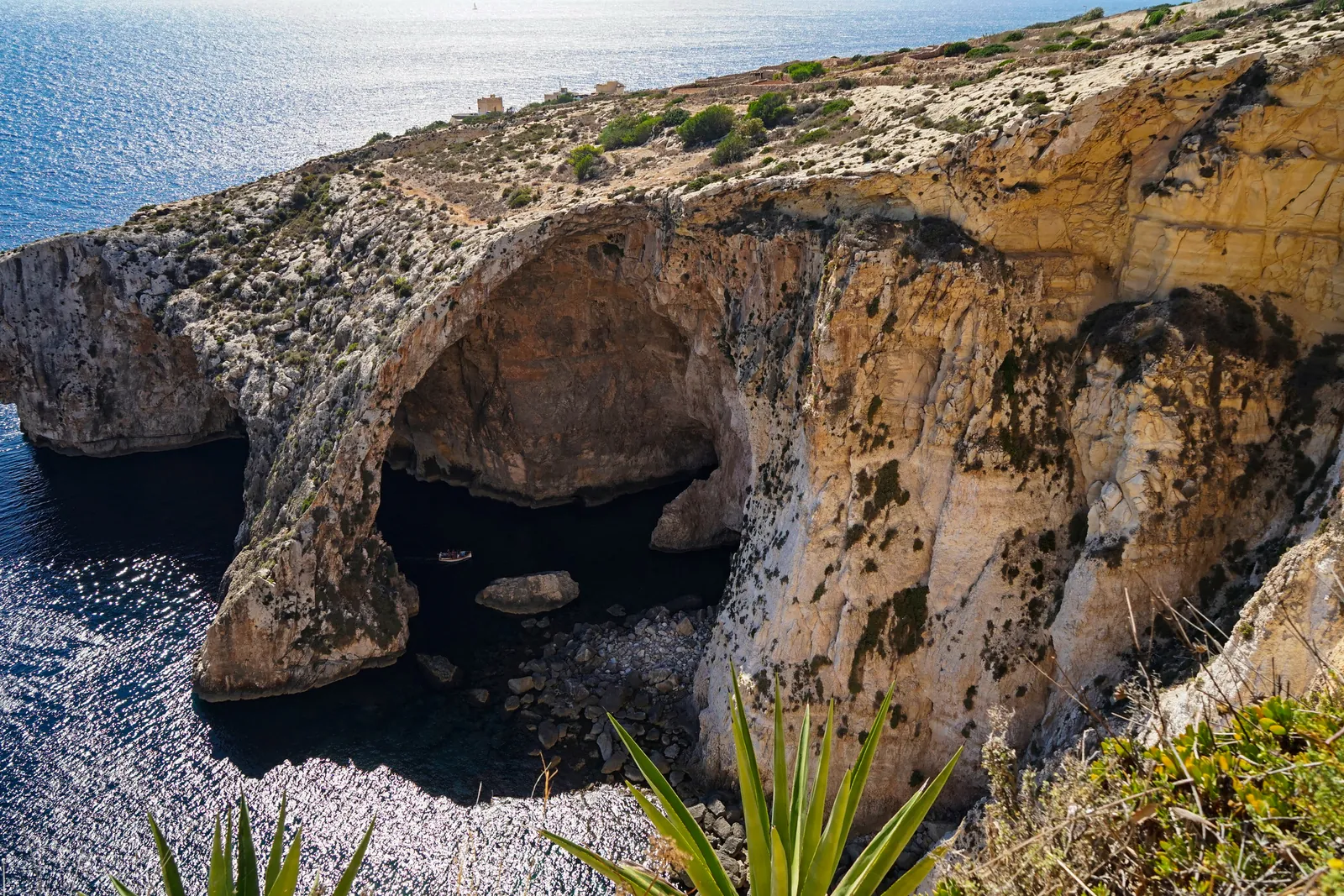
Short answer: the best time to visit Malta is April to June and late September to early November: warm, sunny days, open beaches and boat trips, and far smaller crowds than in July and August. July and August are the hottest, driest and busiest months, with the warmest sea, village festas and the highest prices. Winter is mild and quiet, good for Valletta’s museums and walking, but too cool for most swimmers.
This page explains Malta’s weather, sea and seasons month by month, with festivals, public holidays, winds and the weeks that book up first, as of October 2026. For ferries, buses, the eco-contribution and entry rules, see our Malta travel guide, and plan your days with our AI trip planner.
Best time to visit Malta at a glance
| Goal | Best months | Why |
|---|---|---|
| Best overall | April to June, late September to October | Warm and sunny, a swimmable sea from June, fewer crowds |
| Beaches and swimming | June to October | The sea is warm enough for most swimmers, warmest in August |
| Diving and snorkeling | June to November | Warm water and excellent visibility; autumn seas are still warm |
| Sightseeing in Valletta, Mdina and the temples | March to May, October to November | Comfortable temperatures for walking in the stone towns |
| Walking and hiking | November to May | Green countryside, wildflowers and cool days on the cliffs |
| Fewest crowds and lowest prices | November to March (outside Christmas and Easter) | Mild, quiet and cheaper, with sights, buses and ferries running all year |
| Festas and fireworks | June to September; late April | Village feasts with processions and fireworks; the Fireworks Festival over the Grand Harbour |
| Carnival | February | Parades in Valletta and Floriana and the wildest carnival in Nadur on Gozo |
| Nightlife | June to September | St Julian’s and Paceville at full volume |
Malta weather month by month
Weather month by month
The climate table shows average monthly temperatures and rain at Malta International Airport in Luqa, the islands’ main weather station, run by the Malta Met Office. The German Weather Service’s (DWD) official climate table for Luqa, based on 1961–1990 records, gives average highs of about 15 °C (59 °F) in January and 31 °C (87 °F) in July and August, nights of about 9 °C (49 °F) in January and 22 °C (71 °F) in August, and only about 550 mm (22 in) of rain a year, almost none of it from June to August. December is the wettest month, with about 112 mm (4.4 in) in that period. Summers have grown hotter since then: 1991–2020 averages for Luqa put August highs at about 32 °C (90 °F). Malta is one of the sunniest places in Europe, with close to 12 hours of sunshine a day in July, and the sea averages about 25 °C (77 °F) in August and 14–15 °C (57–59 °F) in late winter.
Malta month by month
January
Mild, with highs of about 15–16 °C (59–60 °F), sunny spells between showers and some of the year’s wettest weather. The gregale, a strong north-easterly, can whip up waves in the harbors and occasionally delay ferries. Hotels are at their cheapest, and Valletta‘s museums are quiet; Heritage Malta sites close on January 1, a public holiday.
February
Still mild and showery, with highs of about 16 °C (60 °F) and almond blossom in the countryside. Carnival fills Valletta and Floriana with floats and costumes in the days before Ash Wednesday, which falls on February 10 in 2027, and Nadur on Gozo holds the islands’ wildest carnival. February 10 is also the feast of St Paul’s Shipwreck, a public holiday.
March
Spring arrives, with highs of about 17 °C (63 °F), green fields and wildflowers: ideal for walking the Dingli Cliffs or Gozo’s coast. St Joseph’s Day (March 19) and Freedom Day (March 31) are public holidays. In 2027, Holy Week processions take place from March 21 to 28, with Good Friday on March 26, when Heritage Malta’s sites close; Easter is busy with visitors from Britain and Ireland.
April
One of the best months: highs of about 19–20 °C (66–68 °F), little rain and long, bright days. The Malta International Fireworks Festival usually lights up the Grand Harbour in late April. The sea is still cool for most swimmers, but boat trips to Comino and the Blue Grotto run again.
May
Warm and dry, with highs of about 23–24 °C (73–75 °F) and almost no rain. Labour Day (May 1) is a public holiday. Beaches and lidos open for the season, and by late May the sea is swimmable for many. A great month for sightseeing before the summer heat.
June
Hot and sunny, with highs of about 28–29 °C (82–84 °F), and the sea warm enough for most swimmers. Village festas begin, Sette Giugno (June 7) and St Peter and St Paul (June 29) are public holidays, and the Mnarja harvest festival is held in Buskett Gardens at the end of the month. One of the best months for beaches before the July and August crowds.
July
Very hot and dry, with highs of about 31–32 °C (88–90 °F), almost no rain and close to 12 hours of sunshine a day; heatwaves of 38–40 °C (100–104 °F) have become more frequent. Peak season begins: the Blue Lagoon, Golden Bay and Valletta are packed, and prices are at their highest. Festas with fireworks take place almost every weekend.
August
As hot as July, with the warmest sea of the year, around 25–27 °C (77–81 °F). The Assumption (August 15), Santa Marija, is a public holiday and the peak of the festa season, when many Maltese families take their holidays and Gozo ferries are full. Sightsee early and late, and keep the middle of the day for the sea.
September
Still hot early on, with highs of about 28 °C (82 °F) and the sea at its warmest, but crowds thin once schools reopen. The first autumn thunderstorms arrive, sometimes heavy. Victory Day (September 8) and Independence Day (September 21) are public holidays. A good month for diving, with warm water and clear visibility.
October
Warm and pleasant, with highs of about 24–25 °C (75–77 °F), a sea still warm enough for swimming and far fewer people. Rain picks up, often in short, heavy storms. Valletta’s Notte Bianca arts night is usually held on the first Saturday in October, and the opera season begins in Victoria on Gozo.
November
Mild, with highs of about 20–21 °C (68–70 °F) and the sea still swimmable for many in early November, but more rain and wind. Prices drop and some beach clubs and boat trips stop for the winter. Good walking weather returns.
December
Mild but wet, with highs of about 17 °C (63 °F) and, in the long-term record, the year’s heaviest rain. Valletta and the villages are decorated with lights and nativity scenes. The Immaculate Conception (December 8), Republic Day (December 13) and Christmas Day are public holidays, and Heritage Malta sites close on December 24, 25 and 31.
Best time to visit by destination
Valletta and the Three Cities
March to June and October to November, when the stone streets are comfortable for walking; summer heat lingers into the evenings, and cruise passengers crowd the center. Winter is quiet and atmospheric, with Christmas lights and Carnival. See our Valletta guide.
St Julian’s and Sliema
May, June, September and October are the sweet spot for swimming without the crush; July and August bring the busiest beaches and Paceville at full volume. In winter, the gregale can send waves over the promenade. See our St Julian’s guide.
Gozo and Comino
April to June for green fields, wildflowers and walking; September and October for the warmest sea and the opera season. July and August are busy, as Maltese families move to their Gozo summer homes and weekend ferries are full. Comino’s Blue Lagoon is calmest early in the morning or late in the day. See our Gozo guide.
Best time for beaches, diving, walking and festivals
Beaches and swimming
June to October, with the warmest sea in August and September. Most of the coast is rock, with a few sandy bays such as Golden Bay, Mellieħa and Ramla on Gozo. Book a free slot to go ashore at the Blue Lagoon, which uses an online booking system. See our beaches guide.
Diving and snorkeling
June to November, when the water is warm and visibility is excellent; Gozo and Ċirkewwa are the favorite sites. Winter diving is possible in a thicker wetsuit, but the gregale can stop boat dives. See our diving and snorkeling guides.
Walking
November to May, when the countryside is green and the days are cool; avoid long walks in the midday heat from June to September. See our hiking guide.
Festivals
February for Carnival, Holy Week for processions, late April for the Fireworks Festival, June to September for village festas, and October for Notte Bianca and the Gozo opera season.
Seasons to plan around
The summer peak, July and August: the busiest and most expensive months, with packed beaches, full Gozo ferries at weekends and booked-out boat trips to Comino. Book accommodation early.
Heat: heatwaves of 38–40 °C (100–104 °F) have become more frequent in July and August. Sightsee in the morning and evening, carry water and use sun protection.
Winds: the gregale, a strong north-easterly mostly in winter, can delay or cancel boat trips, the Blue Grotto boats and occasionally the Gozo fast ferry; the xlokk from the south-east brings hot, humid, hazy air.
Busy holidays: Easter and the autumn half-term holidays in Britain and Ireland bring extra visitors. Malta has 14 public holidays; Heritage Malta’s museums and sites close on January 1, Good Friday and December 24, 25 and 31.
Winter services: Malta does not shut down in winter: hotels, museums, buses and ferries run all year, though some beach clubs and boat trips stop from November to March, and the late-night Sliema and Valletta ferries run only from June 1 to October 31.
How long to stay
Four days covers Valletta, Mdina and a day on Comino or Gozo; a week allows three nights on Gozo; ten days adds diving, coastal walks or a day trip to Sicily. Our Malta travel guide has sample 4-, 7- and 10-day itineraries.
Best time to visit Malta: FAQ
What is the best month to visit Malta?
May or October: warm, sunny weather, few crowds and, in October, a sea still warm enough to swim.
When is the sea warm enough to swim in Malta?
From about June to early November. It is warmest in August, at around 25–27 °C (77–81 °F).
What is the rainiest month in Malta?
December, in the long-term record: about 112 mm (4.4 in) at Luqa in DWD’s 1961–1990 table and about 94 mm (3.7 in) in 1991–2020 averages. Almost all of Malta’s rain falls from September to March.
What is the cheapest time to go to Malta?
November to March, outside Christmas, New Year and Easter. Unlike many Mediterranean resorts, Malta stays open in winter.
Is Malta too hot in August?
It is hot, with highs of about 31–32 °C (88–90 °F) and heatwaves of 38–40 °C (100–104 °F) in some years, and busy. If you want to swim without the heat and crowds, come in June or September.
Is winter a good time to visit Malta?
For sightseeing, walking and value, yes: highs of about 15–17 °C (59–63 °F), quiet museums and low prices. Expect rain showers and wind, and the sea is too cool for most swimmers.
Sources · last reviewed 9 Oct 2026
Researched and last reviewed by TravelerCenter on 8 October 2026. Long-term temperatures, rain, sunshine and sea temperature for Malta International Airport at Luqa come from the German Weather Service’s (DWD) official climate table (1961–1990); recent 1991–2020 averages for Luqa come from published Malta Met Office records as cited in our Malta guide and are flagged for checking; Heritage Malta closing days from Heritage Malta; ferry seasons from Valletta Ferry Services; the Blue Lagoon booking system from the Malta Tourism Authority; public holidays from Maltese law, with 2027 Easter and Ash Wednesday dates calculated. Festival timing, winds, heatwaves and crowd and price patterns come from our country and destination guides and are general. Check event dates before you travel.
Data: Wikidata (CC0)