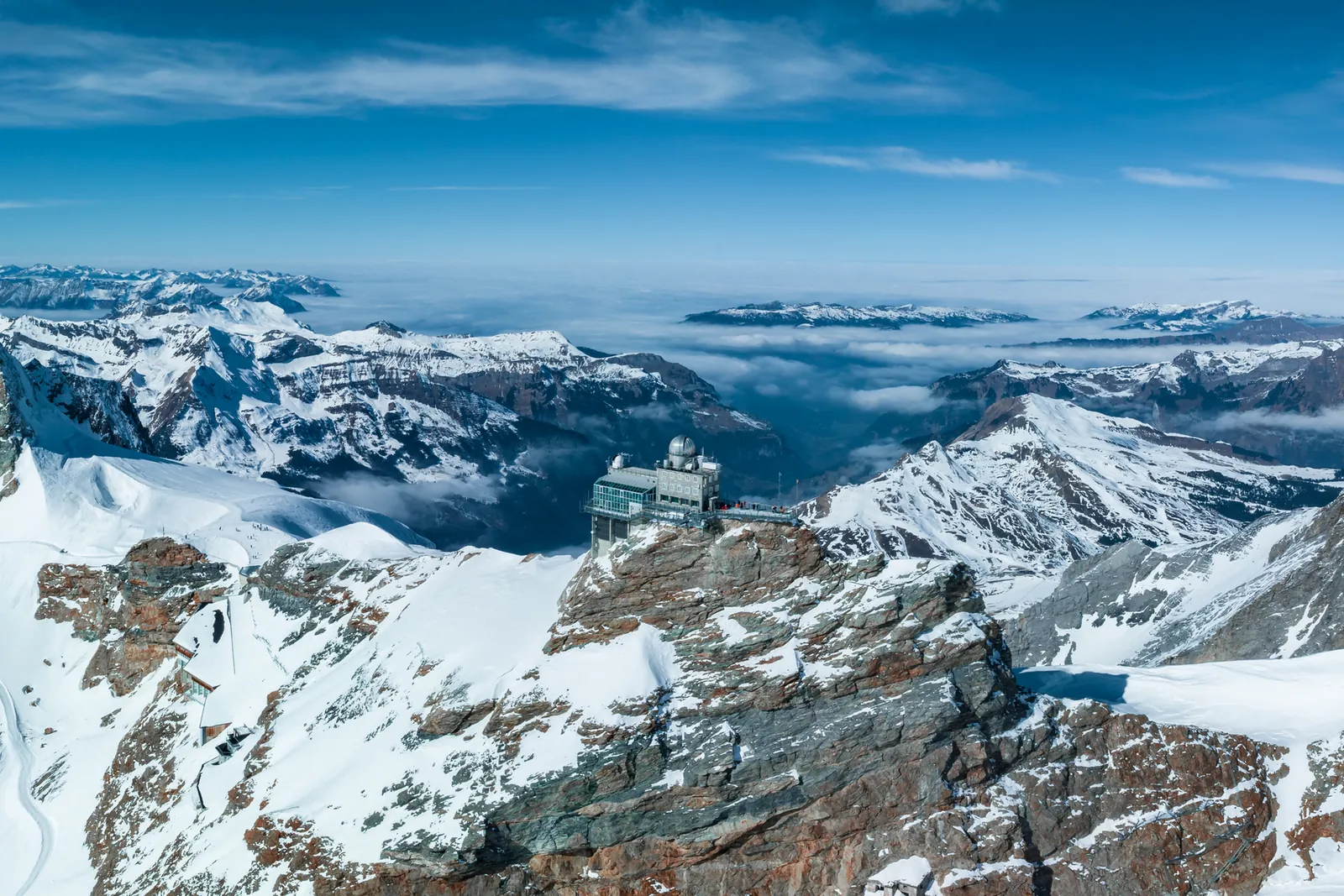
Short answer: On the ground in Switzerland, plan on roughly CHF 80–145 (about $95–175) per person per day on a youth-hostel-and-supermarket budget, CHF 230–320 (about $275–385) in a three-star or average hotel, and from about CHF 675 (about $815) for five-star comfort. A week therefore costs about $675–1,225 on a tight budget, $1,940–2,700 mid-range and from about $5,700 in luxury, before flights. Switzerland is one of the most expensive countries in the world to travel in, but a rail pass and some smart choices make it manageable.
Everything in Switzerland is priced high: rooms, restaurant meals, mountain railways. In return you get spotless trains that run on time, lake boats, and some of the most spectacular scenery in Europe, much of which costs nothing to enjoy from a trail or a lakeshore. The big costs are where you sleep, how many mountain excursions you take and how you pay for transport. This guide breaks it all down with figures from official sources, so you can build a realistic budget for your trip to Switzerland. Prices in dollars are rounded at about CHF 0.83 to the US dollar (so CHF 1 is about $1.20), the Federal Reserve’s rate in early October 2026; use our Money exchange tool for today’s rate.
Switzerland daily costs at a glance
These example days are built from the sourced prices further down this page: one person, one day based in a city such as Zurich or Lucerne. They leave out flights, long mountain excursions, shopping and nightlife.
| Per person, per day | Budget | Mid-range | Comfort |
|---|---|---|---|
| Bed | Youth hostel bed in a six-bed room: CHF 48–58 | Average hotel night per guest, three-star to all hotels: CHF 108–140 | Five-star hotel night per guest: about CHF 410 |
| Food | Two cheap meals (fast-food combo to simple restaurant meal): CHF 30–60 | One simple meal, half of a CHF 120 dinner for two, a coffee: about CHF 95 | Lunch, half of a CHF 200 dinner for two, drinks: about CHF 160 |
| Local transport | City tickets, or free with a visitor card: CHF 0–10 | City tickets, or a Saver Day Pass with Half Fare Card: CHF 10–50 | 8-day Swiss Travel Pass per day: about CHF 55 |
| Sights | Free lakeshores, old towns, churches: CHF 0–15 | One museum or castle: CHF 15–35 | About CHF 50 |
| Total | About CHF 80–145 ($95–175) | About CHF 230–320 ($275–385) | From about CHF 675 ($815) |
Hotel figures are the Federal Statistical Office’s average revenue per overnight stay in 2025, that is per guest per night, not per room; hostel prices are Swiss Youth Hostels rates in Graubünden; restaurant prices are typical October 2026 Zurich prices from the crowd-sourced Numbeo index. Treat them as typical ranges, not quotes. A single day trip up a big mountain such as the Jungfraujoch, above Interlaken, can add more than CHF 100 on top.
What visitors actually spend in Switzerland
Switzerland Tourism’s visitor survey, the Tourism Monitor Switzerland, measured average daily spending of CHF 280 (about $340) per day for visitors from the United States, excluding travel to and from Switzerland. That figure dates from the 2017 survey, still the latest one Switzerland Tourism cites in its 2024 market report, so today’s spending is likely higher. The same report shows that 61% of American hotel nights in Switzerland are spent in four- and five-star hotels, which helps explain the high average.
On our Travel costs by country scale, which compares hotel, restaurant and transport prices with the United States (US = 100), Switzerland scores 161, in our top band, “very expensive”, and second only to Iceland among the 147 countries we track. In plain words, a hotel night, a meal out or a train ride costs on average about 60% more than in the United States.
Accommodation costs
Swiss hotels earned an average of CHF 139.80 per overnight stay in 2025, according to the Federal Statistical Office: just under CHF 152 in the big cities, just under CHF 145 in the mountains, about CHF 132 in other towns and about CHF 106 in the countryside. Three-star hotels averaged CHF 108 per night and five-star hotels about CHF 410. Because these are per guest, a couple should roughly double them for a room.
Youth hostels are the classic budget option. In Graubünden, a bed in a six-bed room starts from about CHF 48; the Scuol youth hostel lists CHF 57.60 per person, including the daily Hostelling International membership. Prices are highest in winter in ski resorts such as Zermatt and St. Moritz, and in summer in Lucerne and the Bernese Oberland.
Food and drink costs
Eating out is where many visitors feel Swiss prices most. Numbeo’s October 2026 figures for Zurich show a meal at an inexpensive restaurant at about CHF 29 (range CHF 20–50), a three-course dinner for two at a mid-range restaurant, without drinks, at about CHF 120 (range CHF 100–200), a fast-food combo at CHF 15, a half-liter of local draft beer at CHF 8 and a cappuccino at about CHF 5.80. Supermarkets, bakeries and takeaway counters are the budget traveler’s friend, and picnics with a lake or mountain view are a Swiss tradition.
Swiss Travel Pass vs Half Fare Card
Transport is the decision that shapes a Switzerland budget. There are two main visitor options from the Swiss railways (SBB):
| Ticket (2nd class, adult, 2026 prices) | Price | What you get |
|---|---|---|
| Swiss Half Fare Card | CHF 150 (1 month) | Up to 50% off trains, buses, boats and most mountain railways |
| Swiss Travel Pass, 3 days | CHF 254 | Unlimited trains, buses and boats; free museums; free or discounted mountain trips |
| Swiss Travel Pass, 4 days | CHF 309 | As above |
| Swiss Travel Pass, 6 days | CHF 399 | As above |
| Swiss Travel Pass, 8 days | CHF 439 | As above |
| Swiss Travel Pass, 15 days | CHF 499 | As above |
First-class passes cost CHF 405 for 3 days up to CHF 787 for 15 days, and youth passes are cheaper. SBB lists these prices as valid until 31 December 2026, so check again for travel in 2027. The Swiss Travel Pass is sold to visitors who live outside Switzerland and Liechtenstein.
Which one pays off? The Swiss Travel Pass suits people who move every day or two and want lake boats and museums included. The Half Fare Card suits slower trips from one or two bases, especially combined with SBB’s Saver Day Pass, which gives a day of unlimited travel from CHF 52, or from CHF 29 with a Half Fare Card, when booked at least a day ahead. Some excursions are fully covered by the Swiss Travel Pass, including Mount Rigi and the lake boats around Lucerne.
Mountain excursions and scenic trains
The famous mountain trips are often the single biggest line in a Swiss budget, so price them before you go:
- Jungfraujoch: return tickets from Grindelwald Terminal start from CHF 129.60, plus a CHF 10 seat reservation that the railway strongly recommends. The Jungfrau Travel Pass costs from CHF 210 for 3 days (CHF 165 with a Half Fare Card or Swiss Travel Pass) and gives a discounted Jungfraujoch ticket.
- Mount Rigi: a Rigi day pass costs CHF 84, and is free with the Swiss Travel Pass.
- Glacier Express: the full Zermatt to St. Moritz route costs CHF 159 in second class with the standard fare, plus a compulsory seat reservation of CHF 54. There is no service from 11 October to 4 December 2026.
- Schilthorn: return from Stechelberg CHF 115, or CHF 45.70 with a Swiss Travel Pass.
Sightseeing fees and free things to do
| Sight | Adult entry |
|---|---|
| Swiss National Museum, Zurich | CHF 13 (free under 16) |
| Chillon Castle, near Montreux | CHF 15 |
| Kunstmuseum Basel | CHF 25 (free with the Swiss Travel Pass) |
| Matterhorn Museum, Zermatt | CHF 12 (free with the Swiss Travel Pass) |
| Bern Minster tower | CHF 6 |
Many of the best Swiss experiences are free: walking the old towns of Bern and Lucerne, swimming in Zurich’s lake and rivers in summer, strolling the lakefront promenades of Geneva and Lugano, and hiking marked trails in the Alps. The Swiss Travel Pass also gives free entry to hundreds of museums, among them the Kunstmuseum Basel and the Matterhorn Museum.
Visitor taxes and other fees
- Visitor tax: most towns add a small visitor tax per person per night to your hotel bill. In several places it brings a guest card with free local transport: in Lucerne, overnight guests who pay it receive the Visitor Card Lucerne, valid on buses and trains in the city zone for up to 14 days.
- Motorway vignette: if you drive on Swiss motorways, you need a vignette, CHF 40 per year as a sticker or an e-vignette. Driving without one brings a fine plus the price of the vignette.
- Tax-free shopping: Swiss VAT is 8.1%. Visitors living abroad can reclaim it on purchases of at least CHF 300 including VAT on a single receipt, if they export the goods and have the form stamped at a staffed customs office when leaving.
Tipping in Switzerland
Service is included in Swiss prices, so you never have to tip. Many people round up the bill or leave a few francs for good service in restaurants and taxis. Our tip calculator helps if you want to add a little.
Money-saving tips for Switzerland
- Do the transport math first. Price your actual trips against the Half Fare Card (CHF 150) and the Swiss Travel Pass before buying either.
- Book Saver Day Passes early. They start at CHF 52, or CHF 29 with a Half Fare Card, and the cheapest go first.
- Eat a big lunch, picnic for dinner. Supermarket and bakery food costs a fraction of a CHF 120 dinner for two.
- Use your guest card. Free local transport with the visitor tax can save CHF 5–10 a day in cities such as Lucerne.
- Travel in spring or late autumn. April, May and November are cheaper and quieter, though some mountain lifts take a break.
- Pick one big mountain. Choose one headline summit, then enjoy cheaper viewpoints and free hiking trails.
Our Switzerland itinerary shows a route that makes good use of a rail pass, and our top places to visit in Switzerland help you choose which mountains and lakes to pay for.
Plan your trip: our free trip planner can build a day-by-day plan for Switzerland from our guides, including Zurich, Lucerne, Interlaken, Zermatt and Geneva. Then use the Money exchange tool to turn francs into your own currency.
Frequently asked questions
How much money do I need for a week in Switzerland?
Using the example days above, seven days on the ground cost roughly CHF 560–1,015 (about $675–1,225) per person on a tight budget, CHF 1,610–2,240 (about $1,940–2,700) mid-range, and from about CHF 4,725 (about $5,700) in five-star comfort, before flights and big mountain excursions. The comfort figure already includes an 8-day Swiss Travel Pass.
Is Switzerland expensive?
Yes. Switzerland scores 161 on our travel cost scale (US = 100), the second highest of the 147 countries we track, so hotels, meals and transport cost on average about 60% more than in the United States.
Is the Swiss Travel Pass worth it?
It is if you travel most days, use lake boats and visit museums, because those are all included and many mountain trips are free or discounted. For a slower trip from one or two bases, the CHF 150 Half Fare Card plus a few Saver Day Passes is often cheaper.
Do I need cash in Switzerland?
Cards are widely accepted in hotels, shops and at train ticket machines, but carry a few francs in cash for small purchases such as farm shops and rural cafés. The currency is the Swiss franc, not the euro, so prices and change are in francs.
What is the cheapest month to visit Switzerland?
April, May and November are usually the cheapest and quietest months, though some mountain lifts and the Glacier Express take a break. Read our best time to visit Switzerland guide to match your dates to what is open.