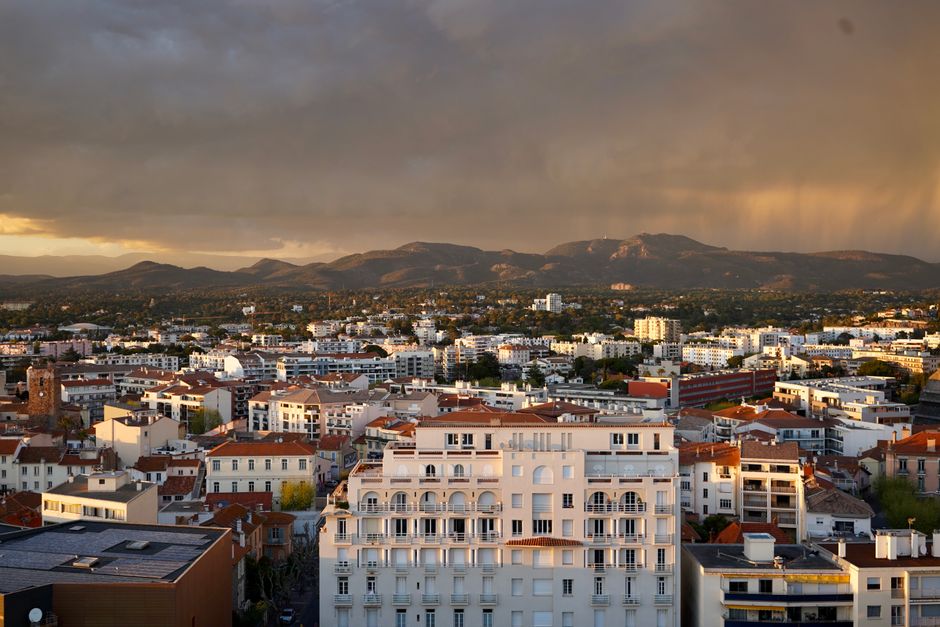
Cannes is the Riviera’s red-carpet town: a palm-lined seafront, the Croisette, curving past grand hotels and sandy beaches, the Palais des Festivals where the world’s most famous film festival climbs its steps every May, and an old hilltop quarter, Le Suquet, looking down on the yacht harbour. Beyond the glamour it is an easy, walkable seaside town with a great food market and two peaceful islands, the Lérins, fifteen minutes offshore. Give it two days, three with the islands and a trip along the coast, and plan ahead if you come during the Film Festival, from 11 to 22 May 2027.
Right now in Cannes
- Wed17–20°C63–69°F60 mm rain
- Thu15–24°C58–76°F7 mm rain
- Fri14–21°C57–70°F1 mm rain
Top tours in Cannes
See all tours for Cannes →
From local operators, with prices and reviews; you check availability and book on Viator, our partner. We may earn a commission at no extra cost to you. How we earn money
Cannes at a glance
- Best for: sandy beaches, seafront walks, the Lérins Islands, film history, markets and day trips along the Côte d’Azur.
- How long: 2 days for the town, 3–4 with the islands, the Estérel coast and nearby towns.
- Best time: May, June and September for the beach; spring and autumn for walking. Book early for the Film Festival in May and big trade fairs.
- Getting in: about 30–40 minutes by regional train from Nice; ZOU! bus line 81 runs from Nice Côte d’Azur airport.
- Getting around: the centre is flat and walkable; Palm Bus city buses cost €1.80 a ride (as of October 2026), and boats leave the old port for the islands.
- Before you go: entry rules, money, trains and general safety are on our France travel guide; for the wider coast, see our Nice guide.
Cannes’s neighbourhoods and who each one suits
Cannes stretches along the bay, with the Palais des Festivals and the old port in the middle. East of them run the Croisette and the town centre; west rise Le Suquet and the long beaches towards La Bocca.
La Croisette and the Carré d’Or
The famous seafront boulevard, with the palace hotels on one side and sandy beaches and beach clubs on the other, and the streets just behind it, the “golden square” of designer shops. Glamorous and central, with the highest prices.
Le Suquet
The old fishing village on the hill above the port, with cobbled lanes, steps, the Notre-Dame d’Espérance church and the museum in the old castle. Rue Saint-Antoine is lined with small restaurants. Charming and lively at night; steep in places.
Town centre: Rue d’Antibes and Forville
The everyday heart of Cannes: the Rue d’Antibes shopping street, the pedestrian Rue Meynadier and the Forville market, between the station and the sea. Practical, better value and handy for trains.
Palm Beach, Californie and La Bocca
East of the Croisette, Pointe de la Croisette and Palm Beach have quieter beaches and a marina; above them, the Californie hill is a district of Belle Époque villas. West of the old port, the long public beaches of Plage du Midi lead towards La Bocca, the most affordable area, with sunsets over the Estérel.
Top things to see in Cannes
Prices and hours below come from the official websites, as of October 2026.
The Croisette
The two-kilometre promenade from the Palais des Festivals to the Pointe de la Croisette is the place to see and be seen, with its palms, blue chairs, flower beds and the Belle Époque façades of the Carlton and Martinez. Walk it early in the morning or at sunset. Note that the city is giving the Croisette a major makeover: surface works on the pavements, roads and gardens began in mid-October 2026 and run in phases until the end of 2028, with the promenade kept open and works paused for the Film Festival in May.
The Palais des Festivals and the red carpet
The concrete Palais des Festivals et des Congrès hosts the Film Festival and many trade fairs. Outside the festival you can stand on the famous red-carpet steps for a photo, when they are not closed for an event, and look for the stars’ handprints set in the pavement around the building, the Allée des Étoiles. Guided tours of the inside are sometimes available through the tourist office in the Palais.
Le Suquet and the Musée des Explorations du Monde
Climb the lanes of Le Suquet to the old castle of the monks of Lérins, now the Musée des Explorations du Monde, with Mediterranean antiquities, art from around the world, musical instruments and a medieval square tower of 109 steps with the best view in Cannes. How to visit: the museum is closed for works until 30 October 2026 inclusive. From November to March it opens Tuesday to Sunday, 10:00–13:00 and 14:00–17:00; from April it stays open until 18:00, and in July and August every day from 10:00 to 19:00. Entry is €6.50 (€3.50 for 18–25-year-olds), free for under-18s and students, and free for everyone on the first Sunday of the month from November to March (as of October 2026). Only 15 people at a time may climb the tower.
The old port and the Forville market
The Vieux Port is a working harbour of fishing boats and yachts, with the Lérins ferries at the Quai Laubeuf. A few streets inland, the covered Marché Forville is Cannes’s food market, with local producers, fish, cheese and flowers in the mornings from Tuesday to Sunday; on Mondays it becomes a flea market.
The Lérins Islands
Fifteen to twenty minutes by boat from the old port, the two Lérins Islands feel a world away from the Croisette: pine and eucalyptus woods, rocky coves, clear water and no cars. They are the best half-day or day out from Cannes.
Île Sainte-Marguerite and the Man in the Iron Mask
The larger island has shady trails around its shore, small coves for snorkelling and swimming, and the star-shaped Fort Royal, where the mysterious Man in the Iron Mask was imprisoned in the late 17th century. The fort’s Musée du Masque de fer et du Fort Royal shows his cell, underwater finds from Roman shipwrecks and murals in the old cells. How to visit: from October to March it opens Tuesday to Sunday, 10:30–13:15 and 14:15–16:45; in April and May until 17:45; and from June to September every day, 10:00–17:45. Entry is €6.50, €3.50 for 18–25-year-olds, free for under-18s and students; on Mondays from October to May you can visit the fort alone for €3.50 (as of October 2026). An underwater eco-museum of large sculptures lies in shallow water off the island’s south-west coast, for snorkellers.
Île Saint-Honorat and the monks’ wine
The smaller island belongs to a community of Cistercian monks, who still pray, make wine and liqueurs and welcome visitors to their abbey church and the fortified medieval monastery tower by the sea. Walk the island’s loop path among the vines in an hour or so, buy a bottle at the monastery shop and keep to the island’s calm, respectful atmosphere.
Boats and rules
Three companies, Riviera Lines, Horizon and Trans Côte d’Azur, sail from the Quai Laubeuf to Sainte-Marguerite; Planaria, the monks’ company, sails to Saint-Honorat. There is no boat between the two islands, so you go back to Cannes to change. As of October 2026, an adult return to Sainte-Marguerite costs €19 with Trans Côte d’Azur (children 5–12 €13.50, 13–25 and over-65s €17.50), plus a small port fee, and the Planaria return to Saint-Honorat €19.50 online. Boats run all year, most often in summer; the last boat back is in the late afternoon. Fires, barbecues, smoking and drones are banned on both islands, and camping is not allowed. Bring water and a picnic, as there are only a few kiosks and restaurants.
The Cannes Film Festival and other events
The Festival de Cannes, founded in 1946, is the world’s most famous film festival. The 80th edition runs from 11 to 22 May 2027. It is a professional event: screenings in the Palais are for accredited industry, press and invited guests, and there are no public ticket sales for most of them. Visitors can still enjoy it. Watch the arrivals on the red carpet from behind the barriers on the Croisette in the early evening, and go to the free Cinéma de la Plage on Plage Macé, which shows classic and festival films outdoors every evening at about 21:30, within the seats available. Film lovers aged 18 to 28 can apply for the official “3 Jours à Cannes” pass, which gives access to some screenings; applications open in early spring. Hotel prices peak during the festival, and many rooms are booked by the industry a year ahead.
- MIPIM (16–19 March 2027): the international property fair at the Palais des Festivals.
- Cannes Lions (21–25 June 2027): the festival of creativity and advertising.
- Cannes Yachting Festival (7–12 September 2027): one of Europe’s largest in-water boat shows, in the Vieux Port and Port Canto.
- Every summer: fireworks festivals over the bay on several evenings in July and August.
During big trade fairs, hotels fill up and prices rise as much as during the Film Festival, so check the Palais des Festivals calendar before you book.
Beaches and things to do in Cannes
Beaches: public or private?
Cannes has sandy beaches, unlike Nice. Along the Croisette, most of the sand is taken by private beach clubs, where you pay for a sunbed, a parasol and lunch, but there are free public sections, including Plage Macé next to the Palais and the beaches near Pointe de la Croisette. West of the old port, the long Plage du Midi and the La Bocca beaches are mostly public and free, with showers and lifeguards in summer. The water is shallow, calm and good for children.
On the water
Rent a paddleboard or kayak, take a boat trip along the red cliffs of the Estérel, or dive and snorkel around the Lérins Islands. In July and August, a seasonal shuttle boat links Cannes with Mandelieu-La Napoule and Théoule-sur-Mer. See our diving guide.
Shopping and food
Rue d’Antibes and the Croisette boutiques are for shopping; for food, head for the Forville market, the restaurants of Rue Saint-Antoine in Le Suquet and the seafood places around the old port. Try socca and pan bagnat from the market, bouillabaisse at the port and a glass of Provence rosé at sunset.
Day trips from Cannes
Cannes is in the middle of the Côte d’Azur, with frequent regional trains (ZOU!) along the coast. Times are approximate; check SNCF Connect.
Antibes and Juan-les-Pins
About 10–15 minutes by train: the ramparts and market of old Antibes, the Picasso Museum in the Château Grimaldi, the yachts of Port Vauban and the sandy beaches of Juan-les-Pins.
Nice and Monaco
Nice is 30–40 minutes by train, with its old town, the Promenade des Anglais and the Matisse and Chagall museums; read our Nice guide. Monaco is about an hour by train; see our Monaco guide.
Grasse and the hill villages
The perfume capital of the world, about 30 minutes inland by train, has perfume museums and factories where you can make your own scent. Mougins, Saint-Paul-de-Vence and Vence are easiest by car.
The Estérel and Saint-Tropez
West of Cannes, the Corniche d’Or road and the coastal path wind along the red porphyry cliffs of the Estérel to Théoule, Agay and Saint-Raphaël, about 25 minutes by train. In summer, boats from the old port make day trips to Saint-Tropez.
Nearby destinations
- Nice26 km
- Monte Carlo39 km
- French Riviera39 km
- Saint-Tropez44 km
- Verdon Gorge60 km
- Provence96 km
- Aix-en-Provence127 km
- Marseille136 km
Getting there and getting around
From Nice airport
Nice Côte d’Azur airport, about 25 km east, is the main gateway. ZOU! bus line 81 runs from Terminal 2 (and Terminal 1 on request) to Cannes via Le Cannet; as of October 2026, a single costs €21.40 online, with group tickets for 3 or 4 people, and the trip takes about an hour depending on traffic. Alternatively, ride the tram free from the terminals to the Grand Arénas stop, next to Nice Saint-Augustin station, and take a regional train to Cannes, about 25–30 minutes. Taxis and private transfers take about 30–45 minutes outside rush hour.
By train
Cannes station is in the town centre, a few minutes’ walk from the Croisette. TGV trains run direct from Paris Gare de Lyon in roughly 5 hours or more, and regional ZOU! trains run frequently along the coast to Antibes, Nice, Monaco and Menton, and west to Saint-Raphaël and Marseille. Buy tickets on the SNCF Connect app or at the station.
Palm Bus and getting around
Most of Cannes is walkable. The Palm Bus network covers the town and its neighbours: as of October 2026 a single ticket costs €1.80 (valid 59 minutes, from the driver or by contactless card), a 1-day pass €4.60 and a 7-day pass €17. A €0.90 ticket gives a day on the small electric shuttle around Le Suquet and Forville. Bikes and e-scooters are available to rent.
Driving and parking
Traffic is heavy in summer and during events, and parking on the seafront is expensive. Use the underground car parks, such as those by the Palais des Festivals, the station and Forville. As of October 2026 we found no low-emission zone in Cannes, and the one in Nice applies only to lorries, buses and coaches.
When to go and how long to stay
Cannes has a mild Mediterranean climate, with warm, dry summers, short, heavy autumn storms and sunny, cool winters. The table uses Météo-France’s official 1991–2020 normals for the Cannes station: average daily highs and lows, and days with at least 1 mm of rain.
| Season | Average high / low | Rainy days per month | What it’s like | Good for |
|---|---|---|---|---|
| Winter (Dec–Feb) | 14 °C / 4–5 °C | 5–6 | Mild, sunny days and cool nights; quiet | Walking, the islands, mimosa in February |
| Spring (Mar–May) | 16–22 °C / 6–13 °C | 5–6 | Warming up; sea still cool | The Film Festival, walks, day trips |
| Summer (Jun–Aug) | 26–29 °C / 16–19 °C | 2–4 | Hot, dry and busy; warm sea | Beaches, boat trips, fireworks |
| Autumn (Sep–Nov) | 25 °C falling to 17 °C / 15 °C falling to 8 °C | 5 in September, 8–9 in Oct–Nov | Warm September; heavy rain on some autumn days | Swimming in September, Yachting Festival |
Cannes receives about 880 mm of rain a year, most of it from September to December, often in short, intense storms that can cause flash floods; follow Météo-France warnings. It gets around 2,700 hours of sunshine. August is the warmest month, with an average high of about 29 °C, and the sea is usually warmest, around 24–25 °C, in August and early September.
How long to stay: 2-, 3- and 4-day plans
2 days: Day 1, the Forville market and Le Suquet in the morning, the beach in the afternoon and a Croisette sunset walk. Day 2, Île Sainte-Marguerite and the Fort Royal, with a swim, then dinner in Rue Saint-Antoine.
3 days: add Île Saint-Honorat, or Antibes by train. 4 days: add Grasse and the hill villages, Nice or a drive along the Estérel coast.
Where to stay in Cannes
- La Croisette: sea-view palace hotels and luxury; the most expensive choice.
- Town centre (Rue d’Antibes to the station): walkable, practical and better value.
- Le Suquet and the old port: character, restaurants and views; hilly and lively at night.
- Palm Beach and Californie: quieter, with villas and beaches; a bus ride from the centre.
- La Bocca and the west: the cheapest area, near the public beaches.
Cannes charges a tourist tax (taxe de séjour) per person per night. According to the official government database of rates, as of 2026 it is €1.07 in 1-star hotels, B&Bs and hostels, €1.27 in 2-star, €2.14 in 3-star, €3.35 in 4-star and €4.42 in 5-star hotels, and €6.16 in palaces. Unclassified rentals pay 6.7% of the price per person per night, within a legal cap. These totals include the 34% regional surcharge that funds the new Provence–Côte d’Azur railway line. Under-18s are exempt.
Practical tips for Cannes
- Check the event calendar: rooms are scarce and expensive during the Film Festival, MIPIM, Cannes Lions and the Yachting Festival.
- Museum closure: the Musée des Explorations du Monde is closed until 30 October 2026.
- Last boat: check the time of the last return boat from the islands, which is earlier in winter.
- Fire risk: in summer, the Estérel and other wooded hills may close on high-risk days; check the Alpes-Maritimes and Var access maps, published each evening around 18:00 on risque-prevention-incendie.fr.
- Dress code: beach clubs and smarter restaurants expect you to cover up away from the sand.
- Emergencies: call 112. Watch your bags on busy beaches and at the station.
What to pack for Cannes
Bring a swimsuit, sunscreen, sunglasses and a hat, a light cover-up for walking from the beach into town and comfortable sandals, plus walking shoes for Le Suquet’s steps and the island trails. A mask and snorkel are worth packing for the Lérins coves. Pack one smart outfit for the Croisette’s restaurants and bars. From November to March, add a warm layer and a light waterproof jacket for autumn storms.
Cannes travel FAQ
How many days do you need in Cannes?
Two days covers the Croisette, Le Suquet, the market, a beach day and Île Sainte-Marguerite. Three or four days lets you add Saint-Honorat, Antibes, Grasse or Nice.
When is the Cannes Film Festival in 2027?
The 80th Festival de Cannes runs from 11 to 22 May 2027. Most screenings are for accredited professionals, but the free Cinéma de la Plage on Plage Macé is open to everyone, within the seats available.
Can the public attend the Cannes Film Festival?
Not most screenings, which are for accredited professionals and invited guests. You can watch the red-carpet arrivals from the Croisette, attend the free open-air Cinéma de la Plage, and, if you are 18 to 28, apply for the “3 Jours à Cannes” pass in early spring.
How do I get to the Lérins Islands?
By boat from the Quai Laubeuf in the old port, about 15–20 minutes. As of October 2026 an adult return to Île Sainte-Marguerite costs €19 with Trans Côte d’Azur, plus a small port fee, and €19.50 to Île Saint-Honorat with Planaria. There is no boat between the islands.
How much is the Fort Royal museum on Sainte-Marguerite?
The Musée du Masque de fer et du Fort Royal costs €6.50 for adults as of October 2026, €3.50 for 18–25-year-olds and free for under-18s and students. From October to March it opens Tuesday to Sunday.
Are the beaches in Cannes free?
Many are. The Croisette has free public sections such as Plage Macé between the private beach clubs, and the long Plage du Midi and La Bocca beaches west of the old port are mostly public. Private clubs charge for sunbeds and parasols.
Are the beaches in Cannes sandy?
Yes, unlike Nice’s pebbles. The water is shallow and usually calm, which makes Cannes good for families. The sea is warmest, about 24–25 °C, in August and early September.
How do I get from Nice airport to Cannes?
Take ZOU! bus line 81 from Terminal 2, about an hour; a single costs €21.40 online as of October 2026. Or ride the free tram to Grand Arénas, next to Nice Saint-Augustin station, and take a regional train, about 25–30 minutes.
How long is the train from Nice to Cannes?
About 30–40 minutes by regional ZOU! train, with frequent departures from Nice-Ville. Buy tickets on the SNCF Connect app or at the station.
How much is the bus in Cannes?
A Palm Bus single ticket costs €1.80 and is valid for 59 minutes; a 1-day pass costs €4.60 and a 7-day pass €17, as of October 2026.
How much is the tourist tax in Cannes?
As of 2026, from €1.07 per person per night in 1-star hotels, B&Bs and hostels to €3.35 in 4-star, €4.42 in 5-star and €6.16 in palaces. Unclassified rentals pay 6.7% of the price. Under-18s pay nothing.
Is the Musée des Explorations du Monde open?
It is closed for works until 30 October 2026 inclusive. From November it reopens Tuesday to Sunday, 10:00–13:00 and 14:00–17:00; entry is €6.50, and free for everyone on the first Sunday of the month from November to March.
Plan your trip
Partner links: TravelerCenter may earn a commission if you book, at no extra cost to you.
🇫🇷 Useful French phrases for Cannes
All 38 French phrases: restaurant, hotel, emergencies, romance (printable) →
Sources · last reviewed 4 October 2026
Researched and last reviewed on 4 October 2026. Museum hours and prices, the Lérins boat operators and the Croisette works: the City of Cannes; ferry fares: Trans Côte d’Azur and Planaria; island rules: the Cannes tourist office; festival dates: the Festival de Cannes, MIPIM, Cannes Lions and the Cannes Yachting Festival; bus fares: Palm Bus and the ZOU! airport line; tourist tax: the French tax authority’s open data on local rates; climate: Météo-France 1991–2020 normals for Cannes. Prices, timetables and opening hours change, so check the official sites before you travel. For entry rules, money and general safety, see our France travel guide.
Data: Weather: MET Norway (CC BY 4.0) · Sea temperature: NOAA CoastWatch · Air quality: OpenAQ · Rates: ECB · Costs: World Bank ICP and price levels · Wikidata (CC0)