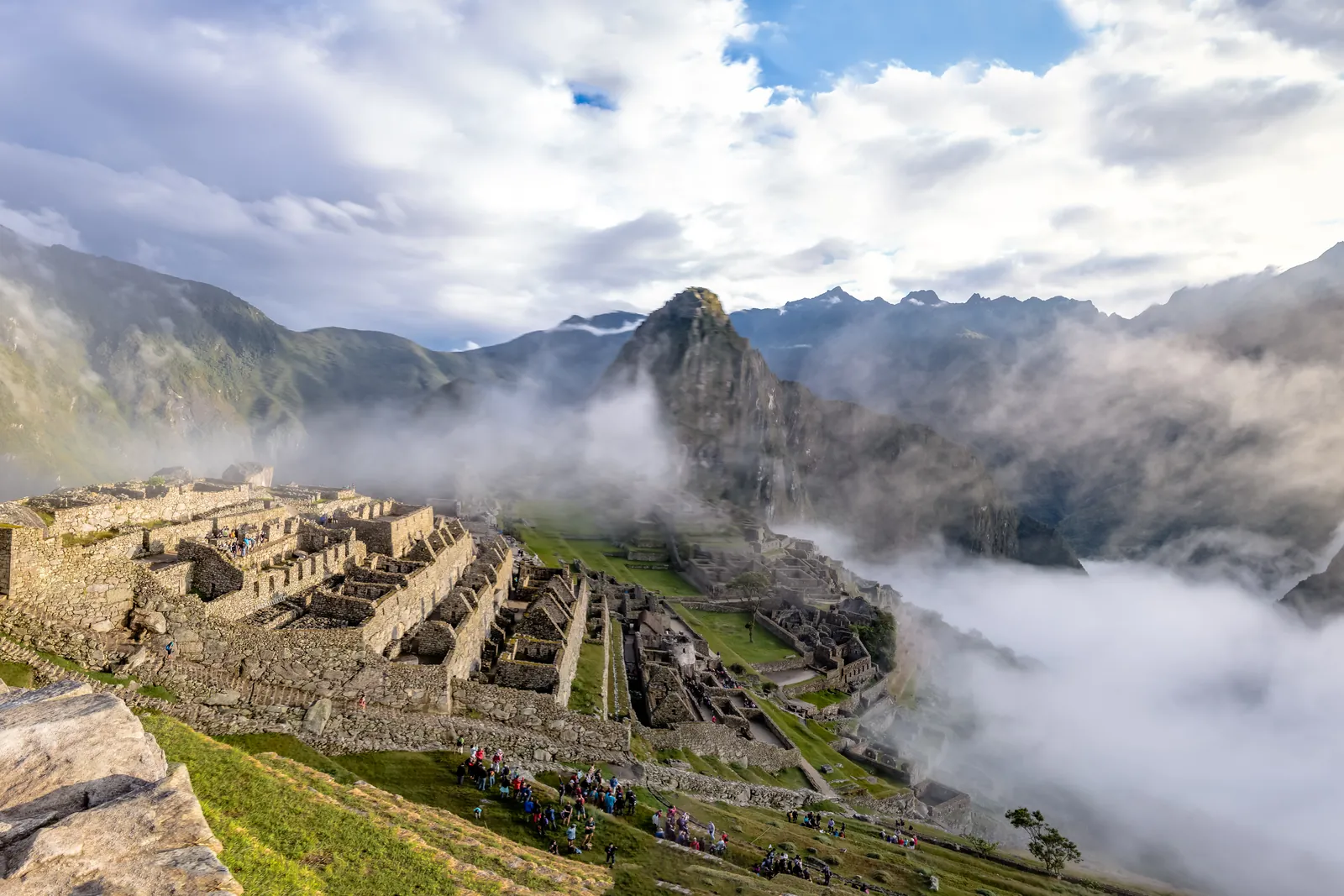
Short answer: with 7 days, spend a night in Lima, fly to Cusco and go straight down to the Sacred Valley, take the train to Machu Picchu, and finish with two nights in Cusco. With 10 days, add Lake Titicaca and fly home from Juliaca. With 14 days, either travel the southern circuit, adding Paracas, Arequipa and the Colca Canyon, or hike the classic Inca Trail to Machu Picchu. The golden rule in Peru is to climb slowly: start low and sleep higher as the trip goes on.
This guide turns the sample trips on our Peru travel guide into day-by-day plans, with train and flight times between stops and the best area to sleep each night. The dry season in the Andes runs from May to September, with April, May, September and October the best balance of weather and crowds; our best time to visit Peru guide goes month by month, and our top 10 places to visit in Peru explains each stop. For a plan built around your dates and interests, use our AI trip planner. Everything here was checked as of October 2026.
The three routes at a glance
| Route | Days | Stops | Best for |
|---|---|---|---|
| Machu Picchu classic | 7 | Lima (1 night), Sacred Valley (2), Machu Picchu Pueblo (1), Cusco (2) | First trip, short holidays |
| Cusco, Machu Picchu and Lake Titicaca | 10 | Lima (1), Sacred Valley (2), Machu Picchu Pueblo (1), Cusco (3), Puno (2) | The Andes at an easier pace |
| The southern circuit | 14 | Lima (1), Paracas (1), Arequipa (2), Colca Canyon (1), Puno (2), Cusco (2+2), Sacred Valley (1), Machu Picchu Pueblo (1) | Seeing the coast, canyons and the Andes |
| The Inca Trail | 14 | Lima (1), Sacred Valley (2), Cusco (3+1), Inca Trail camps (3), Puno (2), Lima (1) | Hikers, May to September |
Almost every international flight lands at Jorge Chávez International Airport (LIM) in Lima, and most trips fly on to Cusco. If your route ends at Lake Titicaca, fly home from Juliaca (JUL), about 45 km (28 miles) from Puno, via Lima, rather than returning to Cusco.
Travel times between the main stops
These are the legs used in the plans below. Train times come from PeruRail; flights, buses and road transfers are labelled approximate.
| Leg | Fastest or most practical | Time | Source |
|---|---|---|---|
| Lima airport – Miraflores | Official taxi, airport bus or transfer | about 45 min to 1 h 30, by traffic (approximate) | General reference |
| Lima – Cusco | Flight | about 1 h 20 (approximate) | Flight schedules |
| Cusco airport – Sacred Valley (Urubamba) | Hotel transfer or taxi | about 1 h 30 (approximate) | General reference |
| Ollantaytambo – Machu Picchu Pueblo (Aguas Calientes) | PeruRail or Inca Rail train | about 1 h 30–2 h | PeruRail |
| Cusco – Machu Picchu Pueblo | PeruRail bimodal (bus + train, transfer at Pachar on some services) | about 4 h | PeruRail |
| Machu Picchu Pueblo – the citadel | Shuttle bus up the mountain | about 25 min (approximate) | General reference |
| Cusco – Puno | PeruRail Titicaca train (three days a week) or tourist bus | about 10 h 30 by train (Puno 07:50 → Cusco 18:20); about 7–10 h by bus (approximate) | PeruRail (train); bus approximate |
| Lima – Paracas | Long-distance bus or car | about 3.5–4 h (approximate) | General reference |
| Lima – Arequipa | Flight | about 1 h 30 (approximate) | Flight schedules |
| Arequipa – Chivay (Colca Canyon) | Tour bus or car over the Patapampa pass | about 160 km (100 miles), most of a morning (approximate) | General reference |
| Arequipa – Puno | Bus | about 6 h (approximate) | General reference |
| Juliaca – Lima | Flight | about 1 h 40 (approximate) | Flight schedules |
The railway to Machu Picchu is the only way in apart from hiking, and it was briefly suspended twice in 2026: in early August after a forest fire near kilometer 107, and on 2 October after an incident between an Inca Rail and a PeruRail train, with services resuming the same evening. Strikes and road blockades in the Cusco region also occasionally stop trains and roads, so keep a buffer day before your flight home.
7 days: Lima, the Sacred Valley, Machu Picchu and Cusco
The classic first trip, arranged so you sleep low first. Cusco sits at about 3,400 m (11,150 ft); the Sacred Valley floor is lower, at about 2,800–3,000 m, and Machu Picchu lower still, at 2,430 m.
- Day 1, Lima: Arrive and head to Miraflores. Walk the clifftop parks above the Pacific at sunset and have your first ceviche. Sleep: Miraflores or Barranco (1 night).
- Day 2, to the Sacred Valley: Morning flight to Cusco (about 1 h 20), then straight down to the valley (about 1 h 30). Rest, drink water and go easy. Sleep: Urubamba or Ollantaytambo (2 nights).
- Day 3, Sacred Valley: The Pisac ruins and terraces (drive to the top entrance and walk down), then the circular terraces of Moray and the Maras salt pans on the plateau.
- Day 4, Ollantaytambo and the train: The fortress-temple at Ollantaytambo in the morning, then the train to Machu Picchu Pueblo (about 1 h 30–2 h). Sleep: Machu Picchu Pueblo (1 night).
- Day 5, Machu Picchu: An early bus up for your timed entry (slots run hourly from 6 a.m. to 3 p.m.; most visits last about 2.5 hours on a fixed circuit). Afternoon train back and a bimodal connection to Cusco (about 4 h in all). Sleep: Cusco, historic center or San Blas (2 nights).
- Day 6, Cusco: The Plaza de Armas and cathedral, the Qorikancha, the Inca walls of Hatun Rumiyoc, the San Blas quarter, and Sacsayhuamán above town.
- Day 7, home: Fly to Lima to connect with your international flight. Leave several hours between the two.
Swap it: food lovers can add a second night in Lima on day 7 for a tasting menu in Miraflores or Barranco. Details for each stop are in our Lima, Sacred Valley, Machu Picchu and Cusco guides.
10 days: Cusco, Machu Picchu and Lake Titicaca
Ten days adds a third night in Cusco and two on Lake Titicaca, at about 3,800 m, so you reach the highest stop last, already acclimatized.
- Day 1, Lima: Miraflores and the clifftop parks. Sleep: Miraflores or Barranco (1 night).
- Days 2–3, Sacred Valley: As in the 7-day plan: Pisac, Moray and Maras. Sleep: Urubamba or Ollantaytambo (2 nights).
- Day 4, to Machu Picchu Pueblo: Ollantaytambo ruins, then the train. Sleep: Machu Picchu Pueblo (1 night).
- Day 5, Machu Picchu and on to Cusco: An early entry, then the train and bus to Cusco. Sleep: Cusco (3 nights).
- Day 6, Cusco: The center, the Qorikancha, San Blas and Sacsayhuamán.
- Day 7, a day out from Cusco: A gentle day at the San Pedro market and the museums, or, if you feel well, a full-day trip to Rainbow Mountain (about 5,000 m) or Humantay Lake (about 4,200 m). Only go once you are fully used to the altitude.
- Day 8, to Puno: PeruRail’s Titicaca train (Cusco departures on Wednesdays, Fridays and Sundays, as of October 2026), a full day across the altiplano, or a tourist bus with stops at sights on the way (about 7–10 hours). Sleep: Puno, near the center or the lakeshore (2 nights).
- Day 9, Lake Titicaca: A boat to the floating reed islands of the Uros (about 30 minutes), then on to Taquile (about 2.5–3 hours from Puno by slow boat), whose textiles are recognized by UNESCO. Communities charge small entrance fees in cash.
- Day 10, home: Shuttle to Juliaca airport (about an hour) and fly to Lima (about 1 h 40) for your connection.
Swap it: for a quieter night on the lake, stay with a family on Amantaní or the Capachica peninsula instead of a second night in Puno. More in our Puno and Lake Titicaca guide.
14 days: the southern circuit
The classic loop through southern Peru: desert coast and wildlife, the white city of Arequipa, condors over the Colca Canyon, Lake Titicaca, then Cusco and Machu Picchu. It climbs gradually from sea level to 3,800 m, which is the best way to acclimatize.
- Day 1, Lima: Arrive; Miraflores and Barranco. Sleep: Miraflores (1 night).
- Day 2, to Paracas: Bus south along the Pan-American Highway (about 3.5–4 hours). Afternoon in the Paracas National Reserve’s desert and red beaches, or a dune-buggy trip at Huacachina near Ica. Sleep: Paracas (1 night).
- Day 3, Ballestas Islands and fly south: The morning speedboat from El Chaco pier to the Ballestas Islands (about two hours, no landing) for sea lions, Humboldt penguins and seabirds. Bus back to Lima and an evening flight to Arequipa (about 1 h 30). Sleep: Arequipa, historic center (2 nights).
- Day 4, Arequipa: The Plaza de Armas, the walled Santa Catalina Monastery (allow two hours), the Yanahuara viewpoint toward the El Misti volcano and an afternoon picantería lunch.
- Day 5, to the Colca Canyon: Tour bus or car over the high Patapampa pass, at about 4,900 m, down to Chivay and the hot springs. Sleep: Chivay or the Colca valley (1 night).
- Day 6, condors and on to Puno: The Cruz del Cóndor viewpoint in the early morning, when the condors ride the thermals, then a long afternoon by tourist bus to Puno. Sleep: Puno (2 nights).
- Day 7, Lake Titicaca: The Uros reed islands and Taquile.
- Day 8, to Cusco: PeruRail’s Titicaca train leaves Puno at 07:50 on Mondays, Thursdays and Saturdays and reaches Cusco at 18:20; on other days, take a tourist bus. Sleep: Cusco (2 nights).
- Day 9, Cusco: The center, the Qorikancha, San Blas and Sacsayhuamán.
- Day 10, Sacred Valley: Pisac, Moray and Maras on a day tour or by taxi. Sleep: Ollantaytambo (1 night).
- Day 11, to Machu Picchu Pueblo: Ollantaytambo’s ruins in the morning, then the train. Sleep: Machu Picchu Pueblo (1 night).
- Day 12, Machu Picchu: An early entry; add Huayna Picchu or Machu Picchu Mountain if you booked one of the mountain routes. Train and bus back to Cusco. Sleep: Cusco (2 nights).
- Day 13, Cusco at leisure: Museums, markets and a spare day in case trains or roads were disrupted.
- Day 14, home: Fly to Lima for your connection.
Arequipa’s center and Colca are covered in our Arequipa guide, and the coast in our Paracas guide, including flights over the Nazca Lines, about 3.5 hours further south by road, if you want to add a day.
14 days: the Inca Trail to Machu Picchu
The four-day Classic Inca Trail ends at the Sun Gate above Machu Picchu. You can only hike it with a licensed operator, permits sell out months ahead for the dry season, and the whole trail network closes every February for maintenance (in 2026 it reopened on 1 March). Give yourself at least three or four days at altitude before you start.
- Day 1, Lima: Arrive and rest. Sleep: Miraflores (1 night).
- Days 2–3, Sacred Valley: Fly to Cusco and drive down to the valley; easy walks at Pisac, Moray and Maras. Sleep: Urubamba (2 nights).
- Days 4–6, Cusco: Sights in town on day 4, a half-day acclimatization hike to the ruins above the city on day 5, and the trek briefing with your operator on day 6. Sleep: Cusco (3 nights).
- Days 7–10, the Inca Trail: Your operator collects you before dawn for the trailhead near Ollantaytambo. Three nights in camps, the climb over Dead Woman’s Pass, the Inca sites along the way, and the Sun Gate at sunrise on day 10, followed by your guided visit to Machu Picchu. Train and bus back to Cusco that evening. Sleep: trail camps (3 nights), then Cusco (1 night).
- Day 11, to Puno: Tourist bus or, on Wednesdays, Fridays and Sundays, the Titicaca train. Sleep: Puno (2 nights).
- Day 12, Lake Titicaca: The Uros islands and Taquile.
- Day 13, to Lima: Fly from Juliaca to Lima and celebrate with a long Peruvian dinner. Sleep: Miraflores or Barranco (1 night).
- Day 14, home.
No Inca Trail permit? The one-day Inca Trail from kilometer 104 or a multi-day trek such as Salkantay or Lares, booked with a licensed operator, are alternatives. Our Machu Picchu guide explains the circuits, tickets and trail rules.
Where to sleep, by stop
| Stop | Best area for a short stay | Altitude | Why |
|---|---|---|---|
| Lima | Miraflores or Barranco | Sea level | Clifftop parks, restaurants, about 45 min to 1.5 h from the airport |
| Paracas | The bay near El Chaco pier | Sea level | Walk to the Ballestas boats in the morning |
| Arequipa | Historic center | About 2,300 m | Santa Catalina and the plaza on foot; Colca tours pick up here |
| Colca Canyon | Chivay or the valley lodges | About 3,600 m | Hot springs and an early start for the condors |
| Puno | Near the center or the lakeshore | About 3,800 m | Boats to the islands leave from the port |
| Cusco | Historic center or San Blas | About 3,400 m | Walk to the sights; San Blas is quieter but uphill |
| Sacred Valley | Urubamba or Ollantaytambo | About 2,800–3,000 m | Lower than Cusco; Ollantaytambo is the main train station |
| Machu Picchu Pueblo | Near the station and the bus stop | About 2,000 m | The first buses up to the citadel |
Foreign tourists with a passport and the migration record (TAM) can usually ask hotels to waive Peru’s 18% IGV sales tax on rooms for stays up to 60 days; check that your rate shows it. Typical daily costs are in our Peru guide.
Alternatives by interest
Hikers
Take the Inca Trail plan and add a second trek: Salkantay or Lares near Cusco, or a two- or three-day trek into the Colca Canyon from Cabanaconde. Rainbow Mountain and Humantay Lake make strenuous day hikes from Cusco once you are acclimatized. Go between May and September, the dry season, and remember the Inca Trail is closed in February.
Food lovers
Give Lima two or three nights: ceviche for lunch in Miraflores, a market tour, and a tasting menu at one of the city’s acclaimed restaurants (book weeks ahead). Arequipa’s picanterías serve rocoto relleno and adobo, Cusco has its San Pedro market and Andean dishes, and the Ica valley near Paracas makes pisco, with harvest festivals in March.
Wildlife and nature lovers
Combine the Ballestas Islands and the Colca’s condors with a few nights in the Amazon: fly from Lima or Cusco to Puerto Maldonado for a jungle lodge on the Tambopata River. Allow three or four nights and an extra day of travel. Ask your doctor about vaccines for the Amazon, including yellow fever.
Families and slow travelers
Use the Sacred Valley as your main base instead of Cusco: it is lower, quieter and full of gardens, with easy walks, markets and the train station on the doorstep. Visit Cusco as a day trip, and pick Machu Picchu’s lower circuits rather than the steep mountain routes. Spend the last days on the coast at Paracas.
Tips for planning your route
- Book Machu Picchu early. Tickets are sold for a circuit, a route and an hourly slot on the Ministry of Culture’s official platform, tuboleto.cultura.pe. In 2026, up to 5,600 visitors a day were allowed from 19 June to 2 November and 4,500 at other times. A limited number of next-day tickets are sold in person in Machu Picchu Pueblo.
- Book trains with your ticket. Buy PeruRail or Inca Rail seats as soon as your entry time is fixed, so the train reaches Machu Picchu Pueblo with time to spare.
- Climb slowly. Rest on your first day above 3,000 m, drink plenty of water, avoid alcohol early on, and see a doctor if symptoms are severe. Ask your doctor about altitude medicine before you travel.
- Pick the season. May to September is dry in the Andes, with the biggest crowds from June to August; April, May, September and October are a good balance. December to April is the rainy season in the mountains but sunny on the coast. For 2026–27, Peru’s ENFEN committee forecasts above-normal rain on the north and central coast from October to December. See our best time to visit Peru guide.
- Fly the long legs. Distances are huge: Arequipa to Lima is about 16 hours by bus, but about 1.5 hours by air.
- Keep a buffer day. Trains, roads and flights in the Andes can be disrupted by weather, strikes or incidents; don’t schedule Machu Picchu on the day before your international flight.
Peru itinerary FAQ
Is 7 days enough for Peru?
Yes for Lima, the Sacred Valley, Machu Picchu and Cusco. Adding Lake Titicaca or Arequipa without rushing takes 10 to 14 days.
Should I go to the Sacred Valley or Cusco first?
The Sacred Valley. At about 2,800–3,000 m it is several hundred meters lower than Cusco, so sleeping there first helps you adjust to the altitude. Cusco airport is about 1.5 hours from Urubamba, and many hotels arrange transfers.
How do I get from Cusco to Machu Picchu?
By train with PeruRail or Inca Rail to Machu Picchu Pueblo: about 1.5 to 2 hours from Ollantaytambo, or about 4 hours from Cusco on a bimodal bus-and-train service. From the town, a shuttle bus climbs to the citadel in about 25 minutes. The only other way in is on foot.
Should I stay overnight in Machu Picchu Pueblo?
It helps. A night in town lets you take one of the first buses up, before the day-trippers arrive from Cusco, or visit on two different routes over two days.
Is Lake Titicaca worth adding?
Yes, if you have 10 days or more. The reed islands of the Uros and the textile island of Taquile are unlike anywhere else, and the train ride across the altiplano from Cusco is a sight in itself. At about 3,800 m, go there after Cusco, not before.
Do I need a car in Peru?
No. Flights, trains, long-distance buses, tours and taxis cover every stop in these plans, and driving in the Andes is tiring. A car with driver is useful for a day in the Sacred Valley.
What is the best month for a Peru itinerary?
May and September: dry in the Andes, with fewer crowds than June to August. April and October are good too, with a little more rain. If you want the Inca Trail, avoid February, when it is closed.
Sources
Researched and last reviewed by TravelerCenter on 8 October 2026. Train journey times and the Titicaca train timetable come from PeruRail; the 2026 rail disruptions from PeruRail and Mincetur; Machu Picchu circuits, entry slots and daily capacity from Peru’s Ministry of Culture; the Inca Trail closure from SERNANP and the Ministry of Culture; the El Niño outlook from ENFEN; altitudes of Cusco and the climate pattern from Wikidata and SENAMHI normals. Flight times, bus and road times, and the hotel tax exemption come from flight schedules and general references and are approximate. Schedules, fares and rules change, so check with the operator before you travel.
Data: Wikidata (CC0)