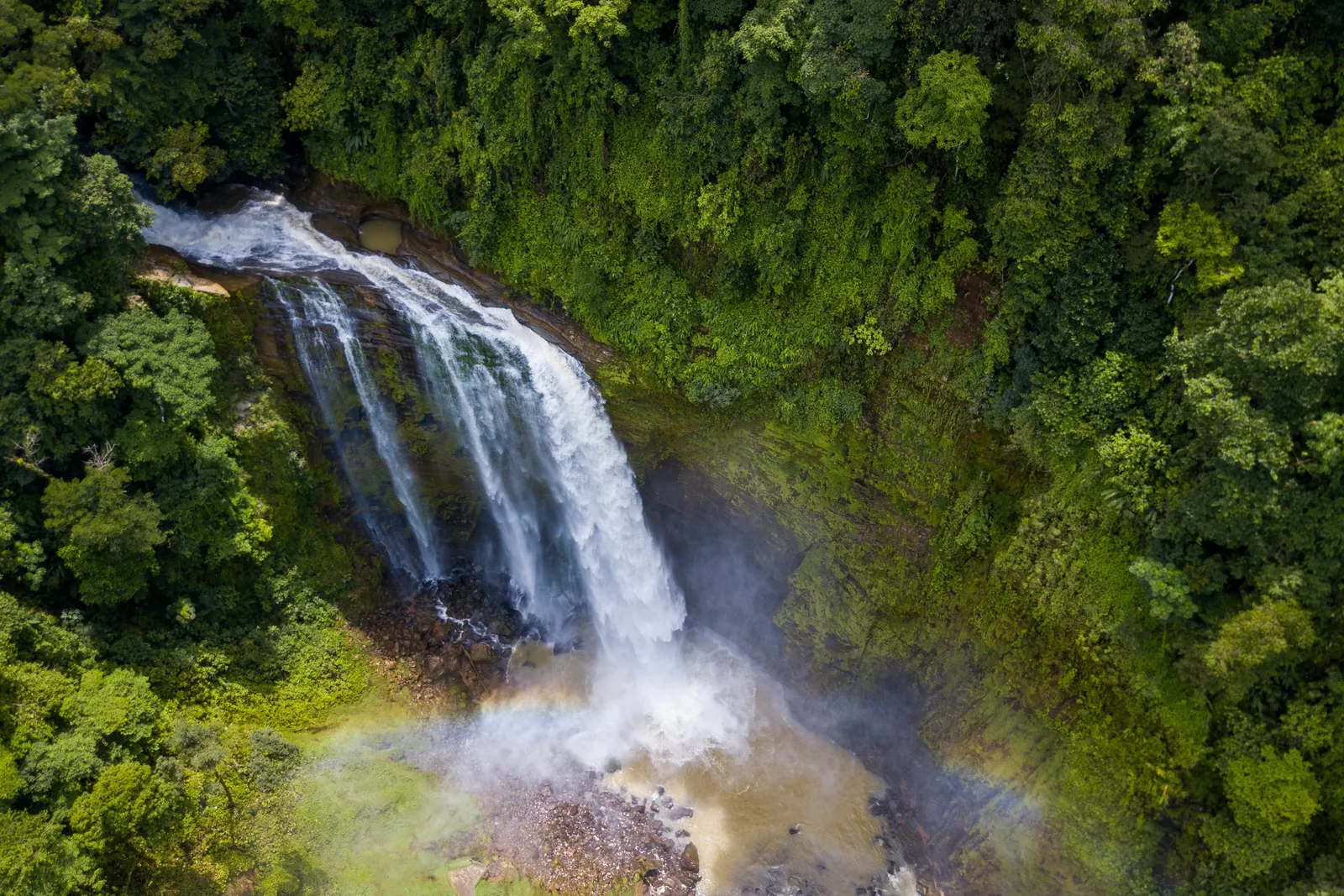
Short answer: December to April, the dry season, is the best time to visit most of Costa Rica: the Pacific beaches, Guanacaste, Manuel Antonio and the Central Valley get sunny days and almost no rain, with March the driest month. The trade-off is price and crowds, highest from mid-December to early January and in Holy Week. If you are heading to the Caribbean coast, go in September or October instead, when it is at its driest and the Pacific is at its wettest.
This page explains Costa Rica’s two seasons, what each month is like on each coast, when the turtles nest and the parks are busiest, and which weeks book up first, as of October 2026. For entry rules, park tickets, money and getting around, see our Costa Rica travel guide, and plan your days with our AI trip planner.
Best time to visit Costa Rica at a glance
| Goal | Best months | Why |
|---|---|---|
| Best weather (Pacific, Guanacaste, Central Valley) | December to April | The dry season; January to March get almost no rain at the main airports |
| Caribbean coast (Puerto Viejo, Cahuita) | September and October | The coast’s driest months, with calm, clear sea |
| Lowest prices | May to November (outside July) | The “green season”: lodges and tours cut rates; afternoons are rainy, mornings often clear |
| Fewest crowds | May, June, September to mid-November | Between the dry-season peak and the July school holidays; September–October are the quietest |
| Volcano views at Arenal | February to April | The relatively driest spell in the northern plains, when the cone is most often clear |
| Beaches and surfing lessons | December to April (Pacific); September to October (Caribbean) | Sun on the Pacific in the dry season; the green season brings bigger swells for experienced surfers |
| Green turtles in Tortuguero | July to October | Peak nesting from July, hatchlings from about August |
| Leatherback turtles | March to April (Tortuguero); October to February (Las Baulas, Guanacaste) | Nesting seasons on each coast |
| Quetzals in Monteverde | March to June | Breeding season, when the birds are easiest to spot |
| Hiking and cloud forest | February to April | Drier trails and the calmest, clearest weeks in Monteverde |
Costa Rica weather month by month
Weather month by month
The climate table shows average daily highs and lows and rain for each month at Juan Santamaría International Airport near San José, from the 1991–2020 climate normals that Costa Rica’s National Meteorological Institute (IMN) submitted to the World Meteorological Organization. The seasons follow the National Meteorological Institute (IMN): on the Pacific side and in the Central Valley the dry season runs from December to March, April is a transition month, the rains last from May to October and November is the second transition. In the green season, rain usually falls in the afternoon and evening, so mornings are often clear. The Caribbean slope has no true dry season and works on its own calendar. Temperature depends mostly on altitude: the coasts are hot all year, the Central Valley springlike, and Monteverde and the volcano summits cool and misty.
Costa Rica month by month
January
Dry, sunny and breezy on the Pacific side and in the Central Valley, where Juan Santamaría airport averages only about 8 mm (0.3 in) of rain all month. It is high season: the first week is still part of the Christmas peak, then prices ease a little. On the Caribbean coast and around La Fortuna, northern cold fronts can still bring days of steady rain. Great for beaches in Tamarindo and for clear morning trips up Poás and Irazú from San José.
February
One of the best months anywhere on the Pacific: dry, sunny and windy in Guanacaste, with highs of 34–37 °C (93–99 °F) at Liberia. The relatively drier spell begins in the northern plains, so Arenal is more often clear, and the Caribbean coast enters its first drier period. It is peak season, so book park slots for Manuel Antonio and popular lodges well ahead.
March
The driest and hottest month on the Pacific slope, according to the IMN. Beaches are at their sunniest, quetzals start nesting in Monteverde, and leatherback turtles begin nesting at Tortuguero, where the beach closes to visitors at night from March 1 (except on guided tours). In 2027, Holy Week (Semana Santa) falls at the end of the month, with Holy Thursday and Good Friday on March 25 and 26: Costa Rican families head to the beaches, buses and hotels fill, and many businesses close on those two days.
April
The hottest month in Guanacaste, with average highs near 38 °C (100 °F) at Liberia and the first showers late in the month. It is still a good dry-season month on the Pacific and often the clearest month in Monteverde. Juan Santamaría Day is a public holiday on April 11. After Easter, prices start to drop.
May
The green season begins: rain returns on the Pacific side and in the Central Valley, usually as afternoon storms after sunny mornings, and the brown Guanacaste hills turn green within weeks. Hotels and tours cut prices and the parks are quieter. Labor Day, May 1, is a public holiday. The Caribbean coast gets hot and humid, with rain picking up.
June
Mornings are often fine and afternoons rainy across most of the country; rivers rise, which is good news for rafting near La Fortuna. Green turtles start nesting in Tortuguero, and the Pacific swells pick up for surfers. Crowds stay low until the end of the month.
July
In many Pacific areas a drier spell, the “veranillo”, often interrupts the rains in July and August, though it is barely noticeable around Manuel Antonio. Costa Rican school holidays and North American summer vacations bring a short mid-year peak, so book Tortuguero lodges and turtle tours ahead: green turtle nesting is at its height. July is one of the wettest months on the Caribbean coast. July 25, the Annexation of Guanacaste, is a holiday with rodeos, bull riding and folk dance in Liberia.
August
Wet afternoons return on the Pacific side, but the month is busy with festivals and holidays: the pilgrimage to the basilica in Cartago for the Virgin of the Angels (August 2), Mother’s Day (August 15) and the Day of Black People and Afro-Costa Rican Culture (August 31), celebrated in Limón. On August 24, National Parks Day, entry to all national parks is free, so expect big crowds. Turtle hatchlings appear on Tortuguero’s beach from about August.
September
The wettest month on most of the Pacific slope and in the Central Valley: Juan Santamaría averages about 320 mm (12.6 in) and Liberia about 371 mm (14.6 in), and some beach businesses close for a few weeks. On the Caribbean coast it is the opposite: September is the driest month at Puerto Limón, with about 143 mm (5.6 in), and the sea around Cahuita and Puerto Viejo is often calm and clear for snorkeling. Independence Day on September 15 starts with lantern parades on the evening of the 14th.
October
Still very wet on the Pacific, and the quietest month for tourism, with the lowest prices. The Caribbean coast stays relatively dry; the Limón Carnival usually takes place around October 12, and raptor migration can be watched from Keköldi near Puerto Viejo. Tortuguero’s nesting season winds down with hatchlings on the beach, and leatherbacks start arriving at Las Baulas near Tamarindo.
November
A transition month: rain eases on the Pacific side, the landscape is at its greenest, and prices are still low before the holidays. On the Caribbean side and in the northern plains, the wettest period begins as cold fronts arrive from the north. The Atlantic hurricane season ends on November 30.
December
The dry season returns to the Pacific and the Central Valley, with sunny, windy days. Abolition of the Army Day (December 1) is a public holiday, San José holds its Festival de la Luz parade, and from mid-month the busiest and most expensive weeks of the year begin, running into early January; the Zapote fiestas east of San José fill the end of the month. Book hotels, rental cars and park tickets well ahead. The Caribbean coast is wet, with December one of its rainiest months.
Best time to visit by region
San José and the Central Valley
Pleasant all year thanks to the altitude, with almost no rain from December to March and heavy afternoon downpours from May to November, peaking in September. Plan museums and markets for rainy afternoons and volcano trips for early mornings. See our San José guide.
La Fortuna and Arenal
The northern plains follow the Caribbean pattern, with one long rainy season from May to December or January and more than 3,200 mm (126 in) of rain a year, according to the IMN. February to April is the relatively driest spell and the best time for volcano views and the Río Celeste; the hot springs work in any weather. See our La Fortuna guide.
Monteverde
On the continental divide, Monteverde gets misty, windy weather from December to February even in the dry season, and its calmest, clearest weeks in March and April, which is also quetzal breeding time. September to November is the wettest and quietest stretch. See our Monteverde guide.
Manuel Antonio and the Central Pacific
A short dry season (December to April) and a long, heavy rainy season: the IMN puts rainfall in the valleys behind the coast at about 3,500 mm (138 in) a year. Come in the dry season for beaches and snorkeling, and at any time book the first entry slot for the best wildlife. The park is closed on Tuesdays. See our Manuel Antonio guide.
Tamarindo and Guanacaste
The driest and sunniest region: Liberia airport gets almost no rain from December to March and about 1,740 mm (69 in) a year in total. December to April is classic beach weather; May to November is green, quiet and cheaper, with the best surf. See our Tamarindo guide.
Tortuguero
One of the wettest places in the country, with about 6,000 mm (236 in) of rain a year according to SINAC; the least rainy months are March, April and October. Come for the turtles: green turtles from June to October, peaking in July and August, and leatherbacks in March and April. See our Tortuguero National Park guide.
Puerto Viejo and the Caribbean south
Two relatively dry spells, February to March and September to October, and the wettest period from November to January. September and October are the favorite months of those who know the coast: calm sea for snorkeling at Cahuita and Punta Uva, and sunny days while the Pacific is soaked. See our Puerto Viejo guide.
Best time for beaches, surfing, wildlife and hiking
Beaches and swimming
December to April on the Pacific coast, from Guanacaste to Manuel Antonio; September and October on the Caribbean coast. Rip currents are common on both coasts in every month, so swim where locals swim and lifeguards are on duty. More ideas in our beaches guide.
Surfing
Beginners do best in the dry season at Tamarindo and Nosara, when waves are smaller. Experienced surfers come in the green season, from about May to November, for bigger Pacific swells, and to Salsa Brava in Puerto Viejo from about December, when the Caribbean surf season starts. See our surfing guide.
Wildlife and birdwatching
Wildlife is around all year, and early mornings are best in any month. Quetzals are easiest to see from March to June, sloths and monkeys are easier to spot in the more open dry-season forest, and turtle nesting peaks in Tortuguero from July to October. Many birders like the green season for nesting birds and empty trails.
Hiking
February to April, when trails are drier around Arenal and Monteverde. Volcano summits are clearest early in the morning. In the rainy season, start early and bring a real rain jacket and shoes with grip. More in our hiking guide.
Snorkeling and diving
On the Pacific, the dry season brings the clearest water off Guanacaste and Manuel Antonio; on the Caribbean, September and October are calmest at Cahuita and Manzanillo. See our snorkeling and diving guides.
Seasons to plan around
The green (rainy) season, May to November: on the Pacific side and in the Central Valley, rain usually comes as heavy afternoon storms. Plan outdoor activities for the morning, allow extra time on mountain roads, where landslides can close routes, and expect small planes to be delayed by afternoon weather. Dengue, spread by mosquitoes, is more common in the lowlands in these months, so pack repellent.
September and October on the Pacific: the wettest weeks; some lodges and restaurants in beach towns close for maintenance. It is the best time to switch to the Caribbean coast.
The Atlantic hurricane season, June 1 to November 30: Costa Rica lies south of the usual hurricane tracks, but storms passing through the Caribbean can bring days of heavy rain, floods and landslides, especially from September to November. If a storm is forecast, follow the IMN and the national emergency commission (CNE), and keep your plans flexible.
Holidays that fill everything: mid-December to early January, Holy Week (March 21–28, 2027), the July school holidays and August 24, when park entry is free. Book rooms, rental cars and SINAC park slots early for these dates; SINAC tickets are personal and non-refundable.
Weekly closures: Manuel Antonio National Park closes every Tuesday, and Rincón de la Vieja’s Pailas sector on Mondays.
How long to stay
Ten days to two weeks lets you combine three or four regions without rushing; a week is enough for Arenal, Monteverde and one beach. In the green season, build in a spare half day for weather, and plan drives for the morning. Our Costa Rica travel guide has sample 7-, 10- and 14-day itineraries, including a coast-to-coast route that works best from February to April or in September and October.
Best time to visit Costa Rica: FAQ
What is the best month to visit Costa Rica?
For most first trips, February or March: dry, sunny weather on the Pacific coast and in the Central Valley, and drier trails around Arenal and Monteverde. Book early, because it is high season.
What is the cheapest time to go to Costa Rica?
The green season, from May to November, outside the July school holidays. September and October are the cheapest and quietest months, but also the wettest on the Pacific side.
What is the rainiest month in Costa Rica?
On the Pacific side and in the Central Valley, September and October, with about 320 mm (12.6 in) a month at San José’s airport and about 370 mm (14.6 in) at Liberia. On the Caribbean coast, July and December are the wettest.
Is the rainy season a good time to visit Costa Rica?
Yes, if you plan around it. Mornings are often sunny, the forests are green, prices fall and the parks are quiet. Avoid the Pacific in September and October if you want beach days, and head to the Caribbean coast instead.
When is turtle season in Costa Rica?
Green turtles nest at Tortuguero from about June to October, peaking in July and August, with hatchlings from about August; leatherbacks nest there in March and April, and at Las Baulas in Guanacaste from about October to February. Night visits are only allowed with a certified guide.
Is December a good time to visit Costa Rica?
Yes for the weather, as the dry season returns to the Pacific, but the second half of December is the busiest and most expensive time of the year. Book hotels, cars and park tickets months ahead, and expect rain on the Caribbean coast.
When is hurricane season in Costa Rica?
The Atlantic hurricane season runs from June 1 to November 30. Costa Rica is rarely hit directly, but passing storms can bring heavy rain and floods, mostly from September to November.
Sources · last reviewed 8 Oct 2026
Researched and last reviewed by TravelerCenter on 8 October 2026. Seasons and regional rainfall come from Costa Rica’s National Meteorological Institute (IMN); monthly temperatures and rain from the WMO 1991–2020 climate normals for Juan Santamaría, Liberia and Puerto Limón (archived by NOAA NCEI); Tortuguero rainfall, nesting seasons, beach rules, Las Baulas nesting, park closing days and National Parks Day from SINAC; public holidays from the Labor Ministry (MTSS) and the Labor Code, with 2027 dates calculated from the fixed dates and Easter; hurricane season from NOAA’s National Hurricane Center. Quetzal, whale and surf seasons, festival timing and crowd and price patterns are general guidance from our destination guides and are flagged for checking. Check park tickets and event dates with the organizers before you travel.
Also: IMN normals 1991–2020, Juan Santamaría International Airport (climate)
Data: Wikidata (CC0)