Short answer: the best time to visit Croatia is late May to June and September to early October: the coast is warm and sunny, the sea is warm enough to swim, ferries run their summer timetables and the crowds are smaller than in July and August. July and August are the hottest, sunniest and busiest months, with the highest prices in Dubrovnik, Split and Hvar. For Zagreb, come in May, June or September, or in December for its Advent market.
This page explains Croatia’s coastal and inland climates month by month, with sea temperatures, winds, festivals, ferry seasons and the weeks that book up first, as of October 2026. For entry rules, ferries, tolls and the tourist tax, see our Croatia travel guide, and plan your days with our AI trip planner.
Best time to visit Croatia at a glance
| Goal | Best months | Why |
|---|---|---|
| Best overall | Late May to June, September to early October | Warm and sunny, warm sea, regular ferries, smaller crowds |
| Beaches and swimming | Mid-June to late September | The sea is warm enough for most swimmers, warmest in August |
| Island hopping | June and September | Summer catamaran timetables without the peak-season crush |
| Fewest crowds and lowest prices | April to May, October | Mild weather, though some island services are still limited |
| Sightseeing in Dubrovnik and Split | May, June, September, October | Comfortable temperatures and fewer cruise passengers than midsummer |
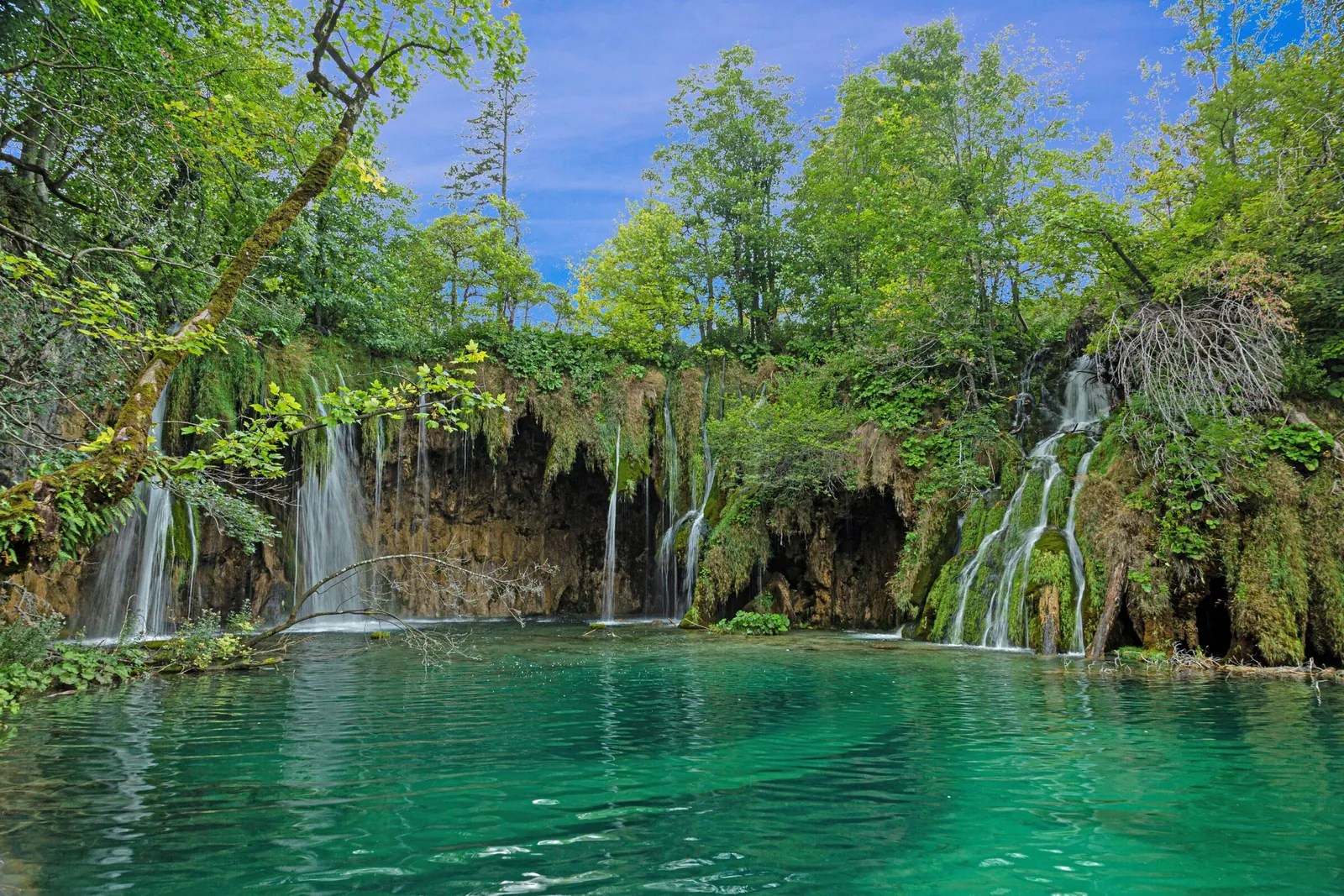
| Plitvice Lakes waterfalls | Late April to June; October for fall colors | Fullest falls after snowmelt; gold and red forests in October |
| Hiking | May, June, September, October | Cooler than summer on the coastal mountains |
| Istria food and truffles | September to November | Grape and olive harvests and white truffle season |
| Festivals | July and August | Dubrovnik Summer Festival, Split Summer Festival, concerts in Pula’s Arena |
| Christmas markets | Late November to early January | Advent in Zagreb |
Croatia weather month by month
Weather month by month
The climate table shows average daily highs and lows and monthly rain at the Zagreb-Maksimir station, from the 1991–2020 climate normals of the Croatian Meteorological and Hydrological Service (DHMZ). Zagreb has a continental climate, with highs of about 5 °C (41 °F) in January and 28 °C (82 °F) in July and August. The coast is a different world: at DHMZ’s Split-Marjan station, the same normals give highs of about 11 °C (51 °F) in January and 31 °C (88 °F) in July, with only about 25 mm (1 in) of rain in July against about 120 mm (4.7 in) in November. On the coast, most rain falls from October to January, and Split, Dubrovnik and Hvar get about 2,600–2,750 hours of sunshine a year.
Croatia month by month
January
Mild but wet on the coast, with highs around 11 °C (51 °F) in Split, and cold inland, where Zagreb’s nights average about −2 °C (28 °F). Much of the coast is asleep: many hotels, island restaurants and campsites close, and ferries run winter timetables. Zagreb’s Advent market lasts into early January, and Epiphany (January 6) is a public holiday. A good month for city breaks in Zagreb, Split and Dubrovnik at low prices.
February
Still quiet and often rainy, with occasional cold bura days that can stop catamarans. Two festivals stand out: Dubrovnik celebrates its patron, St Blaise, on February 3, and Rijeka holds Croatia’s biggest carnival. The Dubrovnik city walls are cheap and empty.
March
Spring arrives on the coast, with highs around 15 °C (58 °F) in Split, but the sea is still cold. Hotels start reopening late in the month. In 2027, Easter falls on March 28: Hvar’s Za Križen procession, a UNESCO-listed tradition, takes place through the night before Good Friday, and Easter Monday (March 29) is a public holiday.
April
Mild and green, good for walking and cycling, with resorts open from Easter. At Plitvice Lakes, the Upper Lakes usually reopen in early April and the waterfalls are full with snowmelt; at Krka, the park boats and shuttle buses start running from April 1. Prices are low, but the sea is too cool for most swimmers.
May
One of the best months: warm, sunny days around 23 °C (74 °F) in Split, wildflowers and few crowds. Split fills the Riva for the feast of St Domnius on May 7. Labour Day (May 1), Corpus Christi (May 27, 2027) and Statehood Day (May 30) are public holidays. The sea warms through the month and is swimmable for the brave by late May.
June
Many people’s favorite month: hot, sunny days of about 28 °C (83 °F) on the coast, a sea warm enough to swim from about mid-June, and the summer ferry and catamaran timetables starting. Lavender blooms on Hvar. Anti-Fascist Struggle Day, June 22, is a public holiday. From June 1, lighting open fires, including barbecues outside designated places, is banned across Croatia until October 31.
July
Peak season: hot, very sunny and dry, with highs of about 31 °C (88 °F) in Split and only four to six days with rain on the coast. The Dubrovnik Summer Festival of theater and music usually runs from about July 10 to August 25, and Split and Pula hold summer festivals and concerts. Old towns, beaches and ferries are crowded and prices are at their highest; book accommodation and catamarans well ahead. Heatwaves above 35 °C (95 °F) have become more frequent.
August
As hot and busy as July, with the warmest sea of the year. Victory Day (August 5) and the Assumption (August 15) are public holidays, and many Croatians take their own holidays this month, so coastal roads and car ferries are busy. The Sinjska alka knights’ tournament is held in Sinj in early August. Plan sightseeing for the morning and evening.
September
Many travelers’ best month: still hot early on, with the sea at its warmest, smaller crowds and lower prices than August. Ferries and catamarans still run summer timetables, and island hopping is easier. Storms become more frequent later in the month, especially around Zadar. The grape harvest begins on the islands and in Istria.
October
Mild, with highs of about 21 °C (69 °F) in Split, quiet towns and the sea still swimmable for many in early October. The beech forests at Plitvice turn gold and red, and Istria’s truffle season is under way. Rain picks up, and by late October many island hotels and restaurants close; Krka’s park boats run until October 31.
November
Wet and quiet on the coast, with the most rain of the year in Split, about 120 mm (4.7 in). Most beach resorts are closed, but cities stay open. All Saints’ Day (November 1) and Remembrance Day (November 18) are public holidays. Zagreb’s Advent market opens in late November.
December
Cold inland, with Zagreb’s highs around 5 °C (41 °F), and mild, rainy weather on the coast. Advent in Zagreb fills the Upper and Lower Town with stalls, lights and concerts, and Christmas (December 25–26) is a two-day public holiday. Coastal cities have smaller Christmas markets and very low hotel rates.
Best time to visit by region
Dubrovnik
May, June, September and early October are ideal: warm, sunny and calmer, with the sea swimmable from June to October. July and August are the hottest and most crowded months, with cruise ships and the Summer Festival. In winter many places close, but the walls are cheap and empty. See our Dubrovnik guide.
Split and the Makarska Riviera
Late May, June and September are best for sightseeing, beaches and island hopping; July and August bring peak crowds and the busiest ferries. On the Makarska Riviera, Biokovo is best for hiking in May, June, September and October, and most resorts close from November to Easter. See our Split guide.
Hvar and the Dalmatian islands
June brings lavender and long days, and September is often perfect, with the warmest sea and fewer people. Hvar gets about 2,750 hours of sunshine a year, among the most in Croatia. By late October many hotels close until spring, and island catamarans run mostly from June to September. See our Hvar guide.
Zadar
June and September are ideal for sightseeing and boat trips to the Kornati. September can bring heavy but short thunderstorms after the dry summer. In winter the town is quiet, and island boats run reduced timetables. See our Zadar guide.
Plitvice Lakes and Krka
Plitvice is cooler and wetter than the coast, with snow in winter: late April to June brings the fullest waterfalls, October the fall colors, and winter usually only the Lower Lakes. Krka’s falls are fullest in spring, its boats and shuttles run from April 1 to October 31, and summer is hot and busy, so arrive at opening time. See our Plitvice Lakes and Krka National Park guides.
Istria and Krk
Greener and a little cooler than Dalmatia. May to September is beach season, with the sea swimmable from June to September; autumn brings the grape and olive harvests and truffles inland. Many coastal hotels and campsites close from November to March. On Krk, June and September are best. See our Istria guide.
Zagreb
A year-round city: May, June and September are best for walking and café terraces, summer is warm with afternoon storms and open-air events, and December brings Advent. See our Zagreb guide.
Best time for beaches, island hopping, hiking and festivals
Beaches and swimming
From about mid-June to late September, with the warmest sea in August and September. Most beaches are pebble or rock, so bring water shoes. More ideas in our beaches guide, plus snorkeling and diving.
Island hopping and sailing
June and September: the summer catamaran network is running, but boats are less crowded than in July and August. Outside June to September, many inter-island routes stop, and you may need to return to Split between islands. See our boat trips guide.
Hiking and cycling
May, June, September and October, when Velebit, Paklenica, Biokovo and Istria’s cycling routes are comfortable; avoid midday hikes in July and August. See our hiking and cycling guides.
Festivals
July and August for the big summer festivals, Easter for Hvar’s Za Križen procession, February for Rijeka’s carnival and St Blaise in Dubrovnik, and December for Advent in Zagreb.
Seasons to plan around
The summer peak, July and August: the most visitors, the highest prices, full ferries and crowded old towns. Book accommodation and catamarans well ahead, and on car ferries arrive an hour or two early, as vehicles often board in order of arrival.
Heat and the fire ban, June 1 to October 31: heatwaves above 35 °C (95 °F) are more frequent in July and August, and lighting open fires, including barbecues outside designated places, is banned nationwide, with fines from about €2,000.
Winds: the bura, a cold, gusty north-easterly mostly in winter, and the jugo, a warm, humid south-easterly, can cancel catamarans and close bridges to high vehicles. Check the operator’s site on the day.
The off season, November to March: many coastal hotels, island restaurants and campsites close, and ferries run reduced winter timetables. Cities such as Zagreb, Split, Zadar and Dubrovnik stay open all year.
How long to stay
Ten days is ideal for a first trip: Zadar and Plitvice, Split, one or two islands and Dubrovnik. A week covers Split, Hvar and Dubrovnik; two weeks adds Zagreb or Istria and more islands. In June and September, island hopping by catamaran is easiest. Our Croatia travel guide has sample 7-, 10- and 14-day itineraries.
Best time to visit Croatia: FAQ
What is the best month to visit Croatia?
June or September: warm, sunny weather, a warm sea, summer ferry timetables and fewer crowds than in July and August.
When can you swim in the sea in Croatia?
From about mid-June to late September or early October. The sea is warmest in August and September.
What is the cheapest time to go to Croatia?
April, May and October offer low prices with mild weather; from November to March prices are lowest, but many coastal hotels and island services close.
What is the rainiest month in Croatia?
On the coast, November: Split averages about 120 mm (4.7 in) of rain that month, according to DHMZ’s 1991–2020 normals. Most coastal rain falls from October to January.
Is October a good time to visit Croatia?
Early October, yes: mild weather, a still-warm sea for many swimmers, fall colors at Plitvice and truffles in Istria. By late October many island hotels close and ferries switch to winter timetables.
Is Croatia too crowded in August?
August is the busiest month, with full ferries and crowded old towns in Dubrovnik, Split and Hvar. Visit early in the morning, book ahead, or come in June or September instead.
Is December a good time to visit Croatia?
For Zagreb, yes: Advent fills the city with markets and concerts. The coast is mild and quiet, with many hotels closed.
Sources · last reviewed 4 Oct 2026
Researched and last reviewed by TravelerCenter on 8 October 2026. Monthly highs, lows and rainfall come from the 1991–2020 climate normals of the Croatian Meteorological and Hydrological Service (DHMZ) for Zagreb-Maksimir and Split-Marjan; long-term mean temperatures, rain days and sunshine for Dubrovnik, Hvar, Zadar, Pazin, Gospić and Šibenik from DHMZ’s long-term station averages; park opening seasons from Plitvice Lakes and Krka national parks; ferry timetables from Jadrolinija, Krilo and TP Line; public holidays from Croatian law, with 2027 Easter dates calculated. The open-fire ban dates and fines come from government statements reported in the press; the Dubrovnik Summer Festival dates, other festival timing, sea temperatures, truffle and lavender seasons and crowd and price patterns come from our destination guides and secondary sources and are flagged for checking. Check event dates and ferry timetables before you travel.
Also: DHMZ normals 1991–2020, Zagreb-Maksimir (climate)
Data: Natural Earth (PUBLIC DOMAIN) · © OpenStreetMap contributors (ODBL) · Wikidata (CC0)