Short answer: the best time to visit France is May, June and September: warm days, long evenings and smaller crowds than in July and August, with prices below the summer peak. July and August are the warmest months and the best for beaches, the Alps and Corsica, but they coincide with French school holidays, so the coast is at its busiest and dearest. For Paris, April to June and September to October are ideal; December is the month for Christmas markets in Alsace, and December to April for skiing.
This page explains France’s weather and seasons month by month and region by region, with festivals, lavender and ski seasons, school holidays and the weeks that book up first, as of October 2026. For trains, driving, entry rules and costs, see our France travel guide, and plan your days with our AI trip planner.
Best time to visit France at a glance
| Goal | Best months | Why |
|---|---|---|
| Best overall | May, June, September | Warm and sunny, long days, fewer crowds than midsummer |
| Paris sightseeing | April to June, September to October | Mild weather, parks in bloom or golden, a full cultural season |
| Beaches on the Riviera and in Corsica | June to September | Hot, dry weather and a sea warm enough to swim, warmest in August |
| Fewest crowds and lowest prices | November to March (outside holidays) | Quiet cities and cheap hotels, though days are short and grey |
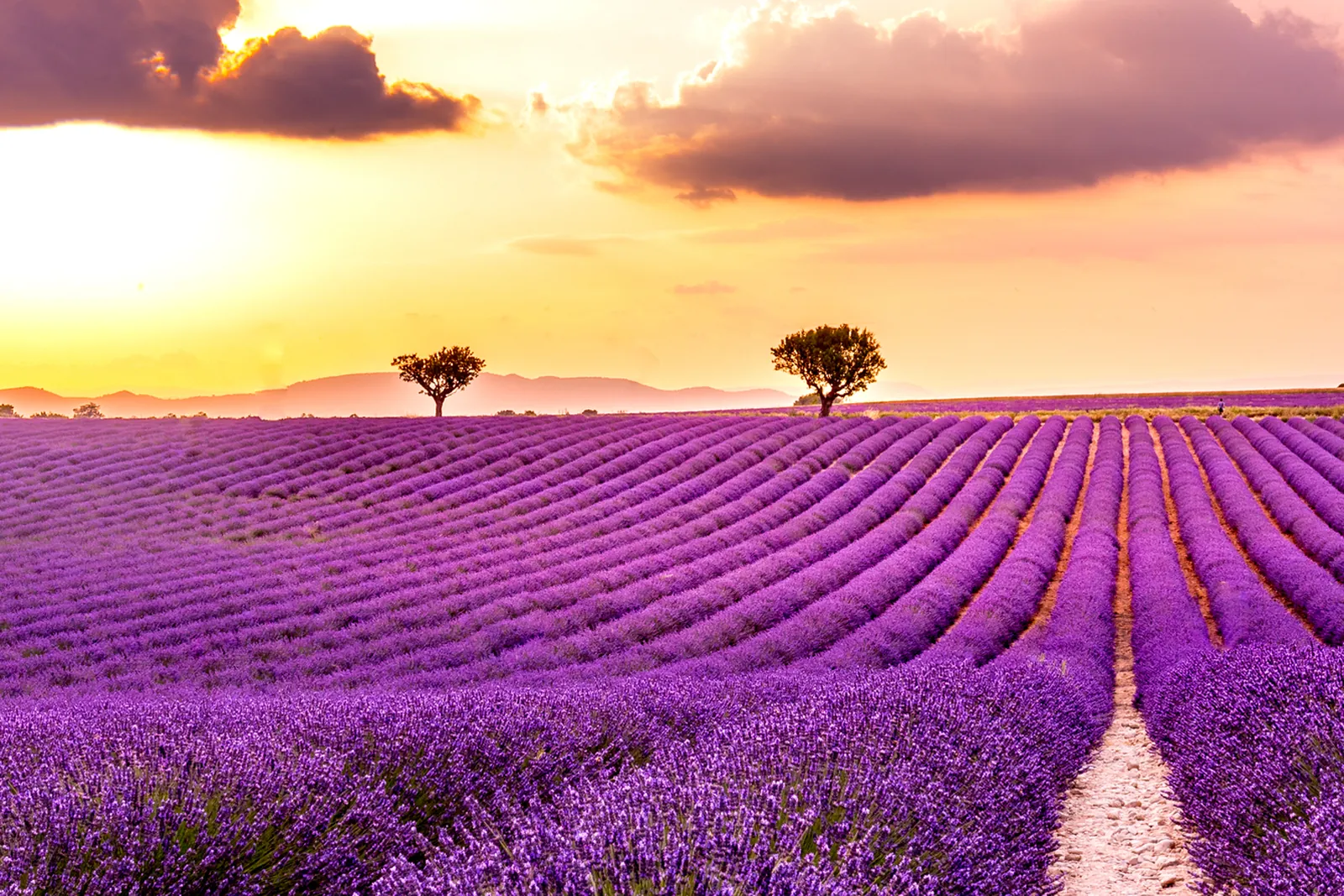
| Lavender in Provence | Late June to mid-July | Fields flower from mid-June and are cut from mid-July |
| Hiking in the Alps | Late June to mid-September | Lifts and mountain huts open; September is often the most settled month |
| Skiing | December to April | Resorts such as Val d’Isère open from late November to early May |
| Wine regions and harvest | September and October | Grape harvests in Bordeaux, Burgundy, Champagne and Alsace |
| Christmas markets | Late November to December | Strasbourg, Colmar and the rest of Alsace; the Fête des Lumières in Lyon |
| Festivals | February, May, June and July | Nice Carnival, the Cannes Film Festival, the Fête de la Musique, Bastille Day and Avignon |
France weather month by month
Weather month by month
The climate table shows average daily highs and lows, monthly rain and sunshine at the Paris-Montsouris station, from Météo-France’s official 1991–2020 climate normals. Paris is mild and changeable, with highs of about 8 °C (46 °F) in January and 26 °C (78 °F) in July and August, and about 630 mm (25 in) of rain a year spread over some 109 days; May is the wettest month, with about 69 mm (2.7 in). France has three broad climates, though. The Mediterranean south is much sunnier and drier in summer: at Nice airport the same normals give highs of about 13 °C (56 °F) in January and 28 °C (82 °F) in August, with only about 14 mm (0.5 in) of rain in July but 138 mm (5.4 in) in November. The east is continental, with colder winters: Strasbourg-Entzheim averages highs of 5 °C (41 °F) and nights just below freezing in January. The Atlantic west is mild and damp, and the Alps are snowy from December to April.
France month by month
January
Cold and grey in the north and east, with highs of about 8 °C (46 °F) in Paris and frosty nights in Strasbourg, but mild and often sunny on the Riviera, at about 13 °C (56 °F) in Nice. It is one of the cheapest months for city hotels, museums are quiet, and the winter sales start in the second week. Ski resorts are in full swing, and January is usually quieter on the slopes than the holiday weeks. New Year’s Day is a public holiday.
February
Still cold in the north, with the first mimosa flowering on the Riviera. The Nice Carnival runs from 9 to 28 February 2027, with its parades and flower battles on the Place Masséna, and Menton’s Lemon Festival from 13 to 28 February 2027. French winter school holidays run by zone from 6 February to 8 March 2027, the peak weeks of the ski season, so book the Alps early.
March
Spring arrives in the south, with highs of about 15 °C (60 °F) on the Riviera and 13 °C (55 °F) in Paris, but the weather is changeable everywhere. Big equinox tides sweep the bay at Mont-Saint-Michel and Saint-Malo. Spring skiing is good up high. In 2027, Easter falls on March 28, and Easter Monday (March 29) is a public holiday.
April
Blossom in Paris, apple orchards in flower in Normandy, and gardens reopening in the Loire Valley; Paris averages highs of about 17 °C (62 °F). Spring school holidays run by zone from 3 April to 3 May 2027, so châteaux and Paris are busier then. The Calanques near Marseille are at their best for hiking before the summer fire-risk rules begin.
May
One of the best months: about 20 °C (68 °F) in Paris and 21 °C (70 °F) in Nice, long evenings and green countryside. It is also a month of long weekends: May 1, May 8, Ascension Day (May 6, 2027) and Whit Monday (May 17, 2027) are public holidays, and hotels and trains fill around them. The 80th Cannes Film Festival runs from 11 to 22 May 2027, and the Roland-Garros tennis tournament in Paris starts in late May.
June
Many people’s favorite month: highs of about 23 °C (74 °F) in Paris and 25 °C (77 °F) in Nice, the longest days of the year and the sea warm enough to swim in the south by late June. On June 21, the Fête de la Musique fills streets all over France with free concerts. The D-Day anniversary in early June brings ceremonies to Normandy. Lavender starts to flower on the Valensole plateau in Provence from mid-June.
July
Warm to hot everywhere, with highs of about 26 °C (78 °F) in Paris and 31 °C (87 °F) at Marseille, and almost no rain on the Mediterranean coast. Summer school holidays begin on July 3, 2027, and the beaches, Provence, Brittany and the Alps fill up, with jams on the motorways on Saturdays. Bastille Day (July 14) brings a parade on the Champs-Élysées and fireworks across the country; the Tour de France finishes in Paris; and the Avignon theater festival takes over Avignon. Lavender peaks in late June and early July and is largely cut from mid-July. Heatwaves above 35 °C (95 °F) are now common.
August
As hot and busy as July on the coast and in the mountains, with the warmest sea of the year in the Mediterranean, around 24–25 °C (75–77 °F) off Nice. Paris is a little quieter, as many residents leave and some small restaurants and shops close for two or three weeks. The Assumption (August 15) is a public holiday and one of the busiest travel weekends of the year. In the hills of Provence and the Calanques, fire-risk rules can close trails on some days.
September
Many travelers’ favorite month: still warm, with highs of about 22 °C (72 °F) in Paris and 25 °C (77 °F) in Nice, a warm sea in the south and far fewer people once schools return in early September. The grape harvest begins in Bordeaux, Burgundy, Champagne and Alsace. On the third weekend of September, the European Heritage Days open palaces, ministries and private buildings, many for free. Summer lifts in Chamonix usually close in mid-September.
October
Mild, golden and quieter, with highs of about 17 °C (62 °F) in Paris and 21 °C (70 °F) on the Riviera, but rain returns: the Mediterranean coast gets its heaviest storms in October and November, and Lyon’s wettest month is October. Autumn colors in the Loire, the Dordogne and Alsace, and the harvest finishes. The All Saints’ school holidays (October 17 to November 2, 2026) bring a short burst of family travel.
November
Grey, damp and quiet, with highs of about 11 °C (52 °F) in Paris and the year’s heaviest rain on the Riviera and in Bordeaux. Hotels are cheap outside Paris weekends. Beaujolais Nouveau is released on the third Thursday (November 19, 2026), All Saints’ Day (November 1) and Armistice Day (November 11) are public holidays, and Christmas markets open in Alsace in late November. Val d’Isère opens its ski season on November 28, 2026.
December
Cold in the north and east, with highs of about 8 °C (46 °F) in Paris and frosty nights in Alsace, and mild on the Riviera. Strasbourg’s Christmas market, one of Europe’s oldest, runs from late November to December 24, and Colmar’s markets are just as popular. Lyon holds its Fête des Lumières from 5 to 8 December 2026. The Christmas school holidays (December 19, 2026 to January 4, 2027) open the busiest ski weeks.
Best time to visit by region
Paris
April to June and September to October: mild weather, long evenings in late spring and a busy cultural season in the fall. Summer is warm and sometimes hot, and many older hotels have no air conditioning; winter is grey but cheap, with Christmas lights in December. See our Paris guide.
Provence and the Riviera
May, June and September to early October are ideal: sunny and warm, with a swimmable sea from June. July and August are hot, dry and crowded, with lavender, the Avignon festival and fire-risk closures in the hills. Autumn brings short, heavy storms, and winter on the coast is mild and quiet, with Carnival in February. See our Provence, French Riviera, Nice and Marseille guides.
Normandy, Brittany and Mont-Saint-Michel
May to September, when the weather is mild and the days are long; the coast rarely gets hot, with summer highs of about 22–23 °C (72–73 °F) at Caen and Dinard. Showers are possible in any month, and October to January is the wettest time. See our Normandy, Brittany and Mont-Saint-Michel guides.
The Loire Valley
May, June and September, when the château gardens are at their best and the cycle paths are quieter. Summer brings the longest opening hours but the biggest crowds; from November, some châteaux shorten their hours. See our Loire Valley guide.
Alsace and Strasbourg
May to September for the wine route and cycling, September and October for the harvest, and December for the Christmas markets, when nights are often below freezing. See our Strasbourg and Colmar guides.
Lyon and Burgundy
May, June, September and early October; summers are hot, with highs of about 28 °C (83 °F) in Lyon, and the Fête des Lumières lights up the city in early December. Burgundy’s harvest is in September, and the Hospices de Beaune wine auction takes place on November 15, 2026. See our Lyon and Burgundy guides.
Bordeaux and the south-west
May to June and September to October; the Atlantic beaches and the surf at Biarritz are best from June to September. November is Bordeaux’s wettest month. See our Bordeaux, Dordogne and Toulouse guides.
The Alps
Late June to mid-September for hiking and summer lifts, and December to April for skiing; resorts are quietest in January and March. See our Chamonix, Val d’Isère, Courchevel and Annecy guides.
Corsica
May, June and September to early October for beaches and hiking without the summer crowds; July and August are hot, dry and busy, with full ferries. Ajaccio averages highs of about 29 °C (85 °F) in August. See our Corsica guide.
Best time for beaches, hiking, skiing, wine and festivals
Beaches and swimming
June to September on the Mediterranean, with the warmest sea in August and September; July and August on the Atlantic and in Brittany, where the water stays cooler. See our beaches and surfing guides.
Hiking
May, June, September and October in Provence, the Calanques and the Gorges du Verdon; late June to mid-September in the Alps. From June 1 to September 30, the massifs around Marseille, including the Calanques National Park, can close on high fire-risk days; the map for the next day is published by about 18:00. See our hiking guide.
Skiing
From December to April. Val d’Isère’s 2026–27 season runs from November 28, 2026 to May 2, 2027. The February school holidays and Christmas are the busiest and dearest weeks; January and March are quieter.
Wine and cycling
September and October for the harvest; May, June and September for cycling the Loire, Alsace and Burgundy. See our wine tasting and cycling guides.
Festivals
February for the Nice Carnival and Menton’s Lemon Festival, May for Cannes, June 21 for the Fête de la Musique, July for Bastille Day, Avignon and the Tour de France, September for the Heritage Days and December for the Fête des Lumières and the Christmas markets.
Seasons to plan around
Summer school holidays, July and August: beaches, Provence, Brittany, Corsica and the Alps are at their busiest and dearest, and motorways jam on Saturdays. Book rooms, trains and ferries well ahead. In 2027, the holidays start on July 3.
Winter and spring school holidays: France staggers them by three zones. In 2027, winter holidays run from February 6 to March 8 and spring holidays from April 3 to May 3, depending on the zone; ski resorts and family sights are busiest then.
May long weekends and public holidays: May 1, May 8, Ascension Day and Whit Monday create long weekends when trains and hotels fill. Other public holidays are New Year’s Day, Easter Monday, July 14, August 15, November 1 and 11 and December 25; many shops close, and public transport runs a Sunday service.
Heat and fire risk: summer heatwaves now regularly pass 35 °C (95 °F), even in Paris, and Météo-France issues color-coded heat warnings. In the south, some hills and trails close on high fire-risk days.
Autumn storms in the south: October and November bring short, heavy downpours to the Mediterranean coast, sometimes with flash floods; follow Météo-France’s warnings.
How long to stay
A week is enough for Paris and one region, such as Provence, the Riviera or Normandy; ten days adds the Loire and Lyon; two weeks makes a grand tour. In May, June and September, all of these routes work well. Our France travel guide has sample 5-, 7-, 10- and 14-day itineraries.
Best time to visit France: FAQ
What is the best month to visit France?
June or September: warm, sunny weather across most of the country, long days and fewer crowds than in July and August.
What is the cheapest time to go to France?
November to March, outside Christmas, New Year and the February school holidays, when city hotels are at their cheapest. The Alps are the exception, with their peak season in winter.
What is the rainiest month in France?
It depends on the region. In Paris, May is the wettest month, with about 69 mm (2.7 in), though rain is spread through the year. On the Riviera, November is wettest, with about 138 mm (5.4 in) at Nice, according to Météo-France’s 1991–2020 normals.
Is August a good time to visit France?
For beaches and the mountains, yes, but it is the busiest and most expensive month on the coast, and some small businesses in Paris close for part of the month. Book well ahead, or come in June or September.
When is lavender season in Provence?
From mid-June on the Valensole plateau, at its best from late June to the first week of July, and into July at Sénanque and the Luberon; the higher fields around Sault peak in mid-July. Most fields are cut from mid-July.
When are the Christmas markets in France?
From late November to December 24 in Strasbourg, Colmar and across Alsace. Lyon’s Fête des Lumières runs from 5 to 8 December 2026.
Is October a good time to visit France?
Yes, especially early in the month: mild weather, autumn colors, the end of the harvest and few crowds. Expect more rain, particularly on the Mediterranean coast.
Sources · last reviewed 4 Oct 2026
Researched and last reviewed by TravelerCenter on 8 October 2026. Monthly highs, lows, rain and sunshine come from Météo-France’s official 1991–2020 climate normals for Paris-Montsouris, Nice, Marseille-Marignane, Strasbourg-Entzheim, Lyon-Bron, Bordeaux-Mérignac, Caen-Carpiquet, Dinard and Ajaccio; school holiday dates from ONISEP, the national education information office; ski season dates from Val d’Isère’s official site; fire-risk rules from Calanques National Park; Cannes, Beaujolais, Fête des Lumières and Hospices de Beaune dates from the organizers and our destination guides; Nice Carnival and Menton Lemon Festival dates from the Côte d’Azur and Provence-Alpes-Côte d’Azur regional tourism boards; public holidays from French law, with 2027 Easter dates calculated. Sea temperatures, lavender timing and crowd and price patterns come from our destination guides and are general. Check event dates before you travel.
Also: Météo-France normals 1991–2020, Paris-Montsouris (climate)
Data: Natural Earth (PUBLIC DOMAIN) · © OpenStreetMap contributors (ODBL) · Wikidata (CC0)