Short answer: Pick Italy if you want art, great cities and food, with Rome, Florence, Venice and the Amalfi Coast linked by fast trains. Pick Greece if you want islands, beaches and ancient ruins at a slower pace, with Athens as your gateway to the Aegean. With two weeks or more, you can do both: overnight ferries and short flights join them easily.
Italy and Greece are neighbors across the Ionian Sea. Both use the euro, both are in the Schengen area, and both gave the world a huge share of its classical heritage. The differences are in shape and rhythm. Italy covers about 301,000 square kilometers (116,000 square miles) and is home to about 58.9 million people; Greece covers about 132,000 square kilometers (51,000 square miles) with about 10.5 million people. Yet Greece has the longer coastline, about 13,700 kilometers against Italy’s 7,600, spread around an archipelago of about 2,000 islands. That tells you a lot: Italy is a trip of cities and countryside, Greece a trip of sea and islands.
Italy vs Greece at a glance
| Topic | Italy | Greece |
|---|---|---|
| Size and shape | About 301,000 km²; a long peninsula plus Sicily and Sardinia | About 132,000 km²; a mountainous mainland plus about 2,000 islands |
| Cities | Rome, Florence, Venice, Milan, Naples and many smaller art towns | Athens and Thessaloniki, plus small island towns and Nafplio |
| History | Ancient Rome, the Renaissance, 62 UNESCO World Heritage properties | Ancient Greece, Byzantium, 21 UNESCO World Heritage properties |
| Beaches | Good, often with paid beach clubs; best in Sardinia, Sicily and Puglia | A national strength: clear water on the islands and the mainland |
| Food | Pasta, pizza, regional cooking, gelato, espresso | Meze, grilled fish and meat, salads, olive oil, yogurt |
| Costs | Similar restaurant prices in Rome and Athens (Numbeo, October 2026) | Similar; summer on Santorini and Mykonos costs much more |
| Getting around | Fast, frequent trains between the big cities | Ferries and domestic flights to the islands; a small rail network |
| Language | Italian | Greek, with its own alphabet |
| Best time to go | Spring and autumn | Late spring to early autumn for the islands; spring and autumn for sightseeing |
| Best for | Art lovers, foodies, city hoppers and a first trip to Europe | Beach lovers, island hoppers, history fans and a slower pace |
Cities and ancient sites
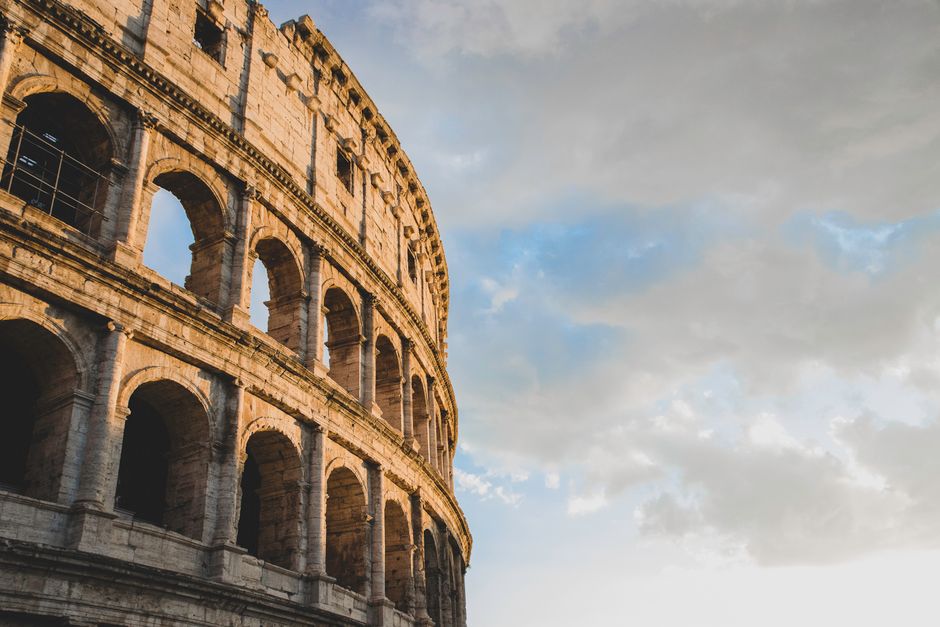
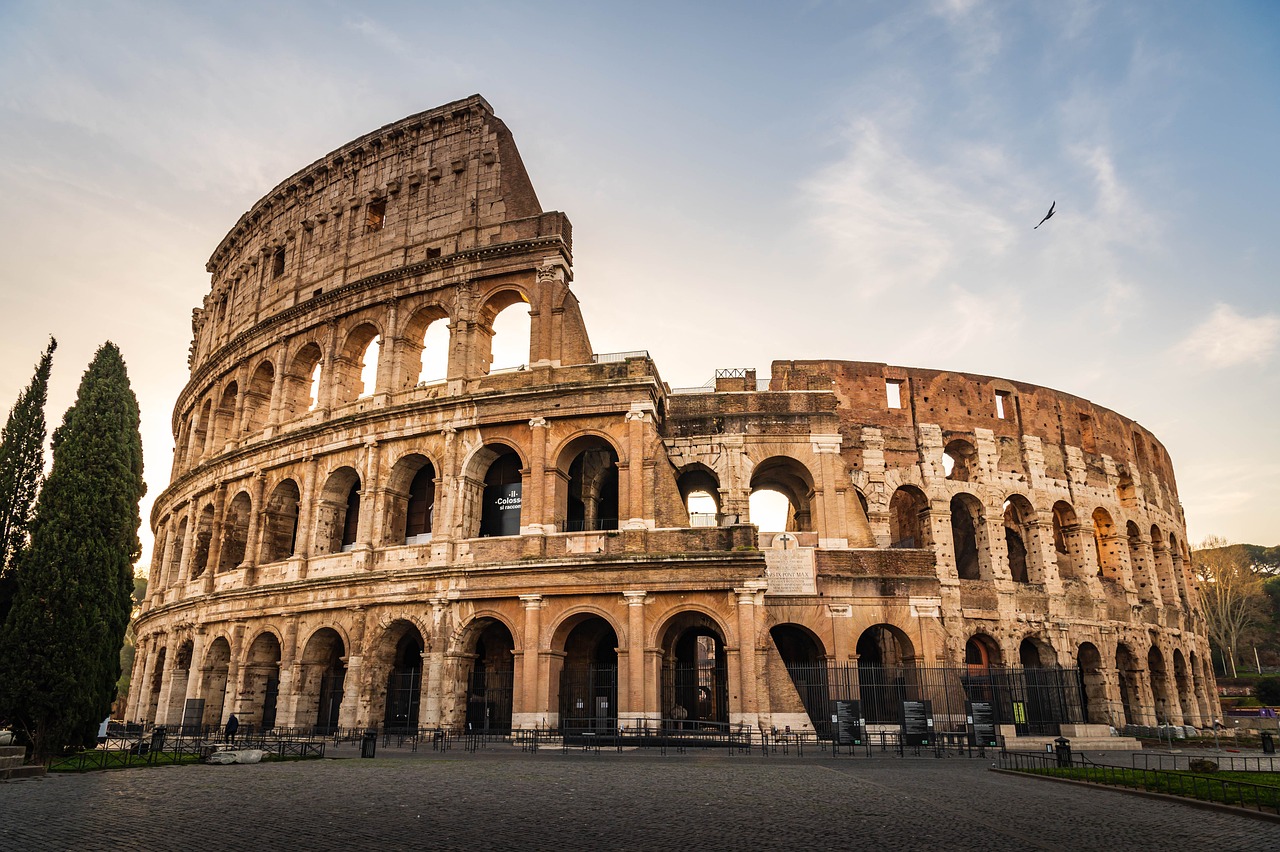
Italy wins on cities, and it is not close. Rome alone could fill a week: the Colosseum, the Roman Forum, the Pantheon, the Trevi Fountain and the Borghese Gallery. Florence is the Renaissance in one walkable center, with the Uffizi and the cathedral and its dome. Venice floats on its lagoon, Milan has Leonardo’s Last Supper, and Naples is the base for Pompeii. Smaller gems such as Siena, Verona, Bologna and Matera each deserve a night.
Greece has fewer big cities but older roots. Athens is built around the Acropolis, with the Parthenon on top and the modern Acropolis Museum below. Thessaloniki mixes Roman and Byzantine monuments with a lively food scene, and pretty Nafplio is the base for ancient Mycenae and Epidaurus. Further afield are the cliff-top monasteries of Meteora, the Minoan palace of Knossos on Crete and the sacred island of Delos.
For tips on timed tickets and city passes in both countries, see our city sightseeing guide.
Islands and beaches
This is where Greece shines: much of its coast is island coast. The Cyclades give you the volcanic caldera of Santorini and its village of Oia, lively Mykonos, and easygoing Naxos, Paros and Milos. Crete is big enough for a whole trip, with Chania‘s Venetian harbor and long southern beaches. In the Ionian Sea, green Corfu, Kefalonia, Lefkada and Zakynthos, home of Navagio Beach, face Italy. Rhodes adds a medieval old town, and Halkidiki is the mainland’s beach favorite.
Italy’s coast is more about scenery and style. The Amalfi Coast, Capri and Cinque Terre are famous for cliffside villages more than for sand. For swimming, head to Sardinia and the Costa Smeralda, Sicily and the Aeolian Islands, or Puglia in the heel. Many Italian beaches are lined with paid beach clubs that rent loungers and umbrellas, with free public stretches in between. Compare spots in our beaches guide, snorkeling guide and boat trips guide.
Food and wine
Italian food is regional above all. Rome has carbonara and cacio e pepe, Naples invented pizza as we know it, Bologna has its ragù and fresh egg pasta, Florence its giant T-bone steak, and Sicily its arancini and cannoli. Coffee is drunk standing at the bar, and gelato is an everyday treat. On the bill you will often see a small “coperto,” a cover charge that must be shown on the menu. Wine regions are everywhere, from Chianti in Tuscany to Barolo in Piedmont and Prosecco in the Veneto.
Greek food is simpler and built for sharing. Order a spread of meze, such as tzatziki, fava, grilled octopus and saganaki, then grilled fish, souvlaki or slow-baked dishes like moussaka. A Greek salad with a slab of feta comes with almost every meal, and olive oil is poured generously. Dinner starts late, often after 9 p.m. Greek wine is a pleasant surprise, especially the crisp white assyrtiko from Santorini. Our wine tasting guide covers both countries.
Culture and history
Italy has 62 UNESCO World Heritage properties, nearly three times as many as Greece’s 21. They range from ancient Rome and Pompeii to the Renaissance cities, the Venetian lagoon and the Dolomites. Add the great art collections of Rome, Florence, Venice and Milan, and Italy is the stronger choice for travelers who love galleries.
Greece’s heritage is older and more outdoors. Its classical sites, such as the Acropolis, Delphi, Olympia, Mycenae and Epidaurus, are open-air ruins in dramatic settings, often with a small museum alongside. Byzantine churches and monasteries, including those of Meteora, add another layer. Orthodox Easter is the biggest celebration of the Greek year; in 2027 it falls on 2 May, five weeks after Easter in Italy on 28 March.
Nature and outdoors
Italy has the higher mountains. The Dolomites offer some of Europe’s best summer hiking and winter skiing, from bases like Cortina d’Ampezzo. The lakes, Lake Como, Lake Garda and Lake Maggiore, are made for slow days and boat rides, and the coastal trails of Cinque Terre are a classic walk. In Sicily, Catania is the base for Mount Etna.
Greece is mostly mountains too, and it is wonderful walking country away from the beaches. On Crete, the Samaria Gorge is a famous full-day hike, Naxos has old mule paths between its villages, and Meteora has trails between the monasteries. Sea kayaking, sailing and diving are easy to arrange on most islands. Our hiking, cycling and diving guides cover routes in both countries.
Costs: closer than you might think
Greece has a reputation as the cheaper choice, but in the capitals everyday prices are now very close. Numbeo’s crowd-sourced data from early October 2026 puts a meal at an inexpensive restaurant at about €15 in both Rome and Athens, and a three-course dinner for two at a mid-range restaurant at about €60 in both. A cappuccino is cheaper in Rome, at about €1.85 against €3.70 in Athens, while a single public transport ticket costs about €1.50 in Rome and €1.20 in Athens.
The big sights cost more in Greece: a ticket to the Acropolis is €30, while the 24-hour ticket for the Colosseum, Roman Forum and Palatine Hill is €18. Both countries have free days. The Colosseum is free on the first Sunday of each month, and Greek state archaeological sites are free on the first and third Sundays from November to March. Both also charge a nightly accommodation tax on top of your room rate; the amount depends on the city and the hotel class, so check it when you book.
As with any trip, where and when matter more than which country. Santorini and Mykonos in July and August, Venice, the Amalfi Coast and central Florence are expensive; Greek mainland towns, Italy’s south and any off-season trip cost less. Our Italy and Greece guides have daily budget estimates, and the Travel costs by country page compares overall price levels.
Getting around and getting between them
Inside Italy, trains do the hard work. The Frecciarossa high-speed train links Rome and Florence in about 1 hour 30 minutes, with more than 100 connections a day, and the same network reaches Naples, Bologna, Milan and Venice. Regional trains serve the smaller towns. A car helps in Tuscany, Puglia, Sicily and Sardinia, but keep it out of historic centers, where restricted traffic zones bring automatic fines.
Inside Greece, the sea is the highway. Ferries leave Piraeus, Athens’ main port, for the Cyclades, Crete and beyond, and domestic flights reach the bigger islands quickly. The rail network is small, so on the mainland most travelers use buses or a rental car. Island timetables are busiest in summer and much thinner in winter, and strong summer winds can delay small, fast boats, so leave some slack in an island-hopping plan.
Getting between the two is easy. Remember that Greece is one hour ahead of Italy.
- By ferry from Bari: Superfast Ferries’ overnight sailing leaves Bari in the evening and, on its 2025 timetable, reaches Igoumenitsa at about 5:30 a.m. and Patras around 1 p.m. the next day. Igoumenitsa is the port for Corfu and the road to Meteora; Patras is closer to Athens.
- By ferry from Ancona: longer overnight crossings run from Ancona, on Italy’s Adriatic coast, to Igoumenitsa and Patras.
- By air: direct flights link Athens with Rome, Milan, Venice and other Italian cities, the quickest choice if you want to go straight from Rome to the Greek islands.
Both countries are in the Schengen area, and the 90-days-in-180 rule for visa-free visitors counts your time in both together. Since 10 April 2026, Europe’s Entry/Exit System registers non-EU visitors digitally at the external border instead of stamping passports.
Best time to visit
Spring (April to June) and autumn (September and October) suit both countries best for sightseeing, with warm days and fewer crowds than in high summer. Summer is hotter in Greece: Athens averages a high of about 92°F (34°C) in July, with rain on only one or two days in the month, while Rome averages about 87°F (30°C). On the hottest days, Greece has closed the Acropolis and other sites in the afternoon, so plan early starts. In winter both capitals are mild, with January highs of about 53–55°F (12–13°C), but autumn is Rome’s wettest season, and many Greek island hotels and ferries slow down or close for the winter.
For beaches, Greece’s season is longer and more reliable: the islands stay warm and dry from June to September, and early autumn is a lovely time to swim. To check typical weather for your exact dates in either country, open the Destination weather tool.
Who should choose which
- Choose Italy if you love art, architecture and food, want to see several great cities linked by fast trains, or are making your first trip to Europe and want the classic sights.
- Choose Greece if you want beaches and clear water, island hopping by ferry, ancient ruins in open-air settings, and a slower, simpler rhythm.
- Combine them if you have two weeks or more. Two easy routes: Rome, Naples and Puglia, then the overnight ferry from Bari to Corfu or Igoumenitsa and on to Meteora and Athens; or Rome and Florence, then a flight to Athens and a few Cycladic islands.
Plan your trip: our free trip planner can build a day-by-day plan from our guides, including an Italy-and-Greece trip that crosses the Ionian Sea. Then use the smart packing list to pack for your dates and activities, and the phrase cards for a few words of Italian or Greek. If you are still weighing up Iberia instead, read our Portugal vs Spain comparison.
Frequently asked questions
Is Greece cheaper than Italy?
Not by much in the capitals. Crowd-sourced Numbeo data from October 2026 shows the same typical restaurant prices in Rome and Athens. Where and when you travel matter more: Santorini and Mykonos in summer are among the priciest places in either country, while the Greek mainland and southern Italy are better value, especially outside July and August.
Can you visit Italy and Greece on the same trip?
Yes. Overnight ferries run from Bari and Ancona to Igoumenitsa and Patras, and direct flights link Athens with Rome, Milan and Venice. Both countries are in the Schengen area, so your days in both count toward the same 90-day limit for visa-free visitors.
Which has better beaches, Italy or Greece?
Most beach lovers prefer Greece, for its clear water, many islands and free public beaches. Italy’s best swimming is in Sardinia, Sicily and Puglia, while the Amalfi Coast and Cinque Terre are better for scenery than for sand.
How many days do I need for Italy or Greece?
For Italy, a week covers Rome, Florence and Venice by train, and ten days to two weeks lets you add the Amalfi Coast or Tuscany. For Greece, plan two or three days in Athens plus at least three or four days per island region. For both countries together, allow at least two weeks.
Is there a ferry from Italy to Greece?
Yes. Ferries sail from Bari and Ancona to Igoumenitsa and Patras. The crossings are overnight; check the operator’s current timetable before you book.
Which is better for a first trip to Europe?
Italy is the easier first trip for city sightseeing, because fast trains connect the famous cities and the classic sights are close together. Greece is the better first trip if your idea of Europe is a whitewashed village above a blue sea. Either way, booking timed tickets for the biggest sights, such as the Colosseum and the Acropolis, saves time in line.