Short answer: with 7 days, spend three nights in Tokyo, one in a Hakone hot-spring inn and the rest in Kyoto with a morning in Nara, all by train. With 10 days, add Hiroshima, Miyajima and a night in Osaka, and fly home from Kansai Airport. With 14 days, either keep going west to Himeji, Hiroshima and Fukuoka, or swap the coast for the Japan Alps: Kanazawa, Shirakawa-go and Takayama. You will not need a car on any of these routes.
This guide turns the sample trips on our Japan travel guide into day-by-day plans, with travel times between the stops and the best area to sleep in each night. To choose your dates, read our best time to visit Japan guide; for the highlights in a few minutes, see our top places to visit in Japan. For a plan built around your dates and interests, use our AI trip planner. Everything here was checked as of October 2026.
The three routes at a glance
| Route | Days | Stops (nights) | Best for |
|---|---|---|---|
| Classic first trip | 7 | Tokyo (3), Hakone (1), Kyoto (2), Nara on the last day | First visit, temples, food, one night in a ryokan |
| Tokyo to Hiroshima | 10 | Tokyo (3), Hakone (1), Kyoto (3), Hiroshima or Miyajima (1), Osaka (1) | The full shinkansen line, history, street food |
| West to Kyushu | 14 | Tokyo (4), Hakone (1), Kyoto (4), Osaka (1), Hiroshima (2), Fukuoka (1) | Castles, Miyajima, a slower pace, flying home from Fukuoka |
| Japan Alps loop | 14 | Tokyo (4), Kanazawa (2), Takayama (2) via Shirakawa-go, Kyoto (4), Osaka (1) | Gardens, mountain villages, old towns, fall colors |
Book an “open-jaw” flight where you can: into Tokyo (Narita or Haneda) and out of Osaka’s Kansai Airport (or Fukuoka on the longer western route). It saves a long ride back to Tokyo on your last day. If your return flight must leave from Tokyo, the shinkansen from Kyoto or Osaka gets you back in under three hours.
Travel times between the main stops
These are the legs used in the plans below. Where the time comes from a rail company, a bus company or an official tourism office, the source column says so; the rest are marked as approximate. Nozomi is the fastest train on the Tokyo–Osaka–Hiroshima shinkansen line; Hikari is the next fastest and stops more often.
| Leg | Fastest public transport | Time | Source |
|---|---|---|---|
| Tokyo – Kyoto | Nozomi shinkansen (Hikari) | 2 h 08–2 h 21 (Hikari 2 h 26–2 h 59) | Kyoto City tourism office |
| Kyoto – Hiroshima | Nozomi shinkansen (Hikari) | 1 h 36–1 h 50 (Hikari 1 h 45–2 h 44) | Kyoto City tourism office |
| Shinjuku – Hakone-Yumoto | Odakyu Romancecar | about 80 min | Odakyu |
| Tokyo – Odawara (for Hakone) | Shinkansen | about 35 min | Approximate |
| Odawara – Kyoto | Hikari shinkansen | about 2 h (approximate) | Approximate |
| Kyoto – Nara | Kintetsu limited express (JR Miyakoji Rapid) | 35 min (about 45 min) | Nara Visitors Bureau |
| Osaka Namba – Nara | Kintetsu direct train | about 40 min | Nara Visitors Bureau |
| Kyoto – Osaka | JR Special Rapid or shinkansen | about 30 min / about 15 min (approximate) | Approximate |
| Kansai Airport – Kyoto | JR Haruka express | about 75 min (approximate) | Approximate |
| Hiroshima – Miyajimaguchi | JR Sanyo Line local train | about 30 min (approximate) | Approximate |
| Miyajimaguchi – Miyajima | JR Miyajima Ferry | about 10 min | JR Miyajima Ferry |
| Hiroshima – Hakata (Fukuoka) | Nozomi or Mizuho shinkansen | about 1 h 05 (approximate) | Approximate |
| Tokyo – Kanazawa | Kagayaki shinkansen | about 2 h 30 (approximate) | Approximate |
| Kanazawa – Shirakawa-go | Express bus | about 1 h 05–1 h 20 | Shirakawa-go tourist association |
| Shirakawa-go – Takayama | Nohi Bus | about 50 min | Nohi Bus |
| Takayama – Nagoya | JR Hida limited express | about 2 h 20–2 h 30 (approximate) | Approximate |
| Nagoya – Kyoto | Nozomi shinkansen | about 35 min (approximate) | Approximate |
| Kyoto – Kanazawa | Thunderbird to Tsuruga, then Hokuriku shinkansen | about 2 h with the change (approximate) | Approximate |
Since March 2024 there is no direct train between Kyoto or Osaka and Kanazawa: you change from the Thunderbird to the shinkansen at Tsuruga, inside the same station.
7 days: Tokyo, Hakone, Kyoto and Nara
The classic first trip, all by train, flying into Tokyo and out of Kansai Airport. If your flight home is from Tokyo, swap the last day for an early shinkansen back.
- Day 1, Tokyo east: Train or limousine bus from the airport. Start gently in Asakusa at Senso-ji and Nakamise street, walk to the Sumida River, then go up a tower or out to Shibuya Crossing at dusk. Sleep: Shinjuku, or around Tokyo Station and Ginza.
- Day 2, Tokyo west: Meiji Jingu shrine early, Harajuku and Omotesando, then Shibuya. Evening in Shinjuku: the free observatory at the Metropolitan Government Building, then the little bars of Omoide Yokocho. Sleep: same.
- Day 3, Tokyo old and new: Breakfast at the Tsukiji outer market, the Imperial Palace East Gardens, Ginza, then an evening in Akihabara or Ueno. If you would rather leave the city, Kamakura (its Great Buddha and temples) is about an hour away. Sleep: same.
- Day 4, Hakone: Odakyu Romancecar from Shinjuku to Hakone-Yumoto (about 80 minutes). Do the loop: mountain railway, cable car, the ropeway over Owakudani’s steaming vents, a boat across Lake Ashi to Hakone Shrine, with Mount Fuji behind on clear days. Send big bags ahead to Kyoto by luggage delivery. Sleep: a ryokan in Gora, Hakone-Yumoto or by Lake Ashi.
- Day 5, to Kyoto: Bus or train down to Odawara and a Hikari shinkansen to Kyoto (about 2 hours). Afternoon in Higashiyama: Kiyomizu-dera, the stone lanes of Sannenzaka and Ninenzaka, and Gion at dusk. Sleep: downtown Kyoto (Kawaramachi, Gion) or near Kyoto Station.
- Day 6, Kyoto: Fushimi Inari’s torii gates at sunrise (open 24 hours, free), then the Golden Pavilion, or the Arashiyama bamboo grove and Tenryu-ji. Nishiki Market for lunch. Sleep: same.
- Day 7, Nara and home: Kintetsu limited express to Nara (35 minutes). Todai-ji’s Great Buddha, the deer park and Kasuga Taisha’s lanterns. In the late afternoon, take the train on to Kansai Airport, or sleep a third night in Kyoto if your flight is the next day.
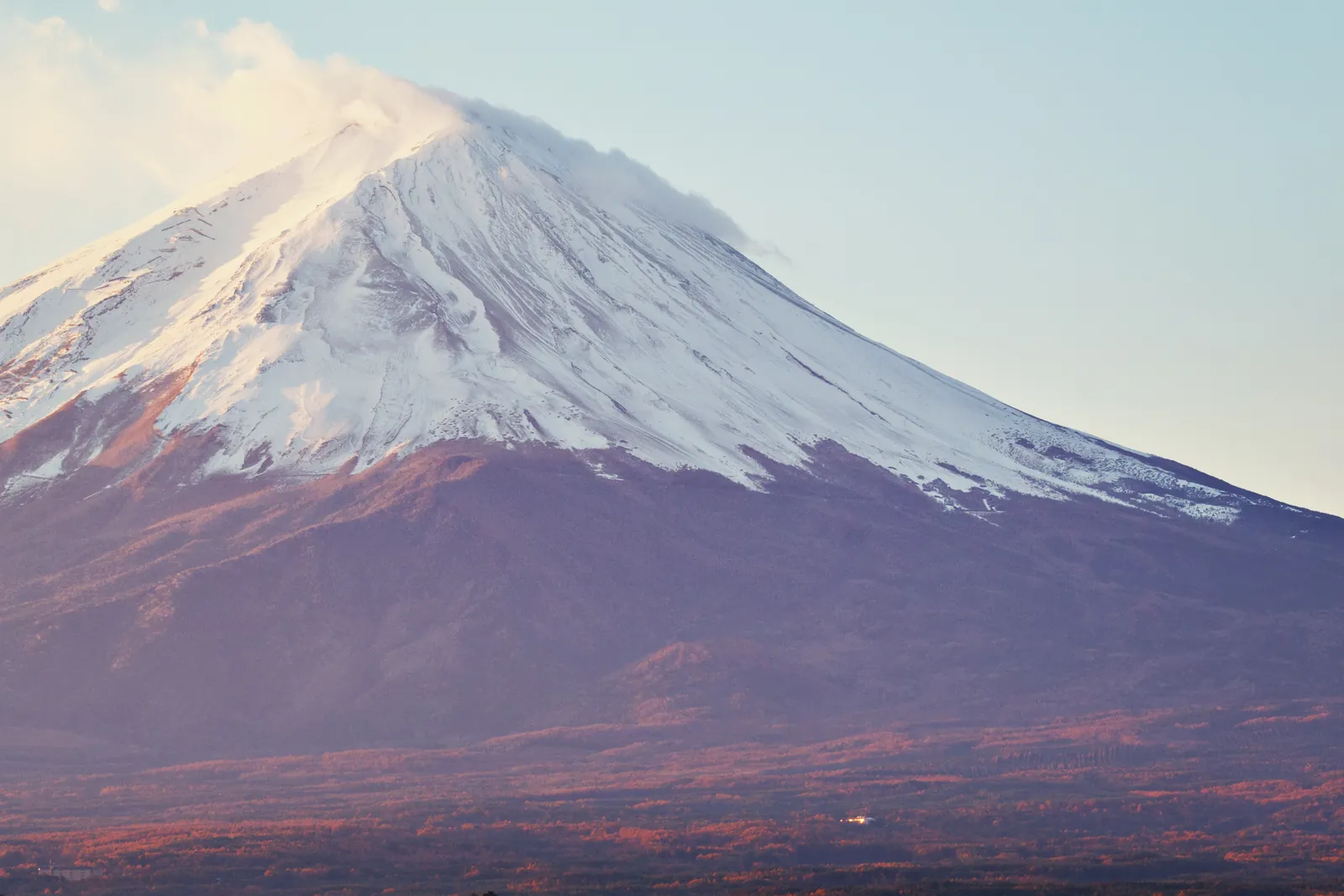
Swap it: if Mount Fuji itself matters more than hot springs, sleep by Lake Kawaguchi in the Fuji Five Lakes instead of Hakone (about 2 hours from Shinjuku by express bus or the Fuji Excursion train); Fuji is most often visible from November to February. More on each stop: Tokyo, Hakone, Kyoto, Nara and Kamakura.
10 days: Tokyo to Hiroshima along the shinkansen
The first five days are the same as the 7-day route. Then you gain a calmer day in Kyoto, Nara as a day trip, a night by the sea in Hiroshima or on Miyajima, and Osaka’s food at the end, flying home from Kansai Airport.
- Days 1–3, Tokyo: as in the 7-day plan. Sleep: Shinjuku or Tokyo Station/Ginza (3 nights).
- Day 4, Hakone: Romancecar and the Hakone loop. Sleep: a ryokan (1 night).
- Day 5, to Kyoto: Odawara to Kyoto by Hikari, then Higashiyama and Gion. Sleep: downtown Kyoto (3 nights).
- Day 6, Kyoto: Fushimi Inari early, then Arashiyama or the Golden Pavilion and Ryoan-ji’s rock garden.
- Day 7, Nara day trip: Kintetsu to Nara (35 minutes), Todai-ji, the deer park and Kasuga Taisha; back to Kyoto for a dinner in Pontocho.
- Day 8, Hiroshima and Miyajima: Nozomi to Hiroshima (about 1 h 40). Morning at the Peace Memorial Park, museum and A-Bomb Dome, okonomiyaki for lunch, then the JR line to Miyajimaguchi and the 10-minute ferry. A small visitor tax of ¥100 is collected when you board. Sleep: an inn on Miyajima (the island is quiet after the last ferries), or central Hiroshima (1 night).
- Day 9, Miyajima to Osaka: The Itsukushima torii in the early light, the ropeway or a hike up Mount Misen, then the shinkansen back east to Shin-Osaka. Evening in Dotonbori. Sleep: Namba or Umeda (1 night).
- Day 10, Osaka and home: Osaka Castle park or Kuromon Market, then the train to Kansai Airport.
Swap it: art lovers can trade the Osaka night for the island of Naoshima and its museums, reached from Okayama on the way back from Hiroshima. Details for each stop: Hiroshima, Miyajima and Osaka.
14 days: west to Himeji, Hiroshima and Fukuoka
Two weeks lets you slow down: four nights in Tokyo and Kyoto each, Himeji’s white castle on the way west, two nights for Hiroshima and Miyajima, and a last night of street-food stalls in Fukuoka. Fly into Tokyo and home from Fukuoka, or take the shinkansen back.
- Days 1–4, Tokyo: the three Tokyo days from the 7-day plan, plus a day trip to Kamakura or to the shrines of Nikko. Sleep: Shinjuku or Tokyo Station/Ginza (4 nights).
- Day 5, Hakone: the loop and an onsen evening. Sleep: a ryokan (1 night).
- Days 6–9, Kyoto: Higashiyama and Gion on day 6, Fushimi Inari and Arashiyama on day 7, Nara on day 8, and on day 9 the northern temples (Golden Pavilion, Ryoan-ji) or a walk up to the Philosopher’s Path and Ginkaku-ji. Sleep: downtown Kyoto (4 nights).
- Day 10, Osaka: A short train ride to Osaka: the castle, Shinsekai, then Dotonbori after dark. Sleep: Namba or Umeda (1 night).
- Day 11, Himeji and on to Hiroshima: Shinkansen to Himeji, leave bags in station lockers and walk up the main street to the castle and the Koko-en gardens. Conservation work on parts of the castle runs from July 2026 to about July 2027, so expect scaffolding on some walls and gates; the main keep stays open. Continue to Hiroshima in the afternoon. Sleep: central Hiroshima (2 nights).
- Day 12, Hiroshima and Miyajima: Peace Memorial Park in the morning, Miyajima in the afternoon, back for okonomiyaki. Hiroshima Castle’s keep has been closed since March 2026.
- Day 13, Fukuoka: Shinkansen to Hakata (about an hour). Kushida Shrine, Canal City or Ohori Park, and tonkotsu ramen at the yatai stalls along the river. Sleep: Hakata or Tenjin (1 night).
- Day 14, home: Fukuoka Airport is two subway stops from Hakata Station.
Want hot springs at the end? Add a night in Beppu or a day in Nagasaki from Fukuoka. More on the last stop in our Fukuoka guide.
14 days: Tokyo, the Japan Alps and Kyoto
This loop swaps the coast for the mountains: the gardens of Kanazawa, the thatched farmhouses of Shirakawa-go and the old merchant streets of Takayama, before coming down to Kyoto. It is at its best from April to June and in October and November; in winter the villages are deep in snow, which is beautiful but makes buses slower.
- Days 1–4, Tokyo: as above, with a Kamakura, Nikko or Hakone day trip. Sleep: Shinjuku, or near Tokyo or Ueno stations for the Hokuriku shinkansen (4 nights).
- Day 5, to Kanazawa: Kagayaki shinkansen from Tokyo (about 2 h 30). Afternoon in the Higashi Chaya teahouse district and an evening walk by the river. Sleep: near Kanazawa Station or Korinbo (2 nights).
- Day 6, Kanazawa: Kenroku-en garden early (it opens free at dawn for a short time before paid hours), the castle park, Omicho Market for seafood, the samurai houses of Nagamachi and the 21st Century Museum.
- Day 7, Shirakawa-go and Takayama: Express bus to Shirakawa-go (about 1 h 05–1 h 20; book ahead, as some runs are reservation-only), the observation deck over the gassho farmhouses, then the Nohi bus on to Takayama (about 50 minutes). Sleep: Takayama old town or near the station (2 nights).
- Day 8, Takayama: The morning markets, the Sanmachi merchant streets, the Takayama Jinya government house and the Hida Folk Village; Hida beef for dinner. If your dates fall on April 14–15 or October 9–10, you will see the Takayama Festival floats.
- Day 9, to Kyoto: JR Hida limited express to Nagoya (about 2 h 20–2 h 30), then the Nozomi to Kyoto (about 35 minutes). Evening in Gion. Sleep: downtown Kyoto (4 nights).
- Days 10–12, Kyoto and Nara: Higashiyama, Fushimi Inari and Arashiyama, and a Nara day trip.
- Day 13, Osaka: Castle, Kuromon Market and Dotonbori. Sleep: Namba or Umeda (1 night).
- Day 14, home: From Kansai Airport.
Bus delays of two hours or more can happen at Shirakawa-go on busy fall weekends and in heavy snow, so don’t plan a tight train connection the same day. More on each stop: Kanazawa, Shirakawa-go and Takayama.
Where to sleep, by stop
| Stop | Best area for a short stay | Why | Accommodation tax (as of Oct 2026) |
|---|---|---|---|
| Tokyo | Shinjuku, or Tokyo Station and Ginza | Shinjuku for the Romancecar to Hakone and nightlife; Tokyo Station for the shinkansen | ¥100–200 per person per night on rooms from ¥10,000; 3% from April 1, 2027 (rooms under ¥13,000 exempt) |
| Hakone | Gora, Hakone-Yumoto or Lake Ashi | Yumoto for easy arrivals, Gora for the loop, the lake for Fuji views | Hot-spring bathing tax of about ¥150 at most inns |
| Kyoto | Downtown (Kawaramachi, Gion) or near Kyoto Station | Downtown for evenings on foot; the station for day trips and early trains | ¥200 to ¥10,000 per night by room rate (¥200 under ¥6,000, ¥400 under ¥20,000) |
| Osaka | Namba or Umeda | Namba for food and the airport train; Umeda for JR and Shin-Osaka | ¥200–500 on rooms from ¥5,000 |
| Hiroshima / Miyajima | Near the Peace Park or the station; a ryokan on Miyajima | Miyajima is magical once day visitors leave | Miyajima visitor tax ¥100 per visit |
| Kanazawa | Near the station or Korinbo | Station for buses to Shirakawa-go; Korinbo for gardens and dining | ¥200–500 on rooms from ¥5,000 |
| Takayama | Old town or near the station | Everything on foot; buses and trains at the station | ¥100–300 by room rate (since October 2025) |
| Fukuoka | Hakata or Tenjin | Hakata for the shinkansen and airport; Tenjin for shopping and yatai | ¥200 or ¥500 (city and prefecture combined) |
Alternatives by interest
Food lovers
Give Osaka two or three nights instead of one: Dotonbori and Shinsekai for takoyaki and kushikatsu, Kuromon Market for seafood, and the department store food halls. End in Fukuoka for tonkotsu ramen and the riverside yatai stalls, and add Kobe (a few minutes from Shin-Osaka by shinkansen) for its beef and sake breweries. In Kyoto, book one kaiseki dinner and walk Nishiki Market at lunchtime.
Hikers
From early July to September 10, you can climb Mount Fuji from the Fuji Five Lakes side (the Yoshida Trail needs an online reservation and is closed once 4,000 people a day have passed). Outside the climbing season, walk the lower trails around the lakes or up Mount Misen on Miyajima. On the Alps loop, add a day in Kamikochi from Takayama in summer or early fall, and in the far south, the cedar forests of Yakushima make a three-night detour from Kyushu. May–June and October are the best months for lower trails.
Families
Use two bases and fewer moves: Tokyo (four nights) and Osaka or Kyoto (four or five nights). Children love Nara’s deer, the Kaiyukan aquarium and Universal Studios in Osaka, and the Hakone ropeway and pirate-style lake boats. Send bags ahead by luggage delivery on travel days, and book a family room early, as many Japanese hotel rooms are small.
Snow and winter lovers
Fly from Tokyo to Sapporo for a separate winter week: Sapporo and its Snow Festival (February 4–11, 2027), the canal town of Otaru, and skiing in Niseko, where the main areas are scheduled to open from November 28, 2026 to May 5, 2027. Shirakawa-go’s evening light-ups (January 11, 17, 24 and 31, 2027) are by advance booking only, with no same-day entry: through village lodging, a parking reservation or a bus tour.
Beach lovers
Okinawa is a flight away from Tokyo, Osaka or Fukuoka, so add it as a block of four or five nights at the end: Okinawa Island for beaches and the Kerama Islands, or Ishigaki and Miyakojima for clearer water. April–June and September–November are the best months; August is the peak of the typhoon season there.
Tips for planning your route
- Pick the season to match the trip. Late March to May and October to early December suit every route here. Full cherry bloom lasts about a week in each city (about March 31 in Tokyo and April 4 in Kyoto in a normal year), and Kyoto’s maples peak in late November to early December. Golden Week (April 29 to May 5) and Obon in mid-August are the busiest and dearest times. Details are in our best time to visit Japan guide.
- Do the sums before buying a rail pass. On the official site a 7-day Japan Rail Pass costs ¥50,000 and a 14-day pass ¥80,000 (ordinary class). Pass holders can now ride the Nozomi by buying a special ticket (¥4,960 between Tokyo and Kyoto or Shin-Osaka). Compare with the price of your individual tickets: a simple Tokyo–Kyoto–Osaka trip often costs less without a pass. In the Kansai area, the popular Kansai Area Pass stopped selling on September 30, 2026; the Kansai-Hiroshima Area Pass (¥17,000 for 5 days) covers the shinkansen to Hiroshima and the Miyajima ferry.
- Reserve shinkansen seats in busy seasons. Unreserved cars fill up during the blossoms, Golden Week, Obon and the New Year. If you carry a large suitcase on the Tokaido line, you must book a seat with oversized baggage space in advance.
- Send your luggage ahead. Hotels and convenience stores can send bags to your next hotel, usually arriving the next day. It makes Hakone and the Alps loop much easier.
- Get an IC card. A Tourist PASMO or Welcome Suica (valid 28 days) pays for local trains, buses and many shops; the balance is not refunded, so top up as you go.
- Tax-free shopping changes on November 1, 2026. From that date you pay the full price including tax and claim the refund when you leave Japan, after customs checks your passport and goods at the airport.
- Leave slack from July to October. Typhoons can stop trains, ferries and flights for a day or more, most often in August and September.
Japan itinerary FAQ
Is 7 days enough for Japan?
Yes for a first taste: Tokyo, a night in Hakone, Kyoto and a morning in Nara, all on fast trains. It is not enough to add Hiroshima, the Alps or Hokkaido without rushing; for those, plan 10 to 14 days.
Should I start in Tokyo or Osaka?
Most flights from the US land in Tokyo, so start there and travel west, flying home from Osaka’s Kansai Airport. If you find a cheaper flight into Osaka, simply run the route the other way round.
How long is the bullet train from Tokyo to Kyoto?
Between 2 hours 8 minutes and 2 hours 21 minutes on the Nozomi, and about 2 hours 26 minutes to 3 hours on the Hikari, according to Kyoto’s official tourism office (as of October 2026).
Do I need a car in Japan?
No, not for any of these routes: trains and buses reach every stop, and cities are hard to drive and park in. A car helps in rural Hokkaido, on Okinawa and on smaller islands. To drive, you need an International Driving Permit under the 1949 Geneva Convention (some licenses, such as German, French and Swiss ones, use an official translation instead).
Is the Japan Rail Pass worth it for two weeks?
It depends on the distance. A 14-day pass costs ¥80,000 on the official site. It is more likely to pay off on the western route to Fukuoka, or if you add Hokkaido by train, than on a Tokyo–Kyoto–Osaka trip. Price your individual tickets first, and look at regional passes such as the Kansai-Hiroshima Area Pass.
Hakone or the Fuji Five Lakes?
Hakone for hot springs, a ryokan night, art museums and an easy run on to Kyoto. The Fuji Five Lakes for the closest, biggest views of Mount Fuji and the summer climb. Both depend on clear skies for the view; winter mornings are the best bet.
What is the best month for a Japan itinerary?
April for cherry blossoms and November for fall colors, both mild and mostly dry. May and October are nearly as good and a little quieter, outside Golden Week. June is the rainy season on the main islands, and July and August are hot and humid.
Sources
Researched and last reviewed by TravelerCenter on 8 October 2026. Shinkansen times between Tokyo, Kyoto and Hiroshima come from Kyoto City’s official tourism site; Nara train times from the Nara Visitors Bureau; Hakone times and passes from Odakyu; Shirakawa-go and Takayama bus times from Nohi Bus and the Shirakawa-go Tourist Association; the Miyajima ferry from JR Miyajima Ferry. Other journey times are approximate. Rail pass prices come from the Japan Rail Pass official site and JR West; accommodation taxes from the Tokyo, Kyoto, Osaka, Kanazawa and Fukuoka governments and Hatsukaichi City (Miyajima); castle works from the City of Himeji; blossom and maple dates from the Japan Meteorological Agency; tax-free rules from the Japan Tourism Agency. Timetables, fares and rules change, so check with the operator before you travel.
Data: Natural Earth (PUBLIC DOMAIN) · © OpenStreetMap contributors (ODBL) · Wikidata (CC0)