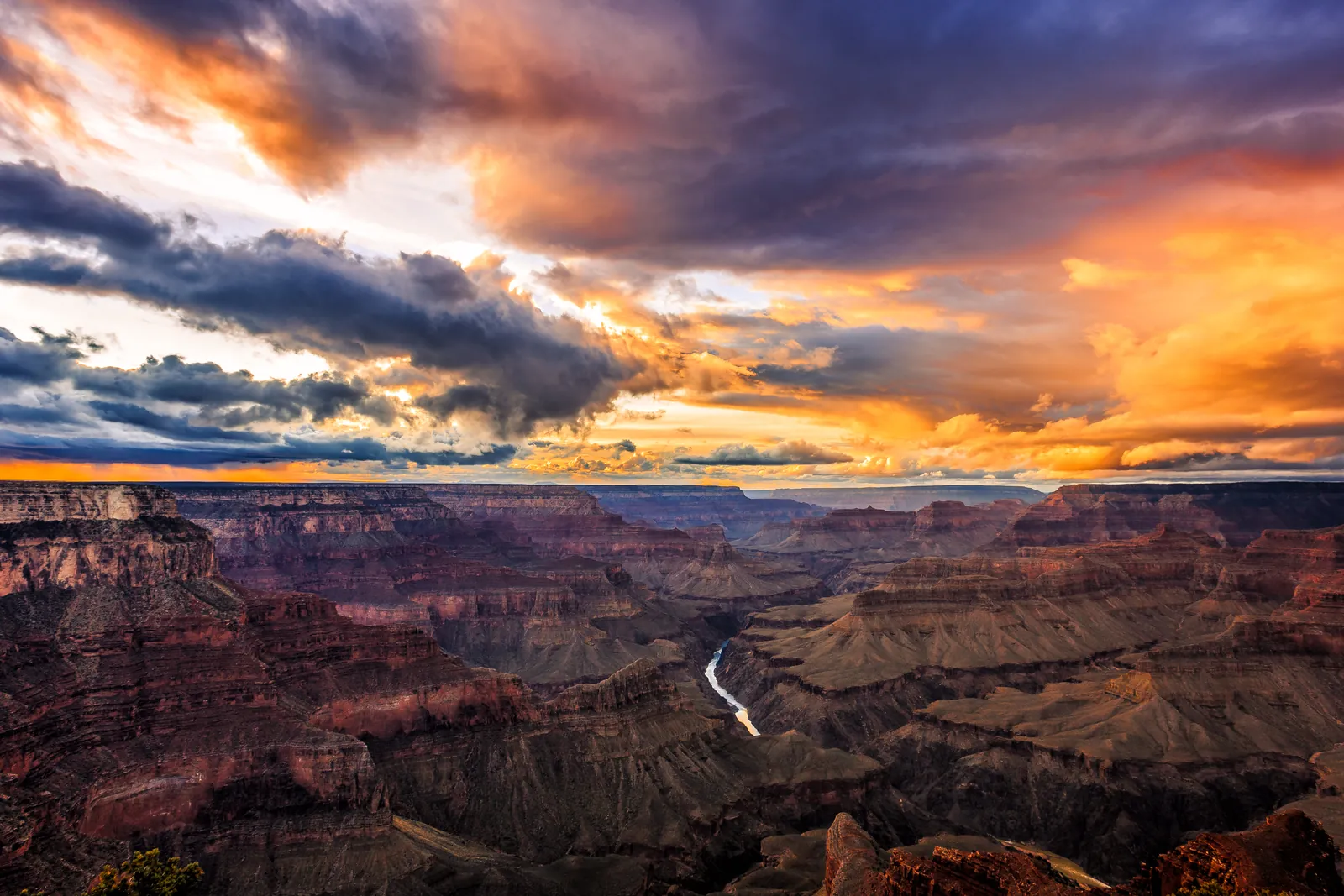
Short answer: the best time to visit the United States is April to June and September to October, when the cities are mild, the desert parks are comfortable and crowds are smaller than in July and August. Summer is peak season for the northern national parks, Alaska and New England’s coast, but also the busiest and most expensive; winter is the time for Florida, Hawaii, the Southwest deserts and the ski resorts of the Rockies. Fall color peaks in New England from late September to mid-October.
The US spans every climate, from Alaska’s tundra to Florida’s subtropics, so the right month depends on where you go. This page goes through the seasons month by month, region by region and park by park, as of October 2026. For entry rules, money, distances and itineraries, see our United States travel guide, and plan your days with our AI trip planner.
Best time to visit the United States at a glance
| Goal | Best months | Why |
|---|---|---|
| Cities (New York, Washington, Chicago) | April–June, September–October | Mild weather; avoids summer heat and winter cold |
| National parks (Rockies, Pacific Northwest, Alaska) | Late June–mid-September | High roads and trails open; Glacier’s Going-to-the-Sun Road usually fully open from mid-July |
| Desert parks (Grand Canyon, Utah, Death Valley) | April–May, late September–November | Comfortable days; summer passes 100 °F (38 °C) at lower elevations |
| Florida and the Gulf beaches | November–April (south Florida), April–June and September–October (Panhandle) | Dry season in the south; warm sea without peak summer heat on the Gulf |
| Hawaii | April–June, September–October | Good weather and fewer visitors; winter is whale season and priciest |
| Fall foliage | Late September–early November | New England first, then Acadia, Shenandoah and the Smokies |
| Skiing | January–March | Best snow in Colorado, Utah, Wyoming and Lake Tahoe |
| Cherry blossoms | Late March–early April | Peak bloom in Washington, D.C. |
| Lowest prices | January–February (outside holidays), November | Off-season in the northern cities; Thanksgiving week excepted |
| Northern lights | Late August–April | Clear, dark nights in Alaska |
United States weather month by month
Weather month by month
The table shows average daily highs and lows and monthly rain from NOAA’s 1991–2020 climate normals. Across the country, the differences are huge. In New York’s Central Park, highs run from about 40 °F (4 °C) in January to 85 °F (29 °C) in July, and Chicago’s January lows average 19 °F (−7 °C). Miami stays at 76–91 °F (24–33 °C) all year, with most of its 67 in (1,710 mm) of rain from June to October. Las Vegas averages 104 °F (40 °C) in July and only about 4 in (110 mm) of rain a year. San Francisco is mild all year, 58–70 °F (14–21 °C), with its warmest weather in September and October, not summer. Seattle gets about 39 in (1,000 mm) of rain a year, mostly from November to March, and is dry and sunny in July and August.
United States month by month
January
Cold and often snowy in the Northeast, Midwest and mountains; the cheapest month in New York and Chicago after New Year. It is high season in Miami, the Florida Keys, Maui and Palm Springs, and ski season in Vail, Aspen and Park City. Martin Luther King Jr. Day is 18 January 2027.
February
Still winter in the north, with the best snow in the Rockies; Presidents’ Day weekend (15 February 2027) is one of the busiest ski weekends. Mardi Gras peaks in New Orleans on Fat Tuesday, 9 February 2027. Phoenix and Scottsdale have spring training and golf season, and whale season is in full swing in Hawaii.
March
Spring break fills Florida’s beaches and the desert resorts. Death Valley and Joshua Tree are at their best, with wildflowers after a wet winter. St. Patrick’s Day brings parades to New York, Boston and Chicago, and Anchorage sees the start of the Iditarod sled-dog race in early March. Late in the month, the cherry blossoms can start to bloom in Washington, D.C.
April
One of the best months nearly everywhere. Washington’s cherry blossoms usually peak in the last week of March or the first week of April, the Smokies and Shenandoah fill with wildflowers, and Utah’s parks, the Grand Canyon and Sedona are comfortable. The New Orleans Jazz & Heritage Festival runs from 22 to 25 April and 29 April to 2 May 2027.
May
Mild in the cities and peak waterfall season in Yosemite. Florida’s beaches are warm and dry before the summer storms, and the Alaska Railroad’s Denali Star begins daily summer service on 12 May 2027. Memorial Day weekend (31 May 2027) marks the start of summer, when parks and beaches fill up.
June
Summer begins: school vacations start, national park lodges and campgrounds fill, and the high roads of the Rockies open, though snow can linger up high. It is a great month for Alaska, with nearly 20 hours of daylight around the solstice in Anchorage, and for Yellowstone‘s baby animals and waterfalls. The Atlantic and Central Pacific hurricane seasons begin on 1 June.
July
Peak season: the highest prices and the biggest crowds in national parks, New England and the beaches. Independence Day brings fireworks everywhere; in 2027, 4 July is a Sunday and the federal holiday is Monday 5 July. Glacier’s Going-to-the-Sun Road usually opens fully by mid-July. It is very hot in the desert and humid in the South, and monsoon storms begin in Arizona and Utah.
August
Still peak season, hot and humid in the South and East. The Northwest, Alaska and the high parks are at their best: wildflowers peak at Mount Rainier from late July to mid-August, and tundra colors begin in Denali late in the month. The hurricane peak starts, and wildfire smoke can affect the West from late summer into fall.
September
After Labor Day (6 September 2027), crowds thin and prices ease, while the sea is still warm. September is the warmest month in San Francisco and on the California coast, golden aspens light up Colorado and Wyoming, and the elk rut begins in Yellowstone and Rocky Mountain. It is also the heart of hurricane season in Florida and on the Gulf.
October
Fall foliage peaks in New England in early to mid-October, in Acadia around mid-month and in Shenandoah in the second or third week. Desert temperatures become comfortable again. Halloween on 31 October brings parades and haunted tours, from New York’s Village to Salem near Boston.
November
A good-value month outside Thanksgiving week (Thanksgiving is 26 November 2026), the busiest travel period of the year. Fall color lingers in the Great Smoky Mountains into early November, the New York City Marathon runs on the first Sunday, and Florida’s dry season begins. On Veterans Day, 11 November, national parks are free for US citizens and residents. In 2026, most of Yellowstone’s roads close to cars after 31 October.
December
Holiday lights, store windows and ice rinks in New York and Chicago; Christmas markets in Chicago and Philadelphia. Ski season opens in the Rockies, Hawaii’s whale season starts, and Florida and the deserts enter high season. Christmas to New Year is expensive almost everywhere, with Times Square and the Las Vegas Strip the big New Year’s Eve parties.
Best time to visit by region
The Northeast and New England
New York and Philadelphia are best from April to June and September to early November; Boston from May to June and September to October. Cape Cod is best in June and September, and many places there close from November to April. Portland, Maine and Acadia are best from late June to mid-October, with fall color from late September.
Washington, D.C. and the Mid-Atlantic
Washington is best in late March and early April for the cherry blossoms and from September to early November; July averages about 90 °F (32 °C). Virginia Beach and the Outer Banks are best from May to June and September to October.
The South
Nashville, Charleston, Savannah and Asheville are best in spring (March to May) and fall (October to November); summers are hot and humid with afternoon storms. New Orleans is best from February to May and October to November, with Mardi Gras and Jazz Fest in spring. In Texas, Austin and San Antonio are best from March to May and October to November.
Florida
South Florida is best from November to April, the dry season: Miami, Fort Lauderdale, Naples and the Everglades, with the Keys good until May. Orlando is best from October to April. The Panhandle beaches, such as Destin and Panama City Beach, are best from April to June and September to October; in winter, their sea is too cold for most swimmers. See our Florida travel guide.
The Southwest
Las Vegas is best from March to May and October to November. The Grand Canyon, Zion, Arches, Bryce Canyon, Monument Valley and Sedona are best in spring and fall. Phoenix and Scottsdale are best from late October to April, and Santa Fe in September and October.
California
Los Angeles and San Diego are good all year, though May and June are often gray near the coast. San Francisco, Monterey, Big Sur and Napa Valley are best in September and October. Yosemite is best from May to June and September to early October; Death Valley from November to March; Lake Tahoe from July to early September or for skiing from December to March. See our California travel guide.
The Rockies
Yellowstone, Grand Teton, Glacier and Rocky Mountain are best from late June to mid-September, when all roads are open; September adds golden aspens and the elk rut. Denver is best from May to June and September to October, and ski towns such as Vail, Aspen, Park City and Jackson from January to March.
The Pacific Northwest
Seattle and Portland, Oregon are best from June or July to September, when it rarely rains. Olympic is best from July to September, and Mount Rainier from late July to mid-September, when the meadows are free of snow.
Hawaii and Alaska
Hawaii is warm all year; Honolulu, Maui, Kauai and the Island of Hawaii are best from April to June and September to October, while December to March is whale season and the busiest time. Alaska is best from June to August: Denali from late May to mid-September, when the park buses run, and Juneau from May to September for whale watching.
Best time for national parks, fall foliage, skiing and beaches
National parks
Spring and fall for the desert parks; late June to mid-September for the mountain parks, Alaska and the Northwest; November to April for the Everglades and Death Valley; any time for Hawaii Volcanoes. Book lodges and campgrounds months ahead for summer, and check each park’s alerts: in fall 2026, the Grand Canyon is open for day visits only after a flash flood on 29 August damaged the South Rim’s water supply, with the park hoping to bring back overnight guests from around Thanksgiving, and the North Rim has no lodging in 2026.
Fall foliage
Late September to mid-October in northern New England, mid-October in Acadia and Shenandoah, and mid-October to early November in the Smokies and around Asheville. Mid-September to early October brings golden aspens to Colorado, Utah and Wyoming.
Skiing
January to March for the most reliable snow in Colorado, Utah, Wyoming and Lake Tahoe. Christmas week and Presidents’ Day weekend are the busiest and most expensive.
Beaches
November to April in south Florida and Hawaii; May to September on the Atlantic and Gulf coasts (Virginia Beach, for example, has lifeguards on duty from Memorial Day weekend to Labor Day weekend); August to October in Southern California, its warmest months.
Whales and wildlife
December to March for humpback whales in Hawaii, May to September in Juneau; September for the elk rut in the Rockies; November to April for alligators and birds in the Everglades.
Seasons to plan around
- Hurricane seasons: the Atlantic season runs from 1 June to 30 November, peaking from mid-August to October, and mainly affects Florida, the Gulf coast and the Carolinas. The Central Pacific season, for Hawaii, also runs from 1 June to 30 November; in 2026, the islands felt Hurricane Lala in August and Hurricanes Lowell and Nolo in September. Follow the National Hurricane Center and the National Weather Service, and consider travel insurance that covers weather.
- Summer heat and monsoon: desert highs pass 100 °F (38 °C) from June to September, and from July, monsoon storms bring flash-flood risk to canyons in Arizona and Utah.
- Winter weather: snowstorms can close airports for a day or two in the Northeast and Midwest, and many mountain roads, such as Trail Ridge Road and most of Yellowstone’s, close for the winter.
- Wildfire smoke: can affect the West from late summer into fall.
- Holidays: Thanksgiving (26 November 2026), Christmas to New Year, spring break in March, Memorial Day, 4 July and Labor Day weekends are the busiest and most expensive times to travel.
How long to stay
Five days suits New York; seven to ten days the Northeast by train; ten to fourteen days California and the Southwest; two to three weeks coast to coast. Plan around one region and fly between far-apart cities. Our United States travel guide has sample itineraries for each of these.
Best time to visit the United States: FAQ
What is the best month to visit the United States?
May or September: mild in most cities, comfortable in the national parks and quieter than July and August. October is best for fall foliage in New England.
What is the cheapest time to fly to the United States?
Usually January to early March (outside Presidents’ Day and spring break) and November outside Thanksgiving week, when northern cities are in their off-season. Florida, Hawaii and the ski resorts are at their most expensive in winter.
When is hurricane season in the United States?
From 1 June to 30 November on the Atlantic and Gulf coasts and in Hawaii, with most Atlantic storms from mid-August to October.
When is the best time to visit US national parks?
Spring and fall for the desert parks, late June to mid-September for Yellowstone, Glacier and the other mountain parks, and winter for the Everglades and Death Valley.
When do the cherry blossoms bloom in Washington, D.C.?
Peak bloom is most likely in the last week of March or the first week of April, according to the National Park Service; it lasts several days and can only be forecast about ten days ahead.
When is the best time to see fall colors in the US?
Late September to mid-October in New England, and mid-October to early November farther south in Shenandoah and the Great Smoky Mountains.
When can you see the northern lights in Alaska?
From late August to April, on clear, dark nights away from city lights, for example around Anchorage or Fairbanks.
Sources · last reviewed 5 Oct 2026
Researched and last reviewed by TravelerCenter on 8 October 2026. Temperatures and rain come from NOAA’s 1991–2020 climate normals; hurricane seasons from NOAA’s National Hurricane Center; park seasons, road openings, the Grand Canyon water emergency, Yellowstone’s 2026 road closures and cherry blossom peak bloom from the National Park Service; federal holidays from the US Office of Personnel Management; Mardi Gras from New Orleans & Company; Jazz Fest from the festival; the Denali Star schedule from the Alaska Railroad; Hawaii’s 2026 storms from the Hawaii Department of Taxation’s storm-relief notices and the Hawaii Division of State Parks. Ski, foliage, whale and northern lights seasons come from our destination guides and general references. Check official sites before you travel.
Also: NOAA NCEI normals 1991–2020, Washington Reagan National Airport (climate)
Data: Natural Earth (PUBLIC DOMAIN) · © OpenStreetMap contributors (ODBL) · Wikidata (CC0)